
Govt moves to formalise small-scale mining sector
“We call upon all miners across the country to collaborate and abide by the mining laws. We shall stand and support them,” Nyamutoro said. The minerals minister said the government was particularly concerned about the health risks faced by miners, including respiratory illnesses associated with prolonged exposure to dust.
State Minister for Mineral Development Phiona Nyamutoro cutting a ribbon as she officially opened EuroGold mining center in Yumbe district.
YUMBE - The Ministry of Energy and Mineral Development has called on small-scale miners across Uganda to formalise their operations as authorities intensify a crackdown on illegal mining sites blamed for exposing workers to unsafe conditions and causing deaths.
Speaking in Yumbe district during the launch of a small-scale gold mining project by Euro Gold Refinery on August 20, 2026, mineral development state minister Phiona Nyamutoro said the government wants mineral development to create jobs and wealth without exposing workers and communities to unnecessary risks.
Nyamutoro said more than 15 illegal mining sites had been closed this year as the government moves to bring artisanal and small-scale miners into the formal economy.
She encouraged miners to obtain the necessary licences, comply with mining laws and adopt safer working practices instead of operating outside the regulatory framework.
“We call upon all miners across the country to collaborate and abide by the mining laws. We shall stand and support them,” Nyamutoro said.
The minerals minister said the government was particularly concerned about the health risks faced by miners, including respiratory illnesses associated with prolonged exposure to dust.
“Most of them suffer from respiratory diseases, but most importantly, we call upon them to use the PPEs as required by the law because once they are used well, you can be certain that someone’s health is guarded. Human and capital development should not come at the cost of our health,” she said.
The mining sector contributes about 1.9% to Uganda's Gross Domestic Product (GDP) and drives export earnings largely through gold. It provides direct jobs for nearly 600,000 people, mostly in small-scale and artisanal mining, and supports local industries with construction minerals such as limestone, according to the United Nations.
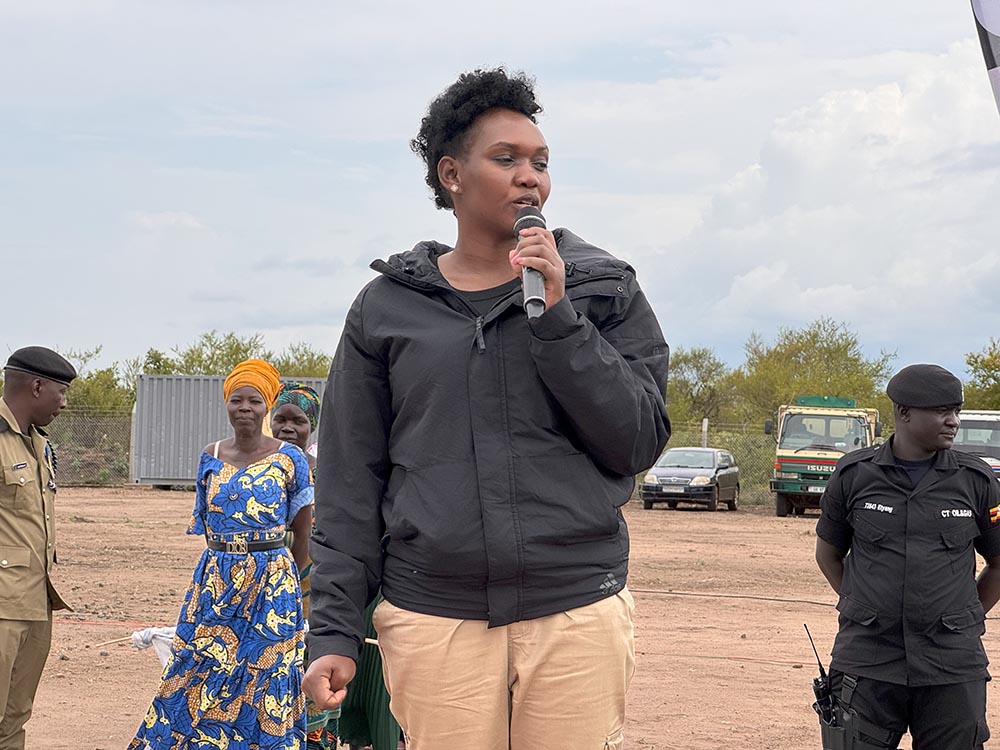
Minister Nyamutoro said the government’s approach was not simply to shut down miners but to encourage them to formalise their operations and benefit from the opportunities available in the sector.
Julius Tusigwire, head of the Police Mineral Protection Unit, said the unit had intensified operations against illegal mining, mineral smuggling, fraud and other offences in the sector.
He said more than 15 illegal mining sites had been closed since the beginning of the year, while expressing concern over deaths occurring at some of the unregulated sites.
“Just last week alone, six people died in these illegal mining centres. We should be careful, and we are going to intensify the crackdown on all illegal mining centres, including those that expose the miners to health risks,” he said.
Nyamutoro said the government’s approach was not simply to shut down miners but to encourage them to formalise their operations and benefit from the opportunities available in the sector.
She said licensed miners could access Government support while also being held accountable for complying with safety, environmental and community obligations.
The minister also said companies operating in communities were expected to contribute to local development through community development agreements.
“We expect Euro Gold to be beneficial to the community, and this should come with developments in healthcare, infrastructure, education and any other activities that they would deem fit depending on the needs of the community,” she said.
Nyamutoro said the government was aware of the challenges but stressed that miners must also take responsibility for following occupational safety requirements.
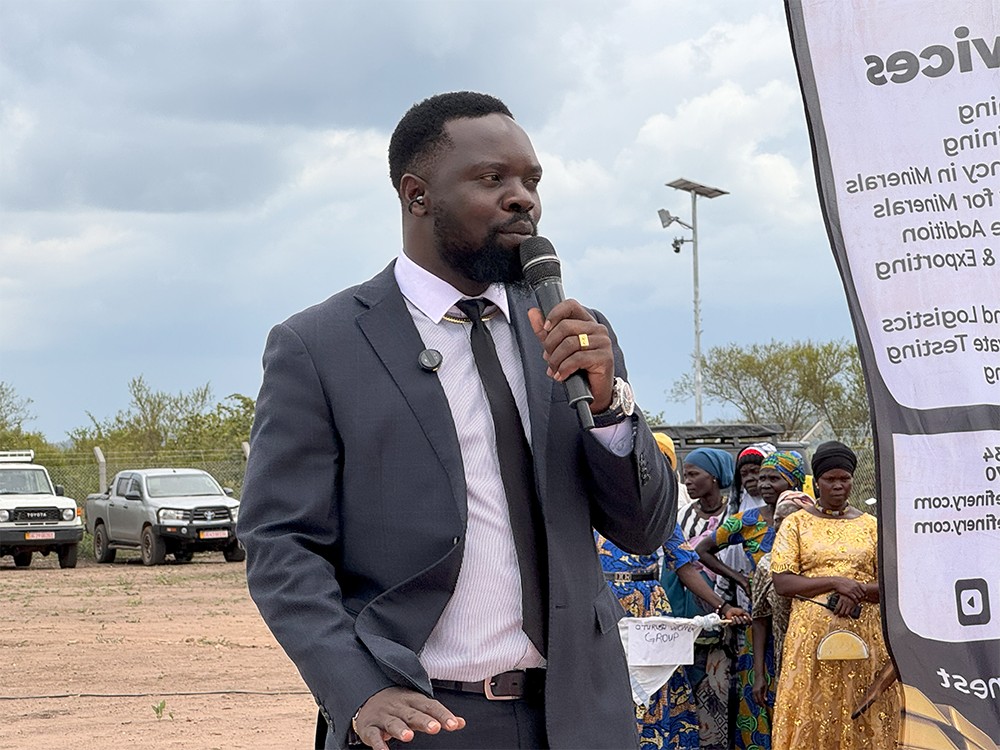
Feni Benard, the CEO of Euro Gold, said the company had chosen Yumbe as its pioneer site because of the existing mining activity in the area and intended to bring miners operating within its licence area under a more organised system.
She urged operators to provide and use personal protective equipment (PPE) and ensure that workers are protected from avoidable occupational hazards.
The Uganda Association of Artisanal and Small-Scale Miners also called for greater protection of workers, including accessible insurance schemes. Kenneth Assimwe, the chief executive officer, urged miners to prioritise safety and keep children out of mining activities.
He said formalisation could help improve working conditions while enabling the Government to better monitor mining activities and protect workers.
Feni Benard, the CEO of Euro Gold, said the company had chosen Yumbe as its pioneer site because of the existing mining activity in the area and intended to bring miners operating within its licence area under a more organised system.
“Over 70% of the workers are locally sourced, and that was one of our agendas when we came on the ground. We said, as we come to you, we shall be able to have the licence, equipment and machines, but we want to work with you together,” Benard said.
He said the company expected the project to eventually produce up to 20 kilogrammes of gold per week.
“We've been on this ground for over two years. We have not just come here to mine; we started with prospecting, exploration and all kinds of surveys, including geochemical, geophysical and drilling, until we were able to attain the capacity of what we can do on the ground,” he said.