
Post-budget reactions on allocation for Health sector in Uganda
Uganda’s health funding remains below the Abuja Declaration target, with limited investment in non-communicable diseases (NCDs) despite their rapid rise and growing demand for prevention, treatment and care services.
Post-budget reactions on allocation for Health sector in Uganda
_______________ Dr Elizabeth Ekirapa, Health Economist. (Courtesy)
A total of sh5.23 trillion has been allocated to the health sector for the financial year 2026/27 out of the national budget of sh84.39 trillion.
The allocation to health is a drop from sh5.87 trillion that was provided in the previous financial year, 2025/26. The funding will focus on improving maternal and child health services, nutrition, expanding immunisation, prevention and treatment of non-communicable diseases, provision of essential medicines, strengthening specialised healthcare services, improving emergency response systems, and exploring feasible pathways towards universal health coverage.
Agnes Kyotalengerire spoke to a number of people, and here is their take on the budget allocations for health.
Health economist at the Makerere University School of Public Health, Dr Elizabeth Ekirapa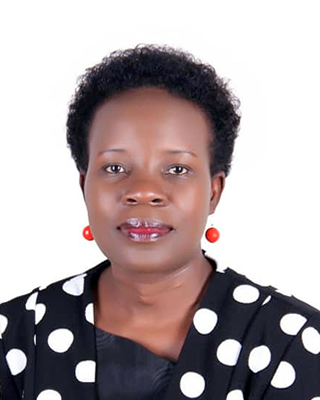
The allocation translates into 6.1% of the budget needed to ensure the population is healthy and productive. The Ministry of Health should focus on using the money efficiently by prioritising investment in expanding preventive care to reduce the high burden of preventable illnesses. The money should also institutionalise health technology assessment to rationalise the introduction of new technologies. The money should strengthen leadership and management capacity to promote evidence-guided planning and implementation using the available funding.
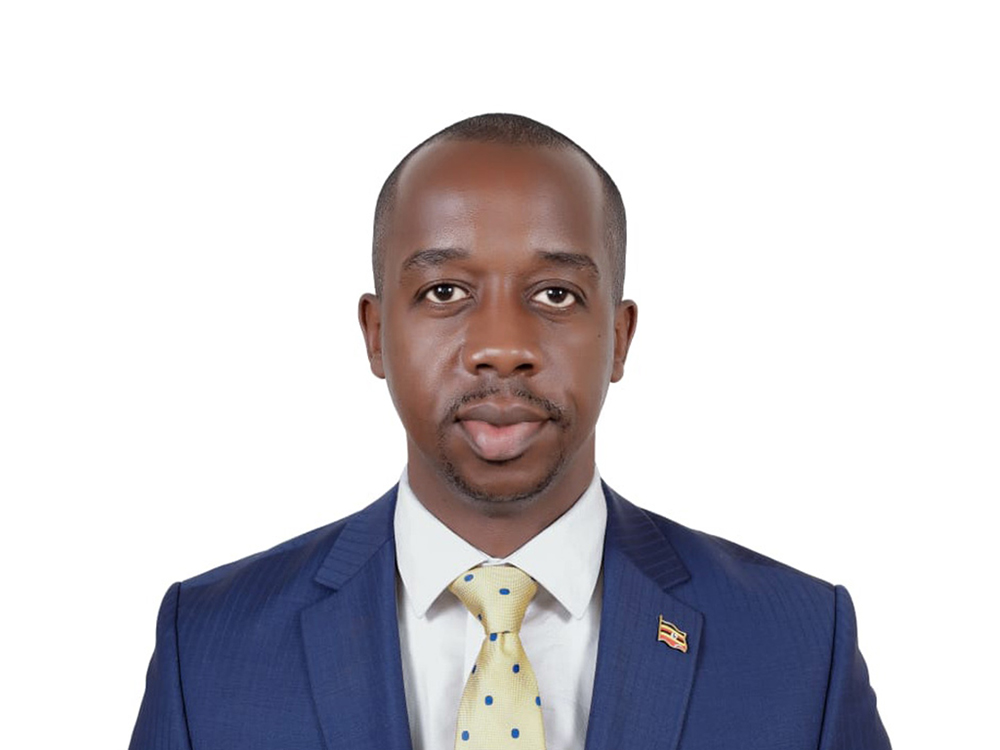
Dr Charles Ayume, State Minister for Health in charge of Primary Health Care. (Courtesy)
I am happy with the health priority areas in the budget. There are global, regional, and local challenges that are affecting the health sector, including global budget cuts and the current Ebola threat, among others. The health sector has remained resilient in the past, even when we had COVID-19. I am confident that even with the sh5.23 trillion, we can deliver health services efficiently. We have to plug wastages in the health sector, like pilferage of medicines and equipment, absenteeism, and encourage health promotion and disease prevention.
Dr Susan Nakireka, President of the East Africa NCD Alliance
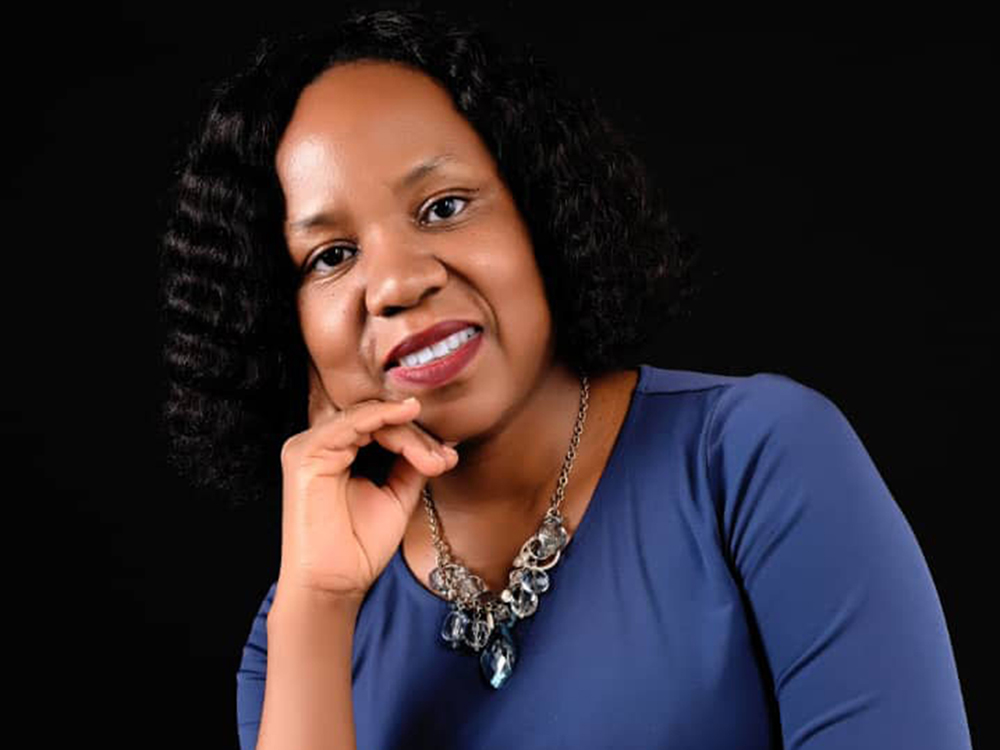
Dr Nakireka Susan Tumwesigye, Specialist Physician at Mengo Hospital. (Courtesy)
The health budget has previously been below the 15% Abuja declaration by African Union states to allocate towards health. And the budget towards non-communicable diseases (NCDs) has even been lower at less than 1%. Yet, NCDs are increasing at a fast rate, requiring large financial investments in screening, health education of the public, training health workers, providing medicines and diagnostics, research and infrastructure, as well as other services.
This reduction in the already small health budget will greatly affect the efforts towards dealing with this rising burden of NCDs. I would recommend that within this budget, NCDS should be prioritised by increasing the percentage allocation. Ultimately, the total health budget should be increased.
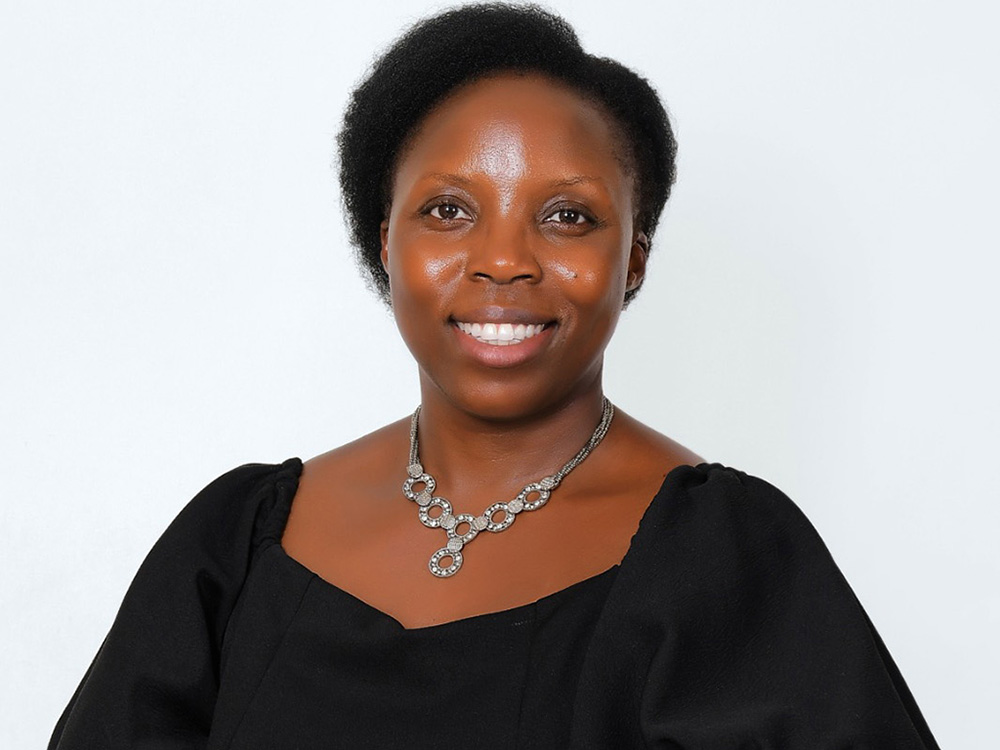
Esther Nasikye, Advocacy Lead at PATH. (Courtesy)
The health sector allocation of sh5.23 trillion demonstrates continued government commitment to health, particularly in maternal and child health, nutrition, immunisation, and essential medicines. However, the reduction from sh5.87 trillion in the previous financial year comes at a time when Uganda is facing declining external donor support and increasing demand for health services.
Whether this investment translates into improved health outcomes will depend not only on the amount allocated but also on how efficiently resources are utilised and whether funds reach frontline service delivery.
Greater attention is needed to primary health care, health worker recruitment and retention, commodity security, and accountability for results.
Uganda should also accelerate domestic resource mobilisation and strengthen citizen engagement. Esther Nasikye, Advocacy Lead at PATH, advancing health advocacy and policy engagement. (Courtesy)
Executive Director of the National Forum of People Living with HIV and AIDS Network Uganda (NAFOPHANU), Flavia Kyomukama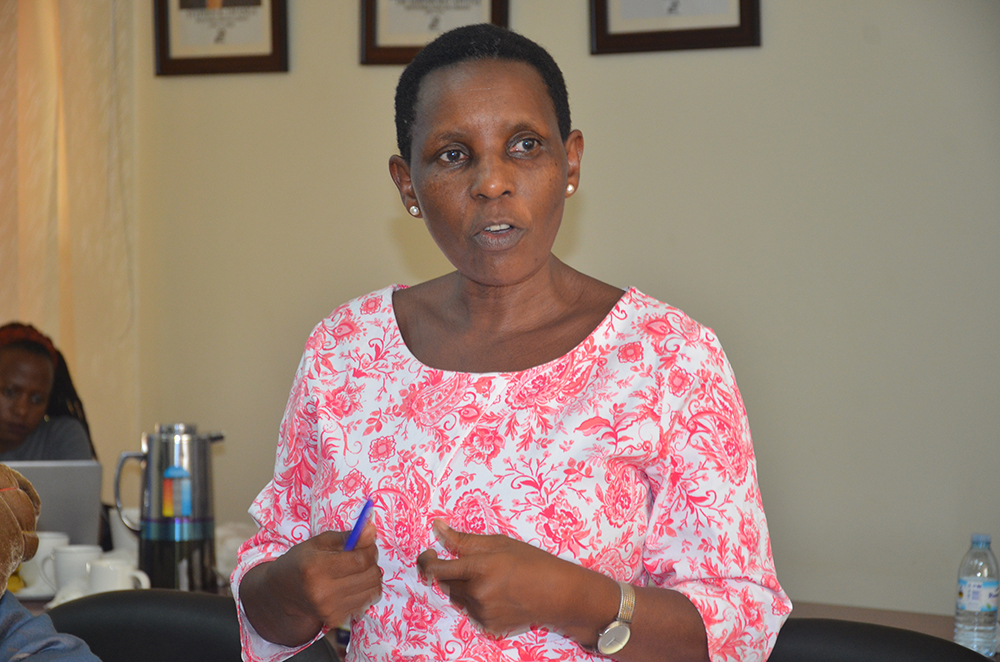
A decline in the budget is a disappointment because it is the time when the country should be strengthening systems by sustaining and scaling up the budget. However, for sustainability, we can't be seen as a country reducing the budget. It is a decline in domestic funding for our own health system. Dependence on external donors and debts does seem to be our constant instead of our past.