
Ex-MP Bagaala turns personal sickle cell journey into national advocacy drive
Bagaala, who officially launched the Rooted Life Foundation, an organisation dedicated to sickle cell advocacy and environmental stewardship, said her journey was inspired by the realities she faced as a mother watching her child battle the genetic blood disorder.
Former Mityana Woman Member of Parliament Joyce Bagaala poses for a group photo with some of the experts and other people that came at the opening of her foundation. (Photo by John Musenze)
_______________
Former Mityana Woman Member of Parliament Joyce Bagaala has transformed years of personal struggle while caring for a child living with sickle cell disease into a national campaign aimed at raising awareness, improving access to care and supporting affected families across Uganda.
Bagaala, who officially launched the Rooted Life Foundation, an organisation dedicated to sickle cell advocacy and environmental stewardship, said her journey was inspired by the realities she faced as a mother watching her child battle the genetic blood disorder.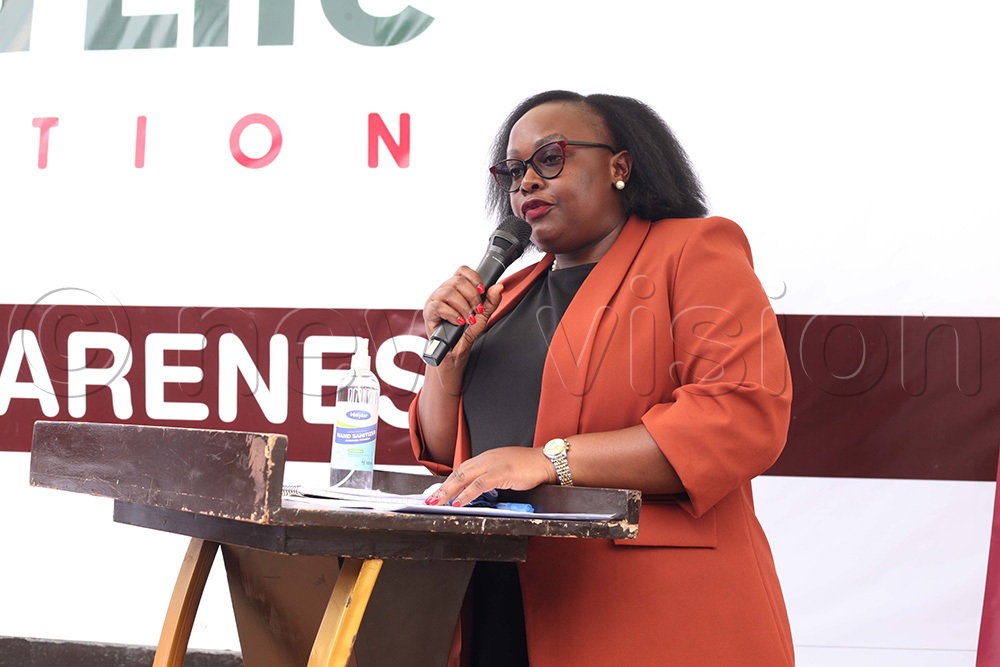
Former Mityana Woman Member of Parliament Joyce Bagaala addressing people during the opening of the Rooted Life Foundation. (Photo by John Musenze)
"I stand here first as a parent. A parent whose life was forever changed by diagnosis. A parent who has watched a child endure pain no child should endure. A parent who has spent anxious nights beside a hospital bed praying for relief, praying for strength and praying for another day without a crisis," she said.
Her emotional testimony highlighted the daily challenges faced by thousands of Ugandan families caring for children with sickle cell disease, a condition that causes red blood cells to become abnormally shaped, leading to severe pain, infections and organ damage.
Through her foundation, Bagaala hopes to increase public awareness about sickle cell disease, encourage genotype screening, support affected families and advocate for improved healthcare services.
The launch comes amid growing concern over Uganda’s sickle cell burden. According to the Ministry of Health, the country is among the five African nations most affected by the disease.
Delivering the keynote address, Dr Henry Ddungu, a consultant haematologist at the Uganda Cancer Institute, described sickle cell disease as one of the country’s most overlooked public health challenges.
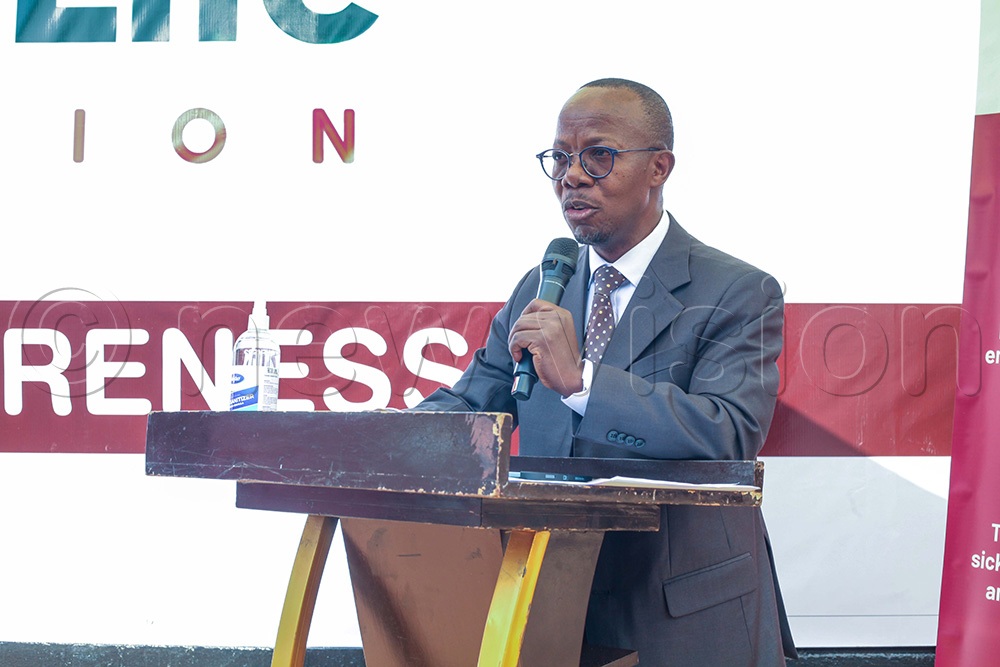
Dr Henry Ddungu, a consultant haematologist at the Uganda Cancer Institute, described sickle cell disease as one of the country's most overlooked public health challenges. (Photo by John Musenze)
He said Uganda records up to 25,000 babies born with sickle cell disease every year, with between 30 and 40 percent dying before their fifth birthday.
"The numbers are sobering. The Uganda Sickle Cell Surveillance Study revealed a sickle cell trait prevalence of 13.3% and a disease prevalence of approximately 1.3%," Ddungu said.
He noted that while awareness has improved in recent years, stigma, delayed diagnosis and inadequate access to specialised care continue to affect many patients and families.
Beyond health advocacy, Bagaala’s foundation will also focus on environmental conservation, a link health experts say is increasingly important. Ddungu noted that environmental factors such as poor air quality, dehydration and extreme weather conditions can trigger painful sickle cell crises.
"Healthy people and healthy environments are interconnected. Climate change is not a distant threat. It is a present reality that worsens health outcomes for vulnerable populations," he said.
Dr Richard Kabanda, commissioner for health promotion and education, said Uganda carries one of the highest sickle cell burdens on the continent, with an estimated 13 to 15% of the population carrying the sickle cell trait.
He noted that many Ugandans remain unaware of their genetic status until they have a child diagnosed with the disease.
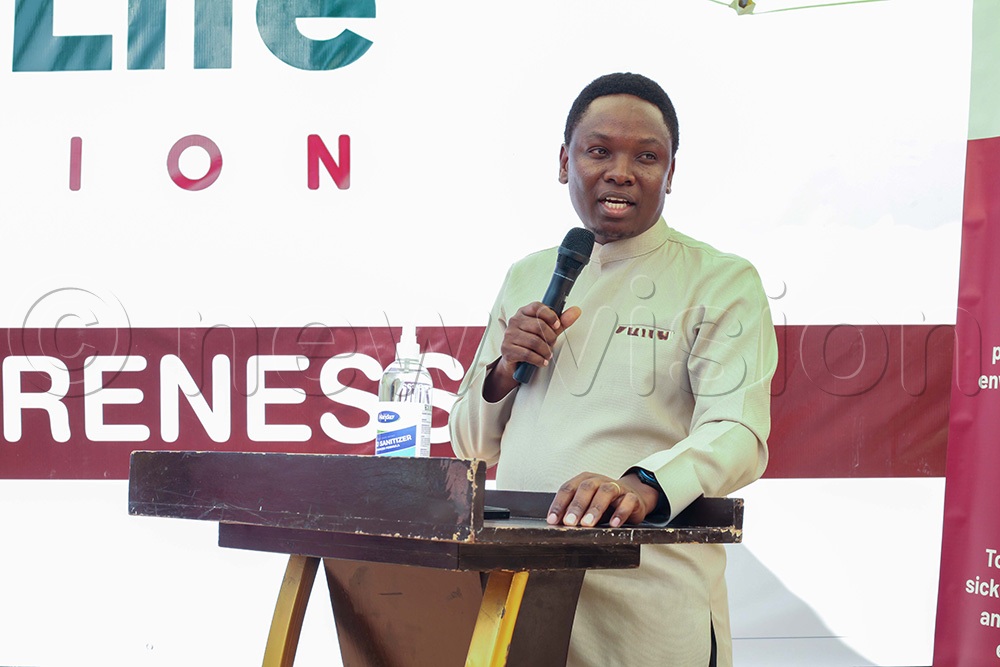
Dr Richard Kabanda, Commissioner for Health Promotion and Education, said Uganda carries one of the highest sickle cell burdens on the continent, with an estimated 13 to 15% of the population carrying the sickle cell. (Photo by John Musenze)
"Awareness remains one of our biggest challenges. Many people only learn about sickle cell after having children, yet early testing and screening can help families make informed decisions," Kabanda said.
Kabanda said government had introduced newborn screening programmes and expanded specialised sickle cell services at regional referral hospitals, but acknowledged that gaps remain in healthcare infrastructure and specialist care.