
Uganda boosts refugee-host community cooperation and dialogue
Isingiro alone hosts more than 230,000 refugees in Nakivale and Oruchinga settlements, making it one of the largest refugee-hosting areas in East Africa.
Refugee leaders appealed for greater investment in health workers, school infrastructure, ambulances, irrigation, and markets.
ISINGIRO - The Office of the Prime Minister, in partnership with the Ministry of Local Government, has renewed efforts to improve service delivery, inclusion, and peaceful coexistence in Uganda’s refugee-hosting districts of southwestern Uganda.
Through the 2026 Refugee Engagement Forum and District Engagement Forum (REF-DEF), government held a community interface in Isingiro District on Friday.
The four districts involved in the project are: Kyegegwa, Kiryandongo, Kikuube, and Kamwenge.
DEF's main objective (DEF) includes: Bridging the Communication Gap: Connecting grassroots refugee voices directly to district planners, ministries, and national decision-makers to ensure refugee needs are met.
Uganda hosts over 2 million refugees, the highest number in Africa.
The interface brought together refugee leaders, district officials, government ministries and agencies, and development partners to promote dialogue, enhance refugee participation in decision-making, and strengthen collaboration between refugees and host communities.
Discussions focused on joint implementation of Uganda’s pledges from the 2023 Global Refugee Forum, with emphasis on environmental protection, climate change, energy, and localisation as foundations for long-term harmony.
Officials clarified that the interface does not merge DEF and REF platforms but creates a space for both to address shared issues while maintaining separate mandates and quarterly meetings.
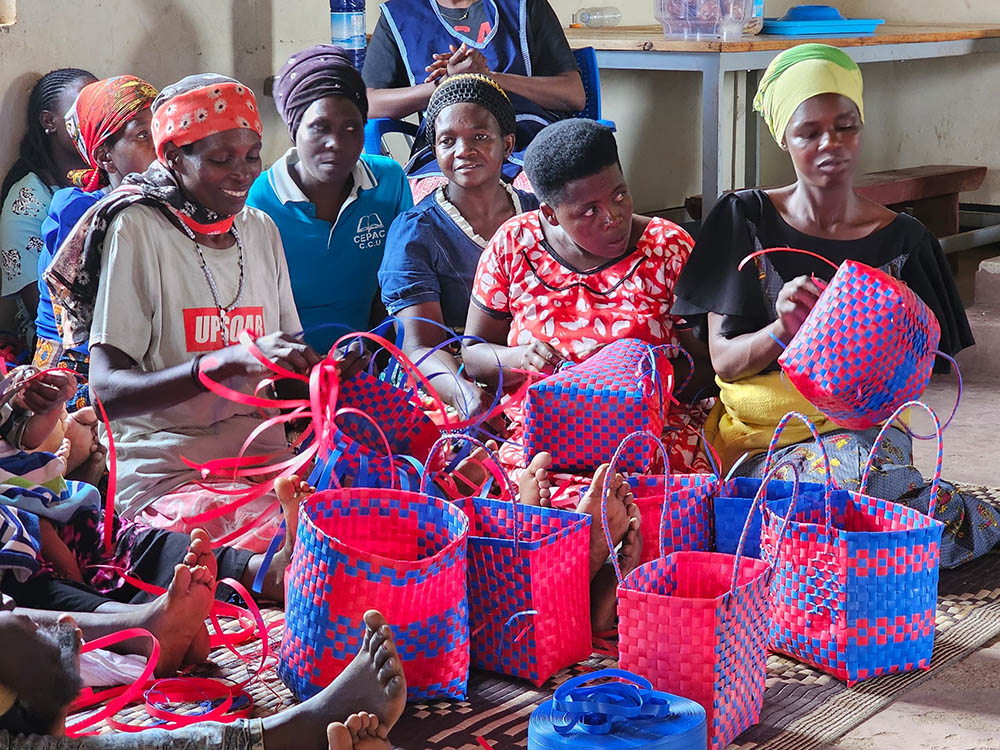
Discussions focused on joint implementation of Uganda’s pledges from the 2023 Global Refugee Forum, with emphasis on environmental protection, climate change, energy, and localisation as foundations for long-term harmony.
Senior Inspector Magambo Willy of the Ministry of Local Government stressed the need for stronger coordination. “The Ministry is committed to ensuring services reach those who need them most while promoting harmony and self-reliance,” he said.
Director of the CRRF Secretariat Helen Bugaari encouraged community-driven initiatives such as block farming and youth exchange visits between settlements to boost food security, skills sharing, and planning.
UNHCR Head of Sub-Office Mbarara, Roger Hollo, noted that collaboration builds resilience for both refugees and host communities. “When they work together, we create stronger and more stable communities for everyone,” he said.
Refugee leaders appealed for greater investment in health workers, school infrastructure, ambulances, irrigation, and markets.
Nakivale Settlement RWC III Chairperson Mushumba Denius also raised concerns over illegal sand quarrying in Oruchinga Settlement, warning that it has led to fatal mine collapses.
District leaders were urged to strengthen enforcement to protect lives and the environment.