
Sh185b youth empowerment programme launched in underserved sub-regions
Håkansson said adolescents today face increasing pressure from peers, social media and harsh socio-economic conditions, adding that empowering girls, engaging boys and keeping young people in school would play a key role in addressing teenage pregnancy.
Speaking during the launch, Sweden’s Ambassador to Uganda, Maria Håkansson, said access to comprehensive sexuality education and accurate information is critical in helping young people make informed decisions and reducing teenage pregnancies. (Credit: Sharon Nabasirye)
KAMPALA - The Government, through the Ministry of Health, and development partners have launched a sh185 billion ($50 million) programme aimed at strengthening adolescent and youth empowerment, protection and access to sexual and reproductive health services in five underserved sub-regions across the country.
The initiative is dubbed Strengthening Adolescents and Youth Rights and Empowerment (SAY Plus+).
This programme was first initiated in 2024 as a smaller-scale intervention led by UNFPA as SAY programme, primarily focusing on selected districts in the West Nile sub-region.
At the time, it functioned as a pilot effort aimed at strengthening adolescent and youth sexual and reproductive health services in a limited geographical scope.
The latest launch marks a transition into a second phase of the programme, following the entry of additional development partners, including the governments of Sweden, Iceland, the Netherlands and Denmark.
The programme will run until 2030.
The launch happened on Thursday (May 7) at Makerere University under the theme 'My Voice Matters: Youth Voices for SAY Plus+'.
It targets young people aged between 10 and 24 years, particularly girls and young women, refugees, out-of-school youth, persons with disabilities and those living in humanitarian and post-conflict settings.
The programme is backed by pooled funding from the governments of Sweden, Denmark, Iceland and the Netherlands in partnership with the United Nations Population Fund (UNFPA) Uganda and the Ministry of Health.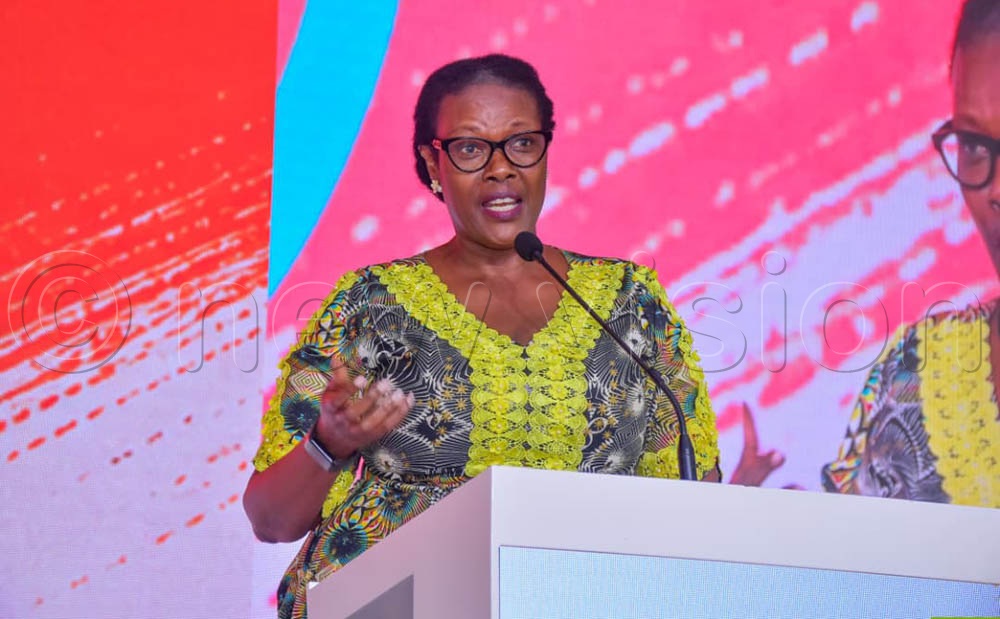
State Minister for Primary Health Care Margaret Muhanga who officiated the launch said although Uganda had registered progress in maternal health, adolescent pregnancy remained unacceptably high at 24% national. (Credit: Sharon Nabasirye)
According to the health ministry, the programme will be implemented in 13 districts across Acholi, West Nile, Karamoja, Bukedi and Busoga sub-regions, while also strengthening services at regional referral hospitals in Jinja, Mbale, Moroto, Yumbe, Arua and Gulu.
'Youth are the present'
Speaking during the launch, Sweden’s Ambassador to Uganda, Maria Håkansson, said access to comprehensive sexuality education and accurate information is critical in helping young people make informed decisions and reducing teenage pregnancies.
She said "the more informed young people are, the later they actually get sexually active, and when they do, it is by choice".
Håkansson said adolescents today face increasing pressure from peers, social media and harsh socio-economic conditions, adding that empowering girls, engaging boys and keeping young people in school would play a key role in addressing teenage pregnancy.
Denmark’s Ambassador to Uganda, Signe Winding Albjerg, described young people as central to Uganda’s present and future development, saying the programme builds on lessons from previous interventions implemented in refugee-hosting districts in West Nile and Acholi.
“Youth are not the future of Uganda. Youth are very much the present of Uganda that’s why this program is at the right time,” she said.
Albjerg added that earlier interventions had shown positive results through mentorship and role model programmes that encouraged responsible behaviour and positive masculinity among boys and young men.
Representing the Ministry of Health, Dr Charles Olaro said many young people remain vulnerable because they often lack access to services and underestimate risks linked to sexual and reproductive health decisions.
“We need to empower young people because they are exposed to many vulnerabilities. Sometimes they do not perceive risk the way others do, and a single decision can affect their entire future."
Olaro called on schools and institutions of learning to become active partners in promoting youth empowerment and reproductive health awareness.
State Minister for Primary Health Care Margaret Muhanga, who officiated the launch, said although Uganda had registered progress in maternal health, adolescent pregnancy remained unacceptably high at 24% nationally.
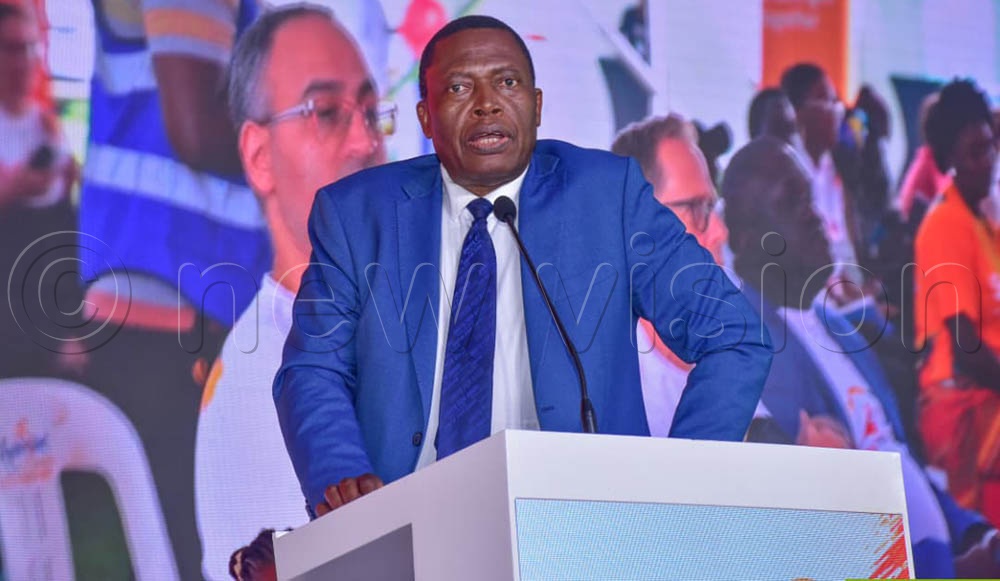
Prof. Charles Olaro said many young people remain vulnerable because they often lack access to services and underestimate risks linked to sexual and reproductive health decisions. (Credit: Sharon Nabasirye)
“You cannot blame anybody for it, but the biggest blame goes to us parents,” she said, urging families to play a greater role in guiding young people.
Muhanga emphasised that the SAY Plus+ initiative must strengthen existing government systems and avoid becoming another short-lived donor-funded project.
“We have passed the era of pilot projects that disappear when funding ends. We need sustainability. The people you train must train others for continuity."
Under the programme, more than 2.3 million direct and indirect beneficiaries are expected to benefit through three major pillars, including empowering young people to make informed choices, engaging communities to challenge harmful social norms, and strengthening youth-responsive sexual and reproductive health, HIV and gender-based violence services.
UNFPA Uganda Representative Kristine Blokhus said the programme marks a shift from fragmented interventions to a coordinated national effort that places young people at the centre of programme design and delivery.
“The choice of these regions is based on the data on ground, you will find that in all these regions, you will find that the young and adolescents are facing these challenges.”
Young people who attended the launch welcomed the initiative, saying it gives them an opportunity to shape solutions affecting their lives.
“For many of us, programmes are designed without listening to what we go through every day. SAY Plus+ feels different because it starts with our voices. We have seen a big impact where the pilot program has been; that's why we have scaled it up,” said Jovia Dranzoa.
She noted that this launch showed that there are tangible and visible positive impacts across areas where it has been implemented since 2023, and that’s why they are planning to continue working closely and directly with government and all stakeholders, including the young people, to make sure its fruits and impacts are sustainable even beyond 2030.
This expanded partnership will enable the programme to scale up significantly from a pilot to a broader national intervention now covering 13 districts across five sub-regions.
The shift signals not only increased funding and coordination but also a wider geographical reach and strengthened government-led implementation across Uganda’s underserved regions.