
Museveni urges military strategies to evolve beyond conventional war
“You are the ones to plan for the continent. I'm very happy to meet you,” Museveni told the military leaders.
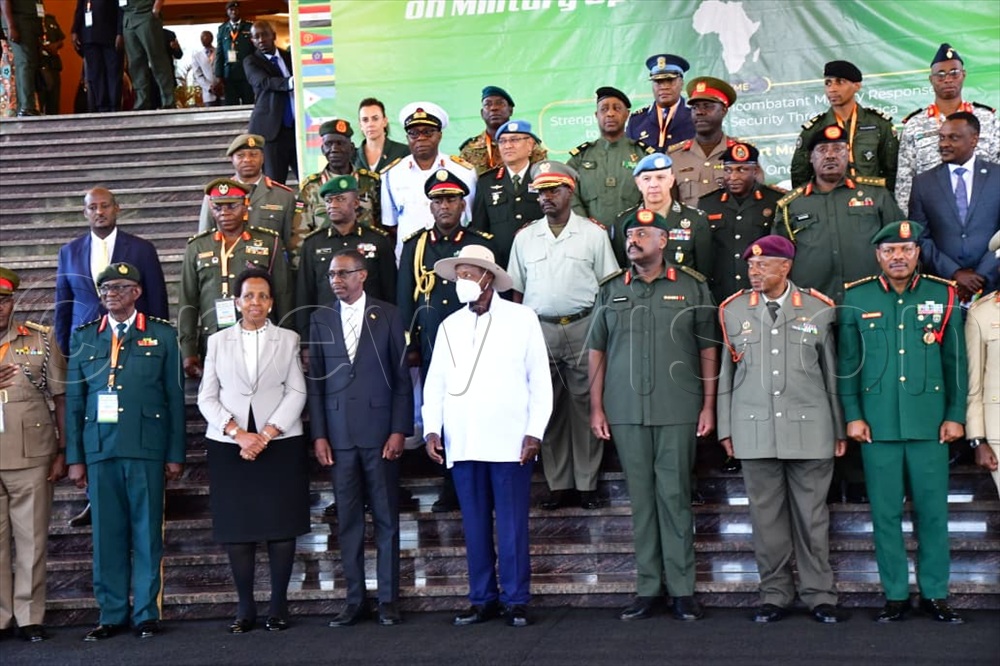
President Yoweri Museveni arriving at Speke Resort Munyonyo in Kampala on Thursday, October 8, 2026 for the African Defence Chiefs Conference. (Photos by Mpalanyi Ssentongo)
________________
President Yoweri Museveni has told African defence leaders that responsibility extends beyond preparing for conventional military confrontations.
According to Museveni, they should understand the economic, political and geographical factors that can strengthen or undermine national security.
“You are the ones to plan for the continent. I'm very happy to meet you,” Museveni told the military leaders.
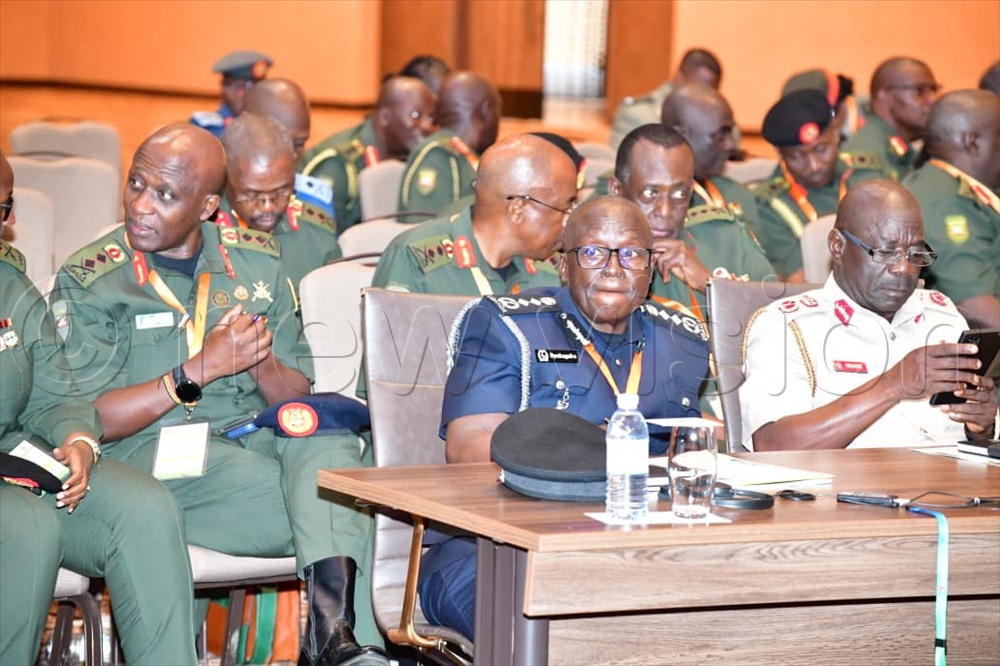
He made the remarks while addressing the African Defence Chiefs Conference at Speke Resort Munyonyo in Kampala on Thursday, October 8, 2026.
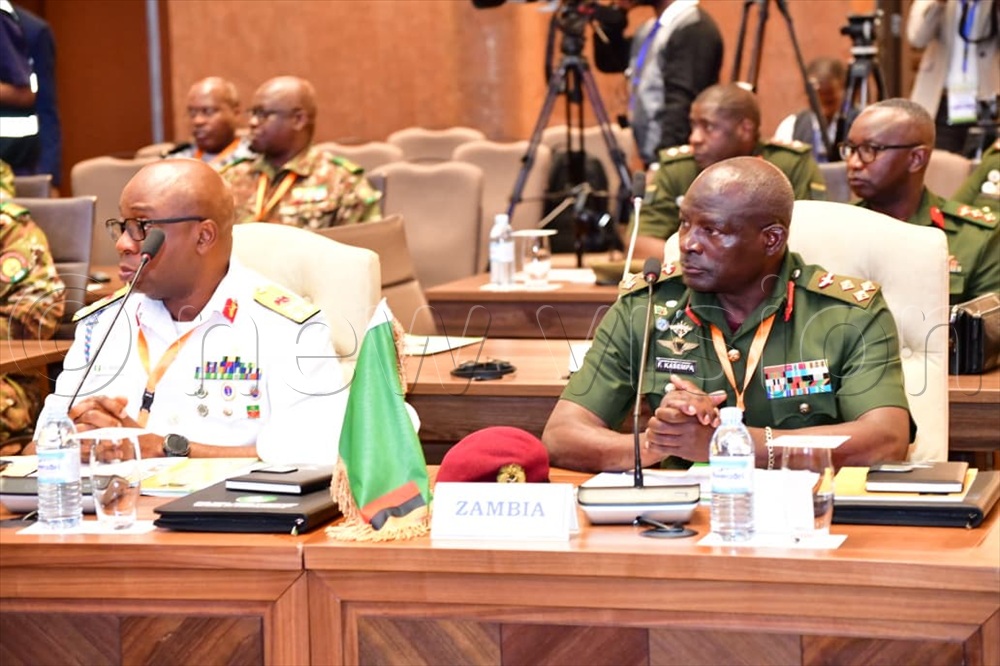
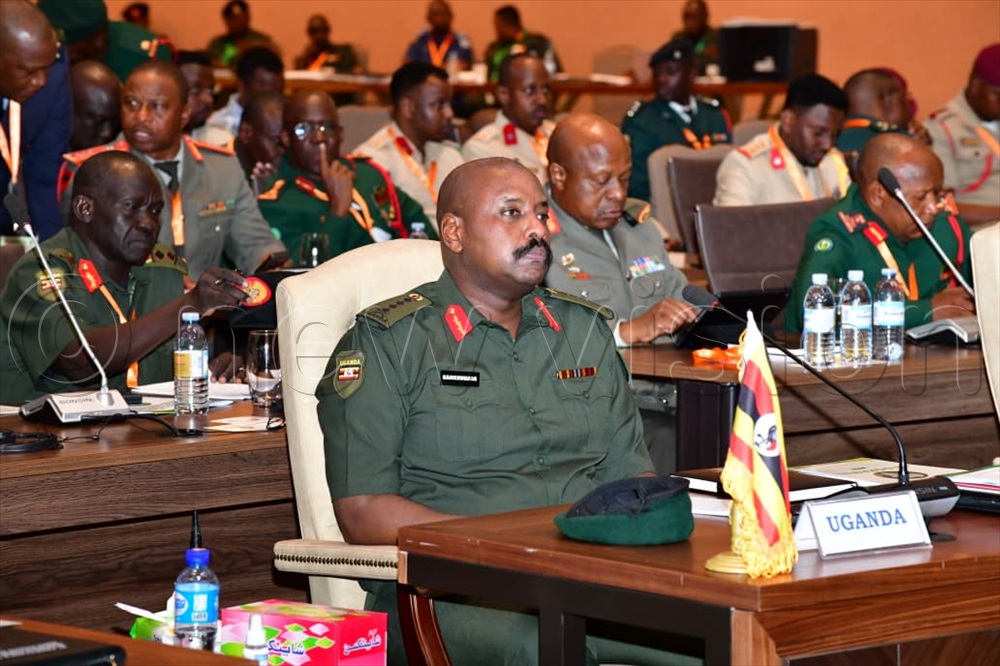
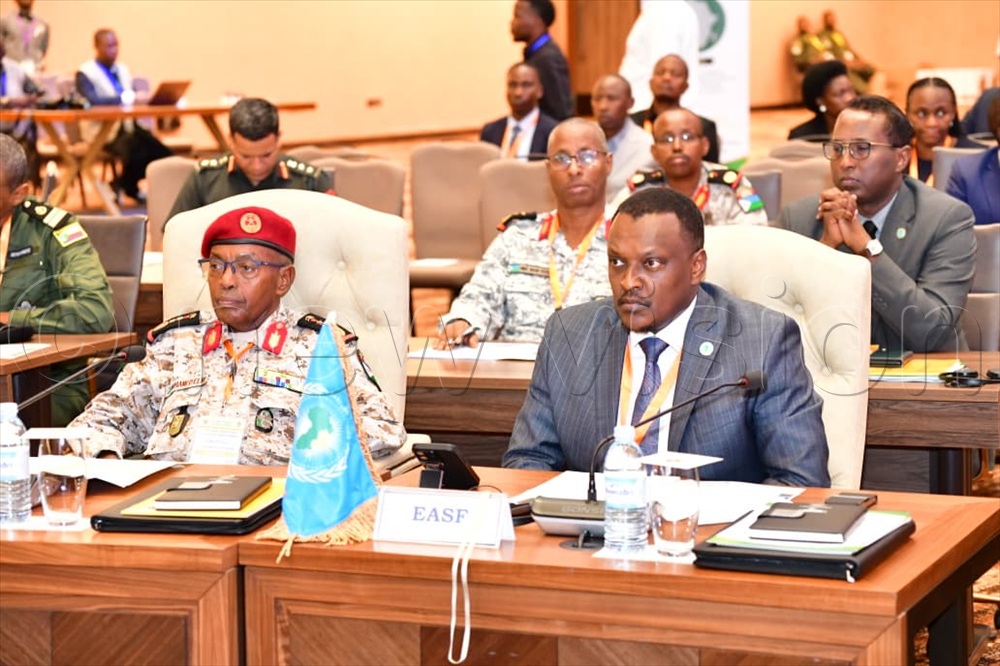
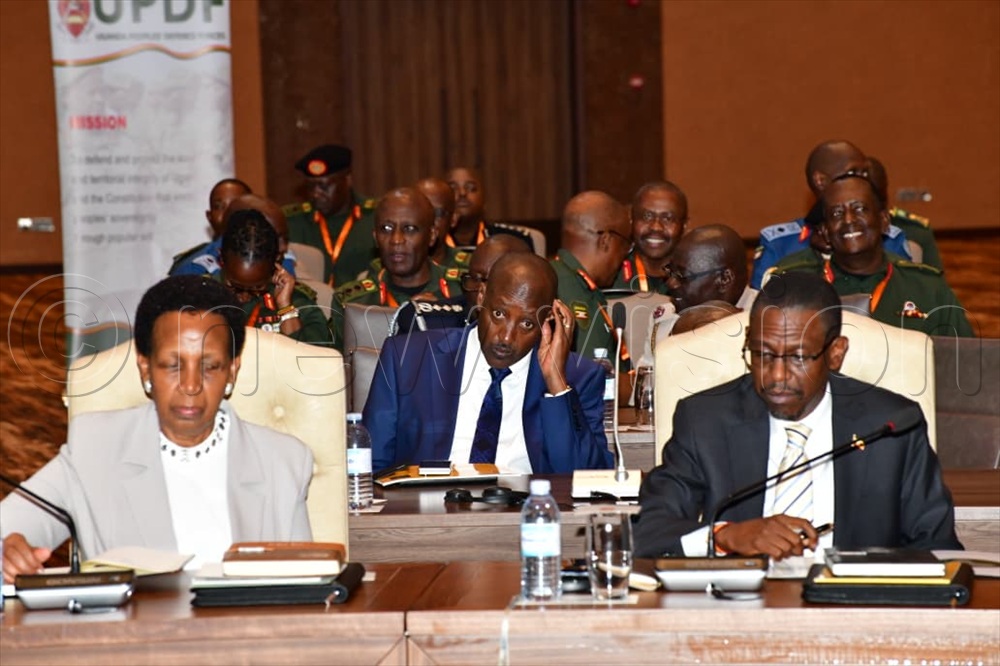
The four-day (October 5-8) conference on Military Operations Other Than War (MOOTW) hosted by Chief of Defence Forces (CDF) Gen Muhoozi Kainerugaba attracted military delegations from over 18 countries.
Museveni argued that economic prosperity should transcend tribal and religious identities, saying Ugandans depend on one another as consumers and producers regardless of their ethnic backgrounds.
Museveni said the relationship between markets, wealth creation and national unity was central to understanding military operations other than war.
He used his own experience as a cattle keeper to illustrate why economic interests can be more powerful than tribal identity.
Museveni said he would like people to buy the products he produces, including milk, beef and bananas, because such purchases contribute directly to his prosperity.
“What I want from anybody is people to buy my milk, buy my beef, buy my bananas. When they do that, they are my friends. They help me to get out of poverty. They support my prosperity,” Museveni said.
However, he said members of his own tribe may not necessarily be his best customers because they often produce the same commodities.
“The people of my tribe don't buy my milk. They don't buy my beef. They don't buy my bananas. Why? Because they have the same,” Museveni said.
He explained that if both producers have cattle, bananas and other similar products, they have little reason to purchase those same products from each other.
As a result, Museveni said, people from other parts of Uganda become important to the prosperity of producers because they consume products that they do not themselves produce.
“Who are the people who save me from poverty? The people in other parts of Uganda who are not my tribe, who don't have cows.”
He said consumers from other communities buy his milk, beef and bananas, creating the market that enables him to generate income.
This, he argued, demonstrates why national identity and economic integration are more important to prosperity than narrow tribal interests.
“Uganda is very important, more important than my tribe. My tribe is good, but Uganda is better. My prosperity is dependent on the pocket of the Ugandans who buy my products,” Museveni said.
He then connected this economic argument to the ideology that guided the National Resistance Army (NRA), which later became the Uganda People's Defence Forces (UPDF).
Museveni said the discussion was particularly relevant because he had been invited to speak about military operations other than war. In his view, one of the most important operations outside conventional warfare is creating the ideological and economic conditions necessary for national unity and prosperity.
He said the NRA's first ideological principle was patriotism. “Our ideological principle number one is patriotism. Love Uganda. Love the fatherland.”
Museveni said patriotism should not be limited to one's country or community but should be extended to neighbouring countries.
He explained that countries and their populations depend on one another economically, making cooperation essential for prosperity and security.
According to Museveni, this economic interdependence is one reason he rejects sectarian mobilisation based on tribe or religion.
He cited conflicts involving religious identities, including divisions between Muslims and Christians and between Shia and Sunni communities, arguing that fighting on the basis of such identities represents ideological failure.
“This is ideological bankruptcy. It is false. They are fighting false causes,” Museveni said.
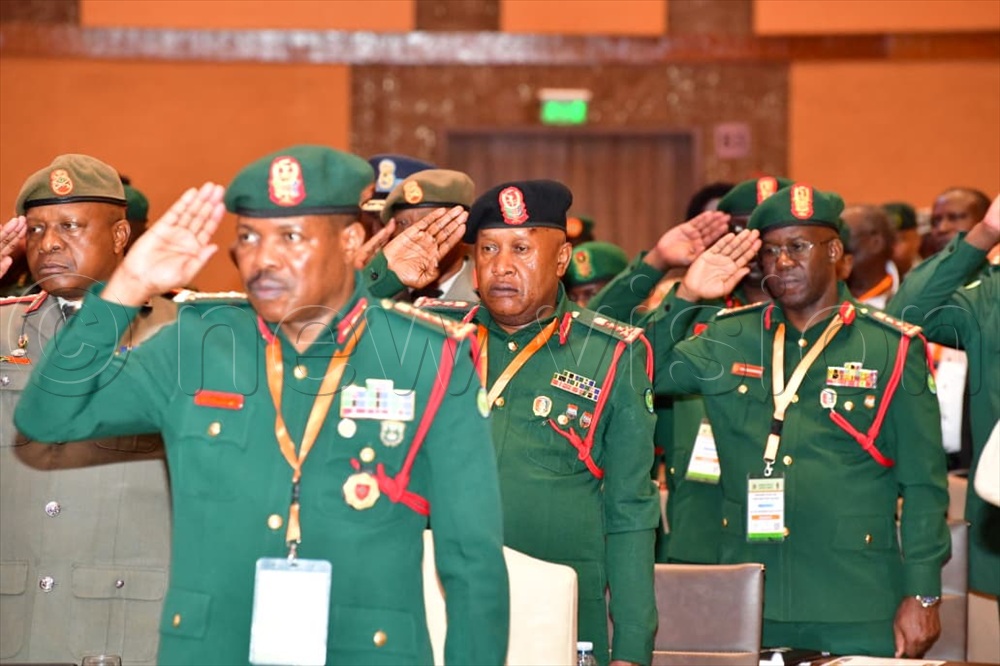
He said the NRA's experience in the bush reinforced the importance of patriotism as the foundation of its ideology.
The principle, he said, was to love Uganda because the country offers greater opportunities and benefits to its citizens than narrower tribal identities can provide.
“Love Uganda because Uganda is more useful to the people than the tribes.”
Museveni then moved from the question of national identity to the issue of markets.
He said that after Uganda achieved greater stability and people began producing more goods, the country discovered that its domestic market was too small to absorb all the products being generated.
He referred to the growing demand for commodities such as sugar and milk, as well as industrial products, to illustrate the problem.
According to Museveni, once Uganda began increasing production, the limitations of the domestic market became apparent.
“Very soon we found the internal market was not enough,” Museveni said, adding that the same problem applies to other African countries.
Museveni argued that African states cannot achieve sustained modernisation if each relies exclusively on its own domestic market.
“These African countries cannot modernise all these countries depending on the internal market. The internal market is not big enough.”
He used China and India to demonstrate his argument. China, despite having a population of about 1.4 billion people, he said, continues to seek markets outside its borders. India, with a similarly large population, he noted, also seeks external markets for its products.
“Why would China, with 1.4 billion people, be looking for markets outside?”
Museveni criticised what he described as Africa's failure to adequately address the question of market size despite the continent's numerous relatively small national economies.
He said African leaders and policymakers should recognise that national economies need access to widen regional and international markets if they are to industrialise, create wealth and modernise.
Museveni's broader argument was that economic interdependence can reinforce national unity and challenge the logic of tribalism and sectarianism.
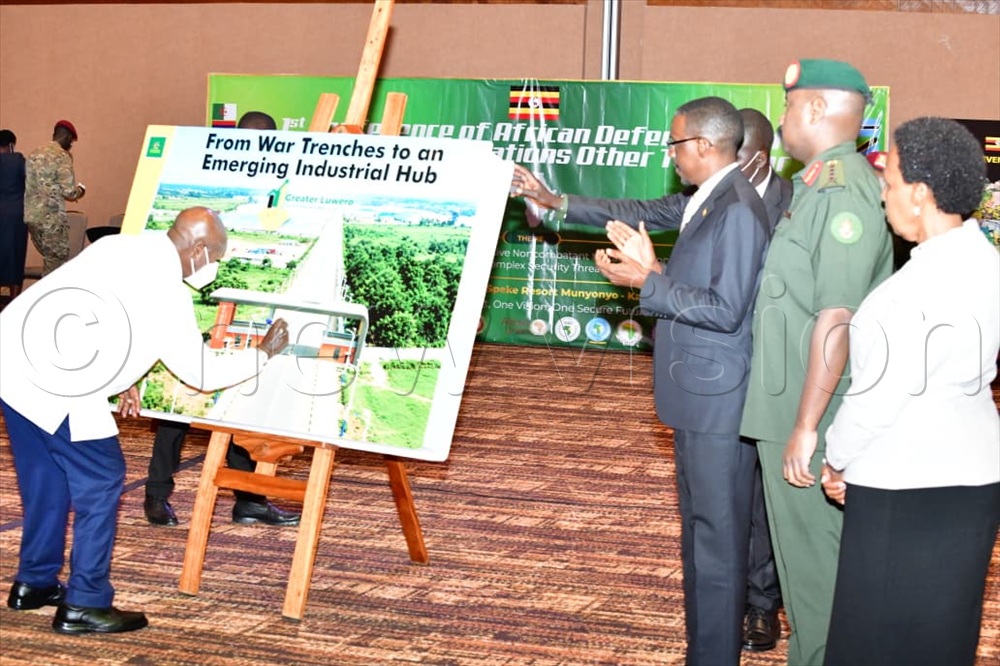
For Museveni, this economic reality strengthens the case for patriotism, regional cooperation and wider African integration.
He told the military leaders that these questions should be considered as part of the broader concept of operations other than war because national security is not determined solely by military capabilities.