
Why Uganda’s border markets remain closed despite end of Ebola declaration
Baryomunsi said the decision was driven by the continued risk of Ebola cases crossing into Uganda from its eastern neighbour.
Health Minister Dr Chris Baryomunsi addressing legislators on Wednesday (August 12). (Credit: Maria Wamala)
__________________
Uganda's health minister has explained the decision to keep markets and large gatherings closed in communities bordering the Democratic Republic of Congo even after authorities declared Uganda free of Ebola in late July.
Dr Chris Baryomunsi said the decision was driven by the continued risk of Ebola cases crossing into Uganda from its eastern neighbour.
Uganda's latest Ebola outbreak in mid-May stemmed from imported cases — from DRC.
The East African nation registered a total of 20 confirmed Ebola cases, of whom 18 recovered and two died.
Fifteen of the confirmed cases were imported from DRC while five were Ugandan nationals who got infected while caring for the imported cases.
Across the border, more than 2,000 people have died of Ebola in DRC as the virus continues to spread.
As of this week, more than 4,300 Ebola cases have been confirmed across the Central African nation.
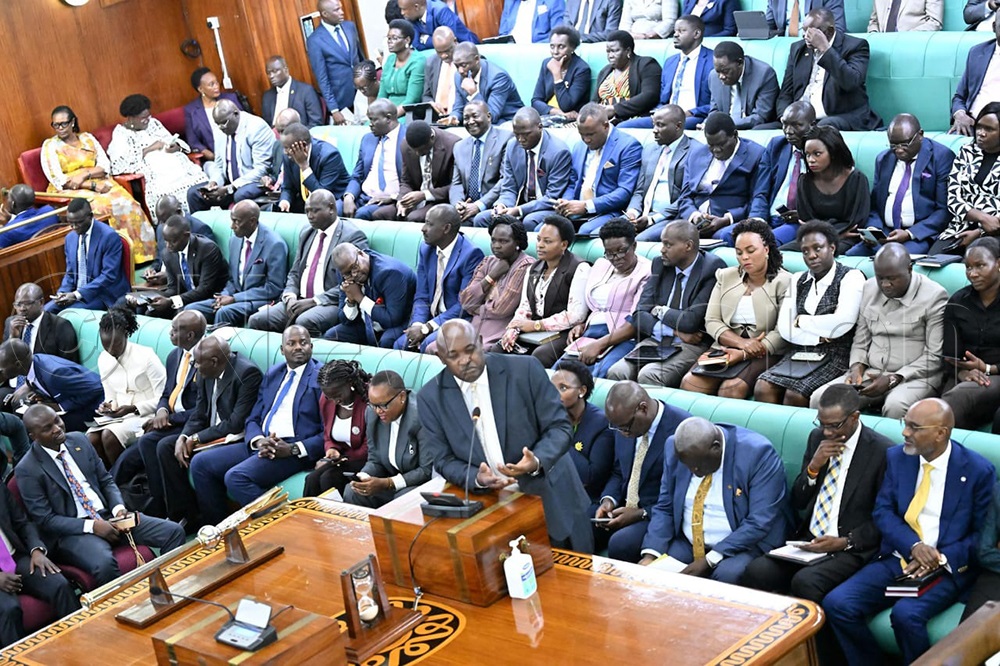
Health Minister Dr Chris Baryomunsi addressing legislators on Wednesday (August 12). (Credit: Maria Wamala)
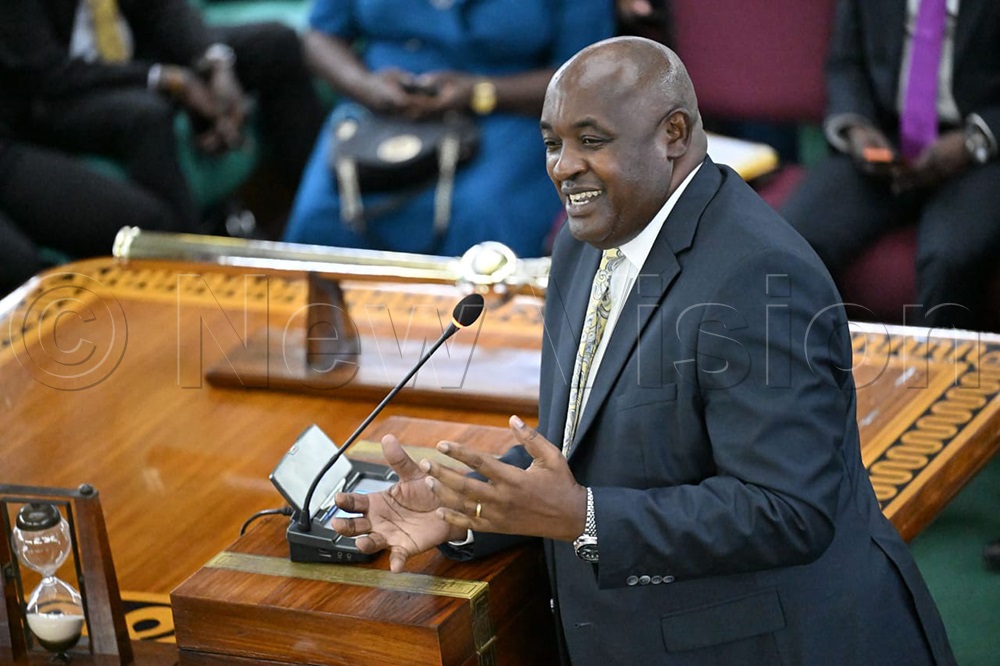
Health Minister Dr Chris Baryomunsi. (Credit: Maria Wamala)
As authorities there continue to work to curb the deadly virus, Uganda remains guarded, with health minister Baryomunsi telling legislators on Wednesday (August 12) that the threat has not disappeared despite the July 28 declaration of an end to Ebola in Uganda.
Arua City Woman Representative Maureen Osoru had raised concerns over the continued closure of border markets, claiming that the markets on the Congolese side remain operational.
She said the restrictions were affecting communities whose livelihoods depend heavily on cross-border trade and asked the government to clarify its plans for reopening the markets.
On his part, Baryomunsi said the presidents of the two neighbours had been in contact and had directed their respective health authorities to strengthen cross-border measures to prevent further transmission.
Uganda has since bolstered surveillance and health services in border areas, including Aruu, Kasenyi, Mahagi and Kasindi, where health workers were deployed to monitor and respond to possible cases.
“We are seeing that the infection rates are quickly approaching the borders of Uganda."
It is the main reason the government retained restrictions on border markets and large gatherings, particularly in communities most exposed to cross-border movements.
The health minister admitted the restrictions were causing economic difficulties for border communities but defended them as necessary preventive measures.
“I know it is hurting our people, but next week we are meeting as the task force to review the measures.
“I want to appeal to the communities near the border that it is in good faith and for the sake of preventing potential cases of Ebola entering into Uganda."
Ebola, a viral haemorrhagic disease, can cause fever, vomiting, diarrhoea and internal bleeding.
It spreads through direct contact with the bodily fluids of infected people or who have died from it.
The latest strain in the DRC is Bundibugyo, which is the rarest of the four variants of Ebola known to affect humans and currently has no approved vaccines or treatments.