
Why teenagers need to update their NIRA records
Children can have their details captured in the national register through school registration, but national identity cards are issued to eligible citizens from the age of 16.
The expo is also highlighting changes in how NIRA intends to verify people's identities when they seek services. ( (Credit: Ponsiano Nsimbi)
KAMPALA - When John Bosco Musisi brought his 18-year-old son to the My Identity Expo at Kololo Ceremonial Grounds, he was not starting the national identification process from scratch.
His son had been registered through school as a child, but the family says they never received his national identity card, leaving the teenager without a document to prove his identity.
“We registered him from school, but they never brought back the IDs, so I am here to redo it now,” said Musisi, who is from Mbuya-Kinawataka.
Musisi's experience reflects an issue National Identification and Registration Authority (NIRA) executive director, Rosemary Kisembo, sought to clarify on the second day of the three-day My Identity Expo and Symposium 2026.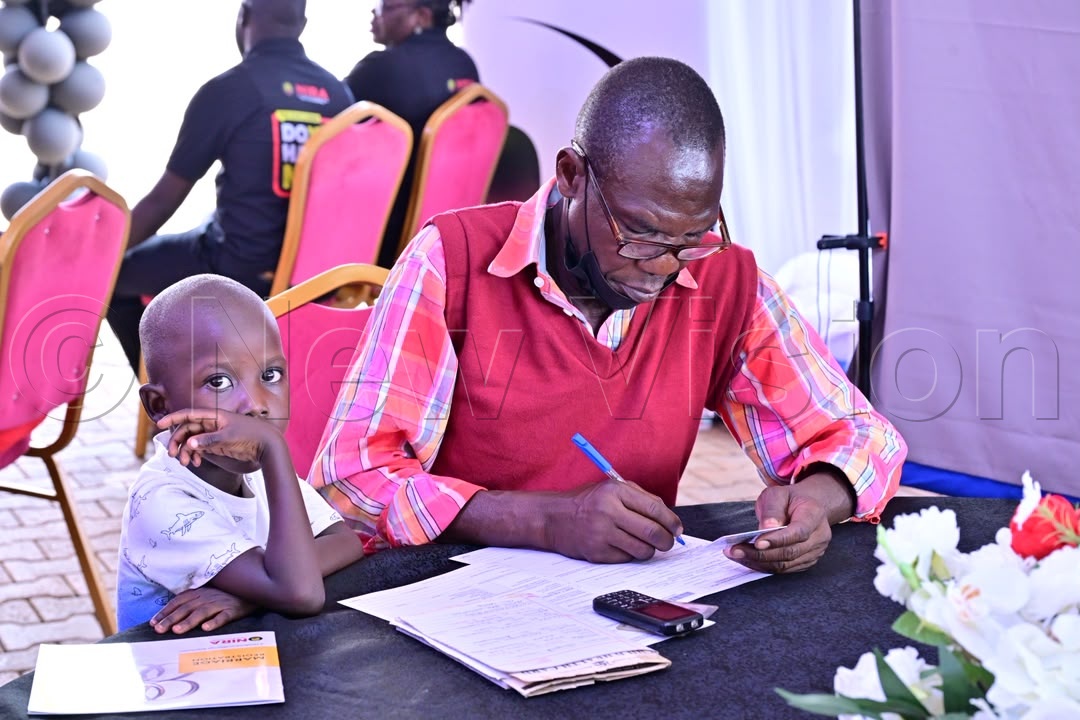
Kisembo explained that being registered as a child does not automatically mean that one has been issued a national identity card. (All Photos by Ponsiano Nsimbi & Miriam Namutebi)
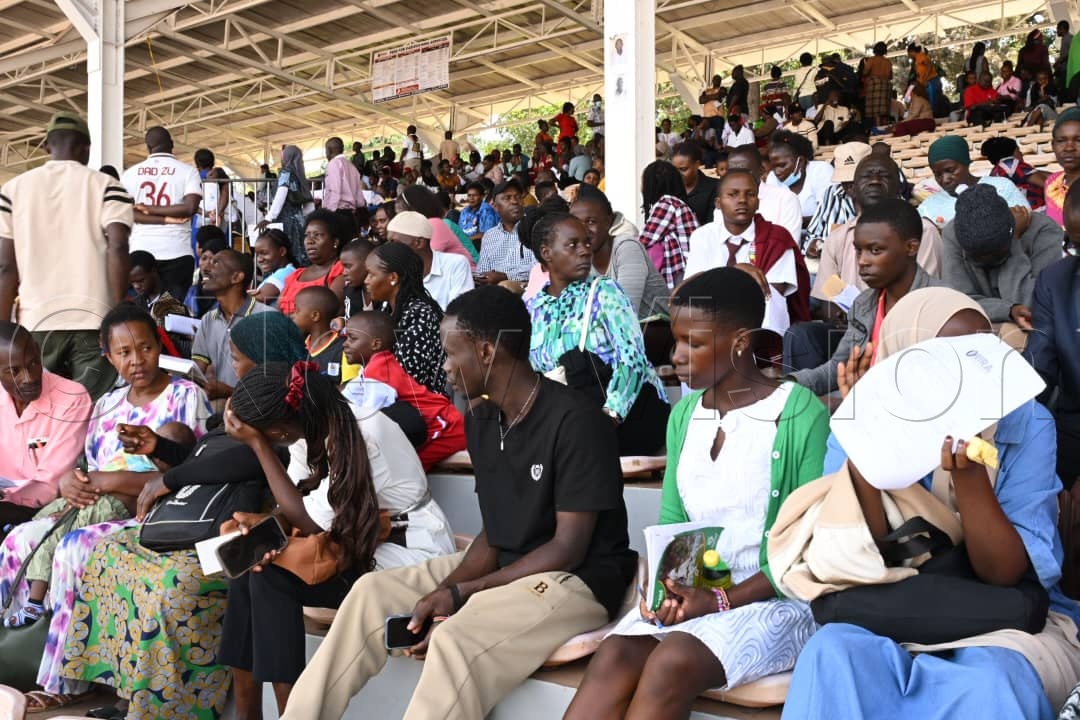
Kisembo explained that being registered as a child does not automatically mean that one has been issued a national identity card.
Children can have their details captured in the national register through school registration, but national identity cards are issued to eligible citizens from the age of 16.
“At 10 years, we gave them a NIN. The law starts giving a card at 16 years,” Kisembo explained.
When children who were previously registered reach the eligible age, they are required to go through what NIRA calls the “Get Your First ID” process.
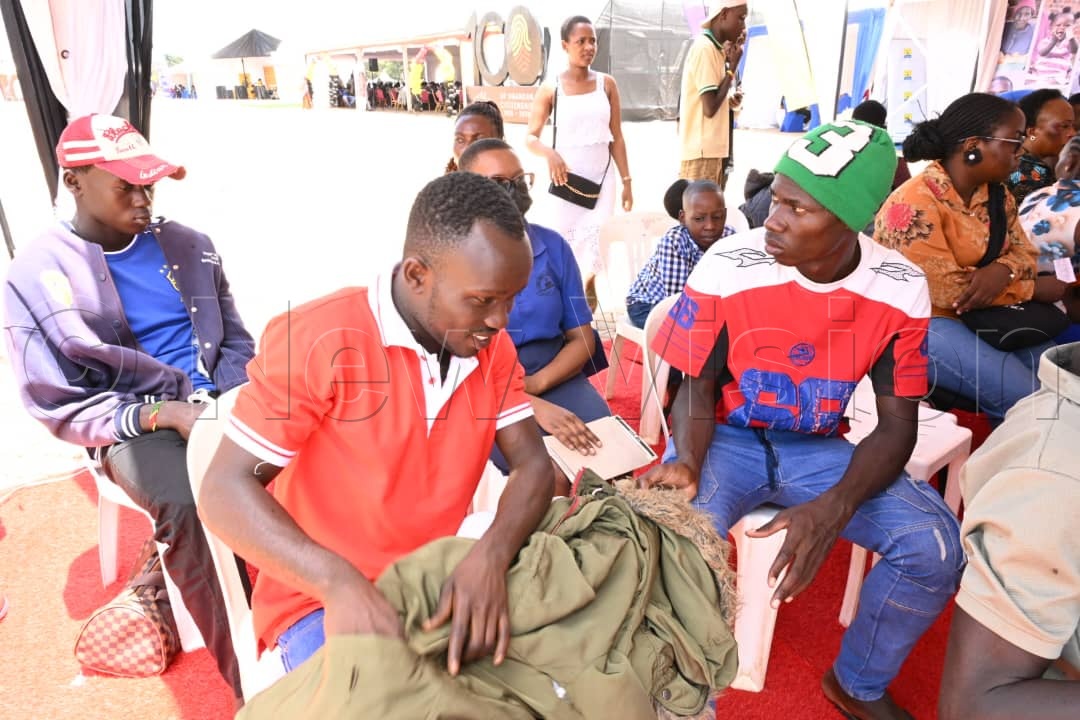
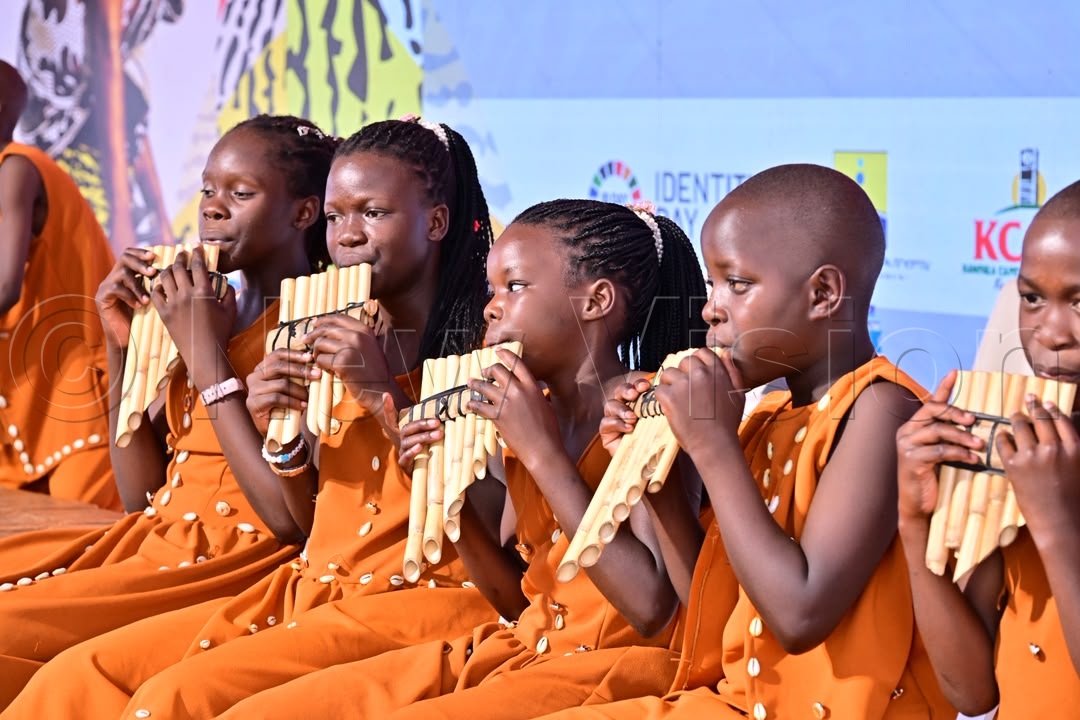
The process also gives teenagers an opportunity to check and update their personal information before they become adults.
“We update their record on the register,” Kisembo said.
“And in case you have anything that you have ever wanted to change, that is a good time to change it before you are 18.”
The clarification is important for parents who may assume that registering their children through school automatically means the children will receive national identity cards.
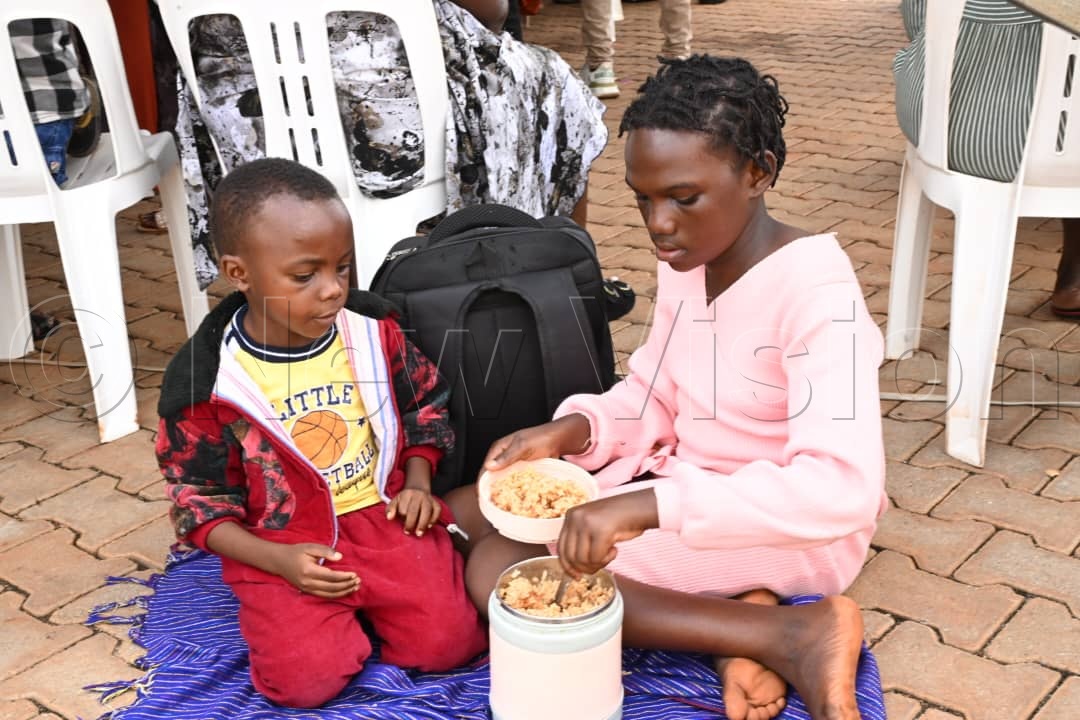
For Musisi, the immediate concern is to ensure that his son obtains a document that can be used to prove his identity.
Moving beyond the physical ID card
The expo is also highlighting changes in how NIRA intends to verify people's identities when they seek services.
Kisembo said the authority is moving beyond relying solely on the physical national identity card by combining card authentication with biometric verification.
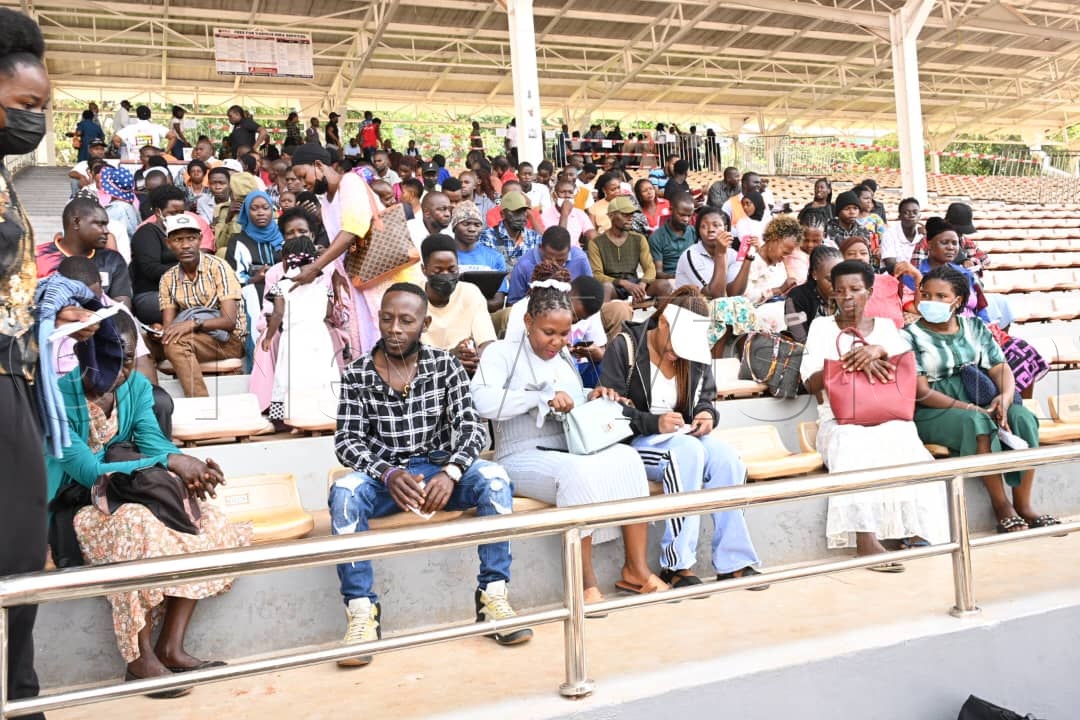
“You will present the card to somebody and your fingerprint will retrieve information from NIRA in real time,” she said.
The system is intended to establish that the information on the card matches the identity stored in NIRA's records.
Kisembo said biometric verification could also help people who lose their physical cards and reduce the risk of people using photocopies or another person's card.
“If you have lost your card, you still have your fingerprint or you still have your iris,” she said, explaining that biometric information can be used to validate a person's identity against NIRA's records.
She described the approach as using two elements: “what you have”, referring to the card, and “who you are”, referring to the biometric identifier.
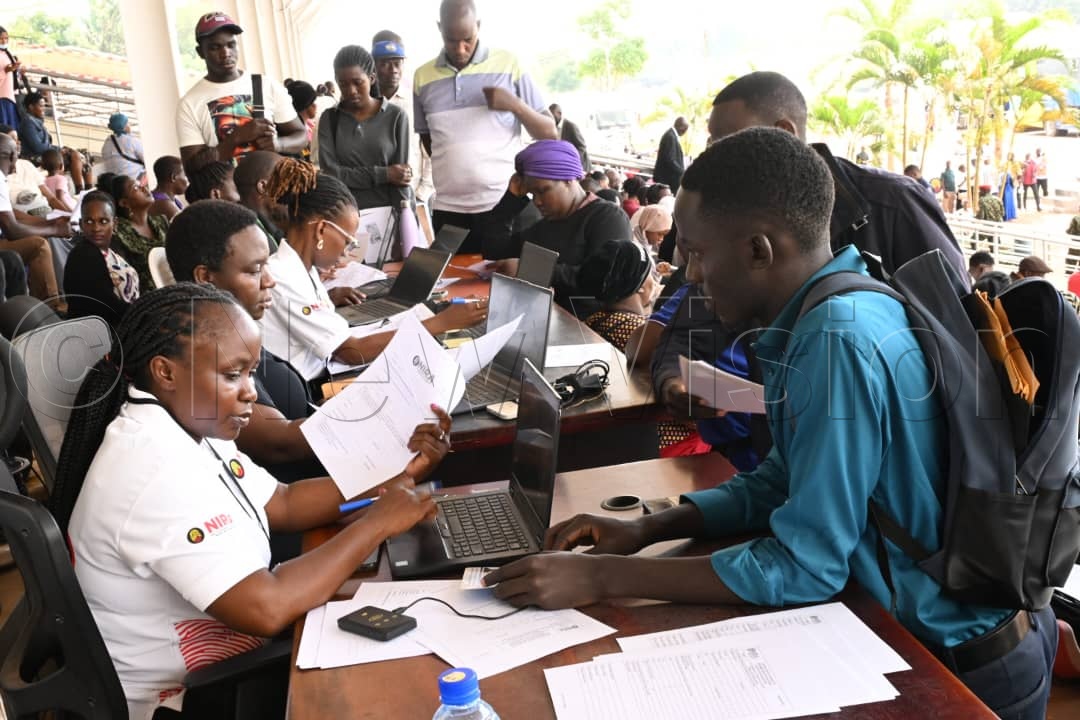
The changes come as members of the public attending the expo continue to seek help with identity documents and corrections to personal information.
Zubedah Bulyaba, who came from Nasser Road, attended the expo to correct errors in her name and date of birth.
Kisembo said people seeking to correct their information should have their original registration records checked to establish whether the error was made during registration or occurred during the processing of the information.
For families such as Musisi's, the process offers an opportunity to ensure that young people who were registered as children can obtain their first national identity cards and have accurate information in the national register.