
How school children are finding identity through performance at NIRA Expo
The pupils performed the NIRA anthem, which focuses on birth registration, as well as a poem centred on climate change. For Muteesasira, the two messages are connected by a common responsibility: building a better future for children.
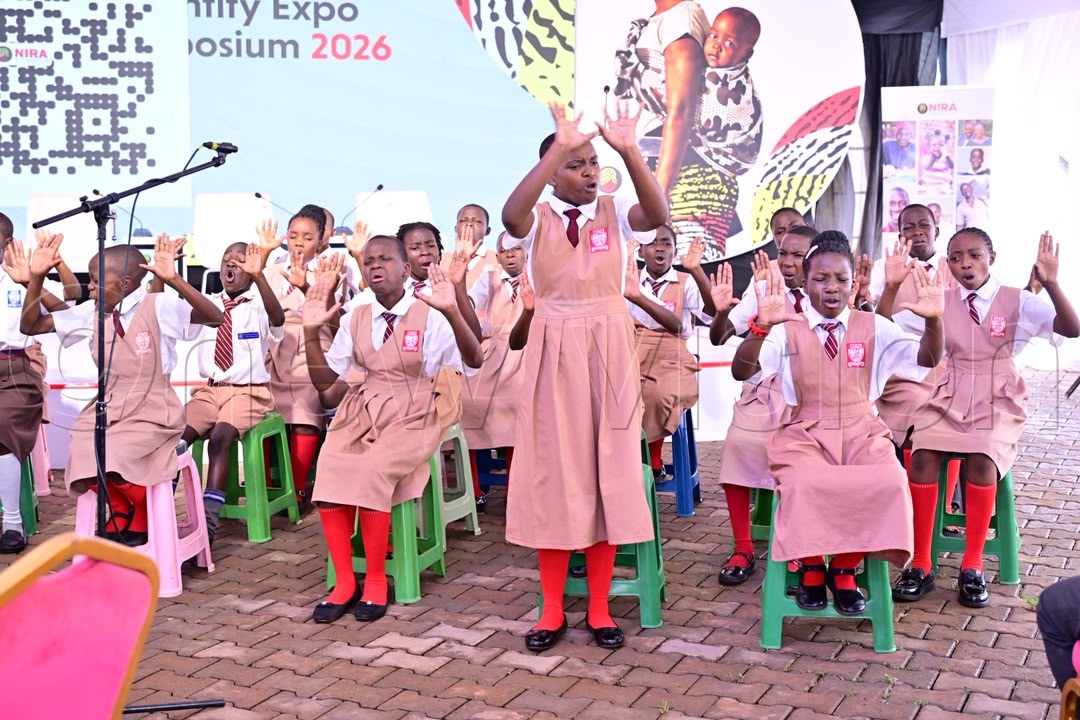
Children performing at the My Identity Expo and Symposium 2026, organised by the National Identification and Registration Authority (NIRA) at Kololo ceremonial grounds. (Credit: Miriam Namutebi)
___________________ (Credit: Miriam Namutebi) Children performing at the My Identity Expo and Symposium 2026, organised by the National Identification and Registration Authority (NIRA) at Kololo ceremonial grounds. (Credit: Miriam Namutebi)
At Kololo Ceremonial Grounds, identity was not only being registered; it was being sung, acted, recited and performed by schoolchildren determined to make their voices heard. The grounds came alive with performances, exhibitions and conversations as children from different schools joined the My Identity Expo and Symposium 2026, organised by the National Identification and Registration Authority (NIRA).
Through poetry, drama, music and other performances, pupils used the stage to explore what identity means and why knowing who they are matters to their future. For Moses Kibuuka, a creative and performing arts teacher at Namilyango Junior Boys School, identity extends far beyond the details captured on an identification document.
“We are here today for the NIRA Expo for My Identity. It is very important for children to be part of their identity,” he said.
Kibuuka believes gatherings such as the expo give children an opportunity to understand themselves, their culture and the society in which they live. “Regardless of the activities, if we don't know who we are, we can never teach what we don't know,” he said.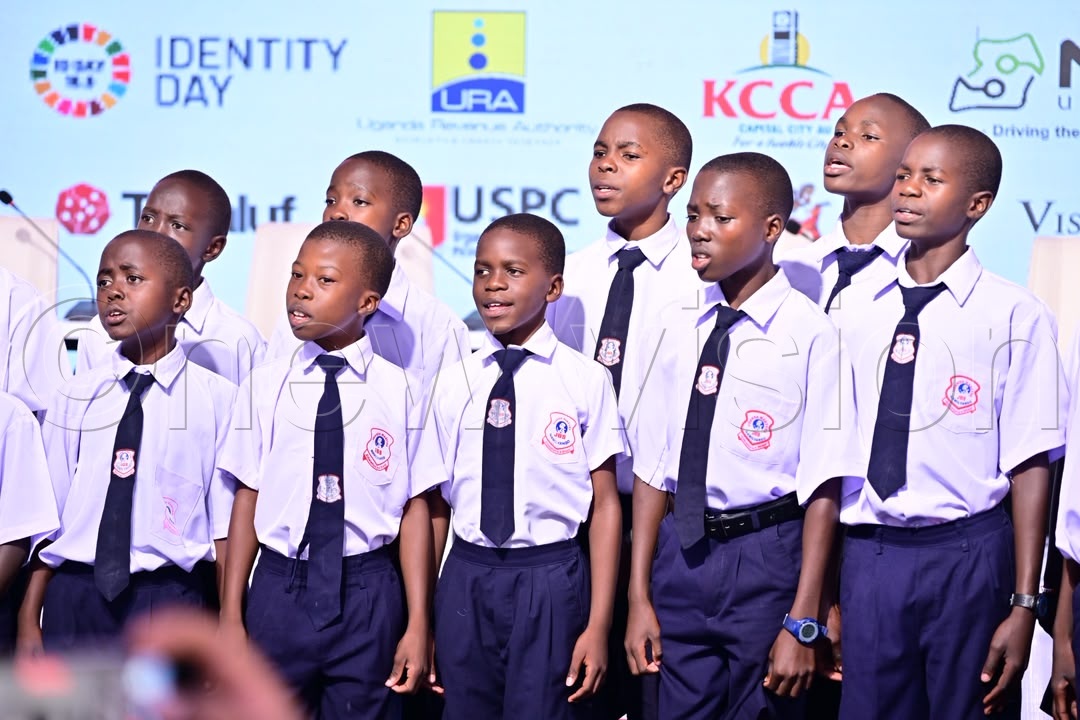
He added that identity should also be understood through culture and everyday life, from food and language to games, relationships and the environment. “Identity goes beyond the physical face. It goes to what we eat,” he said, pointing to one of the school's performances. “One of our performances is ‘Tooke’. Now, tooke is our identity in the way we eat. Even if you are in the UK or in the US, once you mention tooke, they identify you with Uganda.”
For him, the expo provided an opportunity to broaden the conversation around identity and help children connect national registration with the wider meaning of belonging. “Understanding our identity is in registration. It is in what we eat. It is in how we associate, the games we play, the languages we speak and even the environment. Then we can be able to protect and guard what belongs to us,” he said.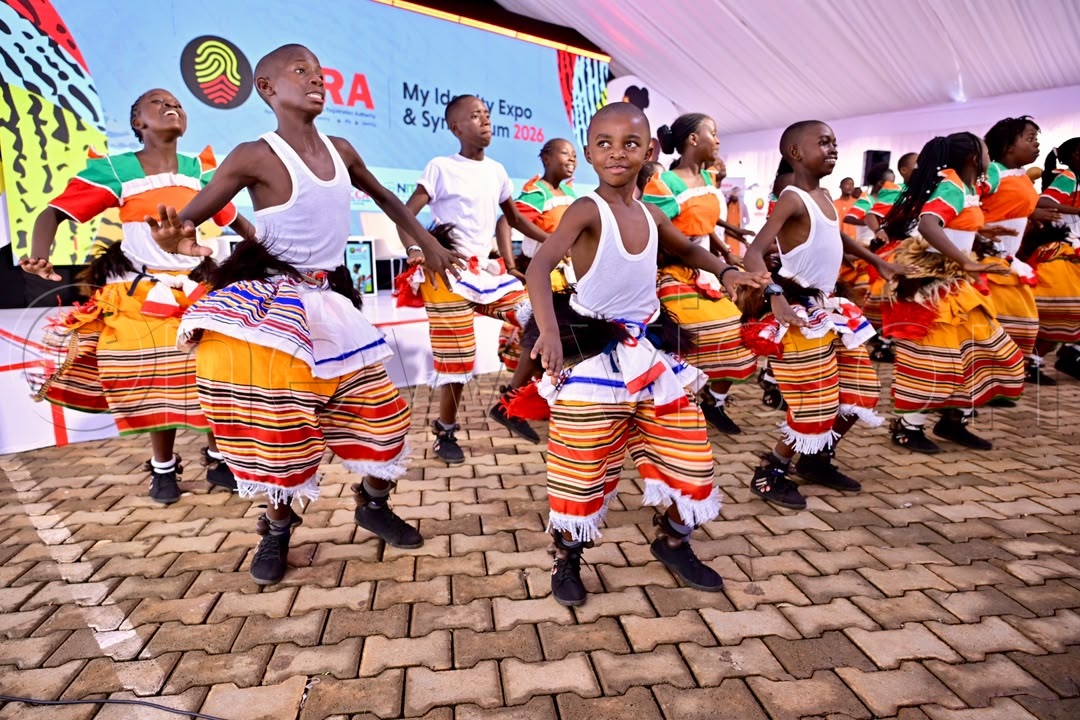
At Buganda Road Primary School, performing arts have become another way of communicating important messages to the public. Francis Muteesasira, head of department for performing arts at the school, said their participation in the expo was part of a relationship that began through the National Music Dance and Drama (MDD) Primary School Festival, where NIRA has been a sponsor.
“Every time they have such events, we are invited to come and entertain as well as educate the audience,” he said.
The pupils performed the NIRA anthem, which focuses on birth registration, as well as a poem centred on climate change. For Muteesasira, the two messages are connected by a common responsibility: building a better future for children.
“We believe that NIRA, because of the nature of their work, it is incumbent upon everyone to see that as we register, we also keep our environment green and fight climate change,” he said.
The performances, he added, allowed the children to do more than entertain. “We use our different performing items as a way of entertaining the guests but also educating them,” he said.
For primary schoolchildren, such platforms offer lessons that go beyond the classroom.
Muteesasira urged other schools to give their pupils opportunities to attend events such as the expo, saying children can be powerful messengers within their communities.
“It’s good for the children, especially the young ones,” he said. “For us, we believe in using children to express messages out there.”
He added that the increasing importance of children having National Identification Numbers makes it particularly relevant for pupils to understand registration and identity from an early age. “We are proud to be part of this event. We hope that at the end of the day we shall have learned a lot and also taught a lot to others,” he said.
For the children themselves, however, the expo was not simply about delivering messages. It was also about discovering their abilities and gaining the confidence to stand before an audience. Bruno Ainebyona, a Primary Six pupil at Namilyango Junior Boys School, said the experience had given him an opportunity to grow as a performer while promoting the importance of registration.
“NIRA has helped promote child identity in the country. The poem we presented has helped me gain confidence,” he said.
As a solo actor, he said performing had also given him a platform to communicate messages to people beyond his school. His experience reflected one of the less visible benefits of the expo: while the children were teaching audiences about identity and registration, they were simultaneously learning to express themselves.
For Peace Nabbosa, a pupil and head prefect at Buganda Road Primary School, the stage offered an even larger platform for children to speak about issues affecting their communities. Her school's performance focused on climate change, warning about the consequences of deforestation and pollution.
“The poem we were doing was about climate change, and we were trying to tell the people out there that cutting down trees affects the climate of our country,” Nabbosa said.
She linked environmental degradation to food insecurity and other hardships that could affect communities. She also spoke about the impact of pollution from factories, saying it affects rainfall patterns and could contribute to hunger and other devastating consequences. But standing before an audience was also personal for Nabbosa.
“I felt very proud and appreciated myself because I've gotten a chance to go out there and express myself towards the people,” she said.
The opportunity, she added, could open doors for children to discover and develop their talents. “It also helps us to promote our talents, whereby we'll get different opportunities that will help us in life,” she said.
The performances at Kololo offered a broader interpretation of the word identity. For NIRA, national identification and registration are central to establishing legal identity and enabling people to access services and exercise their rights. But for the children who took to the stage, identity was also about culture, confidence, responsibility, talent and belonging.
The expo is sponsored by MTN Uganda, Kampala Capital City Authority (KCCA), Uganda Revenue Authority (URA), National Information Technology Authority – Uganda (NITA-U), Tahaluf and Bank of Uganda.