
Uganda turns 100 as historian calls for national identity debate
Ndebesa explained that although many people consider Uganda to be 64 years old because the country gained independence from Britain on October 9, 1962, the territory that became Uganda had been taking shape long before independence.
Professor Mwambutsya Ndebesa giving a keynote address. (Photos by Ponsiano Nsimbi and Miriam Namutebi)
________________
Uganda is marking 100 years since its present-day territorial boundaries were drawn, according to historian, Prof. Mwambutsya Ndebesa.
Ndebesa explained that although many people consider Uganda to be 64 years old because the country gained independence from Britain on October 9, 1962, the territory that became Uganda had been taking shape long before independence.
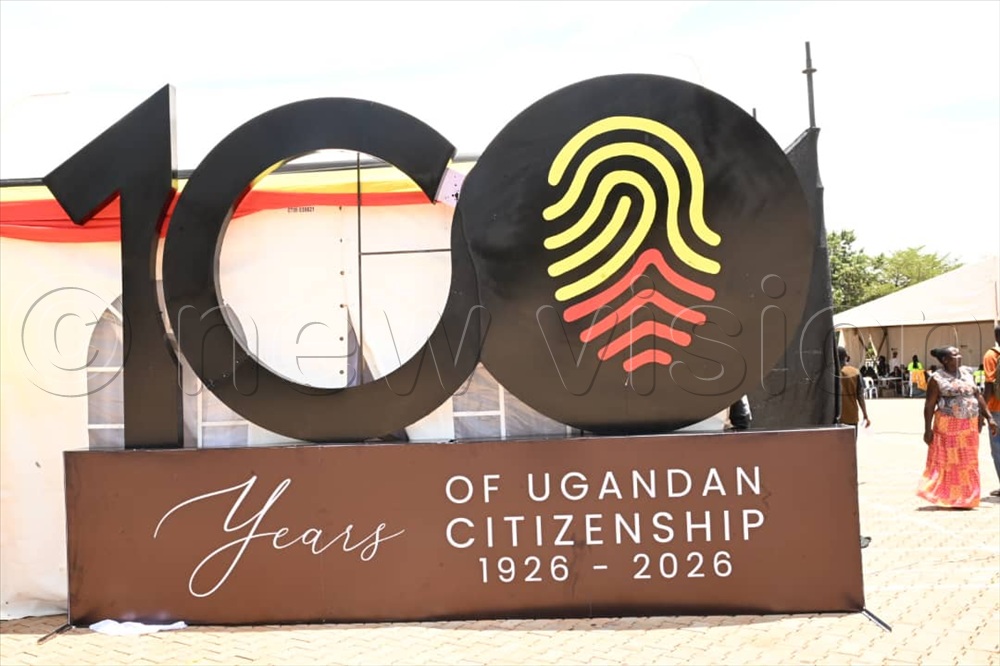
He said the process of carving out Uganda began in 1884–85, although the boundaries were initially not clearly defined. According to Ndebesa, the boundaries corresponding to present-day Uganda were finalised in 1926, making 2026 the centenary of the formation of the territory in its current form.
He said this distinction is important because independence in 1962 marked the end of colonial rule, rather than the creation of Uganda as a territorial entity.
Ndebesa called on the Government and relevant institutions to include national identity in the national dialogue to address some of the longstanding questions surrounding Uganda's identity and nationhood.
He cited issues such as the Buganda question and what he referred to as the “Protestant versus Catholics” question as matters that should be examined as part of the discussion on national identity.
He stressed that a strong sense of national identity can contribute to economic development, independence, sovereignty, accountability and transparency.
Ndebesa's remarks come as Uganda continues to reflect on its history, identity and the factors that have shaped the country since its territorial boundaries were established and, later, its independence in 1962.