
Govt to expand digital hygiene programme to health centres
Mubangizi commended the partners for supporting hygiene education, saying the initiative aligns with the Government’s emphasis on preventive healthcare and strengthening primary health care.
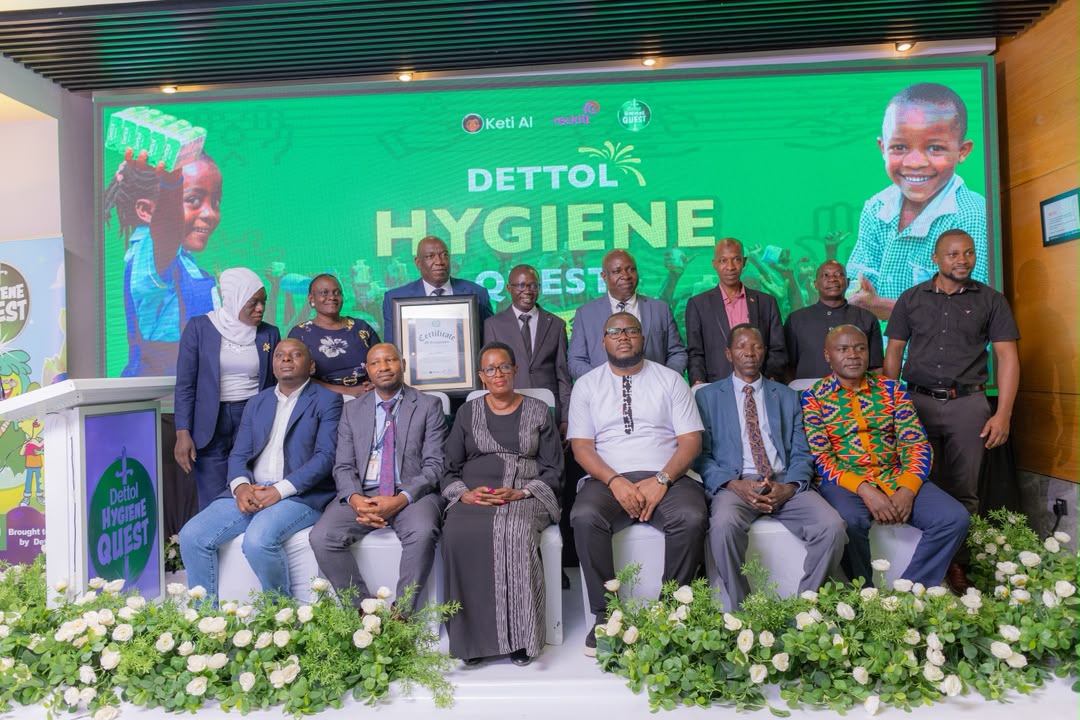
Mubangizi, who represented Health Minister Chris Baryomunsi at the launch of Phase III of Dettol Hygiene Quest at Four Points by Sheraton on October 15, 2026, said the initiative would strengthen collaboration between schools, communities and health facilities.
The Government is set to expand the Dettol Hygiene Quest programme to selected health centres to strengthen hygiene education, promote disease prevention and extend healthy practices beyond schools into communities.
Dr Alfred Mubangizi, the acting assistant commissioner for vector-borne and neglected tropical diseases at the health ministry, said the expansion under Phase III would create opportunities to integrate hygiene promotion into existing health services, including immunisation and nutrition programmes
Mubangizi, who represented Health Minister Chris Baryomunsi at the launch of Phase III of Dettol Hygiene Quest at Four Points by Sheraton on October 15, 2026, said the initiative would strengthen collaboration between schools, communities and health facilities.
“As phase three expands engagement with selected health centres, there is an opportunity to strengthen links between schools, communities and the health system,” he said.
The programme, implemented by Reckitt through its Dettol brand in partnership with CHIL Group and government agencies, uses digital platforms, educational materials and practical demonstrations to equip children with hygiene knowledge and skills.
Mubangizi commended the partners for supporting hygiene education, saying the initiative aligns with the Government’s emphasis on preventive healthcare and strengthening primary health care.
He said the integration of hygiene education into health facilities could enable health workers to reinforce messages on disease prevention during routine service delivery.
However, he warned that the programme’s long-term impact would depend on sustained access to water, soap and functional sanitation facilities, as well as continued government and community support.
“A strong health system must not only treat illnesses but also prevent them. Our ambition must be to keep people healthy rather than become more efficient at treating them when they fall sick,” he said.
The expansion comes amid concerns about inadequate access to basic handwashing facilities in households and communities.
Mubangizi cited statistics indicating that only 6% of rural households had designated handwashing facilities with soap and water, compared with 5% of urban households.
He said the figures demonstrate the need to combine hygiene education with investments in water supply, sanitation facilities and access to soap.
He urged schools, parents, teachers, health workers and local governments to promote hygiene as a continuous practice rather than a one-off activity.
Mubangizi also called for a comprehensive water, sanitation and hygiene (WASH) approach covering handwashing, safe sanitation and waste disposal.
He said children could become agents of change by adopting proper hygiene habits and transferring the knowledge to their families and communities.
Bornface Shaka Onyari, Reckitt's country manager for Uganda, said Phase III would extend the programme to 750 additional schools, building on interventions introduced in 2024.
Since its introduction, Dettol Hygiene Quest has reached more than one million children and engaged 1,500 schools across Uganda, according to the programme organisers.
The initiative combines hygiene education with practical handwashing demonstrations, teacher support and learning materials to help learners adopt healthy practices at school and home
“Through Phase III of Dettol Hygiene Quest, we aim to reach 750 more schools while helping them establish and sustain good hygiene practices that benefit learners long after the programme ends,” Onyari said.
He said the programme seeks to equip children with habits that protect their health while encouraging families and communities to practise proper hygiene.
Dr Shamim Nabuuma, the chief executive officer of CHIL Group, said the initiative demonstrated the value of combining public health education with local innovation and access to resources.
“Our mission has always been to ensure that preventable illness never stands in the way of any child’s education. The remarkable results achieved in phases one and two, with hygiene-related absenteeism falling by more than 70%, demonstrate what is possible when effective public health education is combined with local innovation and access to the right resources,” she said.
According to CHIL Group, hygiene-related school absenteeism declined by 71.6% during Phase I and 74.8% during Phase II.
Mubangizi urged the Government, implementing partners and local authorities to develop sustainability measures to maintain the gains beyond external support.
He said the programme’s success should ultimately be measured by lasting improvements in hygiene practices and health outcomes, rather than the number of schools or children reached.