
IGG intervenes in sh2.35b delayed employment benefits
According to the Inspectorate, the complaints largely stemmed from delayed or non-payment of salaries, pensions and gratuities, denial or irregular calculation of employment benefits, payroll disputes and other administrative failures affecting public servants.
Inspector General of Government Lady Justice Aisha Luzze Batala addressing journalists at the Uganda Media Centre. (Photo by Nickson Turyahikayo)
_________________
KAMPALA — The Inspectorate of Government has handled 1,011 complaints and recommended payment of more than sh2.35b to individuals whose employment benefits had been unlawfully withheld or delayed during the 2025/26 financial year.
According to the Inspectorate, the complaints largely stemmed from delayed or non-payment of salaries, pensions and gratuities, denial or irregular calculation of employment benefits, payroll disputes and other administrative failures affecting public servants.
The institution also handled cases involving delays in obtaining national identity cards, passports and land titles, irregular recruitment processes, malicious interdictions, workplace victimisation and retaliation against whistle-blowers.
The figures underscore the growing importance of the Ombudsman in addressing administrative injustices and holding public institutions accountable for failure in service delivery.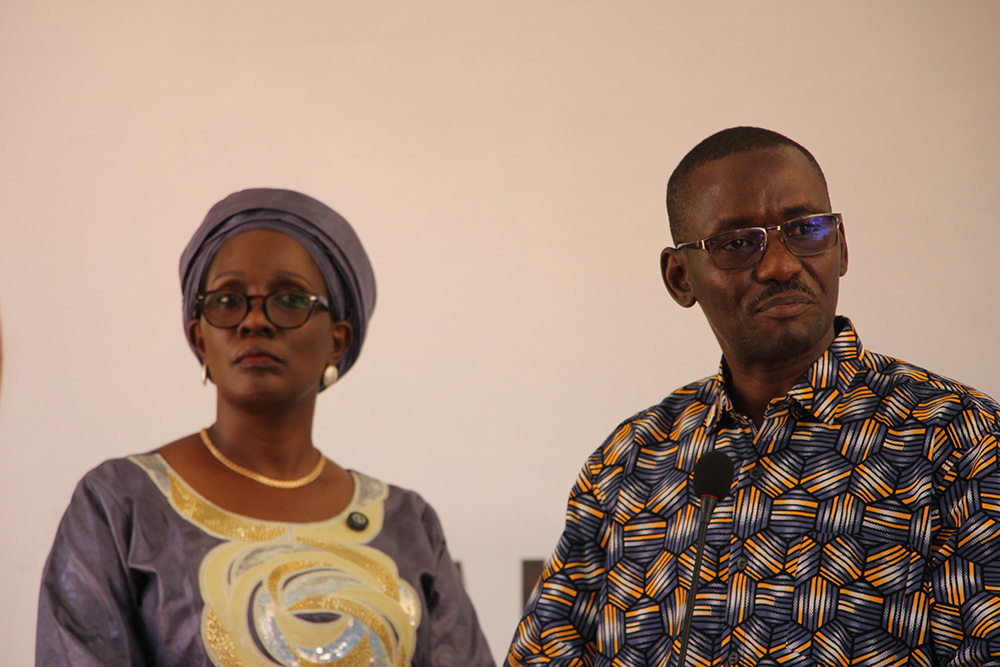
L-R: Deputy IGG Anne Twinomugisha and the Inspectorate's Director for Leadership Code, Ombudsman Affairs and Community Relations, Savio Kakooza Ntensibe. (Photo by Nickson Turyahikayo)
Addressing a press conference at the Uganda Media Centre on Monday, October 5, Inspector General of Government Lady Justice Aisha Naluzze Batala said Ombudsman-related matters accounted for 37 percent of all complaints investigated and concluded by the Inspectorate during the period under review, making them one of the largest categories of cases handled by the institution.
An ombudsman is an independent public official, who investigates and helps resolve complaints against government agencies, aiming at addressing unfair, unreasonable, or improper administrative actions.
"During the period under review, the Inspectorate resolved 1,011 Ombudsman cases across central and local government entities and recommended payment of Shs2.35 billion to individuals whose employment benefits had been unlawfully withheld or delayed," Batala said.
She added that the Ombudsman function plays an equally important role in the fight against corruption by identifying and addressing administrative weaknesses that create opportunities for abuse of authority and misuse of public resources. "Corruption thrives where administrative rules and procedures are broken or ignored," Batala said.
Shs41.9b Recovered
Beyond resolving grievances, the Inspectorate recovered more than sh41.9b from Ministries, Departments and Agencies (MDAs) as well as Local Governments through Ombudsman interventions during the same period.
The Director of the Leadership Code, Ombudsman Affairs and Community Relations, Savio Kakooza Ntensibe, said the recoveries were made through investigations into irregular payments and other administrative violations involving public resources.
"Through Ombudsman interventions, the Inspectorate recovered Sh41,901,344,043 from MDAs as well as Local Governments during the 2025/26 financial year, while efforts are continuing to recover additional public funds and enforce corrective administrative measures," Ntensibe said.
He noted that the recoveries demonstrate the Ombudsman's growing contribution to promoting accountability and safeguarding public resources, beyond resolving individual complaints.
Accessible Justice
Batala said the Ombudsman's mandate provides citizens with an accessible avenue for seeking redress without necessarily resorting to lengthy and costly court processes.
According to Batala, the theme reflects the Ombudsman's role as an accessible and flexible institution that offers practical solutions to citizens facing administrative injustices.
"The Ombudsman is not just an office of last resort, but an office of possibilities," she said.
Ombuds Action Week
Meanwhile, the Inspectorate will commemorate the International Ombudsman Day by taking its services closer to the people through a nationwide Ombuds Action Week in the second week of October.
The initiative will see all 16 regional offices conduct community-level Ombudsman clinics and outreach programmes aimed at receiving, handling and where possible resolving complaints at the point of contact.
The outreaches will also serve as platforms for educating citizens about their rights and the remedies available through the Ombudsman.
In addition, the Inspectorate will conduct public awareness campaigns through television, radio and social media platforms, alongside spot checks on public service delivery points to assess efficiency and responsiveness.
The activities will be conducted in partnership with the Judicial Service Commission, National Identification and Registration Authority, Uganda Police Force, Resident District Commissioners, Chief Administrative Officers and other local government leaders.
Batala urged citizens facing workplace injustices, delayed benefits and other forms of administrative neglect to take advantage of the outreach programmes and seek assistance.
The Inspectorate said the planned activities are intended to strengthen public awareness of the Ombudsman mandate, bridge the gap between citizens and government institutions, and promote transparency, accountability and improved service delivery across the country.