
Why Uganda needs a bigger identity conversation
Miria said the media has a responsibility to help citizens understand the importance of having a national ID, keeping it valid and protecting themselves against identity theft.
Ugandans being attended to on the second day of the My Identity Expo and Symposium 2026 at Kololo Ceremonial Grounds. (Credit: Miriam Namutebi)
___________________ New Vision Editor-in-Chief (EIC) Sidney Miria. (Credit: Miriam Namutebi)
A national ID may fit inside a wallet, but the identity attached to it now reaches far beyond the card. It can determine how a customer is verified for a mobile service, how a business owner is identified, how a person accesses services and, increasingly, how institutions establish that the person standing before them is who they claim to be. That is why New Vision Editor-in-Chief (EIC) Sidney Miria says Uganda’s identity conversation cannot be left to government agencies alone.
Speaking on the second day of the My Identity Expo and Symposium 2026 at Kololo Ceremonial Grounds, Miria said the media has a responsibility to help citizens understand the importance of having a national ID, keeping it valid and protecting themselves against identity theft. “It is important for you to get your identity card. Do you have your identity card? Is it valid? Those are things that we need to look into.”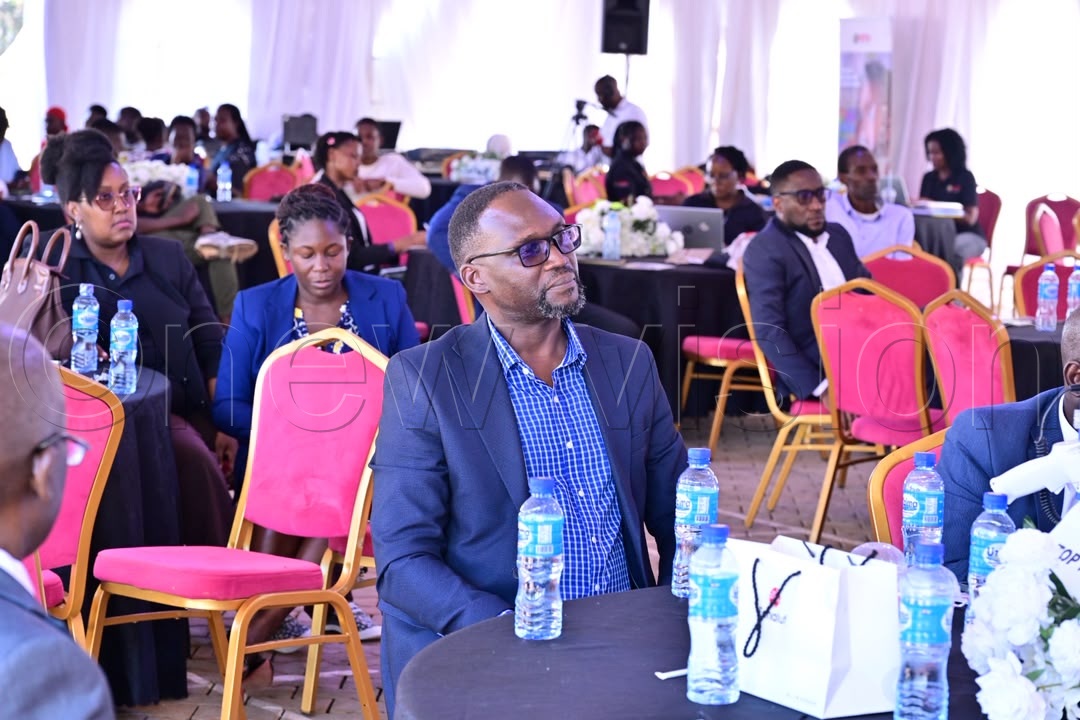
Identity is no longer just a card
For years, the national identity card was largely viewed as a document that proved who someone was. That role has expanded. As identification systems become integrated with other services, the ability to establish a person’s identity is increasingly becoming part of everyday transactions.
At the expo, Dorcas Muhwezi, MTN Uganda’s head of customer experience, explained how the integration between the telecommunications operator and NIRA has changed the way customers are registered and verified. Since the integration was introduced in 2018, she said, MTN has been able to verify customer information against NIRA’s database in real time. A customer seeking to register a SIM card can present their national ID, have their fingerprint captured and undergo verification before the service is activated. The same system can help establish that the person requesting a replacement SIM is the legitimate owner.
The questions people still have
Miria said one of the reasons Vision Group partnered with NIRA was to create a platform where some of the questions surrounding identity could be answered publicly. Those questions extend beyond citizens who already have national Ids. He pointed to stateless people and foreigners living in Uganda as among those with questions about identification that require public discussion and clear answers. The expo, he said, provides an opportunity for NIRA and its partners to engage directly with the public.
For a media organisation with a nationwide footprint, Miria said the responsibility is to ensure those conversations reach people beyond Kololo. “It’s not a New Vision affair. It’s an affair for all media houses,” he said. He described the media as the “mouthpiece of society”, arguing that different media organisations have a shared responsibility to amplify information that helps citizens navigate important public issues.
At the expo, participants discussed the role of identification in areas including taxation, telecommunications and other services that require institutions to establish who they are dealing with. URA’s participation, Miria noted, illustrates how identity connects with economic activity, including establishing who is registering a business. As more services rely on reliable identification, the consequences of losing, stealing or misusing an identity become more significant.