
EAC military leaders seek joint response to growing security threats
Okiding urged regional defence and security managers to adapt their cooperation to the changing security environment, identifying military training, the proposed Mutual Defence Pact and civil-military relations as priority areas for consideration.
Uganda's Liason Officer at EAC headquarters (representing the SG), Brig. Gen Mathew Gureme. (Photos by Mpalanyi Ssentongo0
________________
The East African Community (EAC) Chief of Defence Forces on Thursday (November 26) held discussions in Kampala to assess regional security.
Amid cross-border insecurity, regional defence leaders sought to strengthen military coordination, improve intelligence cooperation and advance collective security arrangements to address threats that increasingly transcend national borders.
The discussions were part of the East African Community's 43rd Meeting of the Sectoral Council on Cooperation in Defence Affairs, which has been taking place at the Marriott Hotel in Kampala since Monday (November 16, 2026).
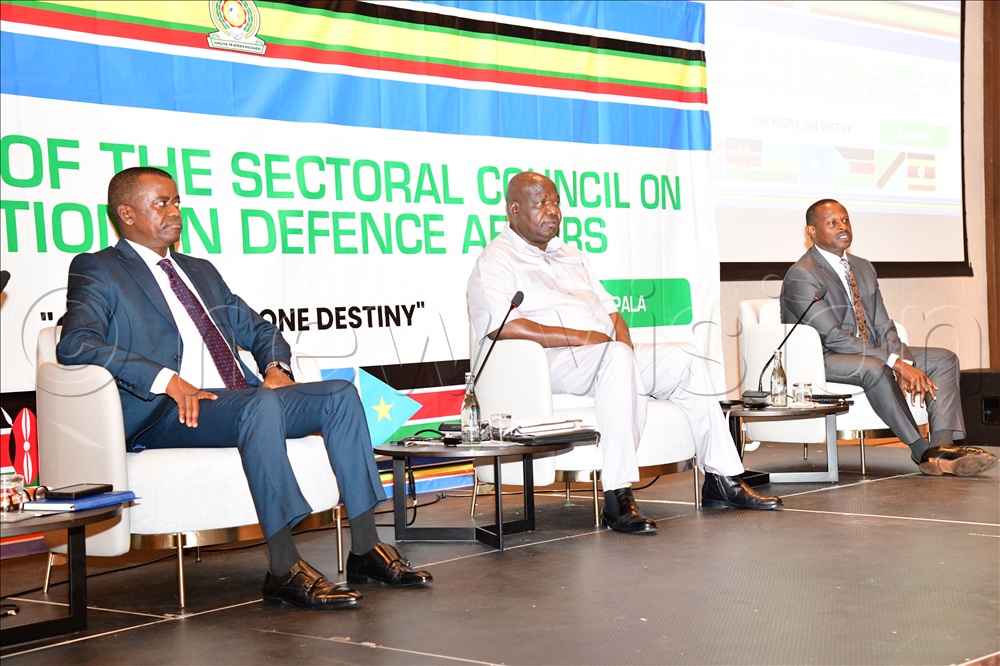
The Deputy Chief of Defence Forces and Inspector General of the Uganda People's Defence Forces (UPDF), Lt Gen. Sam Okiding, chaired the Consultative Committee on Cooperation in Defence Affairs on behalf of the Chief of Defence Forces, Gen. Muhoozi Kainerugaba.
Okiding urged regional defence and security managers to adapt their cooperation to the changing security environment, identifying military training, the proposed Mutual Defence Pact and civil-military relations as priority areas for consideration.
He called on delegates to ensure that recommendations emerging from the meeting reflected prevailing security realities and enabled partner states to work together in responding to shared threats.
“Our observations and recommendations need to align with that dynamic environment so that our defence forces are able to work together to overcome those security challenges,” he added.
The five-day meeting opened with discussions by the Defence Experts Working Group.
It brought together defence representatives from Uganda, Kenya, Tanzania, Rwanda, Burundi, Somalia, South Sudan and the Democratic Republic of Congo (DRC).
Held under the EAC theme, One People, One Destiny, the gathering is being conducted in accordance with Article 10 of the Protocol on Cooperation in Defence Affairs.
The regional consultation process involves four stages: the Defence Experts Working Group, Sectoral Committee, Consultative Committee and Sectoral Council, where recommendations are submitted to the responsible ministers for consideration.
Uganda's liaison officer at the EAC Secretariat in Arusha, Brig. Gen. Mathew Gureme, representing secretary general Amb. Stephen Patrick Mbondi, said the participation of partner states demonstrated their commitment to addressing regional security challenges collectively.
He argued that individual countries could not adequately address threats such as cross-border insecurity, terrorism and humanitarian emergencies without cooperation from their neighbours.
“None of the countries can afford to look at peace and security in isolation. Our strength lies in our unity,” Gureme said.
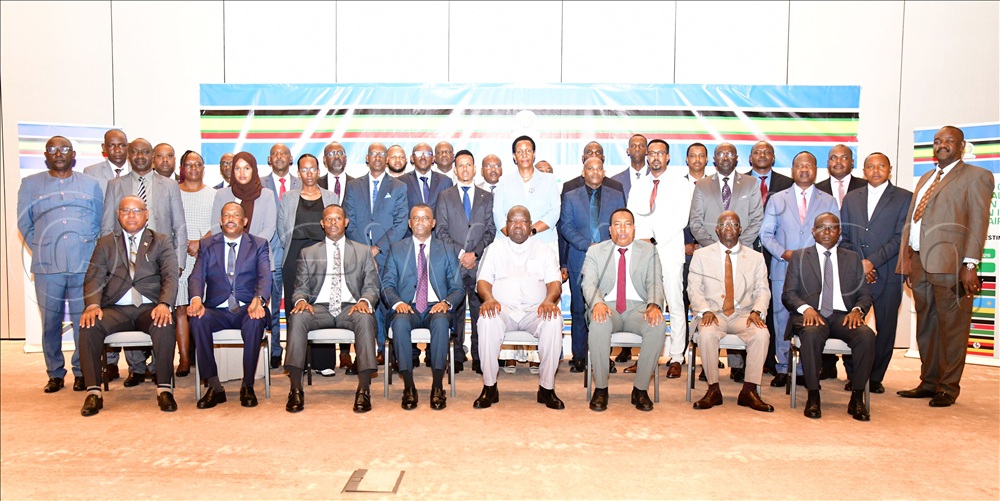
He identified the protection of shared trade corridors, emerging humanitarian challenges and cross-border security threats as issues requiring coordinated regional responses.
Gureme also challenged delegates to ensure that decisions reached during the meeting translated into tangible improvements in regional security.
“Decisions made in the conference rooms only matter when they translate into real impact on the ground,” he said.
The discussions come against the backdrop of continuing armed conflicts in eastern DRC, South Sudan and Somalia, as well as threats posed by armed groups, terrorism and other forms of transnational insecurity.
The meeting is reviewing the implementation of previous defence resolutions, progress on the proposed Mutual Defence Pact, intelligence cooperation, joint military training and regional mechanisms for responding to terrorism, cross-border insecurity and cybercrime.
Gureme said the Consultative Committee was considering a report prepared by senior officials and technical experts, which would be refined into recommendations for submission to the ministers meeting the following day.
He reaffirmed the Secretariat's commitment to following up on the resulting decisions, stressing that effective implementation would be essential to achieving the objectives of regional defence cooperation.