EAC defence experts convene in Kampala to discuss regional security
Presiding over the opening, the Chief of Joint Staff of the Uganda People's Defence Forces (UPDF), Lt Gen. Jack Bakasumba, said regional security challenges had become increasingly interconnected, requiring coordinated responses among Partner States.
The Chief of Joint Staff of the Uganda People's Defence Forces (UPDF), Lt Gen. Jack Bakasumba, speaking during the meeting on Monday, November 16, 2026, at the Marriott Hotel in Kampala, with the Defence Experts Working Group. (Photos by Mpalanyi Ssentongo)
________________
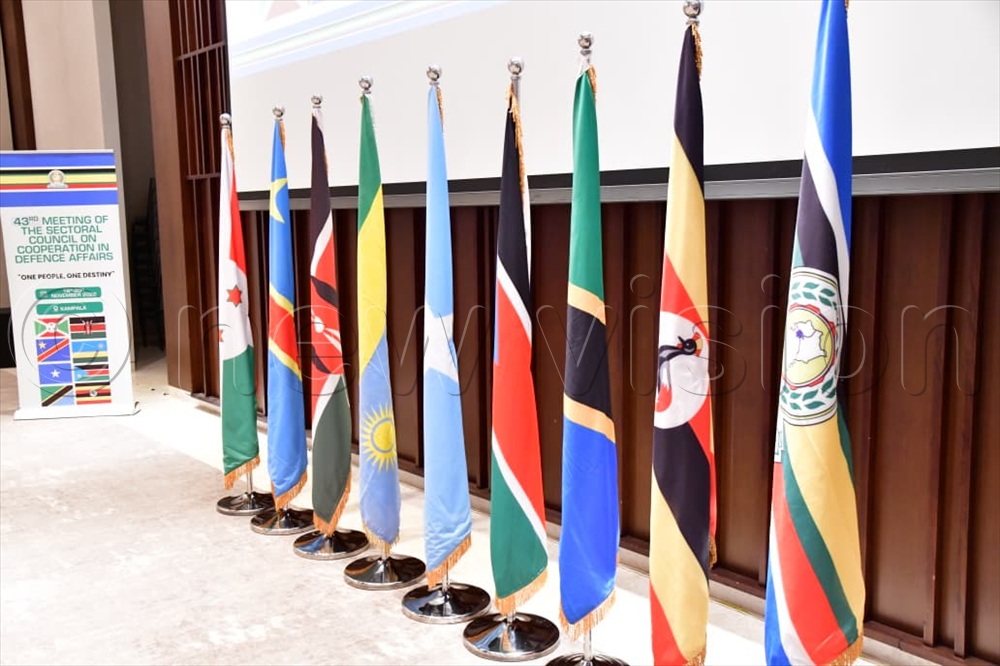
East African Community (EAC) defence experts have convened in Kampala for the 43rd Meeting of the Sectoral Council on Cooperation in Defence Affairs.
The meeting opened on Monday, November 16, 2026, at the Marriott Hotel in Kampala, with the Defence Experts Working Group.
Presiding over the opening, the Chief of Joint Staff of the Uganda People's Defence Forces (UPDF), Lt Gen. Jack Bakasumba, said regional security challenges had become increasingly interconnected, requiring coordinated responses among Partner States.
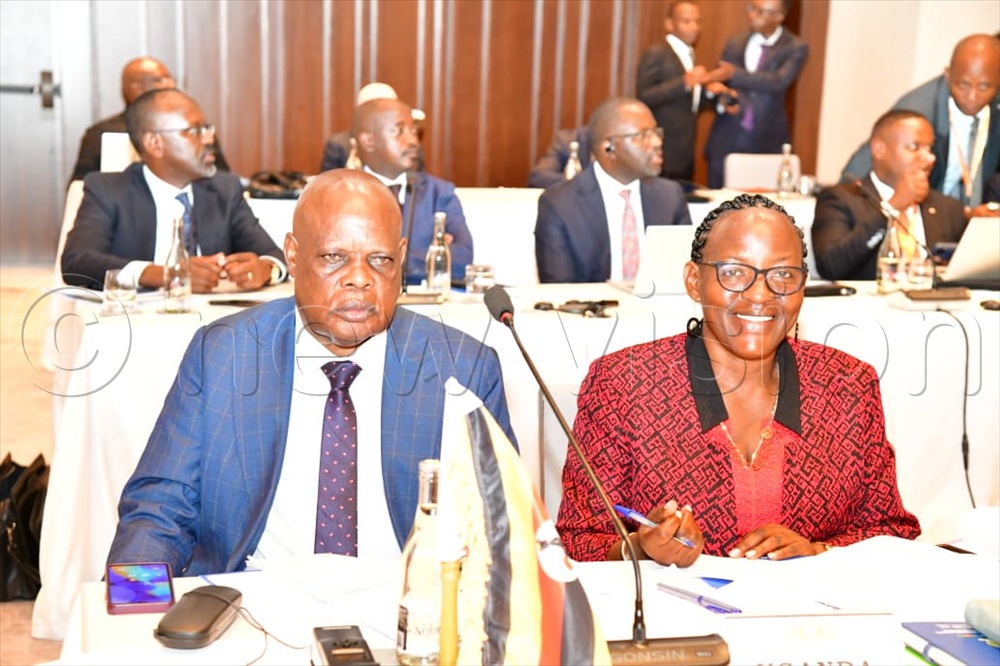
He emphasised that threats ranging from border insecurity and armed groups to international crimes, terrorism, health pandemics and cyber insecurity could only be effectively addressed through collective action.
"Whichever security challenges that we face, ranging from border insecurity, armed groups to international crimes, terrorism, health pandemics and cyber security, among others, can only be mitigated and combated when we are working together as a community," Bakasumba said.
He said the meeting provided an important opportunity for Partner States to develop practical measures to strengthen cooperation, improve coordination and enhance the region's collective capacity to respond to security challenges.
Bakasumba noted that the agenda included several critical areas of cooperation, particularly the Mutual Defence Pact, joint military training exercises and civil-military cooperation, which he said directly affected the security and stability of the region.
He urged defence experts to carefully examine the implementation of previous decisions of the Sectoral Council, identify areas where progress had been made and propose solutions where implementation remained outstanding.
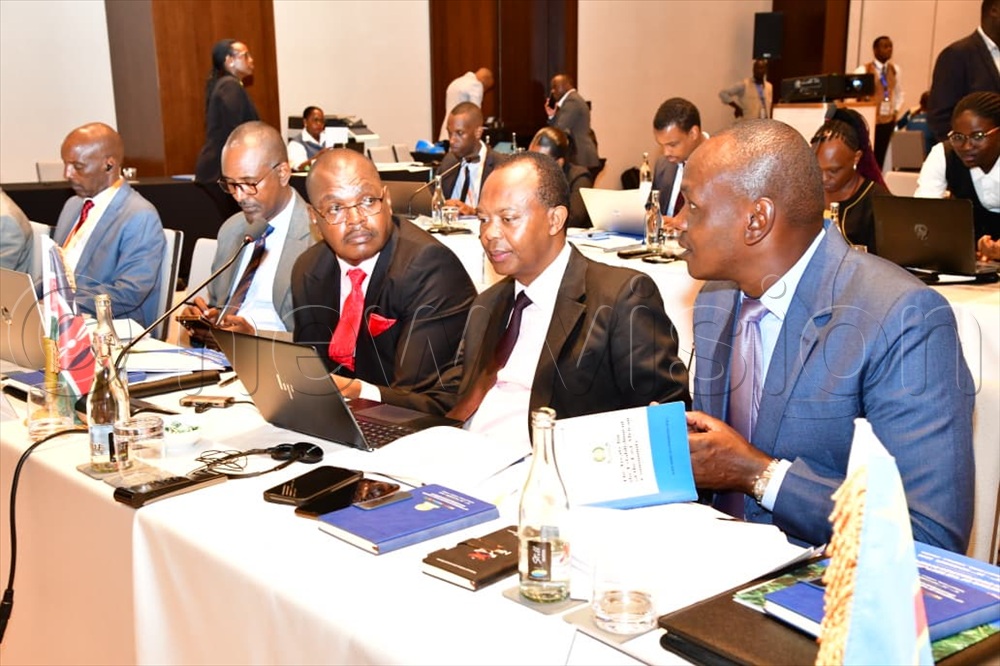
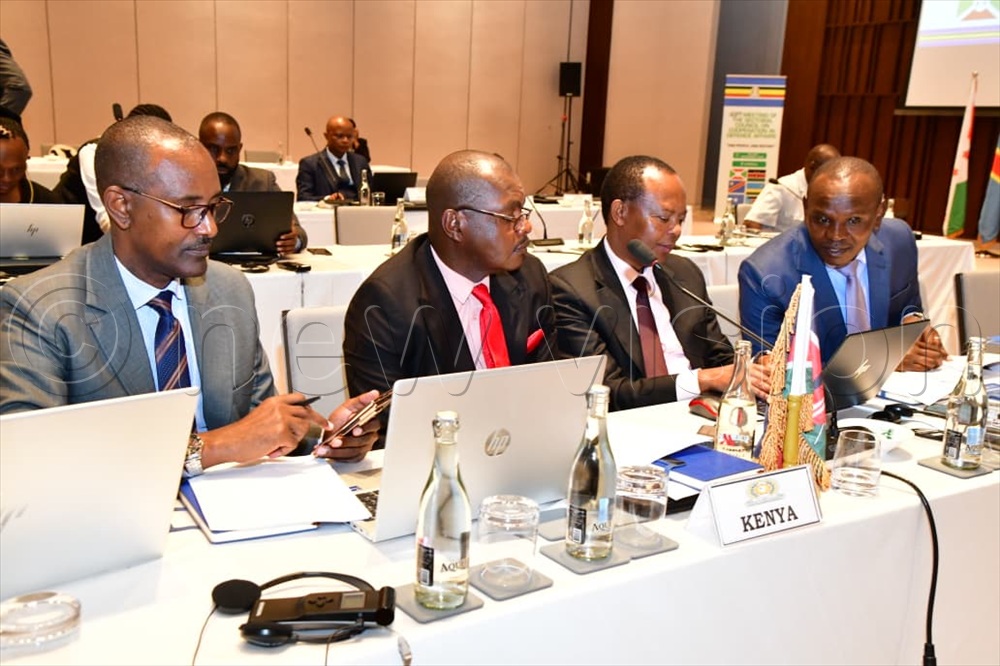
The meeting brought together regional military representatives to discuss deeper collaboration in addressing emerging security threats and strengthening collective defence mechanisms.
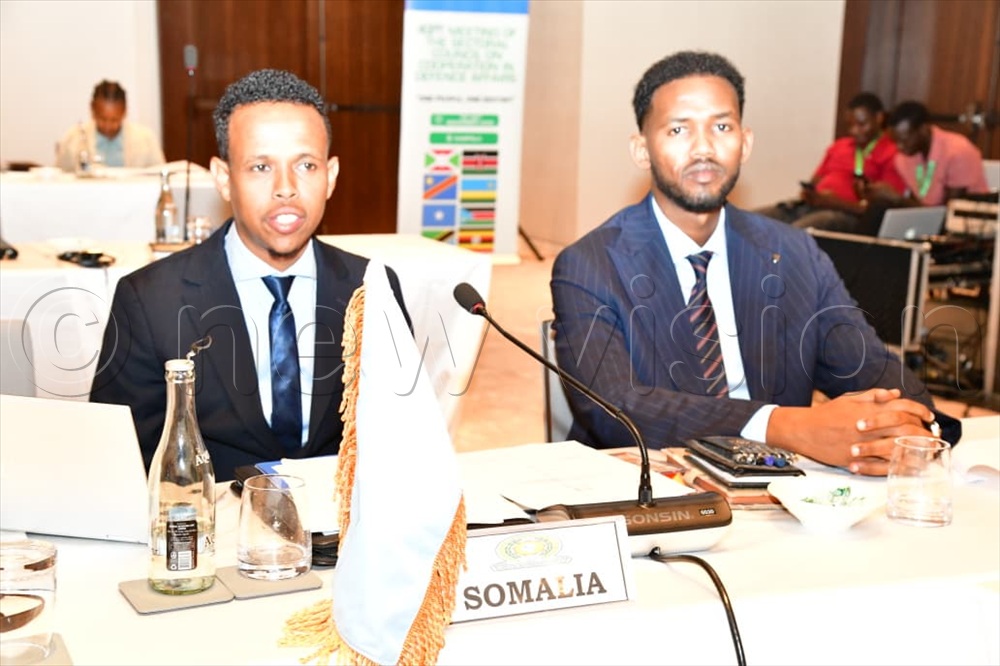
Uganda is hosting the meeting, which runs from November 16 to 20, 2026, in its capacity as the current chair of the Sectoral Council. It has brought together defence representatives from Uganda, Tanzania, Rwanda, Kenya, Burundi, Somalia, South Sudan and the Democratic Republic of Congo (DRC).
The gathering, held under the EAC theme One People, One Destiny, is being conducted in accordance with Article 10 of the EAC Protocol on Cooperation in Defence Affairs and the Community's calendar of activities.
Bakasumba explained that the Defence Experts Working Group was an important stage in the EAC decision-making process because it provided technical experts with an opportunity to examine issues and harmonise positions before they were submitted to higher decision-making organs.
"Once you work diligently and harmonise your positions at this stage of the defence experts, you will have simplified the work of the committees and the sectoral councils," Bakasumba said.
He welcomed the delegates to Uganda, describing the opportunity to host the regional meeting as an honour and privilege. He encouraged them to use their stay in Kampala to interact with Ugandans and experience the country's hospitality.
Four levels of regional defence cooperation
Brig. Gen. Flavia Byekwaso, the Chief of Staff of the Uganda Rapid Deployment Capability in Jinja, explained that the cooperation framework provided for four levels of engagement, beginning with the Defence Experts Working Group, followed by the Sectoral Committee, the Consultative Committee and finally the Sectoral Council.
These stages allow technical experts, senior military officers and other relevant officials to examine defence matters, harmonise recommendations and progressively elevate them for consideration and adoption at the appropriate levels.
She said the meetings provided an opportunity to assess previous engagements and evaluate the implementation of agreed regional defence activities.
"The purpose of the meeting is two-fold. According to the conference programme, most of the sessions are going to be reviewing the previous engagements that were held in different activities," Byekwaso said.
She pointed to regional military exercises conducted in Kenya in August and October, including the Command Post Exercise (CPX) and the subsequent Field Training Exercise (FTX) under Exercise Ushirikiano Imara, as some of the activities whose outcomes and implementation would be reviewed.
Byekwaso said the deliberations would progress through the different stages of the EAC defence cooperation structure during the week's engagements, with issues considered at the technical level informing discussions and recommendations at subsequent meetings.
She further explained that regional defence cooperation extended beyond joint military operations to include training, information sharing, military visits, sports, tourism and assistance with defence-related equipment and technical capabilities.
"One of the areas is training, where we exchange students. We go to these countries, and these countries come to Uganda in the different courses, right from the lower courses to the highest, which is the National Defence College," she said.
She added that Partner States also cooperated through joint exercises, information exchanges and visits, as well as assistance involving equipment, spare parts and defence industries.
Uganda's leadership and regional commitment
Uganda's role as the current chair of the Sectoral Council places it at the centre of coordinating the discussions and guiding the regional defence agenda, while Rwanda serves as the rapporteur.
Brig. Gen. Mathew Gureme, Uganda's Liaison Officer at the EAC Secretariat in Arusha, represented EAC secretary general Stephen Patrick Mbundi at the meeting.
He said the participation of the eight Partner States underscored the importance attached to regional defence cooperation, particularly at a time when security threats increasingly transcended national boundaries.
At the start of the discussions, representatives from the DRC and South Sudan had not yet arrived.
Gureme said the meeting also provided an opportunity for Partner States to strengthen existing defence partnerships, assess progress under the EAC Protocol and identify practical interventions to improve cooperation among their armed forces.