
Uganda joins trial of monthly HIV prevention pill
Dr Timothy Muwonge, the HIV prevention research programme manager at the Infectious Diseases Institute (IDI), Makerere University College of Health Sciences, says the study is assessing whether the monthly pill can provide an additional option for HIV prevention in the three countries.
Speaking during Makerere University's 7th Annual Science Fair at the College of Public Health auditorium in Kampala on September 24, 2026, Muwonge said the oral formulation could give users greater control, privacy and choice over HIV prevention.
Uganda has joined Kenya and South Africa in a clinical trial investigating a monthly oral pill designed to prevent HIV infection among people at substantial risk of acquiring the virus.
Dr Timothy Muwonge, the HIV prevention research programme manager at the Infectious Diseases Institute (IDI), Makerere University College of Health Sciences, says the study is assessing whether the monthly pill can provide an additional option for HIV prevention in the three countries.
Speaking during Makerere University's 7th Annual Science Fair at the College of Public Health auditorium in Kampala on September 24, 2026, Muwonge said the oral formulation could give users greater control, privacy and choice over HIV prevention.
“The beauty of the monthly pill, when the results come out, will be that it can be taken discreetly,” Muwonge said.
Unlike injectable HIV prevention products, he said, the monthly pill would be self-administered, although prescriptions and refills would still be obtained through health facilities.
“The oral pill is for swallowing, so this does not need the presence of a medical or healthcare worker for one to swallow. However, the prescriptions and refills will be at the facilities like we are seeing for the other formulations,” he said.
The monthly pill is being investigated as an addition to existing HIV prevention options, which include daily oral pre-exposure prophylaxis (PrEP), two-monthly injectable cabotegravir and longer-acting injectable options.
Muwonge said adherence can be a challenge for some people taking daily oral PrEP, while injectable prevention requires users to return to health facilities for administration.
A monthly oral option, he said, could provide another choice for people who prefer a less frequent method.
“One may prefer daily oral pills, another may prefer injection for two months, another may prefer injection for six months,” he said. “So this is an addition if it works.”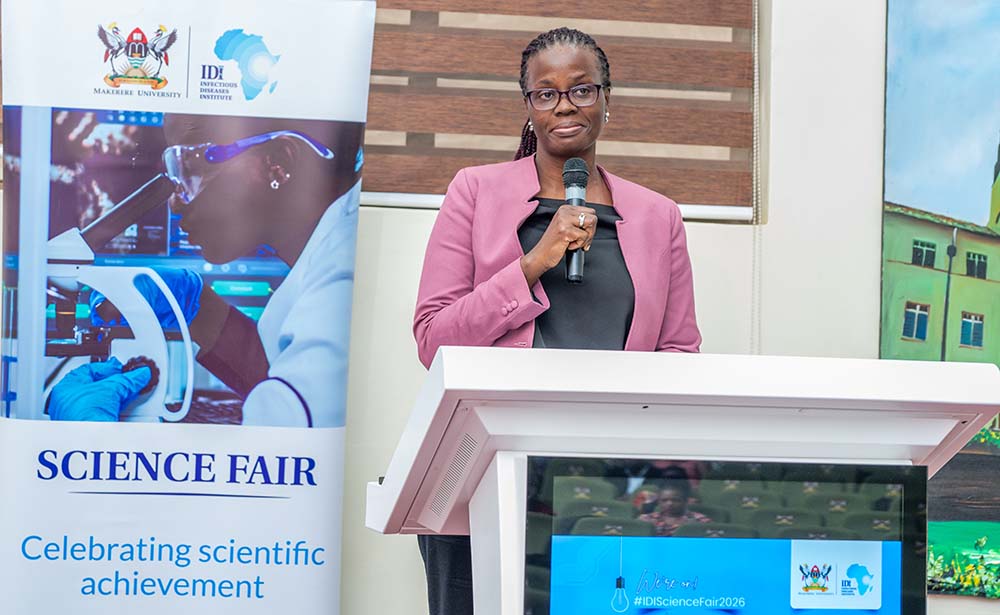
Potentially lower-cost option
Muwonge said the manufacturer, Merck/MSD, had announced the proposed name of the drug as Alimatravir.
He said discussions around patent arrangements and production by different manufacturers could potentially make the product affordable if the clinical trials demonstrate that it is safe and effective
According to Muwonge, an estimated cost of about $5 (about sh19,000) per person per year has been cited as a potential target, subject to the outcome of the research, manufacturing arrangements and eventual pricing.
Muwonge said affordability could become important as countries seek to expand access to HIV prevention services.
Choice remains central
He stressed that the monthly pill is not intended to replace existing HIV prevention methods.
“One may prefer daily oral pills, another may prefer injection for two months, another may prefer injection for six months,” he said.
“So this is an addition if it works.”
The clinical trial is being conducted in Uganda, Kenya and South Africa, with researchers awaiting results that will determine whether the intervention is effective and suitable for wider use.
Muwonge cautioned that even if the trial produces positive results, the pill would not immediately become available for routine use in Uganda.
It would first have to undergo regulatory review and approval, followed by decisions on procurement, financing and implementation
He said previous HIV prevention products had taken different periods to move from research and approval to availability in Uganda.
“We wait for the results, which we hope that we will be getting results within the next two to three years,” Muwonge said.
For now, the monthly pill remains an investigational product, and its eventual introduction into Uganda's HIV prevention programme will depend on the trial results, regulatory approval and subsequent implementation decisions.
Science and innovation
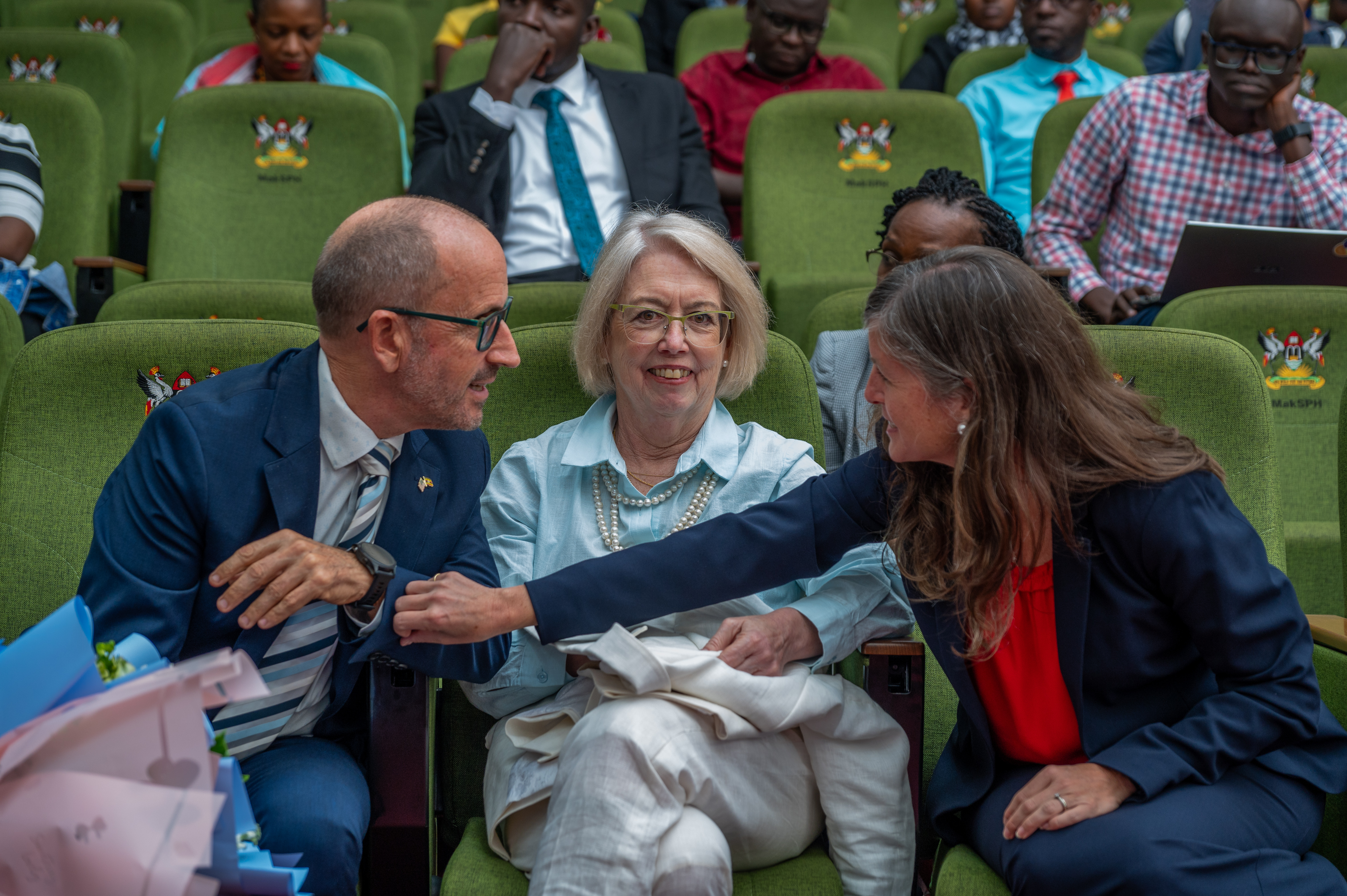
The annual Makerere Science Fair brought together researchers, clinicians, policymakers, communities, donors, development partners and government representatives to showcase research addressing health challenges.
Dr Stephen Okoboi, who heads the IDI research department, said the event provides an opportunity for established scientists and emerging researchers to share their work, receive feedback and build collaborations.
“The Science Fair is all about our people. It gives our established scientists a chance to share their work, and equally gives our early-career researchers, trainees, and emerging investigators a chance to present ideas, receive constructive feedback, build collaborations and see themselves as the next generation of scientific leaders,” Okoboi said.
Dr Katy Godfrey, the Uganda country director for the Walter Reed Army Institute of Research (WRAIR), also presented on re-evaluating and realigning funding in Uganda.
Dr Barbara Castelnuovo, a senior scientist at IDI, presented research on accelerated ageing among people living with HIV.
Susan Shereni, IDI's head of finance and administration, represented the institute's executive director, Dr Andrew Kambugu, who was away on official duties.
Shereni said this year's theme: Innovate, Implement, and Integrate, reflected the need for real-time solutions based on scientific evidence to address emerging health and societal challenges.
She said the theme also aligned with Uganda's Vision 2040 ambition of becoming a science, technology and innovation powerhouse in East Africa and the Ministry of Health Strategic Plan II 2025/26-2029/30, which emphasises the use of evidence in policymaking and service delivery.
Others at the event included Dr Mary Boyd, the Centers for Disease Control and Prevention (CDC) country director, and Prof Richard Idro, the deputy principal of Makerere University's College of Health Sciences.