
Health workers equipped to tackle preventable maternal complications
Dr Basil Bwambale, an obstetrician and gynaecologist at Mbale Regional Referral Hospital, said the training was intended to re-equip health workers with basic surgical skills needed to safely manage obstetric and gynaecological emergencies.
A team of surgeons, anaesthetist and midwife demonstrating how to handle a complicated emergency C-Section, during the training on Essential Operative Obstetrics. (Credit: Violet Nabatanzi)
Health workers have been equipped with essential surgical and emergency obstetric skills to improve the management of complications during pregnancy and childbirth and reduce preventable maternal deaths.
Dr Basil Bwambale, an obstetrician and gynaecologist at Mbale Regional Referral Hospital, said the training was intended to re-equip health workers with basic surgical skills needed to safely manage obstetric and gynaecological emergencies.
“This is a training that is majorly meant to re-equip the health workforce with essential basic surgical skills to ensure that the obstetric and maternal health services we offer in different communities are safe,” he said.
The training was conducted by Mbale Regional Referral Hospital in collaboration with the Local Maternity and Neonatal Networks and Amref Health Africa-Uganda. It focused on Essential Operative Obstetrics, with emphasis on safe surgery, anaesthesia and obstetric procedures.
Bwambale said the training brought together medical officers from Kibuku, Butebo, Pallisa and Bududa districts, together with anaesthetic personnel.
It also included resident doctors pursuing master's degrees in obstetrics and gynaecology at Busitema University, as well as intern doctors rotating through the obstetrics and gynaecology department at Mbale Regional Referral Hospital.
Speaking on September 25, 2026, at Mbale Regional Referral Hospital, Bwambale said the overall objective was to improve the quality of obstetric services and ensure that health workers could identify, manage and appropriately refer mothers with complications.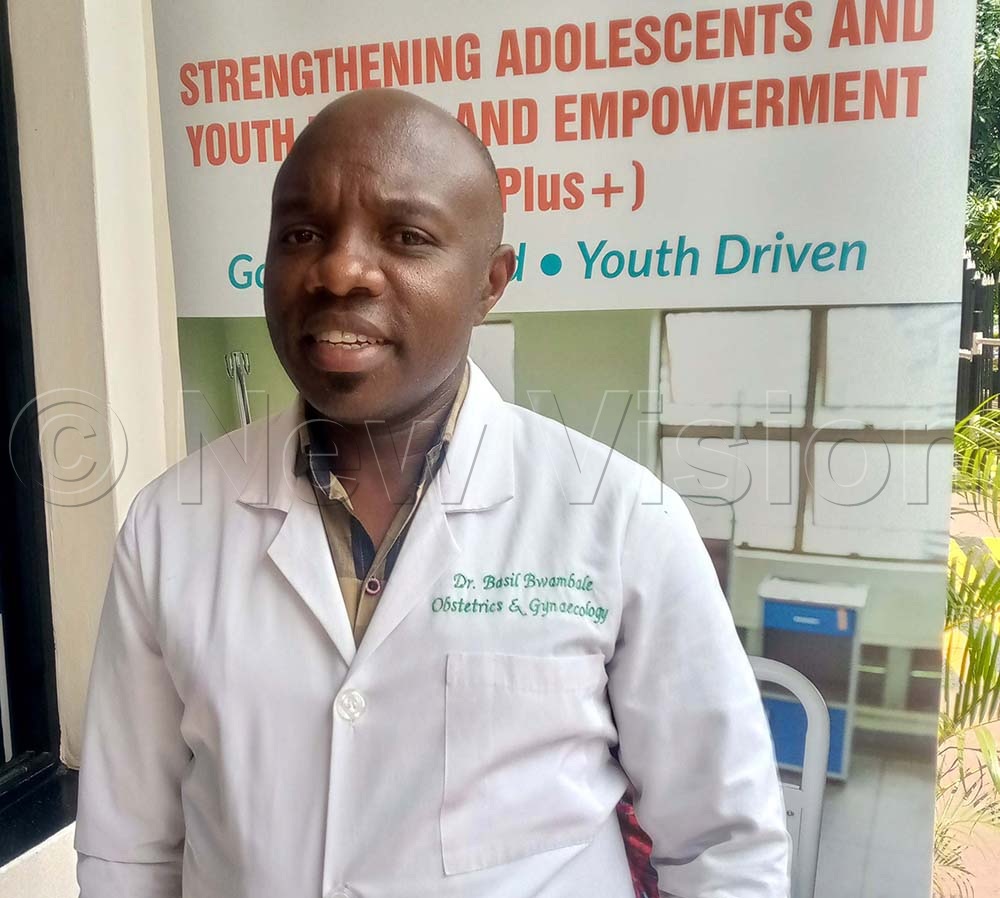
Dr Basil Bwambale, an obstetrician and gynaecologist at Mbale Regional Referral Hospital, said the training was intended to re-equip health workers with basic surgical skills needed to safely manage obstetric and gynaecological emergencies. (Credit: Violet Nabatanzi)
One of the major areas covered during the training was the management of postpartum haemorrhage, or excessive bleeding after childbirth, which can rapidly become life-threatening if not managed promptly.
Bwambale said the health workers undertook practical drills to help them anticipate, prevent and manage postpartum haemorrhage and other causes of maternal morbidity and mortality.
The training also covered the management of women who experience pregnancy loss and develop bleeding, including the use of manual vacuum aspiration (MVA) where appropriate.
Health workers were also trained to manage mothers with retained placenta, repair injuries following childbirth and perform Caesarean sections safely.
The training equipped health workers with skills to identify women who may have developed complications such as obstetric fistula following childbirth and ensure they are appropriately screened and referred for further care.
Strengthening referral system
The training also focused on improving referral systems between peripheral health facilities and Mbale Regional Referral Hospital
He said health workers should contact the regional referral hospital and the relevant specialist or consultant for guidance before transferring a critically ill patient.
“When they communicate to us at the regional referral, they help us also to prepare for such a case so that by the time the mother arrives, the teams are already assembled,” he said.
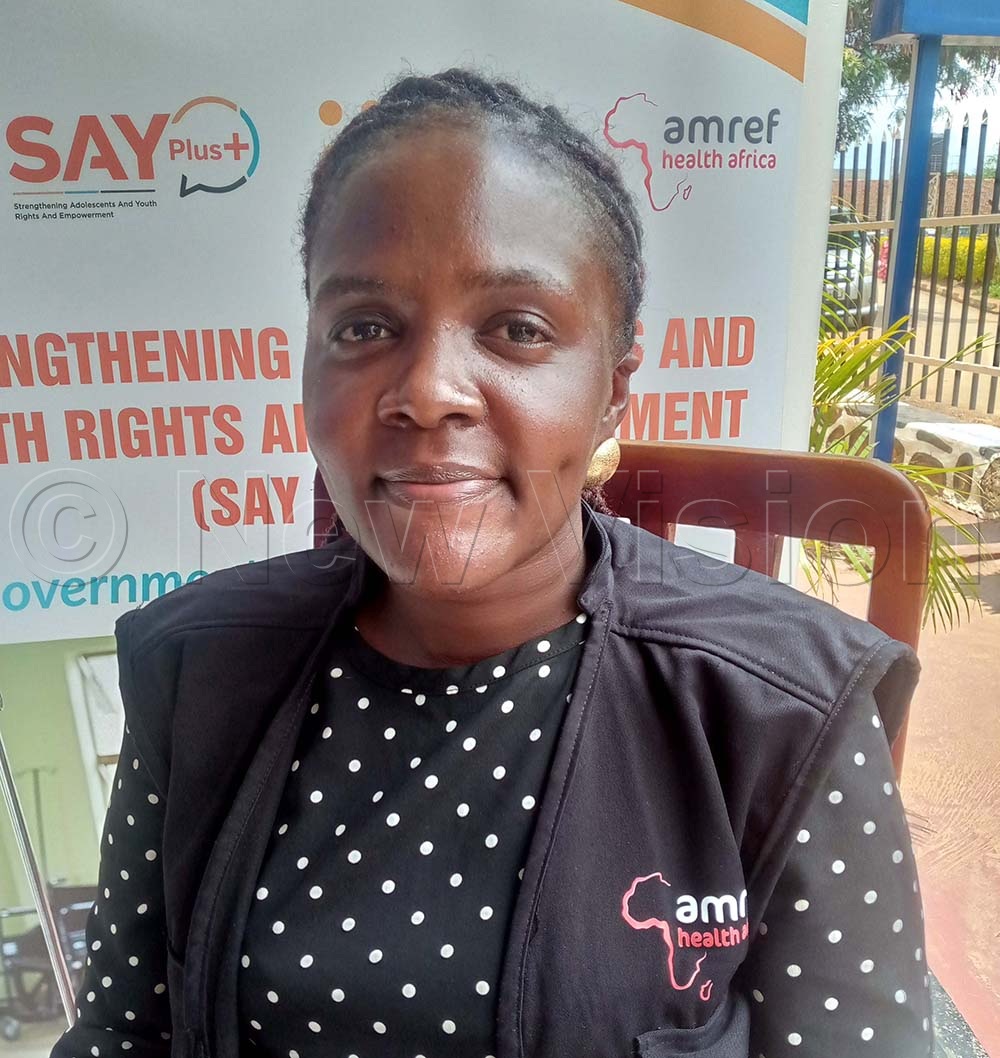
Mercy Akitim, a Health System Strengthening Officer at Amref Health Africa in Uganda. (Credit: Violet Nabatanzi)
Mercy Akitim, a health system strengthening officer at Amref Health Africa in Uganda under the Strengthening Adolescents and Youth Rights and Empowerment: Scaling Impact (SAY Plus+) project, said the training was important because the Elgon region continues to experience preventable maternal and childbirth complications.
She cited obstetric haemorrhage, birth injuries and delays in referral among the complications that require timely intervention.
“We still have very many preventable maternal complications and birth complications that can be prevented,” Akitim said.
The training attracted 25 participants. Akitim said it was also important in the context of declining donor funding, which makes it necessary to strengthen the capacity of existing health systems and promote sustainability.
“With this Essential Operative Obstetrics training, given the fact that they have been provided with the necessary skills, we have had simulations and hands-on training. As they go back to their various sites, they can manage some of those complications that need to be managed,” she said.
SAY PLUS+ is implemented by Amref Health Africa in Uganda and funded by the United Nations Population Fund (UNFPA) Uganda with pooled funding from the governments of Denmark, Sweden, the Netherlands and Iceland.
The project is being implemented in Kibuku, Butebo, Mayuge, Namayingo, Namutumba, Buyende, Mbale and Jinja Regional Referral hospitals, with the project expected to extend to other districts where it is being implemented.