
Four in five cancer patients needing molecular tests miss out, report finds
Raffaella Casolino, co-chair of the Commission, said the challenge was not simply to develop more cancer technologies and drugs but to ensure they produced meaningful benefits for patients.
The Commission estimates that between seven and eight million cancer patients require standard-of-care molecular testing every year to help guide diagnosis and treatment, but about four in five of those who need biomarker testing do not receive it.
Millions of cancer patients worldwide risk having their disease insufficiently characterised or receiving treatment without crucial molecular information because most patients who need molecular testing do not receive it, a new Lancet Oncology Commission has found.
The Commission estimates that between seven and eight million cancer patients require standard-of-care molecular testing every year to help guide diagnosis and treatment, but about four in five of those who need biomarker testing do not receive it.
The findings raise concerns about the ability of health systems to accurately characterise cancers and match patients to treatments that could work for the molecular features of their disease.
The report, Accelerating Equitable Cancer Genomics and Precision Oncology in Health Care and Research, was unveiled on September 25 at the World Cancer Congress in Hong Kong.
The Lancet Oncology Commission brought together more than 50 commissioners from 21 countries and 48 partners across multiple disciplines.
Molecular or biomarker testing involves examining cancer cells or a patient's biological material for specific genes, proteins or other molecular features that can help doctors understand a tumour and determine appropriate treatment.
Without access to such testing, many patients do not receive information that could distinguish cancers at a molecular level or identify treatments designed to target particular characteristics of their disease.
Mark Lawler, co-chair of the Commission, said the scale of the testing gap was unexpected.
“Four out of five? We couldn't believe it when we saw that data coming out of our work,” Lawler said in a podcast accompanying the report.
He said high-quality cancer care involving molecular testing and precision oncology remained largely concentrated in wealthier countries, with access challenging even in some high-income settings.
The Commission said a recent World Health Assembly resolution on precision oncology provides an opportunity to move from fragmented initiatives towards a more coordinated global approach.
The Commission's findings are particularly significant as cancer treatment increasingly moves beyond identifying where a tumour is located to understanding its molecular characteristics.
Lawler said testing can help identify genetic changes, proteins and other biomarkers that may influence how a cancer behaves and whether a patient could benefit from a particular therapy
He highlighted that the absence of such information does not automatically mean a patient has been misdiagnosed, but said the Commission's findings highlight a major limitation in cancer care: doctors may have to make important diagnostic and treatment decisions without molecular information that could provide a more complete picture of the disease
Lawler said the global cancer community had made major advances in scientific breakthroughs but now needed to ensure those advances reached patients.
“We're very good at breakthrough, but now we need to be equally good at follow-through,” he said.
Unequal access
The Commission found that access to precision oncology remains deeply unequal, with molecular testing, genomic research and biomarker-driven clinical trials disproportionately concentrated in high-income countries and Western populations.
Lawler said this imbalance also affected the evidence base used to develop precision cancer care because genomic research and clinical trials do not adequately represent many populations around the world.
Raffaella Casolino, co-chair of the Commission, said the challenge was not simply to develop more cancer technologies and drugs but to ensure they produced meaningful benefits for patients.
She identified access to molecular testing and treatments already known to work, stronger evidence on their clinical usefulness and value, and investment in infrastructure and the workforce as key priorities.
That infrastructure is particularly important in health systems where cancer diagnosis and treatment already face shortages of specialist personnel, advanced laboratories and diagnostic technologies.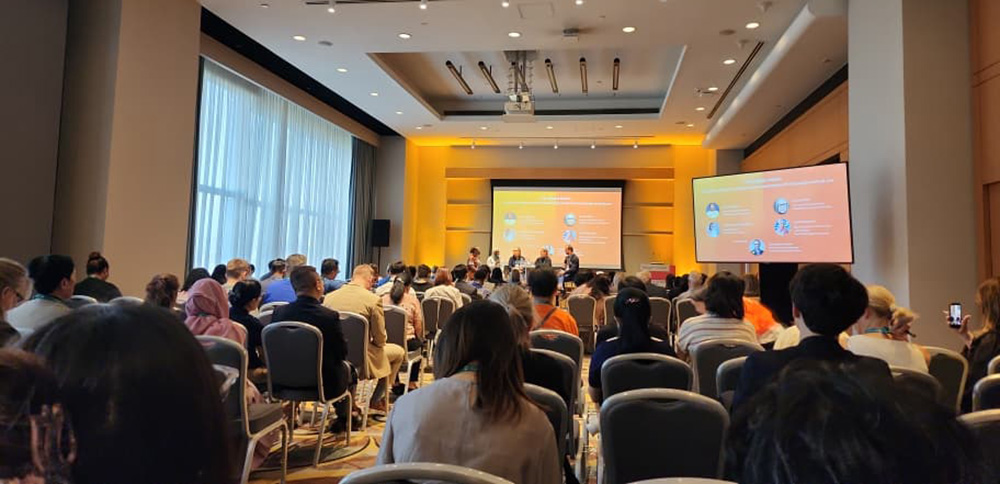
The Commission also warned that new technologies could deepen existing inequalities if they remained concentrated in specialised centres that only a small proportion of patients can access.
Casolino said precision oncology also needed to become more inclusive and better connected to the realities of cancer care in different parts of the world.
The Commission included regional perspectives from North America, Central and Latin America, Africa, Europe, South-East Asia and the Western Pacific. It also involved people with lived experience of cancer from the beginning of the work.
Lawler said patients had raised important questions about whether precision oncology would improve outcomes without creating additional financial and other burdens for patients and their families.
Risk of widening cancer inequalities
The Commission also warned that new technologies could deepen existing inequalities if they remained concentrated in specialised centres that only a small proportion of patients can access.
Genomics, artificial intelligence and big data could improve cancer outcomes and make care more efficient, Casolino said, but precision oncology could also become increasingly complex and expensive.
“Our data suggests that we are currently closer to that second trajectory, so we need to change course now,” she said.
The Commission's concerns come as countries seek to expand precision oncology while dealing with substantial differences in laboratory capacity, specialist workforce, financing and access to cancer medicines.
The Commission said a recent World Health Assembly resolution on precision oncology provides an opportunity to move from fragmented initiatives towards a more coordinated global approach.
It has proposed frameworks covering the value of precision oncology, health-system readiness, workforce development, monitoring and evaluation, and responsible use of health and genomic data.
The report argued that closing the testing gap will require investment not only in cancer medicines, but also in laboratories, diagnostic technologies, trained health workers, clinical pathways and data systems needed to translate advances in cancer genomics into routine patient care.