
Thousands estimated to be living with untreated clefts in Uganda
Outreach teams from health facilities providing comprehensive cleft care are working to identify people who have never undergone surgery and those who require follow-up treatment.
Dr George Galiwango, a plastic and cleft surgeon at Comprehensive Rehabilitation Services for People with Disability in Uganda (CoRSU), speaks during the Smile Train Partners Engagement Forum at Hotel Africana. (Photo by Violet Nabatanzi)
___________________ Dr Ronnie Bahatungire, Commissioner for Clinical Services at the Ministry of Health, speaks during the Smile Train Partners Engagement Forum at Hotel Africana. (Photo by Violet Nabatanzi)
Thousands of people are estimated to be living with untreated cleft lip and palate in Uganda, plastic and cleft surgeon Dr George William Galiwango has said.
Galiwango of Comprehensive Rehabilitation Services for People with Disability in Uganda (CoRSU) said outreach teams from health facilities providing comprehensive cleft care are working to identify people who have never undergone surgery and those who require follow-up treatment.
The teams sensitise and mobilise communities, educate families and work with village health teams, regional referral hospitals and lower-level health facilities to identify and refer patients for care.
Galiwango said comprehensive cleft care is provided by a multidisciplinary team comprising surgeons, anaesthesia providers, nurses, speech and language therapists, dentists, ear, nose and throat (ENT) specialists, maxillofacial surgeons, counsellors and psychologists.
A cleft lip and cleft palate are congenital openings or splits in the upper lip, the roof of the mouth (palate), or both.
“Several studies have been conducted, but none has conclusively established the possible cause of cleft deformities," said Dr Ronnie Bahatungire, the commissioner in charge of clinical services at the Ministry of Health.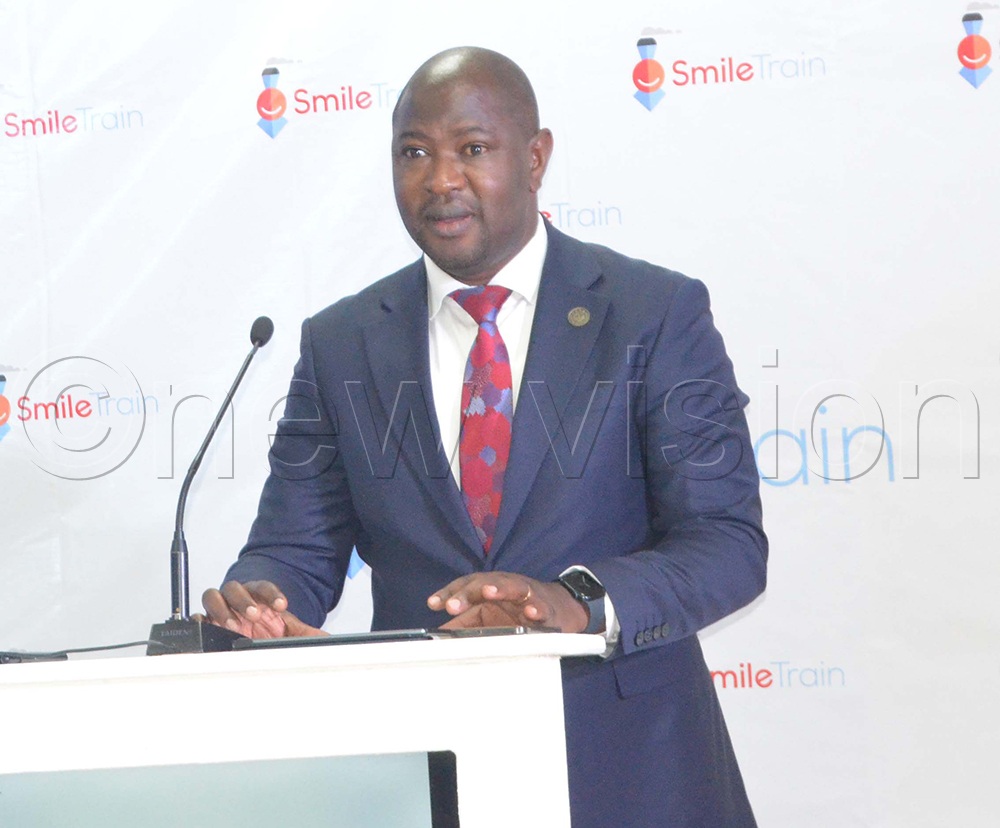
"That is why it is important for specialists and healthcare practitioners to continue researching to establish what causes them."
In the past, it was presumed that expectant mothers who did not have sufficient quantities of folic acid were at a higher risk of giving birth to children with deformities.
Cleft deformities are among several birth defects that affect children, alongside neural tube defects and hydrocephalus.
Others include defects around the umbilical cord, where the skin does not develop properly, causing the intestines to protrude outside the body.
Bahatungire said identifying the cause would be critical to addressing the burden of cleft deformities.
He commended Smile Train and its partners for contributing to the training of healthcare professionals specialising in the repair of cleft deformities.
Solar-powered theatres
Nkeiruka Obi, vice-president and regional director for Africa at Smile Train, said the organisation had partnered with Kids Operating Room to install dedicated, solar-powered paediatric operating theatres in two health facilities, including CoRSU and Divine Mercy Hospital.
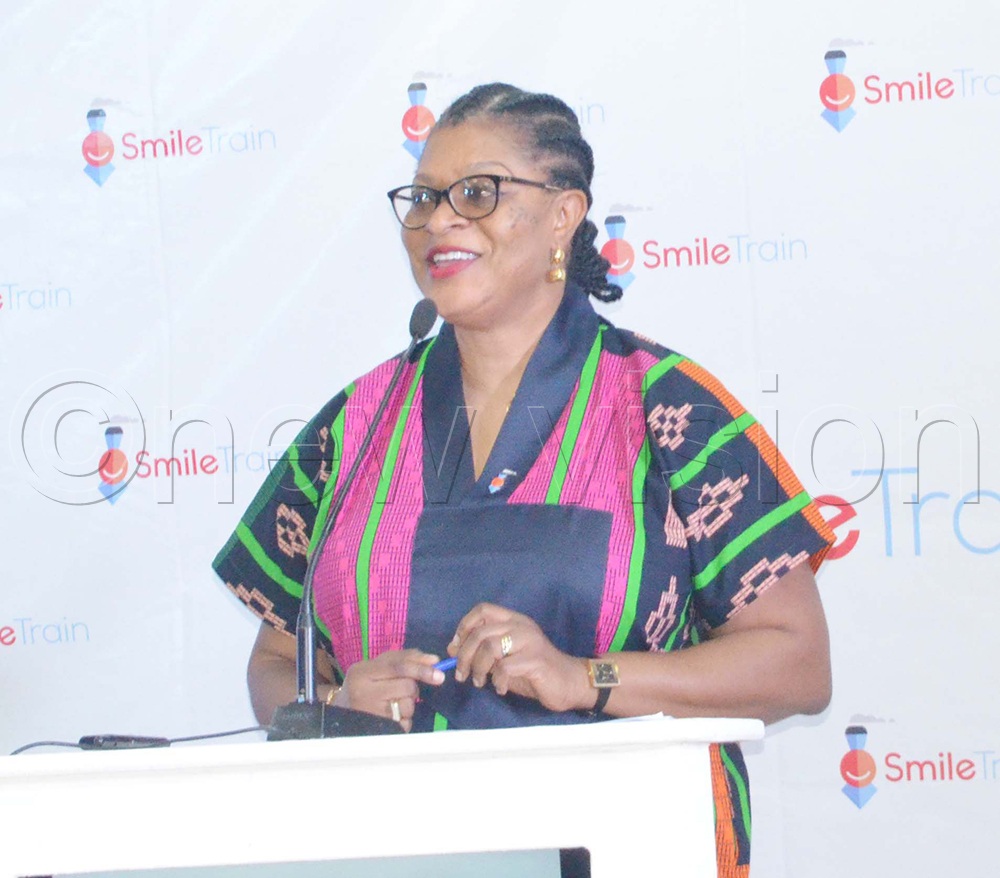
Nkeiruka Obi, Vice-President and Regional Director for Africa at Smile Train, speaks during the Smile Train Partners Engagement Forum at Hotel Africana. (Photo by Violet Nabatanzi)
She said the solar-powered theatres would reduce the risk of power interruptions during surgical procedures while promoting the use of clean energy.
She emphasised that paediatric surgery is an integral part of the global health system, noting that children have different surgical needs from adults and require specialised equipment.
Obi said cleft care is an essential component of global surgery and that, through its cleft care programmes, Smile Train is helping strengthen both surgical and paediatric healthcare systems.
She added that access to treatment for children born with cleft conditions had improved significantly, with more trained and skilled healthcare professionals, better-equipped paediatric surgical teams and improved surgical infrastructure.
'Repairable condition'
Galiwango urged parents with children born with cleft lip and palate not to lose hope, emphasising that the condition is treatable and that support is available.
“Having a cleft is not a death sentence. It is a repairable condition, and support is available for surgery and other aspects of care, including child healthcare, speech and dental services,” he said.
He encouraged parents to seek medical attention, noting that children with cleft lip and palate can receive surgery and other essential services to support their health, growth and development.
Audrey Linda, programme manager at Smile Train Uganda, said people can access the services in the partner hospitals across the country, including: CoRSU, Divine Mercy Hospital Mbarara, St Joseph hospital in Wakiso, Fort Portal and Kayunga Regional Referral hospital.