
'Lenacapavir prevents HIV but not STIs or unwanted pregnancy'
Health minister Dr Jane Ruth Aceng cautioned that while the new drug, lenacapavir, is highly effective in preventing HIV, it does not protect against other sexually transmitted infections or unintended pregnancy.
The injectable drug is administered just twice a year. (Credit: Agnes Kyotarengereire)
As Uganda rolls out a groundbreaking long-acting HIV prevention injection, the Ministry of Health has warned against misconceptions that could lead to risky sexual behaviour among users.
Health minister Dr Jane Ruth Aceng cautioned that while the new drug, lenacapavir, is highly effective in preventing HIV, it does not protect against other sexually transmitted infections or unintended pregnancy.
“While clinical trials show it is highly effective in preventing HIV when used correctly, it does not prevent infections such as gonorrhea, syphilis, or chlamydia, nor does it protect against pregnancy.
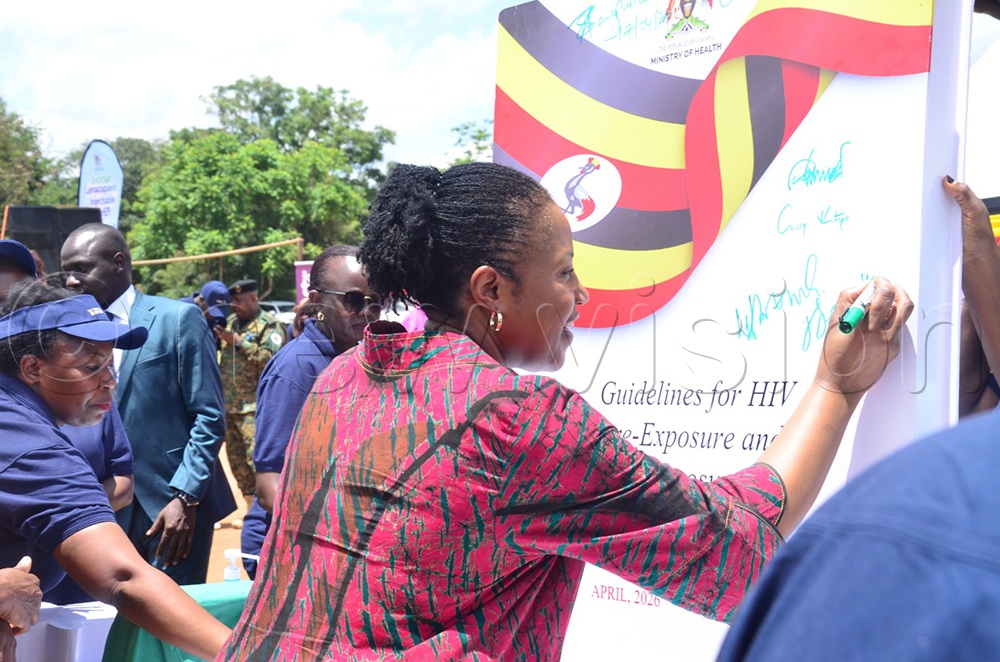
"That’s why we urge you to remain responsible even after receiving this PrEP (pre-exposure prophylaxis),” she said during the launch in Lira city on Friday (April 17).
The minister underlined that lenacapavir is not a vaccine and should not be mistaken for a complete safeguard against all sexual health risks.
The injectable drug is administered just twice a year.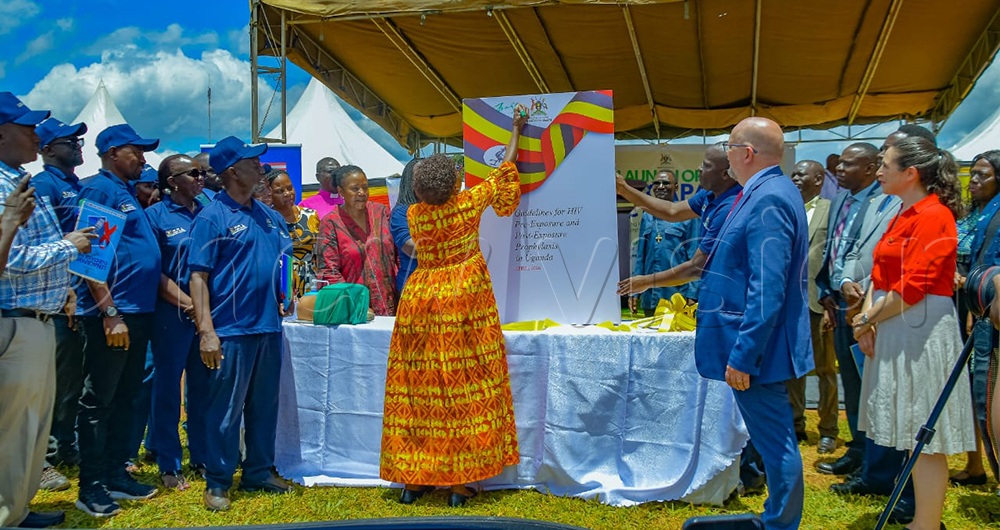
It is being hailed as a major breakthrough in Uganda’s fight against HIV, offering a more convenient alternative to daily oral PrEP, particularly for people at high risk of infection.
However, even as excitement builds around the new prevention option, health experts warn of possible misuse driven by a false sense of security.
“I'm worried that there's already a group of people who think that all the problems are now solved with this drug,” said Dr Andrew Odur, the director of Lira Regional Referral Hospital.
“We must make sure that the message is very clear so that the well-intended drug is not misused.”
Odur noted that the concern revolves around what experts describe as risk compensation and irresponsible living especially for those who will receive this jab through a behavioural shift where individuals engage in riskier sexual practices because they feel protected by a medical intervention.
Meanwhile, he highlighted the need for a broader health response, noting a growing burden of non-communicable diseases. He said Lira Regional Referral Hospital has already established a wellness clinic integrating services such as blood pressure and diabetes screening alongside HIV care.
In the case of lenacapavir, this could lead to reduced condom use, increasing exposure to other infections and unintended pregnancies.
'Prevention strongest weapon'
Despite significant progress in the fight against HIV, Uganda continues to record new infections. The country has reduced annual infections from about 96,000 in 2010 to approximately 37,000 in 2025, with more than 1.4 million people currently on treatment.
However, about 100 people still acquire HIV every day, with adolescent girls and young women disproportionately affected. It is within this context that lenacapavir is being introduced not as a stand-alone solution, but as part of a broader combination prevention strategy.
Aceng stressed that the country must not abandon proven methods, reiterating the importance of the ABC approach, which includes abstinence, being faithful, and consistent condom use, especially among those with multiple sexual partners.
“Prevention remains our strongest weapon,” she said.
The health minister said the rollout will be phased, starting with 103 health facilities targeting high-risk populations. By the end of 2026, at least 300 facilities are expected to be offering the injection nationwide.
Health experts highlighted that combining prevention methods remains essential alongside lenacapavir. Interventions such as condom use, regular HIV testing, and safe male circumcision will continue to play a central role.