
Health ministry, KOFIH Uganda strengthen partnership
Dr. Ponsiano Mwebe (Medical Superintendent), Butenga Health Centre IV, Bukomansimbi District Local Government emphasised that the MOH scales up NOMAD usage to lower-level health facilities as well as the National Referral Hospitals and specialised Health Institutions in Uganda.
The event brought together senior officials from the Ministry of Health, KOFIH Uganda, the Office of the Prime Minister, beneficiary health facilities, the District and City Health Officials, the Uganda Cancer Institute, the National TB Reference Laboratory, development partners, and biomedical engineering experts to validate the findings and agree on practical recommendations.
KAMPALA - The Ministry of Health (MoH), in partnership with Korea Foundation for International Healthcare (KOFIH) Uganda, has reaffirmed its commitment to strengthening management and sustainability of donated medical equipment.
This follows the dissemination of findings from an integrated evaluation of KOFIH-donated medical equipment conducted in five beneficiary health institutions across Uganda.
KOFIH has supported Uganda's health sector by donating essential medical equipment to improve diagnostic, treatment, and specialised healthcare services. The investments have significantly enhanced service delivery, particularly in referral hospitals and lower-level health facilities.
However, as medical equipment ages, concerns emerge regarding its maintenance, functionality, utilisation, and long-term sustainability.
The study also revealed strong governance and accountability practices, with nearly all facilities maintaining asset registers, equipment committees, and maintenance agreements.
However, significant gaps remain, including limited maintenance financing, shortages of biomedical engineers at district level, and incomplete registration of equipment in the National Health Infrastructure Inventory Management System (NHIIMS–NOMAD).
The findings were disseminated during a stakeholder meeting held on June 23, 2026, in Kampala.
The event brought together senior officials from the Ministry of Health, KOFIH Uganda, the Office of the Prime Minister, beneficiary health facilities, the District and City Health Officials, the Uganda Cancer Institute, the National TB Reference Laboratory, development partners, and biomedical engineering experts to validate the findings and agree on practical recommendations.
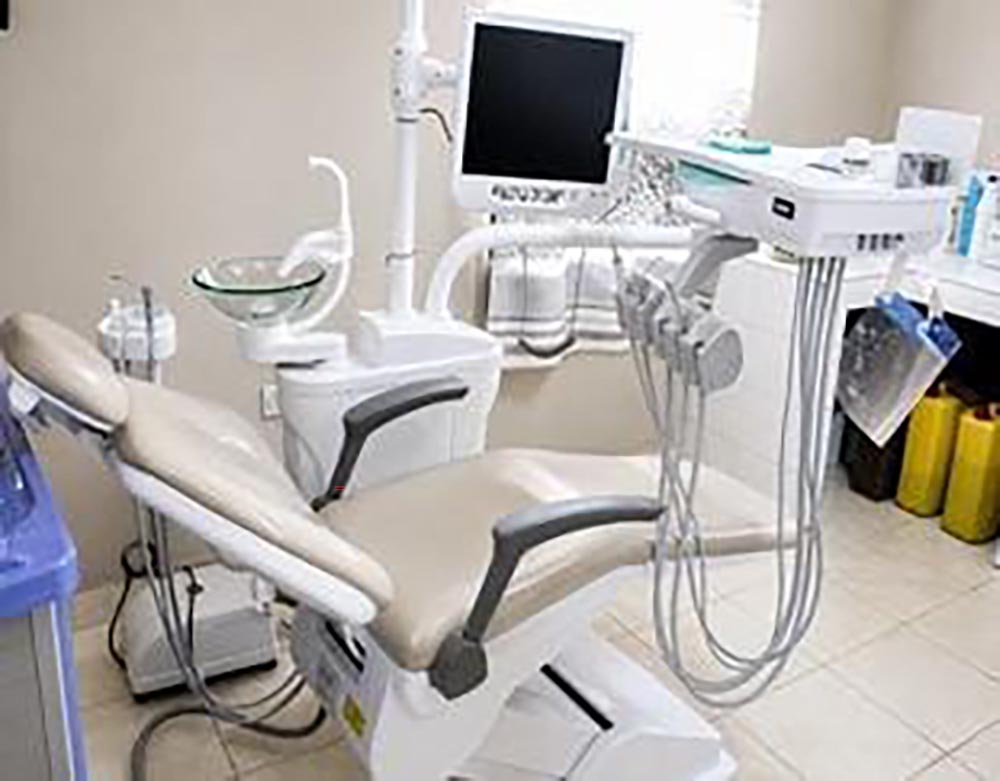
Key issues and actions discussed in the dissemination included stakeholders endorsing the expansion of the NHIIMS–NOMAD platform as a national tool for real-time monitoring of medical equipment and called for increased investment in biomedical engineering capacity, dedicated maintenance budgets, and stronger partnerships to ensure donated medical equipment continues to provide quality healthcare services and improved health outcomes for Ugandans.
Dr. Ponsiano Mwebe (Medical Superintendent), Butenga Health Centre IV, Bukomansimbi District Local Government emphasised that the MOH scales up NOMAD usage to lower-level health facilities as well as the National Referral Hospitals and specialised Health Institutions in Uganda.
He also suggested developing an Automated Medical Equipment Management System for tracking equipment throughout its lifecycle from procurement to maintenance and ensuring equitable distribution across facilities. This system would be utilised by KOFIH Uganda, the Ministry of Health, facility managers, and biomedical engineers, among others.
The stakeholders in the meeting pointed out the increasing need for investment in equipment maintenance and sustainability, while strengthening capacity through continuous training of biomedical engineers, their certification to maintain high-end medical equipment, and enhanced knowledge transfer from biomedical engineers trained in South Korea.
One of the immediate actions was to present the findings of this evaluation to be presented at MOH Uganda Technical Working Group and MOH Top Management for policy alignment.