
Alupo urges African countries to strengthen health emergency preparedness
On regional preparedness, Alupo urged neighbouring countries to strengthen cross-border disease surveillance, share epidemiological information promptly and coordinate emergency responses, noting that population movements across borders make unilateral approaches insufficient to contain disease outbreaks.
Vice President Jessica Alupo is addressing a special session on health security and sovereignty. VP is representing President Yoweri Museveni at the ongoing 5th International Conference on Public Health in Africa.
ADDIS ABABA - Vice-President Jessica Alupo has called on African countries to strengthen regional cooperation, invest in domestic health production and protect essential healthcare services as the continent faces overlapping public health emergencies.
Alupo said African countries must move beyond policy commitments and strengthen their capacity to respond to multiple health emergencies, particularly in conflict-affected, humanitarian and resource-constrained settings.
She made the call on November 24 while presiding over a high-level panel on managing concurrent health emergencies during the Fifth International Conference on Public Health in Africa (CPHIA 2026) in Addis Ababa, Ethiopia.
Drawing on Uganda’s experience, Alupo cited the country’s response to COVID-19, Ebola outbreaks and the humanitarian demands of hosting close to two million refugees and asylum seekers.
She also cited Uganda’s response to the 2022 Ebola outbreak, which involved targeted movement restrictions in the affected districts, emphasising the importance of political leadership, evidence-based decisions and transparent communication in securing public cooperation.
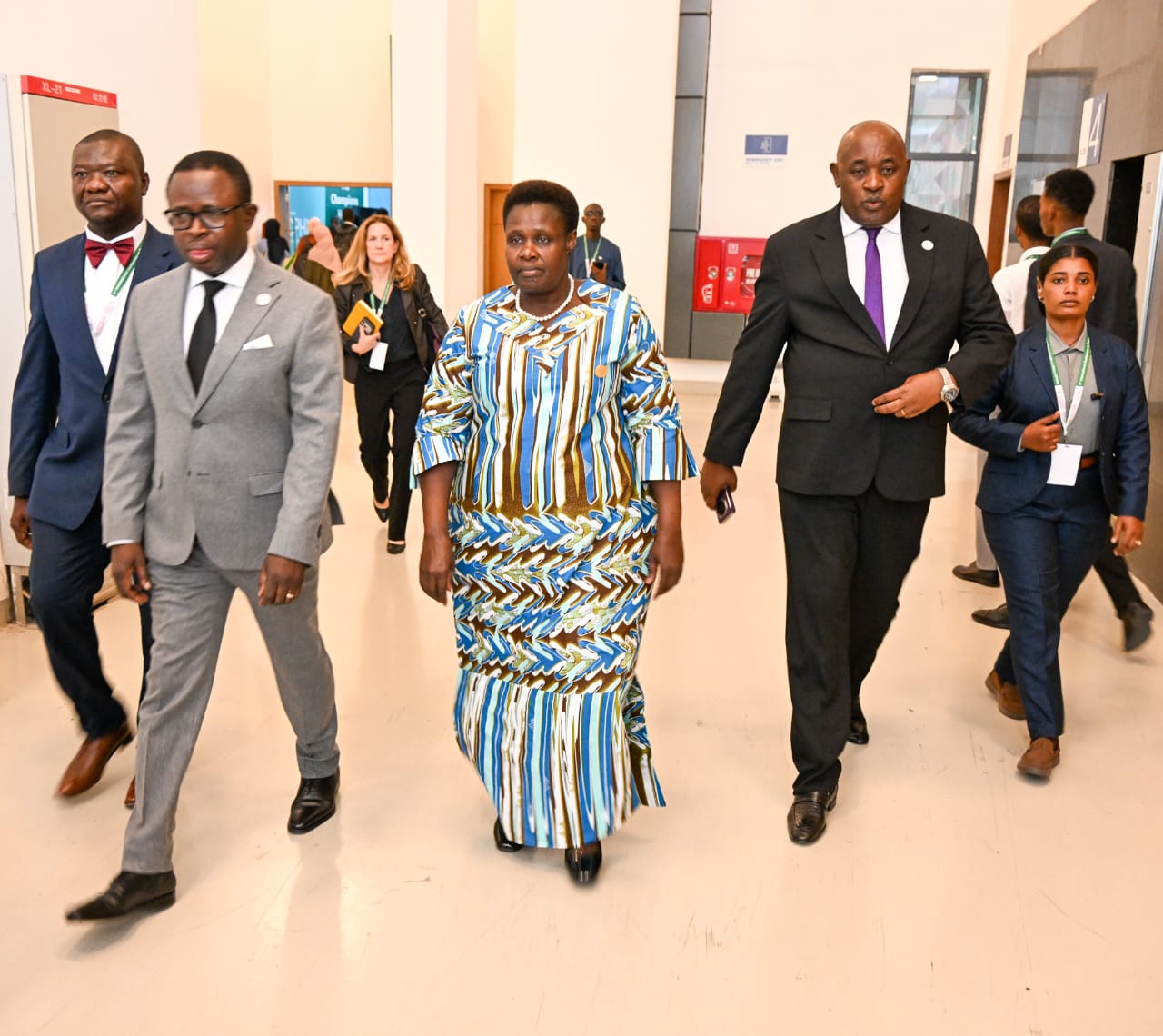
Vice President Jessica Alupo, Health Minister Chris Baryomunsi and other delegates during a special session on health security and sovereignty meeting in Ethiopia.
Alupo, according to a release from her office, warned that public health emergencies should not disrupt essential services, particularly maternal and newborn healthcare, childhood immunisation and treatment for HIV, tuberculosis and malaria.
She called for humanitarian health interventions to be integrated into national health systems to ensure refugees and host communities have access to essential healthcare.
She also called for increased investment in local production of vaccines, medicines and diagnostic products, alongside research, technology, health infrastructure and domestic financing to strengthen Africa’s health sovereignty.
Alupo challenged participating countries to identify priority interventions for implementation within the next three to six months, address preparedness gaps and establish national accountability mechanisms.
She urged the Africa Centres for Disease Control and Prevention (Africa CDC) and development partners to support countries in translating commitments into measurable results
“The true measure of preparedness is not the number of strategies developed, but whether health facilities remain functional, health workers are available, essential medicines are accessible, and communities receive timely care when emergencies arise,” she said
The conference brings together African leaders, health experts and development partners to discuss strategies for strengthening health security, institutional resilience and cooperation across the continent.