
Disability: Giving every child a chance to thrive
Dr Charles says many children with disabilities are neglected by their parents, kicked out of the education system and left to wither away. This injustice should stop.
At Tunaweza, Kakonge employs various approaches to nurture and unlock the potential of children with special needs. (Credit: Ritah Mukasa)
_________________
For some children with disabilities, the greatest barrier to education is not their condition but the assumptions made about what they can achieve.
Some are kept at home, excluded from classrooms and denied opportunities to discover their abilities. Others grow up in families struggling to afford the therapy, specialist care and support they need to become independent.
“Many children with disabilities are neglected by their parents, kicked out of the education system and left to wither away. This injustice should stop,” says Dr Charles Ayume, Minister of State for Primary Health Care and Member of Parliament for Koboko Municipality.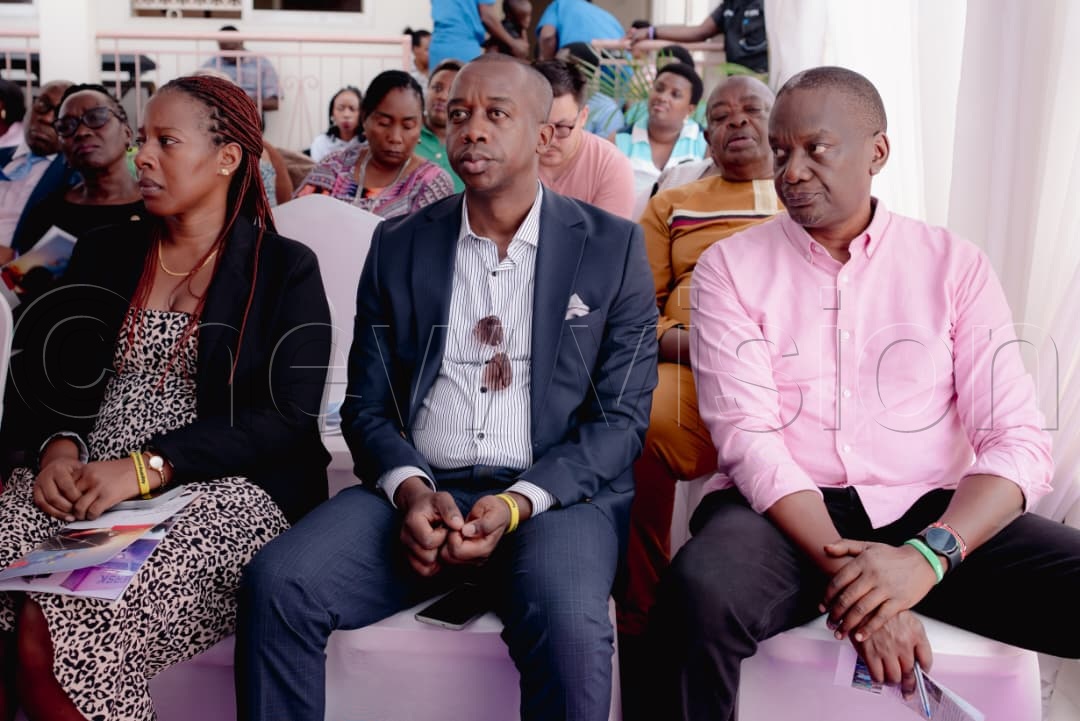
Minister Charles Ayume (centre) during the event. (Credit: Ritah Mukasa)
Speaking at the commemoration of Universal Children's Day at Tunaweza Children's Centre in Kiwatule, Kampala, on November 20, 2026, under the theme Ability Beyond Disability, Ayume argued that children with disabilities have considerable potential, but unlocking it requires love, early intervention and an educational environment tailored to their needs.
He pointed to saxophonist Caesar Kajura as an example of what determination and sustained support can achieve. Born with a profound disability, Kajura was reportedly given a bleak prognosis. His parents were told he might never speak or perform basic tasks independently. Rather than accept those predictions as the limits of his future, his mother pursued therapy and supported his development, helping him learn to walk, speak and gain independence.
For Ayume, such stories illustrate why a disability diagnosis should not become a verdict on a child's future.
The first four years of a child's life are particularly important, he said, calling on parents to accept their children early and seek help from specialists, including occupational and speech therapists, physiotherapists and special-needs educationists.
“Some communities still associate disability with misfortunes,” Ayume said. “These children are just abled differently. Normalise bringing them out and moving with them.”
A mother's determination
The challenges facing families were also central to the story of Pamela Titi Kakonge, founder of Tunaweza Children's Centre.
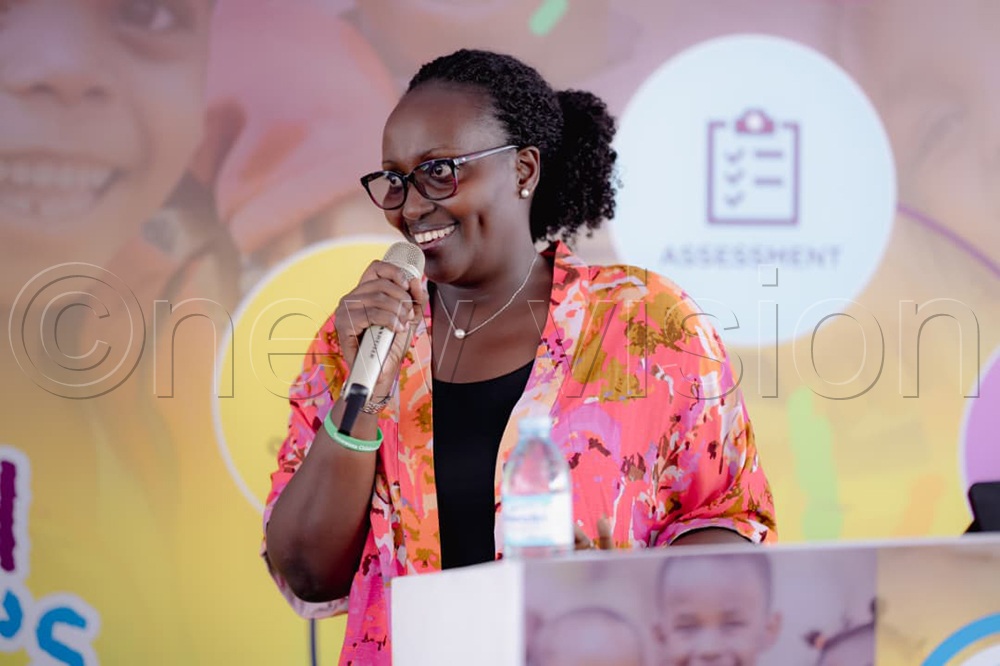
Pamela Titi Kakonge, founder of Tunaweza Children’s Centre. (Credit: Ritah Mukasa)
For many parents, raising a child with special needs means navigating not only the demands of care and therapy but also stigma, financial strain and strained family relationships. Kakonge said some mothers are abandoned by their husbands or relatives, leaving them to shoulder the responsibility of caring for their children, often without adequate resources.
Therapy, she noted, is expensive and requires patience, consistency, compassion and professional expertise.
Her own experience shaped the work she would eventually establish at Tunaweza. Her daughter was born with brain damage, and doctors offered a diagnosis that could easily have defined the family's expectations. Kakonge, however, chose to concentrate on what her daughter could do rather than what she could not.
“My daughter was born with brain damage, and doctors gave us their diagnosis. But I put everything aside and concentrated on her abilities,” she said. “She is the reason I started Tunaweza. I focused on helping her overcome her weaknesses, not academics.”
The experience reinforced Kakonge's conviction that children should be recognised for their abilities and given opportunities to develop them. Every child, she said, deserves to be seen, heard and supported in an environment that accommodates their individual needs.
Kakonge's story also illustrates a wider point: with appropriate support, children with disabilities can acquire skills, become independent and lead meaningful lives.
The specialists behind progress
Ayume called on government agencies, communities and other stakeholders to support organisations such as Tunaweza that provide specialised care and learning opportunities.
He also pledged to advocate for better remuneration for allied health professionals and a review of the health sector's human-resource structure.
These professionals, who include audiologists, speech and language therapists and physiotherapists, play an important role in diagnosing, treating and managing conditions that affect children's development. Their work often complements that of doctors, helping children improve their communication, mobility and ability to function independently.
“These scientists should be paid well,” Ayume said, noting that even the outcome of a paediatrician's diagnosis, however senior, may depend on the intervention of a speech therapist or physiotherapist.
For children with disabilities, the difference between being excluded and reaching their potential can depend on whether such specialists are available, accessible and adequately supported.
The message from the commemoration was clear: a child's disability should not determine the boundaries of their future. What matters is whether families, schools, health professionals and society are prepared to create the conditions in which that future can unfold.