
Support enhanced vocationalisation model of secondary education, schools appeal to Museveni
Kamulegeya said they would send a petition to President Museveni asking him to pick interest and promote the enhanced model that is implemented alongside the ongoing competency-based curriculum, which is part of his practical education agenda anchored in his push for science, technology and hands-on vocational training in schools.
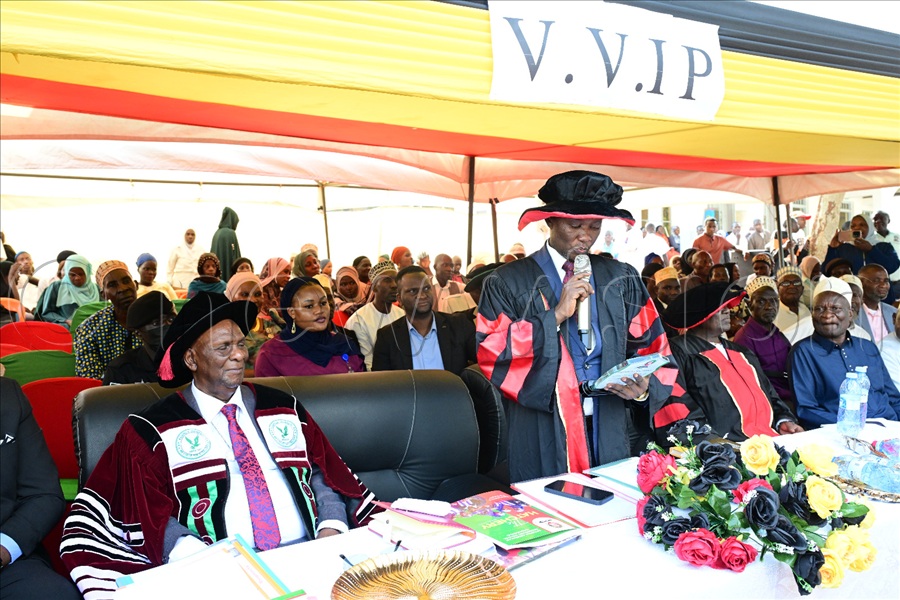
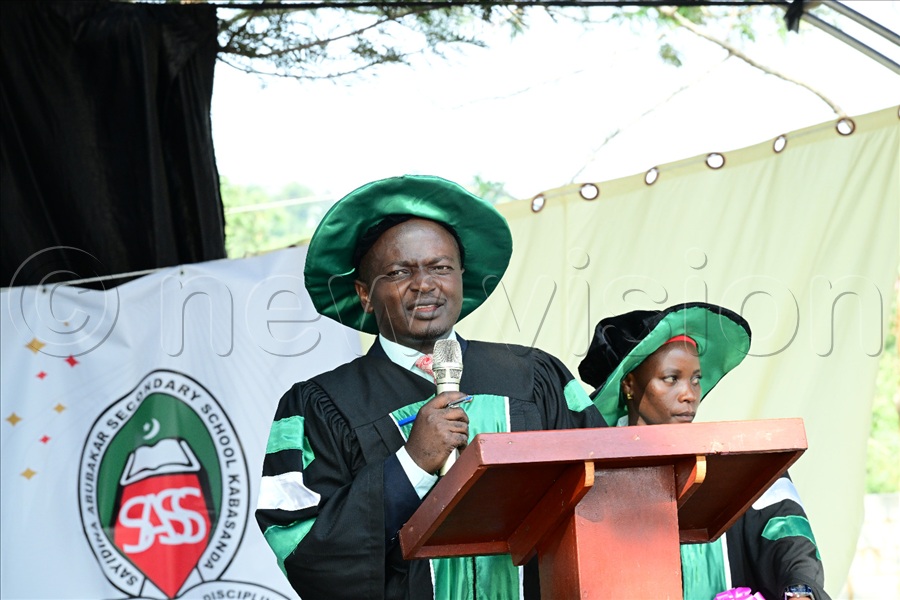
Kamulegeya said vocational technical education and training must be emphasised following the government's successful implementation of Universal Primary Education and Universal Secondary Education to develop productive skills. (Credit: Eddie Ssejjoba)
Secondary education headteachers have appealed to President Yoweri Museveni to support the enhanced model of the vocationalisation of secondary education, which bridges the gap between academic theory and practical, market-relevant skills.
The enhanced model, which has excited many institutions, seeks to integrate practical, trade-oriented skills into general academic curricula.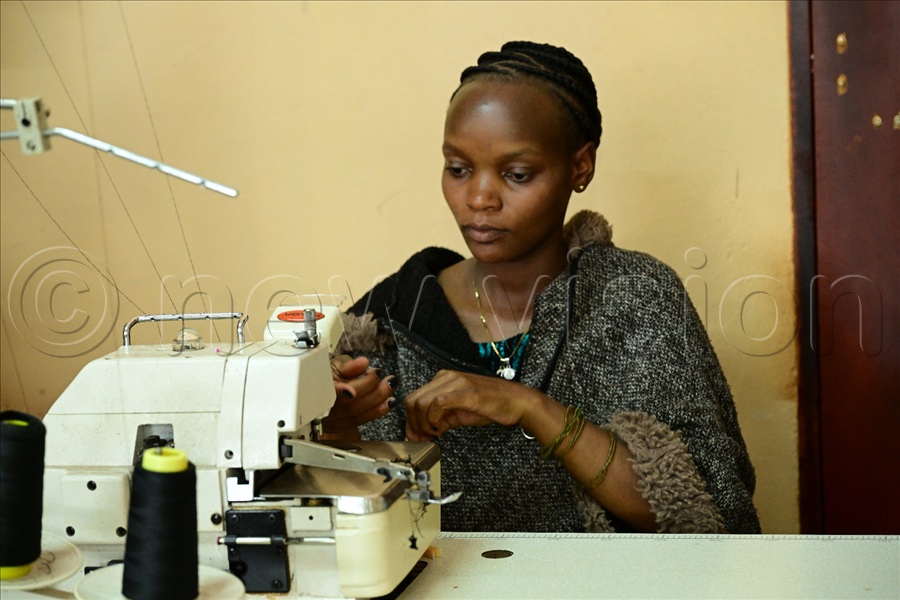
Kamulegeya said vocational technical education and training must be emphasised following the government's successful implementation of Universal Primary Education and Universal Secondary Education to develop productive skills. (All Photos by Eddie Ssejjoba)
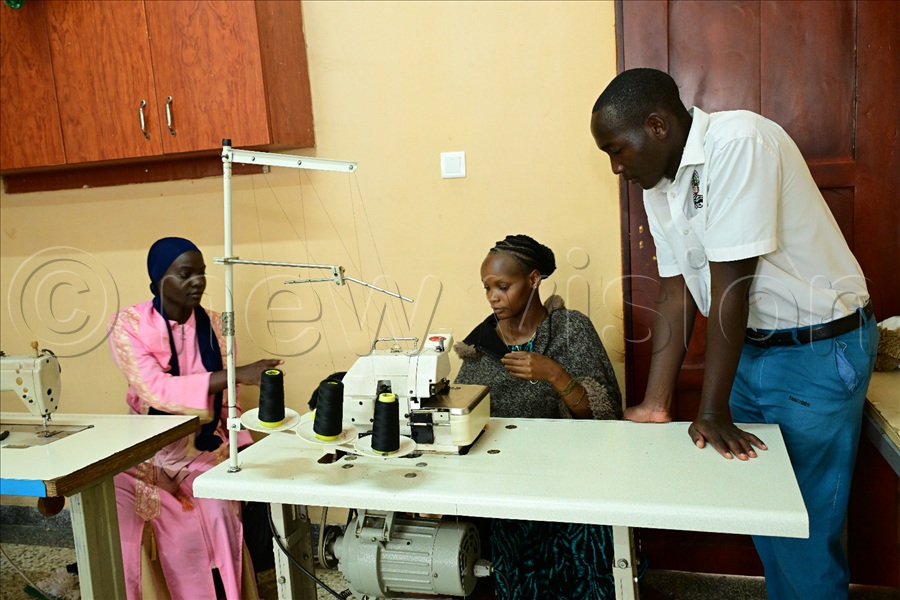
The primary objective is to prepare secondary school students for self-employment while they continue to pursue their standard studies, making learning immediately relevant to the labour market.
The model is championed by Sayidina Abubakar Secondary School Kabasanda, Butambala district.
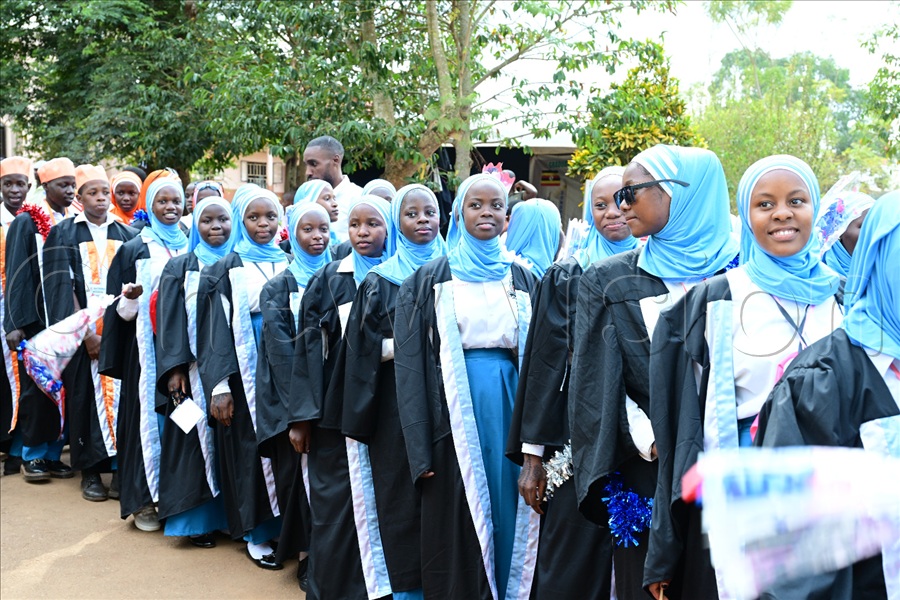
The model is championed by Sayidina Abubakar Secondary School Kabasanda, Butambala district.
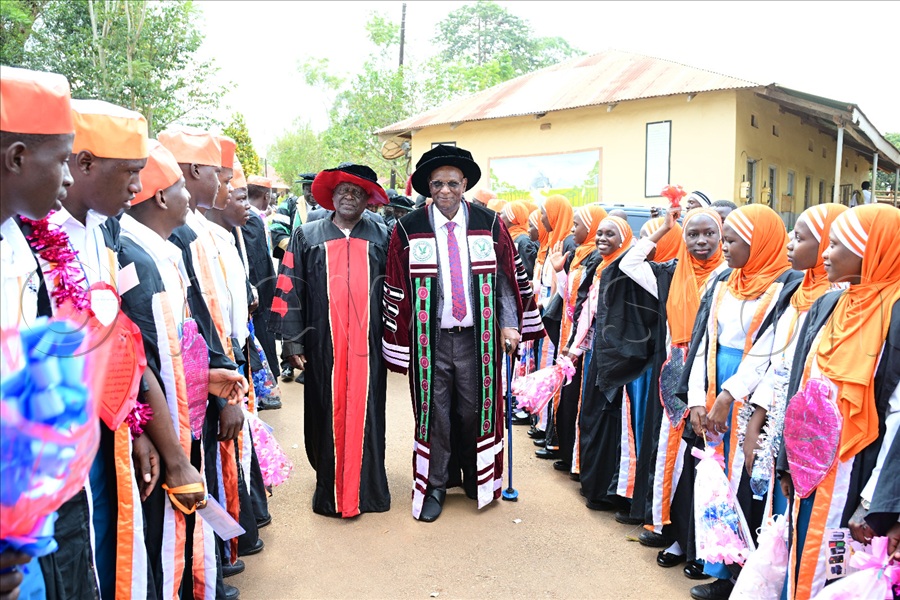
The school is leading the model for the vocationalisation of secondary education in Uganda, and in 2022 it won the Zayed Sustainability Prize, a United Arab Emirates’ pioneering award for innovative solutions to global challenges.
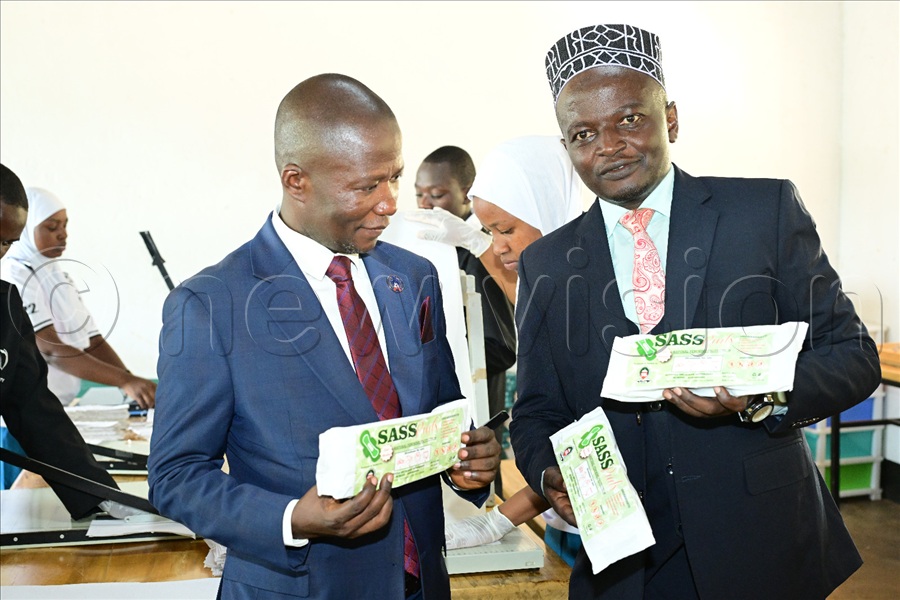
It designed an eco-friendly, manual method to create affordable female sanitary pads using local raw and organic materials.
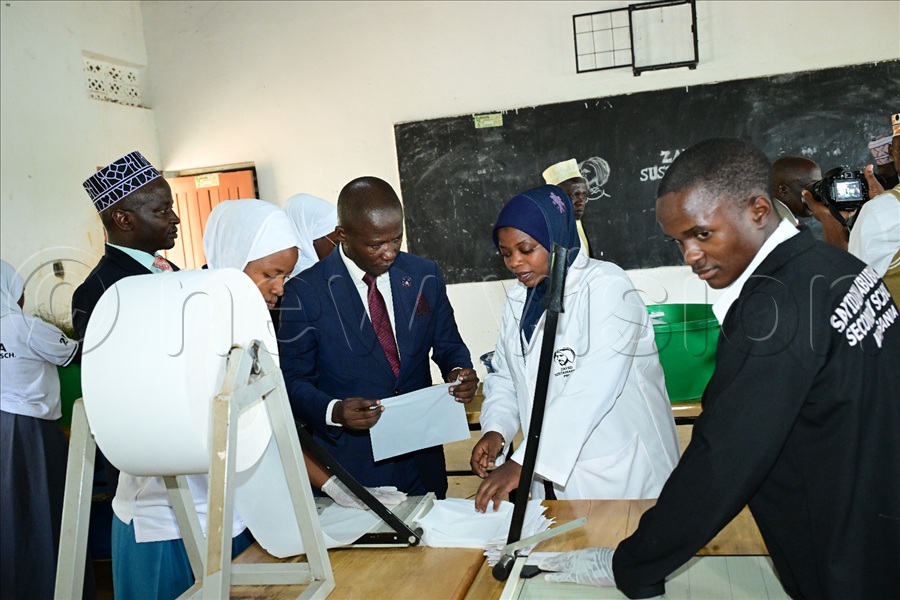
In the project, which is one of the many they run at the school under the Uganda Vocational and Training Assessment Board (UVTAB), the ‘O’ level students gather raw plant materials from local farms like banana fibres, papyrus and organic crop byproducts, which they process into absorbent layers and craft them into reusable sanitary pads with the aid of simple machines.
They also manufacture their own paper bags from recycled paper, which they sell to earn an income.
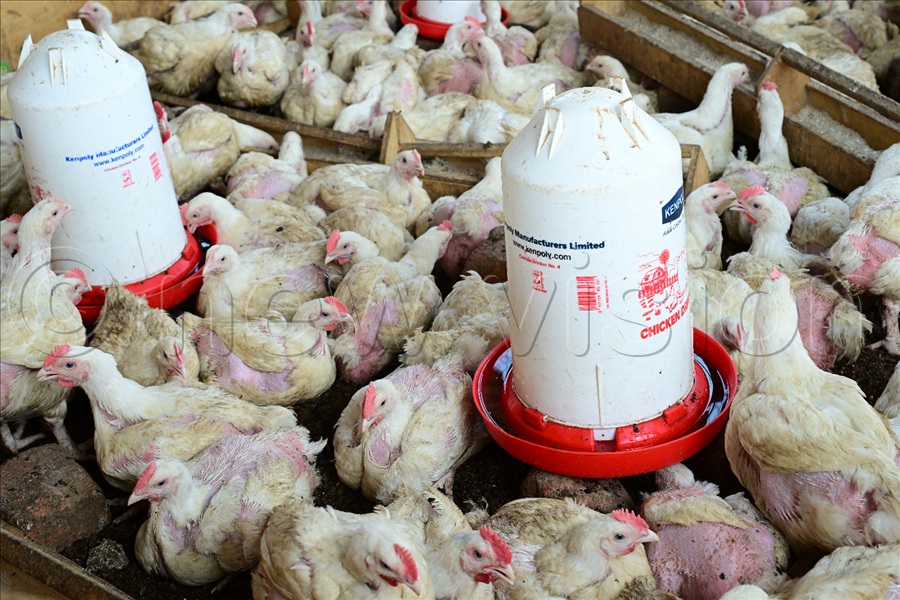
Students also learn chicken rearing.
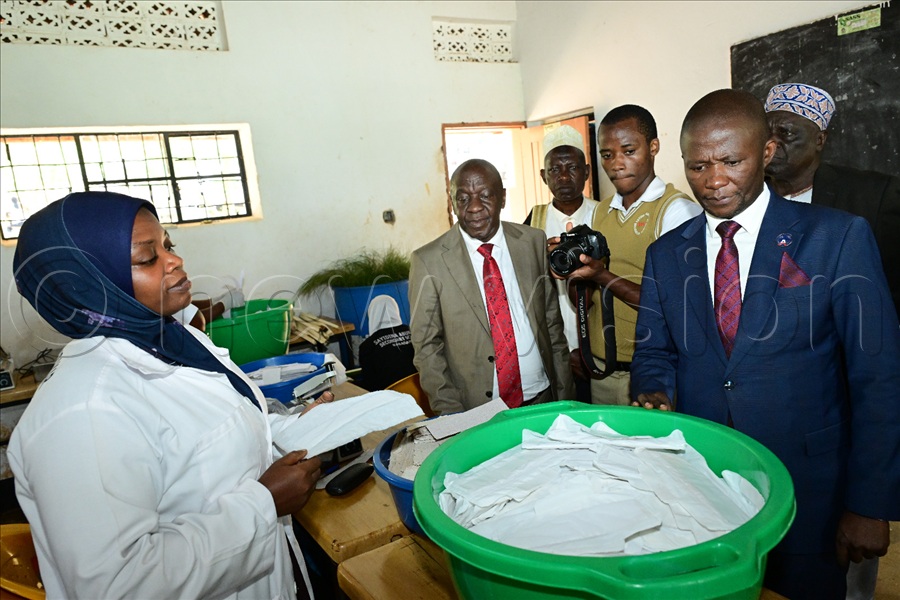
According to the school head teacher, Abdul Majid Kabugu, the project promotes vocationally oriented, sustainable farming practices by turning agricultural waste into high-value hygienic and packaging products.
The initiative, also called the SASS Pad Project, from which they market the SASS Pads, provides essential hygiene products to the local community while equipping students with valuable vocational and entrepreneurial skills.
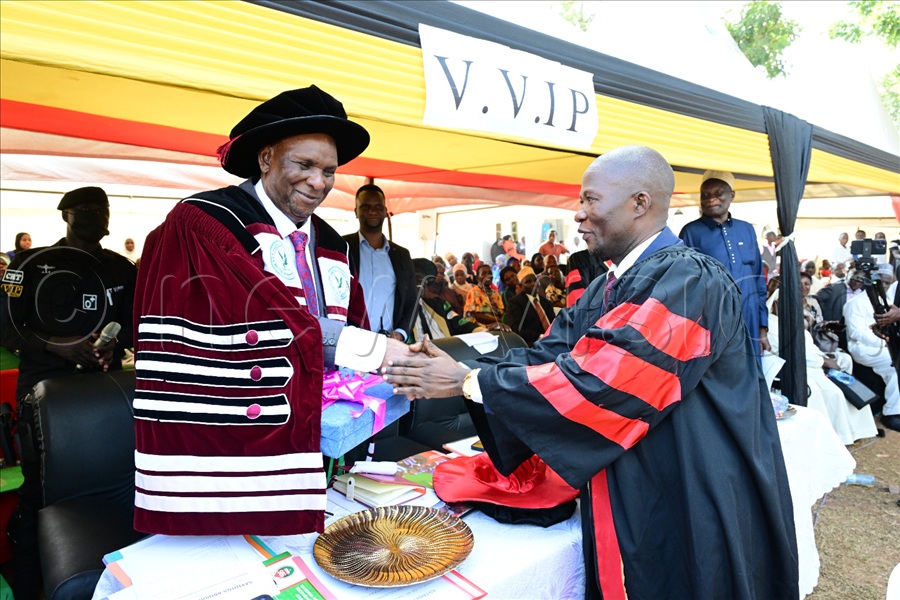
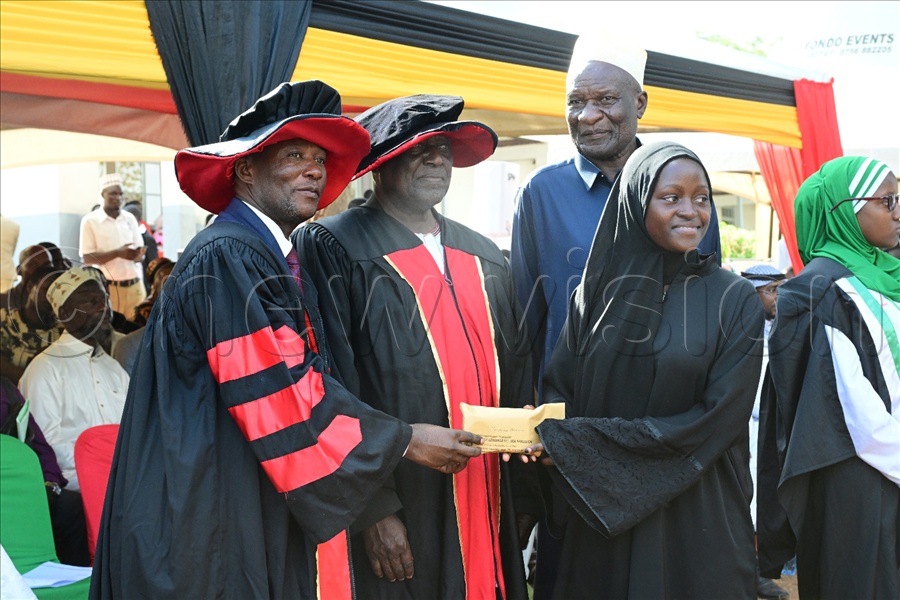
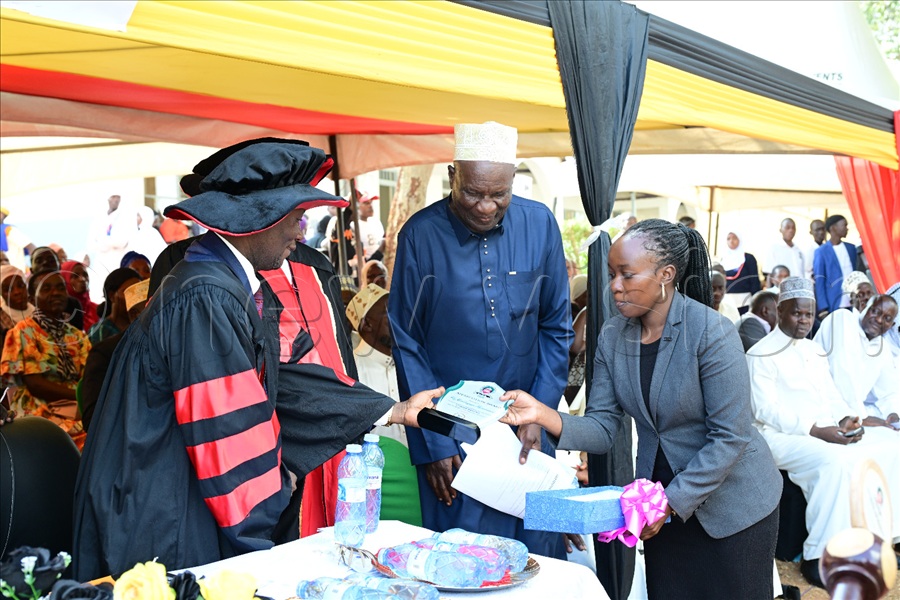
The Vice Chancellor, Kampala University, Prof. Al Hajji Badru Kateregga, presided over the award of certificates to the students at a ceremony attended by the Butambala District Woman legislator, Lydia Mirembe.
Among other things, it aims to end female student dropout due to a lack of accessible menstrual hygiene products.
The project is managed by a school nurse, Janat Nakawuki, and provides free pads to female students, but the surplus is sold to the communities to generate an income for the school.
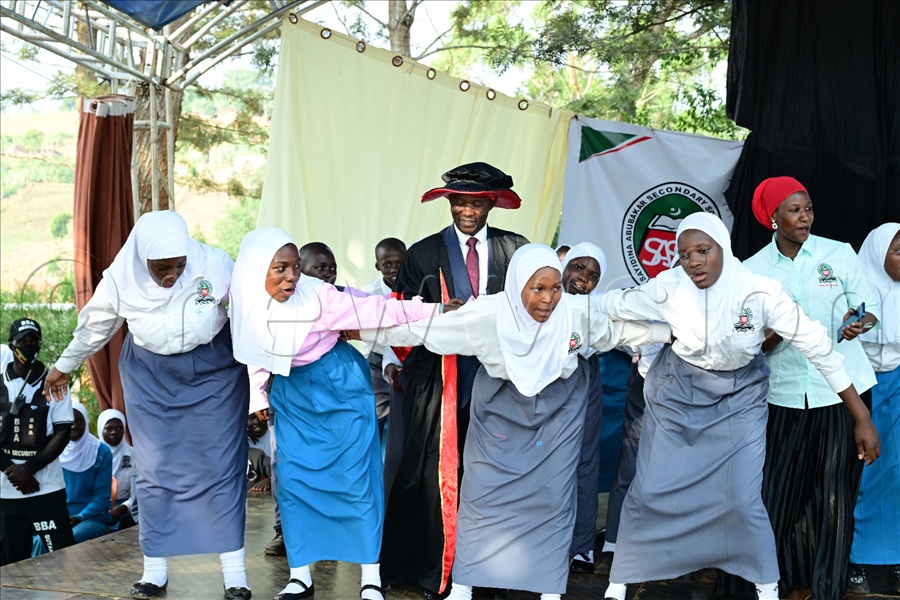
The project is implemented in alignment with the national education competency-based curriculum and equips learners with micro-credentials and functional skills.
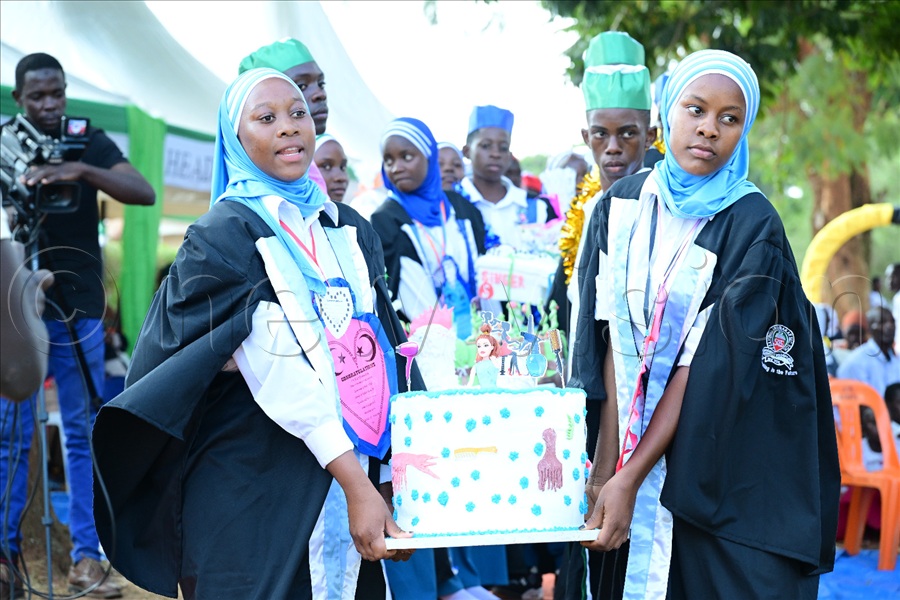
Counsel Muhammad Kamulegeya, the Kitebi Secondary School team leader, commissioned the Sanitary Pads Production Unit at Sayidina Abubakar SS, where the fourth cohort of 184 students graduated after completing a two-year training and received UVTAB level one certificates.
Other courses include tailoring, interior and event decoration, hairdressing, horticulture farming, poultry keeping and bakery, which provide students with hands-on entrepreneurial and culinary skills.
The school recently introduced electrical installation and building in the three-curriculum programme that includes circular, vocational and theological models.
The graduation ceremony was attended by several secondary school head teachers and principals of vocational and technical institutes.
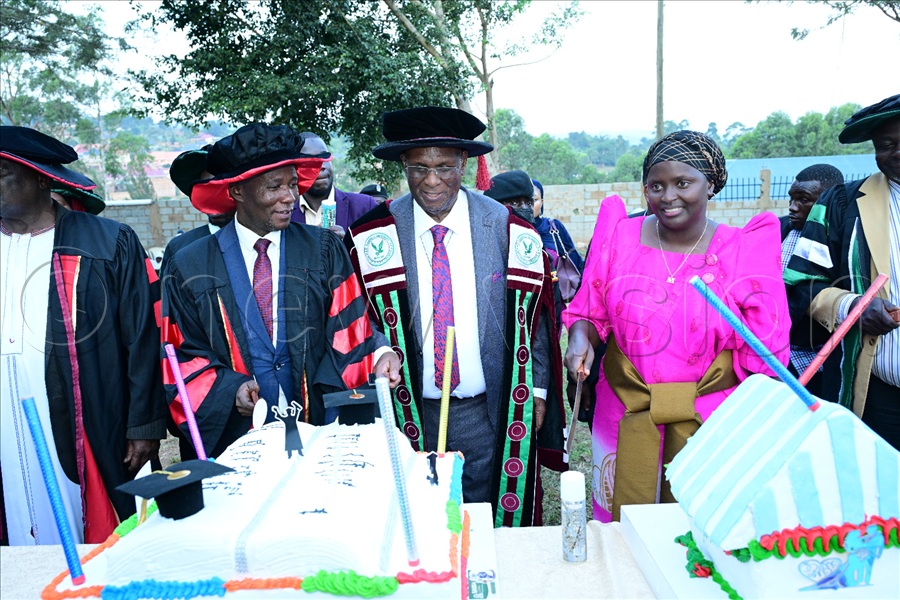

The Vice Chancellor, Kampala University, Prof. Al Hajji Badru Kateregga, presided over the award of certificates to the students at a ceremony attended by the Butambala District Woman legislator, Lydia Mirembe.
Kamulegeya said they would send a petition to President Museveni asking him to pick interest and promote the enhanced model that is implemented alongside the ongoing competency-based curriculum, which is part of his practical education agenda anchored in his push for science, technology and hands-on vocational training in schools.
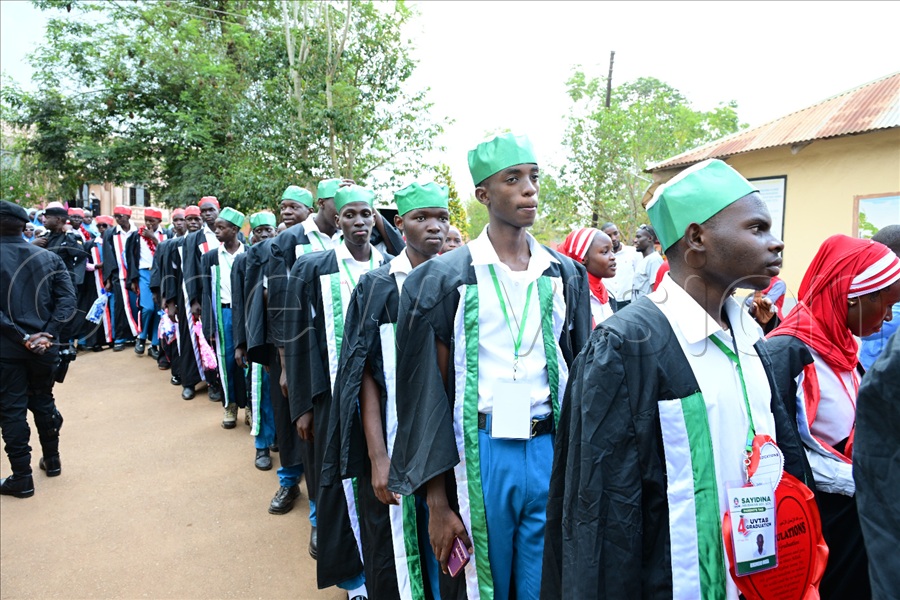
He commended the school, saying that the programmes are meant to enhance the government mission of providing employable skills to the youth to enable them to become self-employed.
“All of us in schools must embrace this model and endeavour to build technical capacities like Sayidina Abubakar has done in order to create more jobs for the youth,” he said.


Kamulegeya said vocational technical education and training must be emphasised following the government's successful implementation of Universal Primary Education and Universal Secondary Education to develop productive skills.
He appealed to the government to support the school by providing it with the required learning tools in their workshops so that students don’t have to study in shifts due to lack of space and enough equipment.
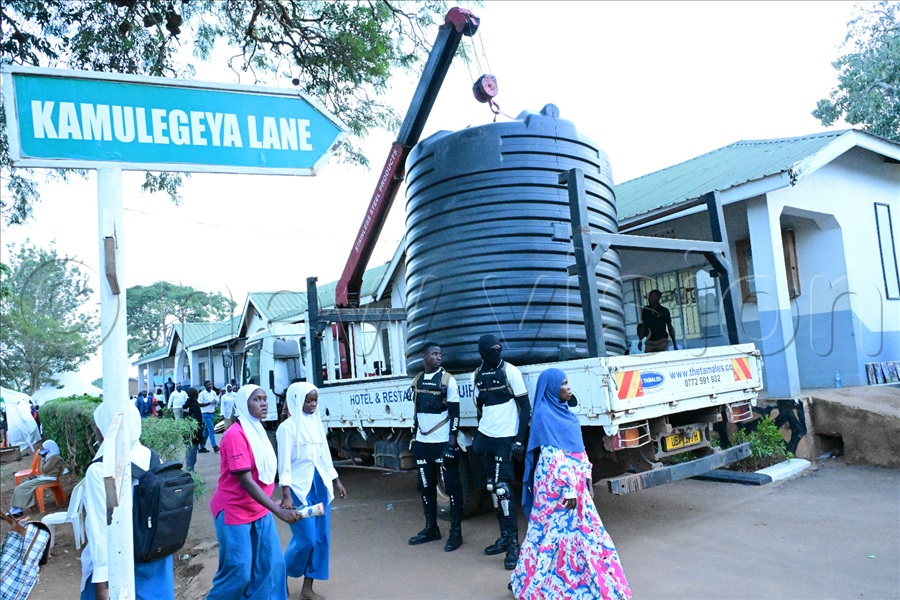
He donated a ten-thousand-litre water tank and a toolbox and promised to mobilise resources to equip the sanitary pad production unit.


He asked the Ministry of Education and Sports to emphasise career guidance to students so that they learn about the local, regional and international labour market demands as well as target producing graduates who are needed by the current and future labour markets.
“It is also essential that career guidance programmes in schools should target transforming the students from being job seekers to job creators,” he explained.
Prof. Kateregga commended the head teacher for transforming the school despite the many challenges.
He said the vocational training, which was formerly implemented under the Directorate of Industrial Training, was spot on because it offers multiplier effects to the communities.
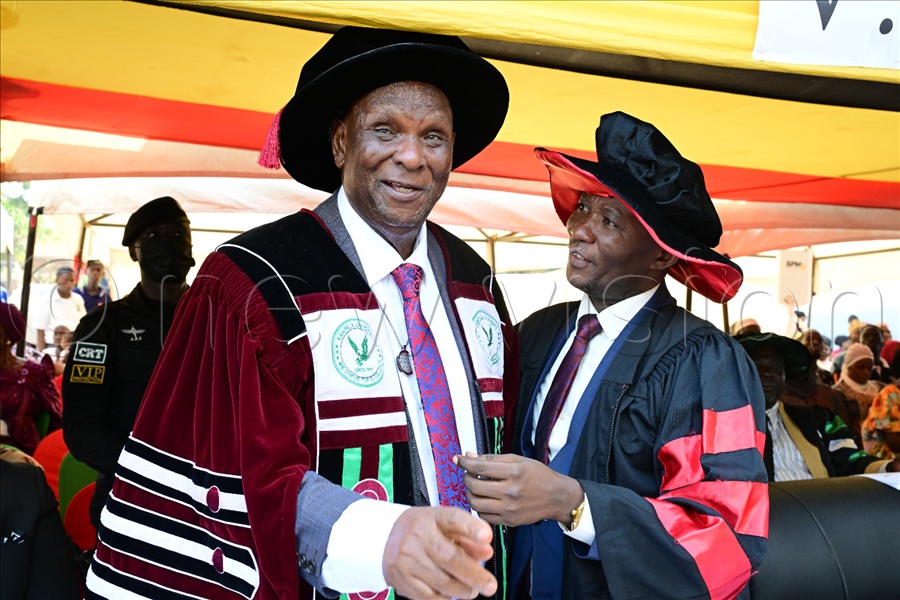
As an old student of the school, he promised to give special consideration for admission to Kampala University to students who complete their A-level.
In addition to vocational training, he asked the school to embrace Artificial Intelligence (AI), which he said, although it has a risk of rendering students lazy, is the way to go because it accelerates complex problem-solving and boosts productivity through completing tasks rapidly.
Mirembe also commended the school for the enhanced practical skills training model, saying one of it has an advantage of encouraging students to continue pursuing their formal education.
She said the skills were still required for students who pursue their careers in various professions.