
Traders, experts offer roadmap for turning budget promises into results
Thadeus Musoke, the Chairman of the National Entrepreneurs and Traders Association (NETA), urged the government to intensify the fight against corruption to ensure that public funds are used for their intended purposes.
Finance minister Henry Musasizi. (Photo by Maria Wamala)
________________
Following the reading of the national budget, various stakeholders from the business community and economic experts have advised the government on measures needed to ensure that the 2025/26 financial year budget achieves its objectives and positively impacts the lives of ordinary Ugandans.
Thadeus Musoke, the Chairman of the National Entrepreneurs and Traders Association (NETA), urged the government to intensify the fight against corruption to ensure that public funds are used for their intended purposes. He also called for stronger supervision of government projects to improve efficiency and timely implementation.
"If something is being done, let it be done on time. There is also a need to promote creativity and innovation among Ugandans so that they can achieve more with the limited resources allocated in the budget," he added.
Musoke further urged the government to change citizens' perceptions towards taxation through continuous sensitisation and education.
Thadeus Musoke, the Chairman of the National Entrepreneurs and Traders Association (NETA)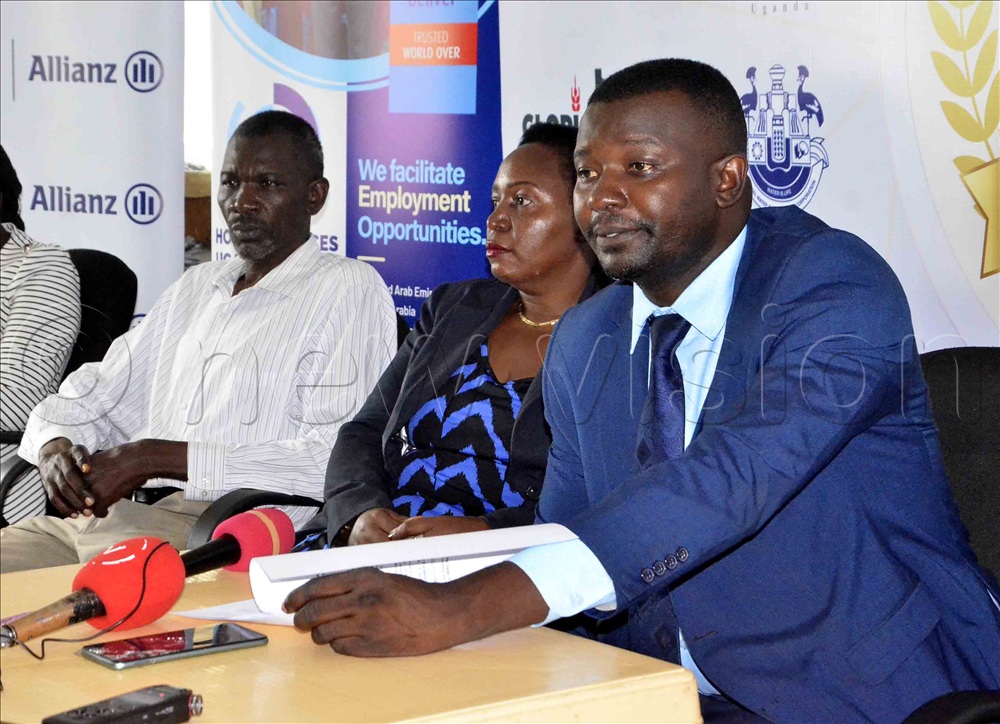
"Many people do not want to meet their tax obligations. There is a need for training and awareness. Government should also reduce borrowing and focus more on promoting exports to improve the country's balance of payments," he said.
He further called on the government to settle outstanding payments owed to suppliers, noting that many businesses are struggling financially after supplying goods and services to government entities.
Musoke also appealed for easier access to government financing schemes meant to support ordinary Ugandans, urging institutions such as the Uganda Development Bank (UDB) to review their requirements to enable more citizens to access affordable financing.
From the transport sector, Brian Kwizera, proprietor of Kwizera Bus Services and Deputy Chairperson of the Uganda Bus Operators Association, emphasised the need to fight corruption and strengthen supervision of key infrastructure and oil projects.
He said government should ensure that activities leading to Uganda's First Oil project are expedited to enable the country to begin oil production, which could eventually help stabilize fuel prices and lower transport and business costs.
Kwizera also appealed to government to maintain a stable tax regime in the petroleum sector to avoid disruptions that could negatively affect businesses already burdened by high fuel prices.
Meanwhile, Robert Tumuhairwe Kabushenga, Chairperson of G3S Building, urged government to focus on ensuring that agricultural development programmes directly benefit ordinary citizens.
He called for stricter supervision of agricultural initiatives such as the National Agricultural Advisory Services (NAADS), Operation Wealth Creation, and the Parish Development Model (PDM).
According to Kabushenga, extension workers and programme implementers should ensure that farmers receive quality coffee seedlings, improved maize and bean seeds, banana planting materials, and high-yield livestock breeds to boost production and increase export volumes.
Hadija Nsubuga, a trader urged the government to address longstanding challenges facing small-scale businesses if the budget is to have a meaningful impact on the business community.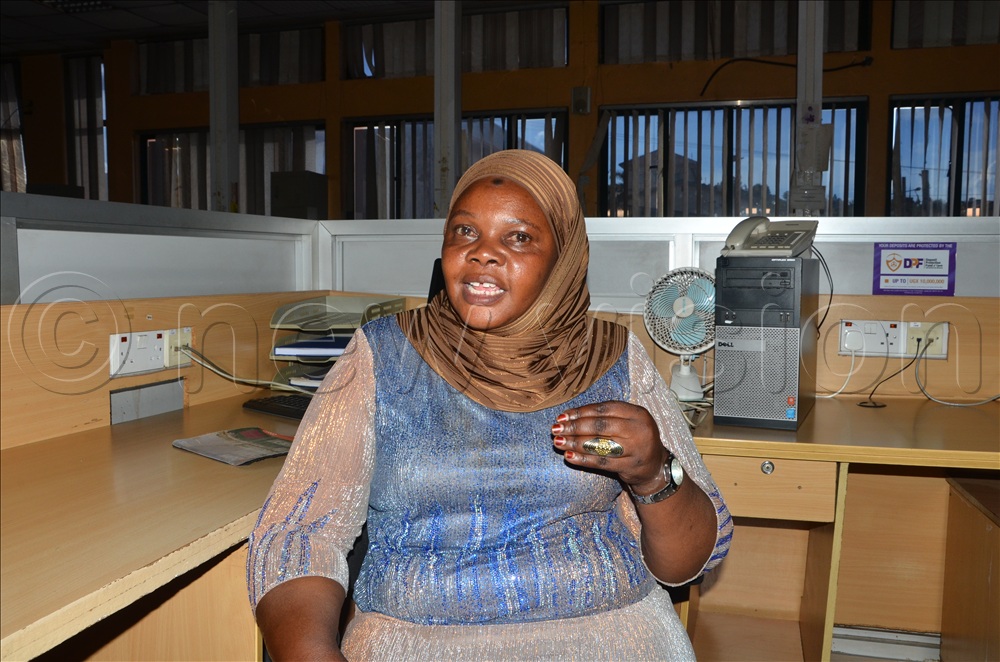
He also emphasised the need to strengthen irrigation initiatives to enable farmers to maintain production throughout the year despite changing weather conditions.
From the wider business community, Godfrey Katongole emphasised accountability and implementation, arguing that Uganda's challenge is not budgeting but execution.
"Government always prepares good budgets, including the one presented this year. The problem comes during implementation," he said.
Katongole cited projects such as Atiak Sugar Factory, which has received substantial government funding over the years but is yet to begin commercial sugar production.
He also pointed to Soroti Fruit Factory, where government has invested significant resources, but whose management has recently been transferred to private operators.
According to Katongole, government should move beyond producing well-crafted budgets and focus on ensuring that allocated funds translate into tangible benefits for citizens.
Another trader, Hadija Nsubuga, urged the government to address longstanding challenges facing small-scale businesses if the budget is to have a meaningful impact on the business community.
Nsubuga called for a review of taxes affecting small traders and greater transparency in tax administration to enable traders to understand their obligations and comply more easily.
"Government should make tax values and obligations clearer to traders. Many small business owners still struggle to understand the taxes they are expected to pay, which affects compliance and participation in government programmes," she said.
She also appealed to government to provide adequate and affordable working spaces for traders, particularly those displaced during recent trade order enforcement initiatives aimed at streamlining business operations in urban areas.
According to Nsubuga, many women and youth operating small roadside businesses such as tomato stalls, roasted gonja stands, chapati businesses and other micro-enterprises continue to face difficulties after being relocated from their former places of operation.
She noted that these challenges limit the ability of many traders to benefit from government wealth-creation programmes such as the Parish Development Model (PDM) and Emyooga, which specifically target women, youth and small entrepreneurs.
"If government wants the budget to work for the business community, it must address the issues affecting traders, including taxation, access to working spaces and business support services. These are the same people government expects to participate in programmes like PDM and Emyooga, yet many are struggling to sustain their businesses," Nsubuga said.
She argued that addressing the concerns of small-scale traders would improve participation in government development programmes, boost household incomes and strengthen the contribution of the informal sector to economic growth.
Traders also advised government to seek alternative sources of financing for the budget instead of relying heavily on domestic borrowing.
They argued that excessive domestic borrowing crowds out private sector borrowers by reducing the funds available for commercial lending and increasing interest rates, thereby undermining entrepreneurship and business growth.
"Government should seek concessional loans from institutions such as the International Monetary Fund and the World Bank, whose financing terms are more favorable in terms of repayment periods and interest rates," Ntale said.
He noted that such funding could support infrastructure projects such as roads, schools, and hospitals, which are critical enablers of long-term economic growth and productivity.
Ntale also called on government to assess why previous budgets have not significantly reduced poverty and unemployment, particularly among the youth and members of the business community.
He further advocated for increased public sensitization to empower citizens to monitor government projects within their communities.
According to Ntale, involving citizens in monitoring public projects would help reduce wastage of public resources and lower government expenditure on supervision and audits, especially in hard-to-reach areas.
On the issue of domestic arrears, Ntale welcomed the allocation of funds for clearing outstanding government obligations but expressed concern that the amount remains far below the total debt owed to suppliers.
He also warned that delayed payments increase government procurement costs because suppliers factor payment risks into their pricing.
"Government is likely to spend more taxpayers' money on goods and services that could have been purchased at lower prices if suppliers were confident that they would be paid on time," Ntale said.
He cautioned that unless payment systems are improved, the new budget risks facing challenges similar to those experienced in previous financial years.
Economic experts echoed many of the concerns raised by the business community.
Economist Kenneth Asiimwe urged government to strengthen the implementation of wealth creation programmes such as the Parish Development Model (PDM), Emyooga, GROW, and other social protection initiatives.
Edward Ntale, Chairperson of the United Arcades Traders and Entrepreneurs Association, urged government to prioritize concessional financing from international development institutions.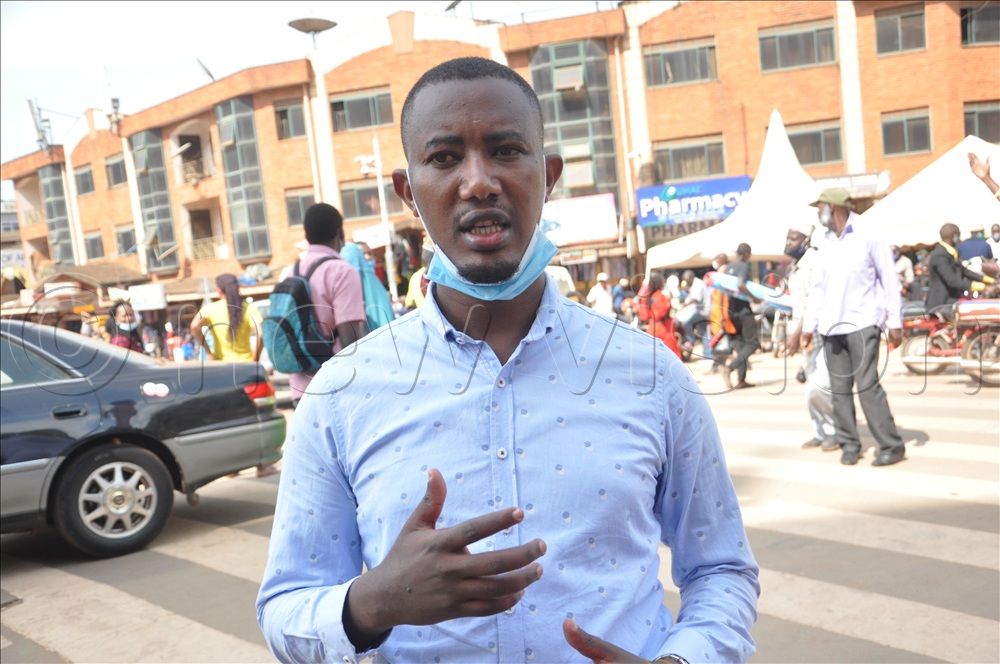
"There must be proper accountability, oversight and monitoring to ensure that these programmes achieve their intended objectives," Asiimwe said.
He also called for strategic investment of funds allocated to institutions such as the Uganda Development Bank (UDB) and Uganda Development Corporation (UDC), arguing that resources should be directed towards sectors with strong multiplier effects and the potential to create jobs for Uganda's growing youth population.
Asiimwe further stressed the importance of clearing domestic arrears, warning that delayed government payments continue to strain businesses and weaken economic activity.
"As we speak, over Shs317 billion has been allocated for domestic arrears. Although this amount is small compared to the more than Shs10 trillion owed, it should be released in the first quarter of the financial year," he said.
"If government pays these arrears promptly, it will inject much-needed liquidity into the economy and support business recovery instead of allowing further economic distress."