
Rwanda-Uganda Trade and Business Forum: a recap in 45 pictures
"Our countries have much to gain from stronger private-sector relationships. Commercial partnerships can support investment, create employment, transfer skills and contribute to the development of competitive regional industries," says works and transport state minister Julius Maganda Wandera.
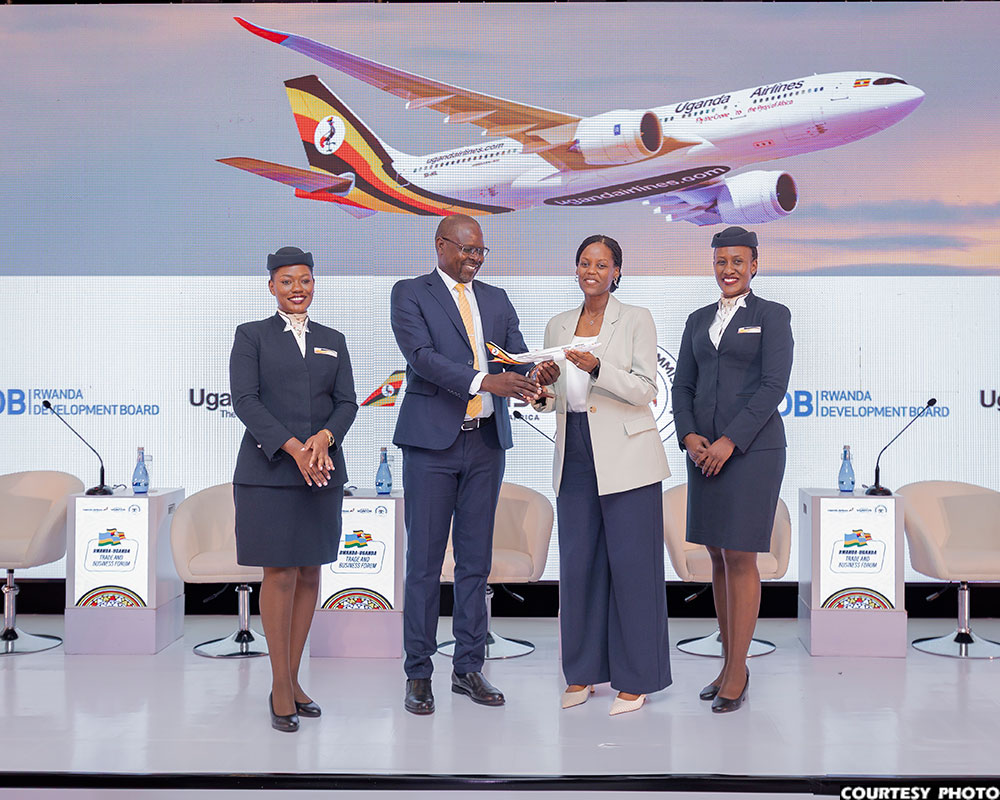
Uganda's works and transport state minister Julius Maganda Wandera presents a Uganda Airlines plane model to Juliana Muganza, the Deputy CEO of Rwanda Development Board during the Rwanda-Uganda Trade and Business Forum at Kigali Serena Hotel in Rwanda's capital on November 19, 2026. (Courtesy photo)
________________________
AVIATION 🇺🇬✈️🇷🇼
📍 Kigali
RWANDA-UGANDA TRADE AND BUSINESS FORUM
With the runaway clear and everyone onboard strapped in, the Rwanda-Uganda Trade and Business Forum was cleared for takeoff on a mellow November 19 afternoon in Rwanda's capital Kigali.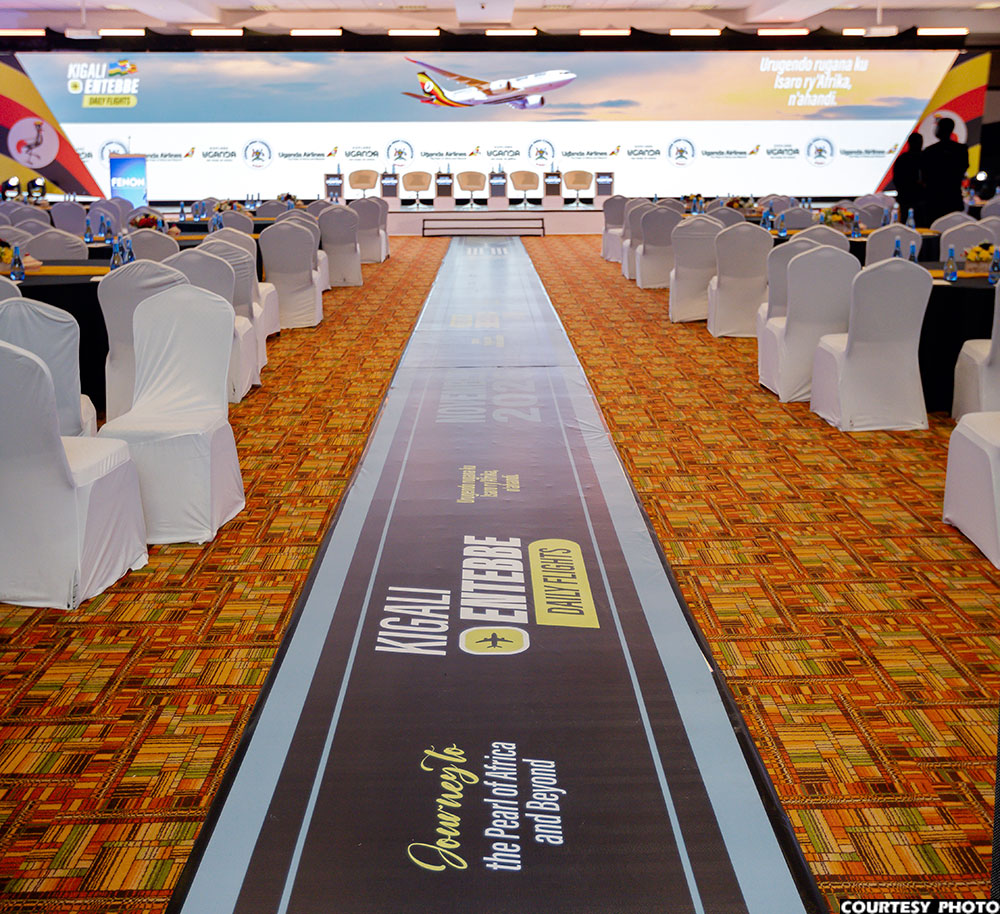
At a steady cruising speed, the forum was meant to build on the momentum created the previous day by the successful launch of Uganda Airlines' 19th destination from its hub at Entebbe: Kigali.
The introduction of the Entebbe-Kigali service means the national carrier now touches down in all the capital cities of the East African Community (EAC).
Thursday's forum was an invitation to like-minded stakeholders to convene and engage on how this new route can work to the mutual benefit of travellers between the two neighbouring countries as well as the respective economies at large.
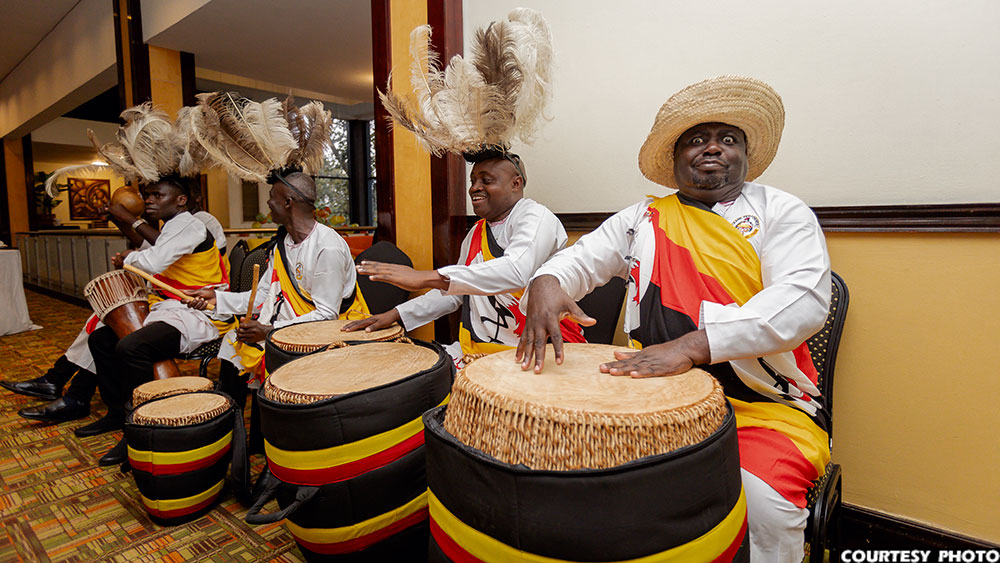
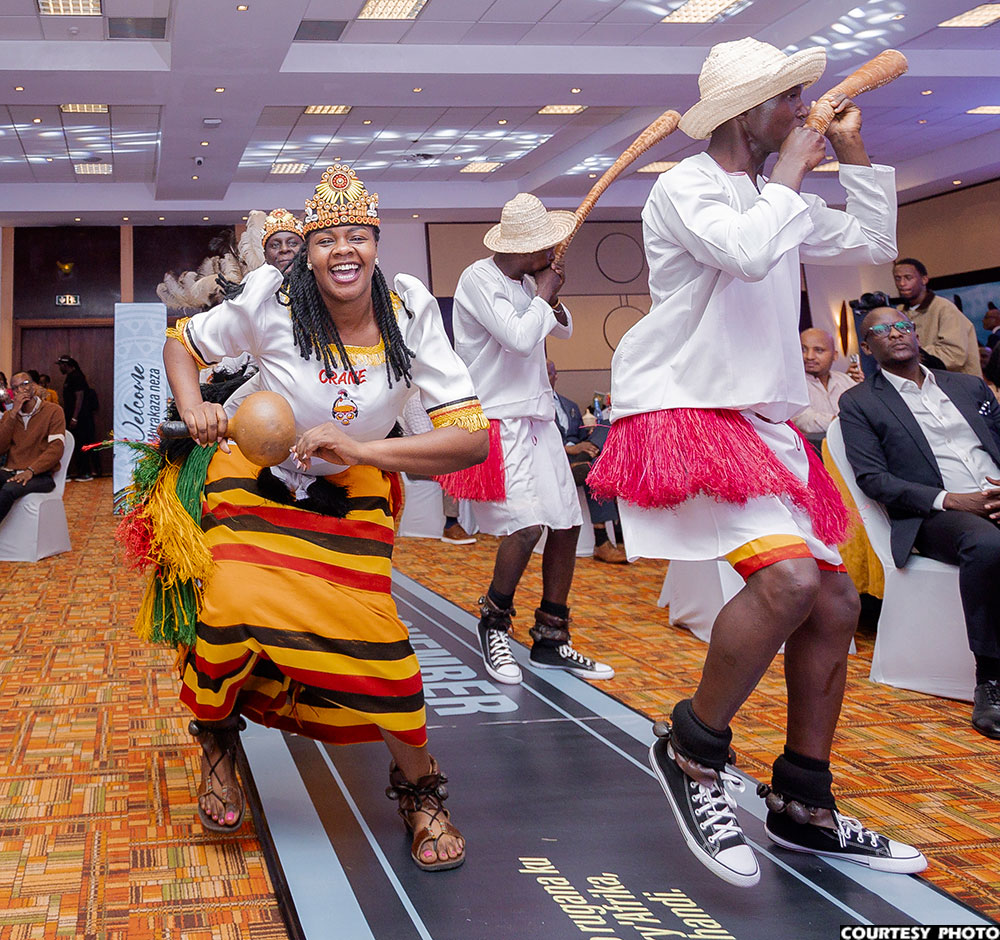
One by one, the delegates arrived for the event at Kigali Serena Hotel in the heart of Rwanda's capital to a vibrant, dance-filled reception enlivened by the addictive musical spirit and exuberance of the Crane Performers.
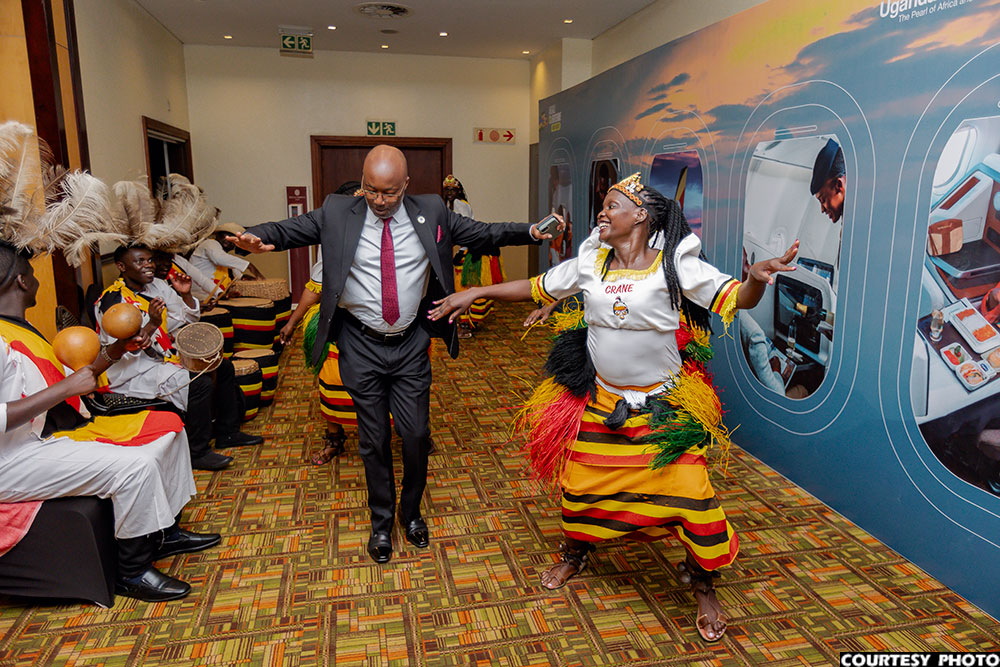
Unsurprisingly, some of the arriving guests couldn't resist the urge of being sucked into the alluring cultural ambience before making their way into the richly set conference hall.
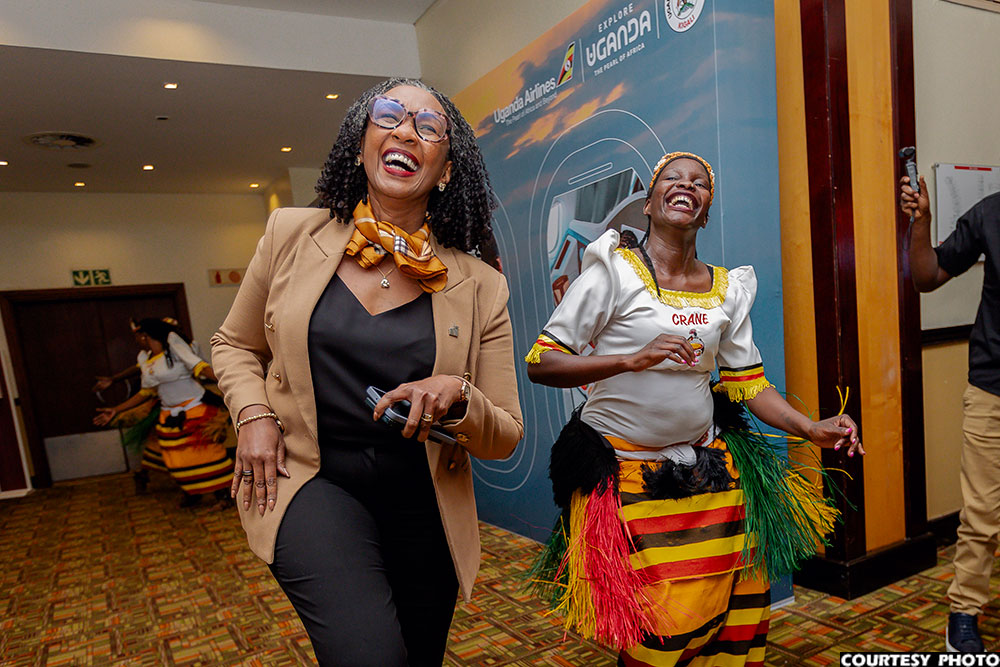
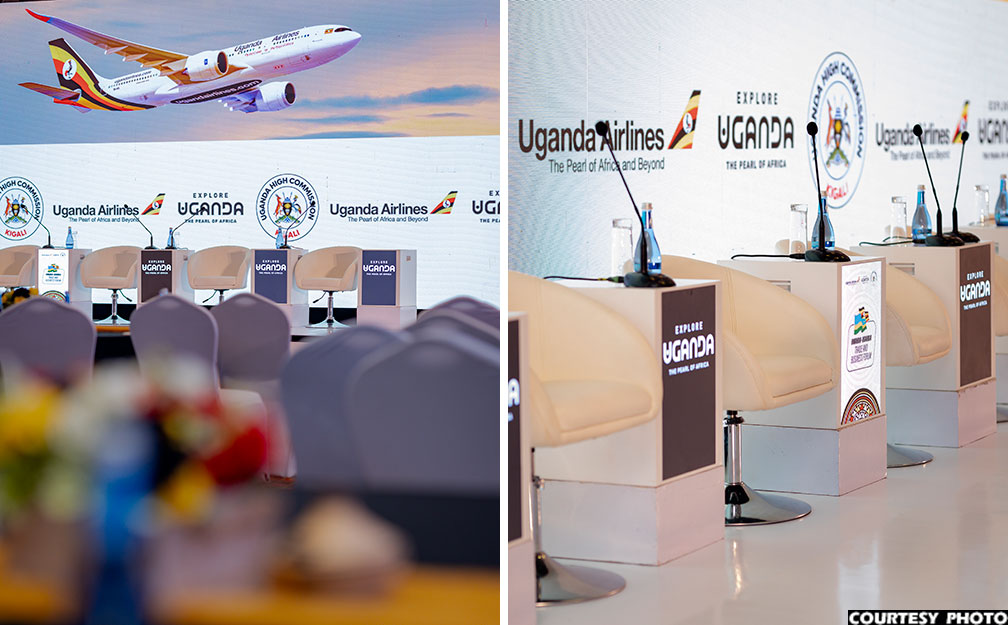
The trade and business forum was organised by Uganda Airlines in partnership with the Uganda High Commission in Rwanda, and Rwandan stakeholders, following the launch of Uganda Airlines' daily direct Entebbe–Kigali service.
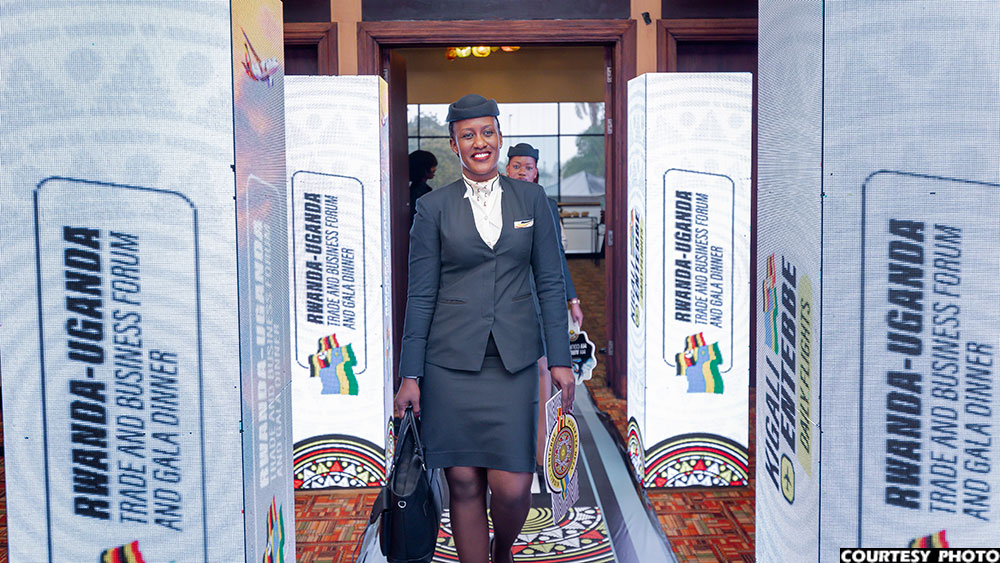
The delegates from Uganda and Rwanda included leading government and private sector officials.
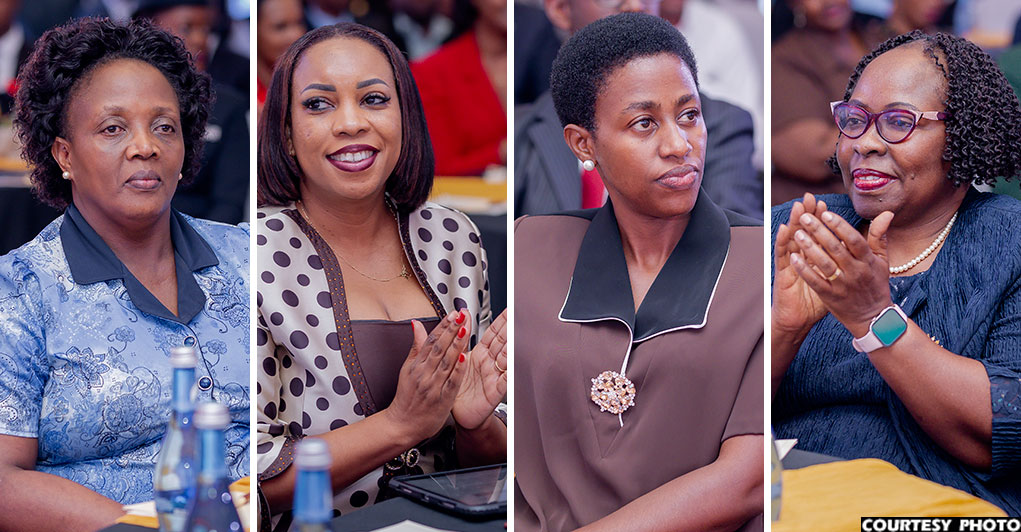
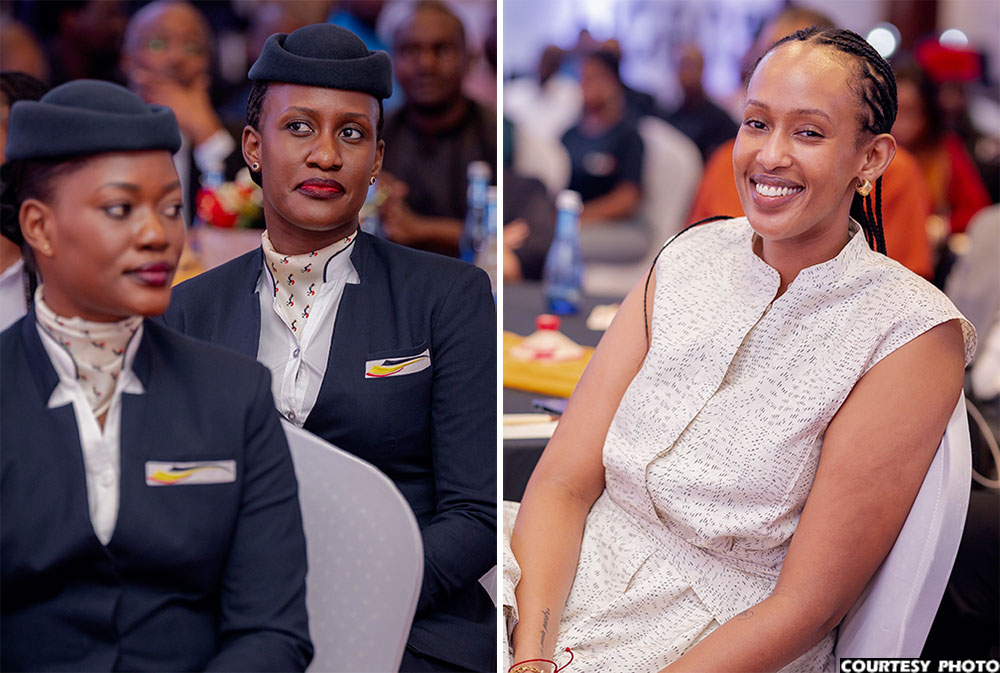
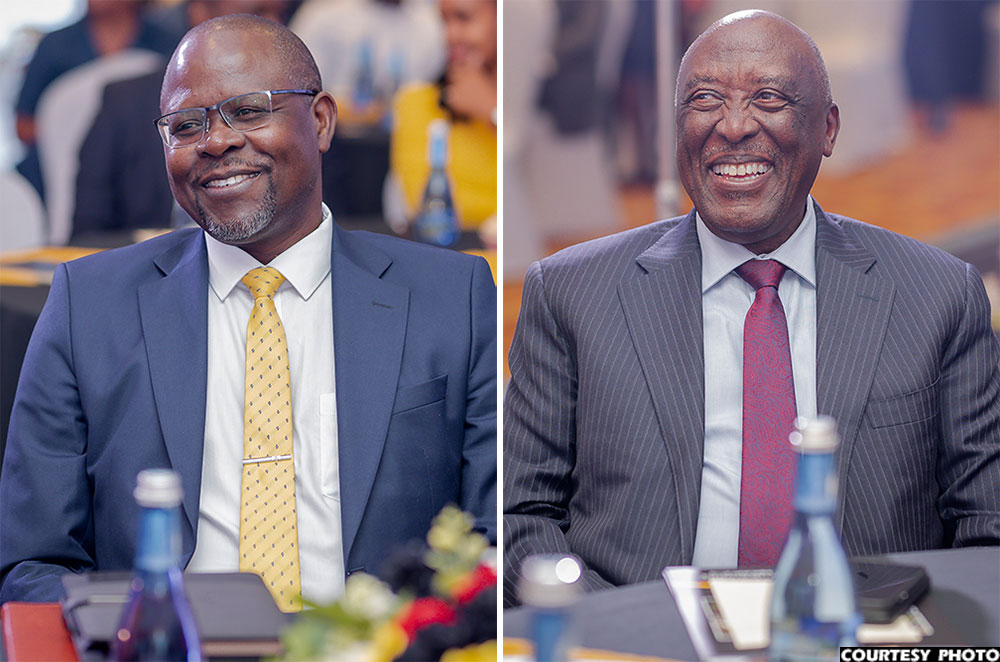
The Ugandan team was led by works and transport state minister Julius Maganda Wandera, seen in the second frame below arriving for the event wearing a yellow necktie. Uganda Airlines board chairperson Priscilla Mirembe Serukka (second frame, right) was present, as was Susan Batuuka (first frame, left), who represented Uganda Airlines CEO Ato Girma Wake on the day.
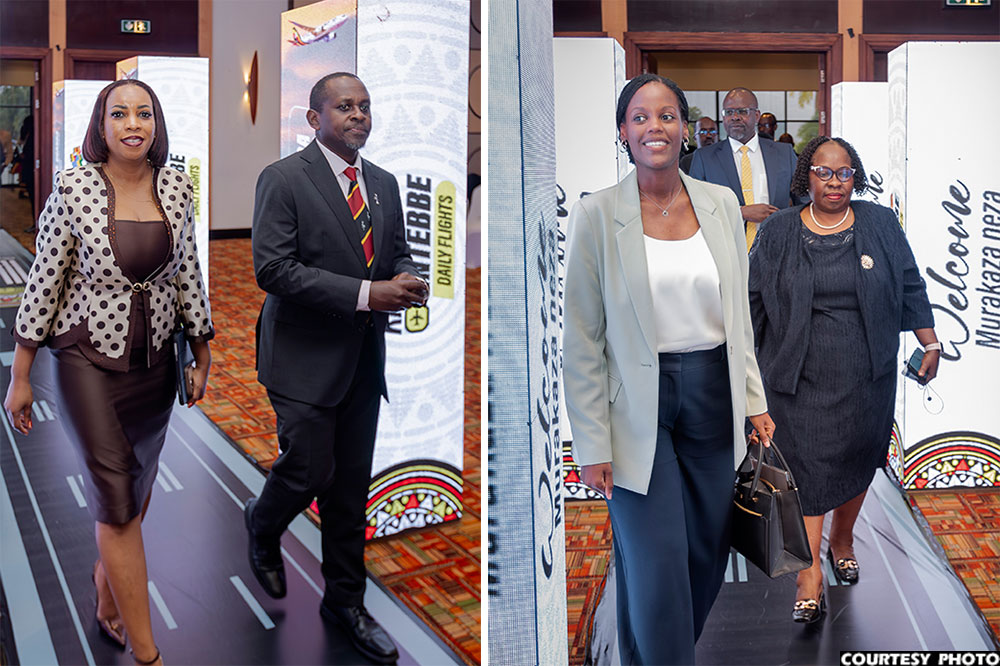
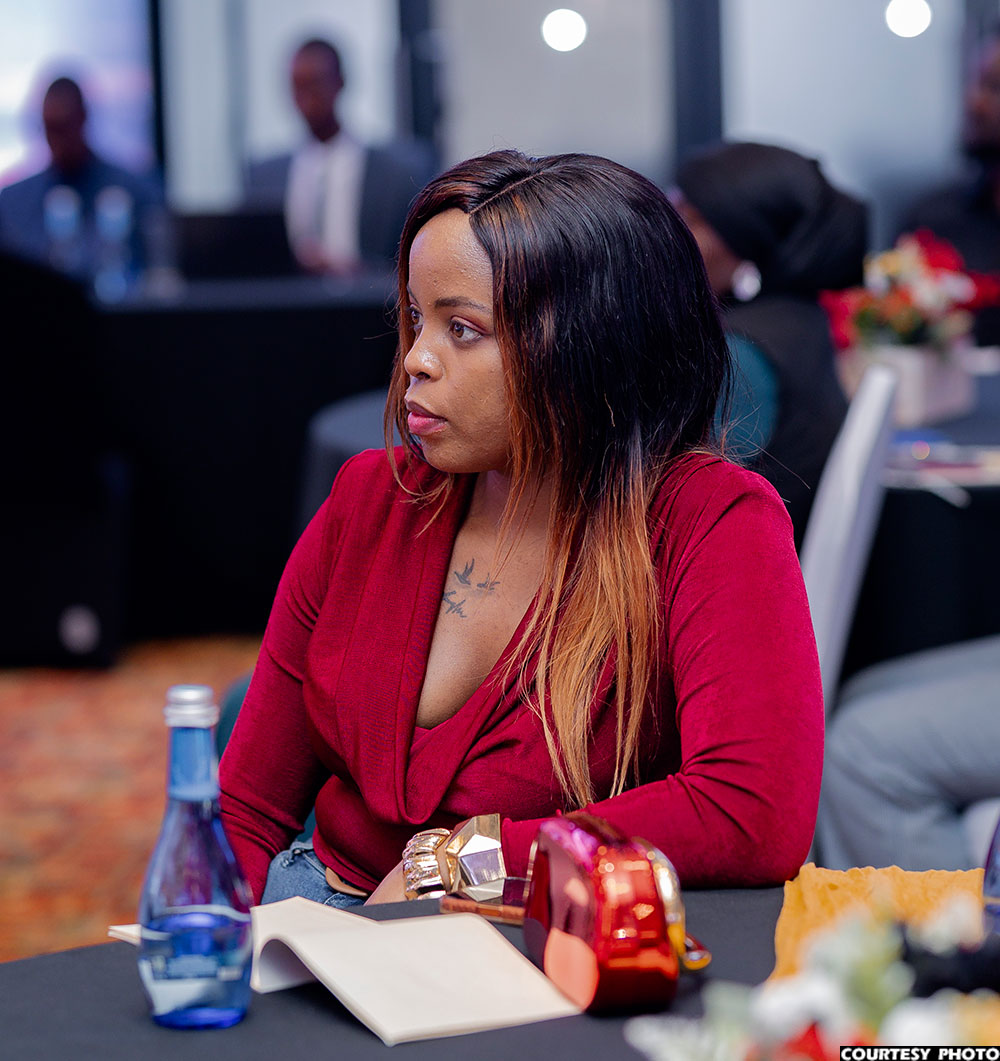
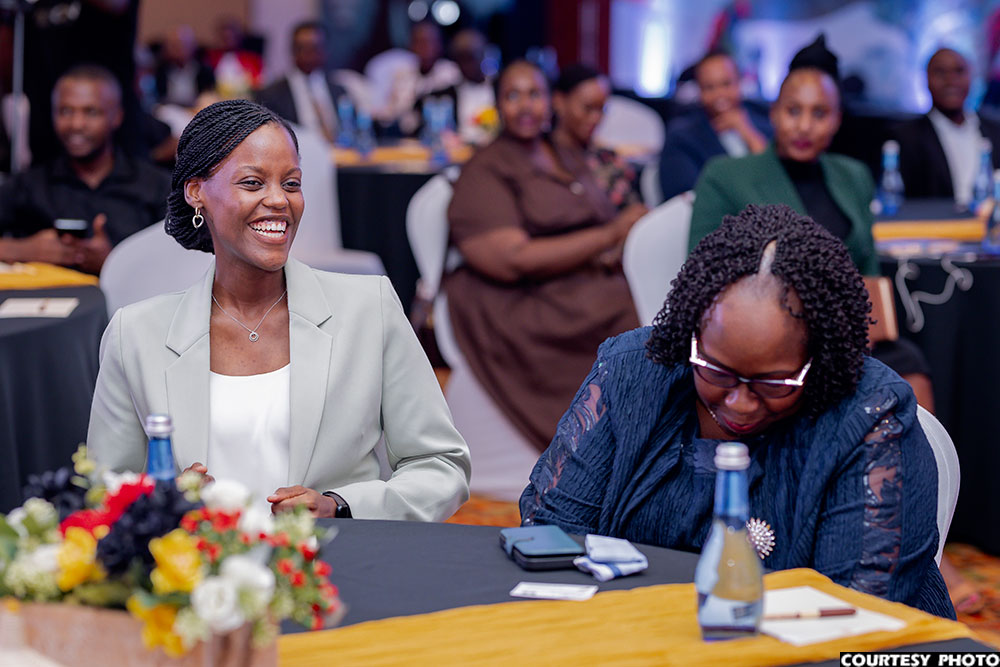
Rakai district Woman Member of Parliament Juliet Kinyamatama, pictured below on the right, was part of the Ugandan delegation in Rwanda's capital.
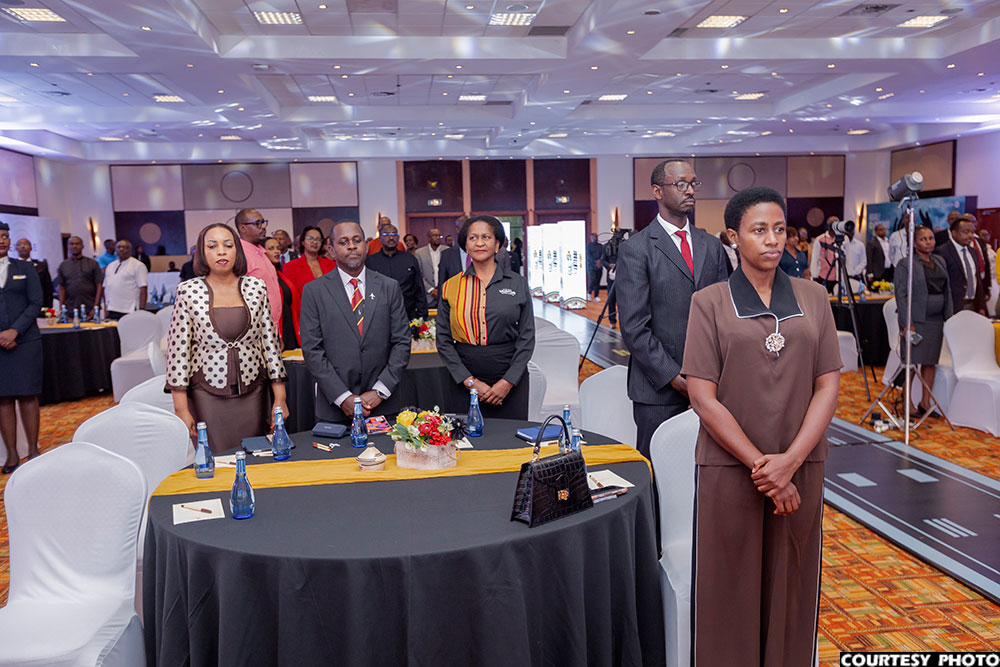
In her keynote address, Uganda Airlines' Batuuka said the task now is to turn the newly launched Entebbe-Kigali route into a corridor of trade and investment.
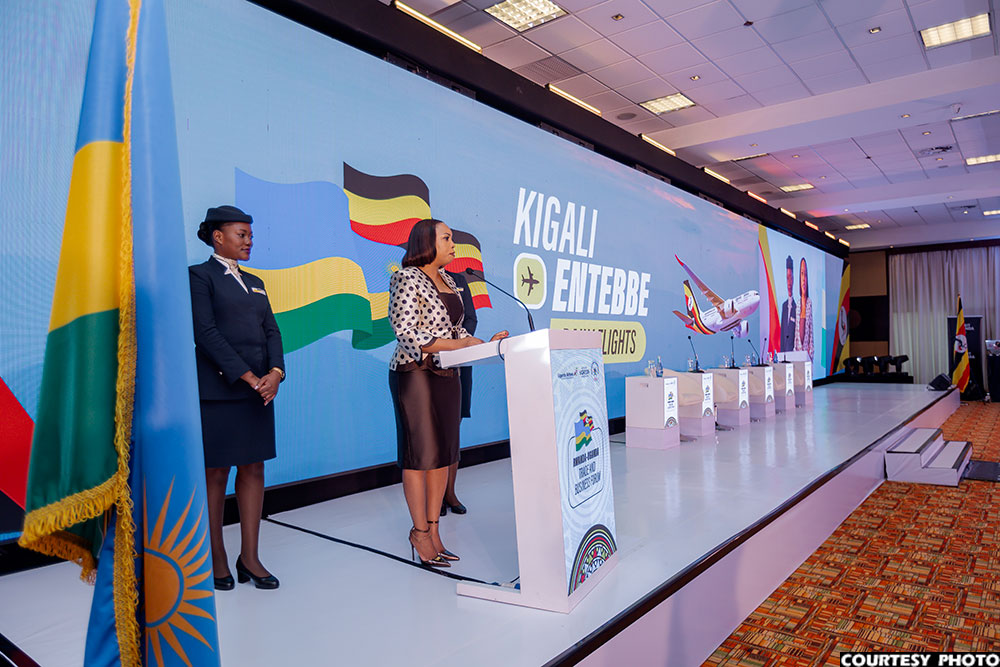
"By introducing a direct air service, we hope to offer travelers an additional option, particularly those who value time. That is why we invited members of like minds to think through how we can make this work," she said.
"This route only truly becomes successful not simply when an aircraft takes off and lands. But it is when it enables people to do business, create new markets, strengthen supply chain and bring opportunities within easier reach."
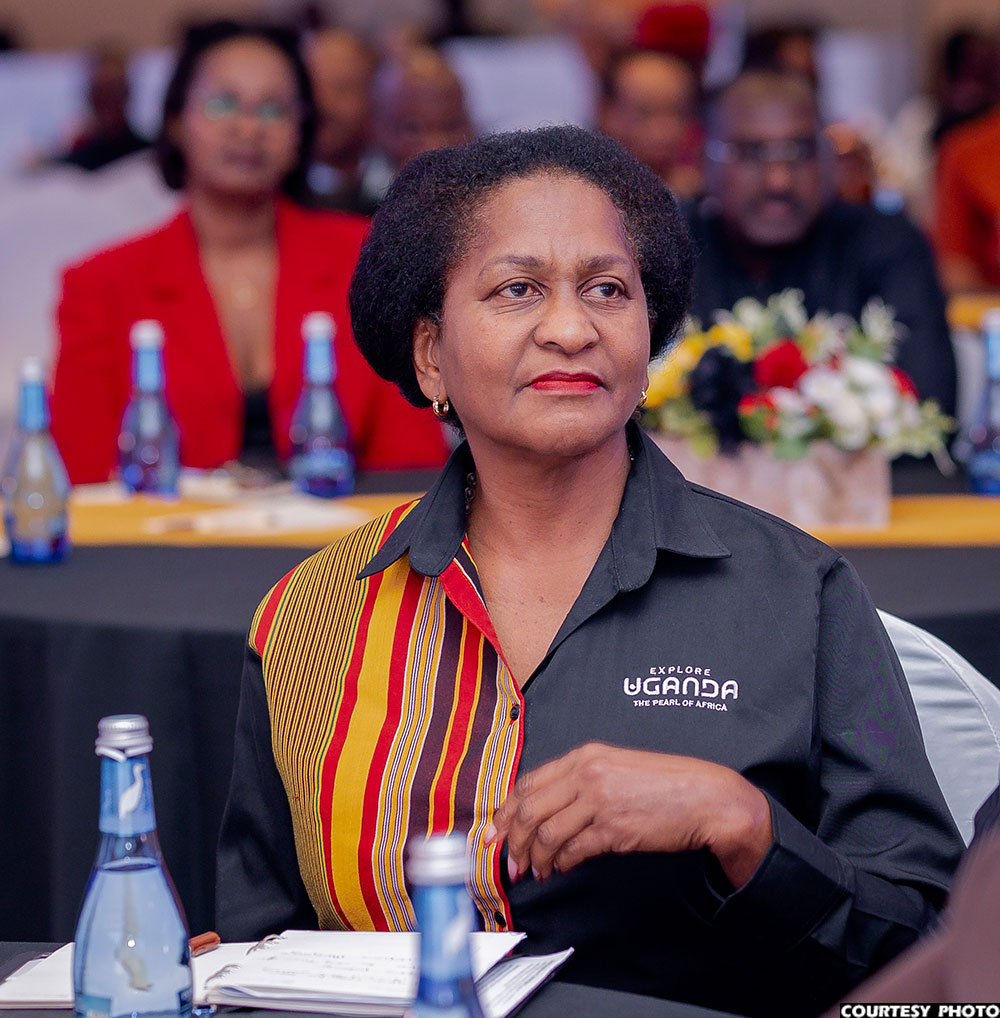
Batuuka said the business forum mattered because it brought together the people who can convert connectivity into commercial activity.
"The introduction of [destination] Kigali fills an important gap in our regional network. With this addition, now Uganda Airlines serves the capital cities of all East African communities."
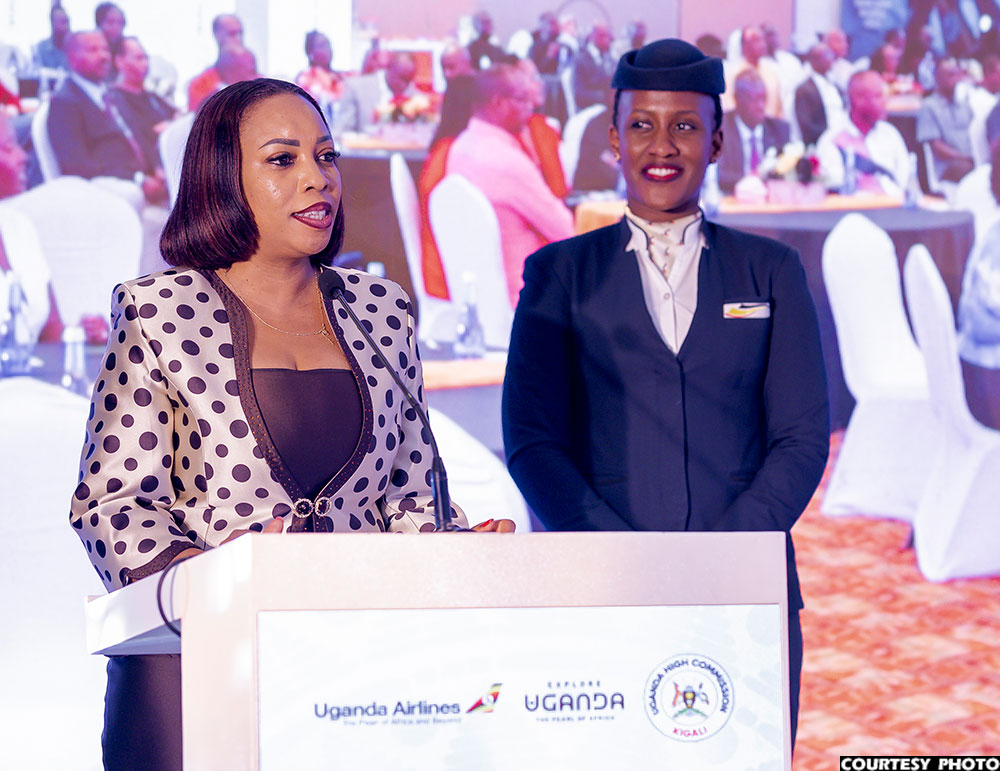
Ambassador Richard Kabonero, who served as Uganda's High Commissioner to Rwanda from 2006 until 2017 and is currently heading the Department of Regional Economic Cooperation at the foreign affairs ministry, said the Entebbe-Kigali service will give travelers, including businesses, an alternative to complement RwandAir.
He said by the two airlines complementing each other, they believe it will bring down the cost of travel on this route, which has long been a matter of central discussion.
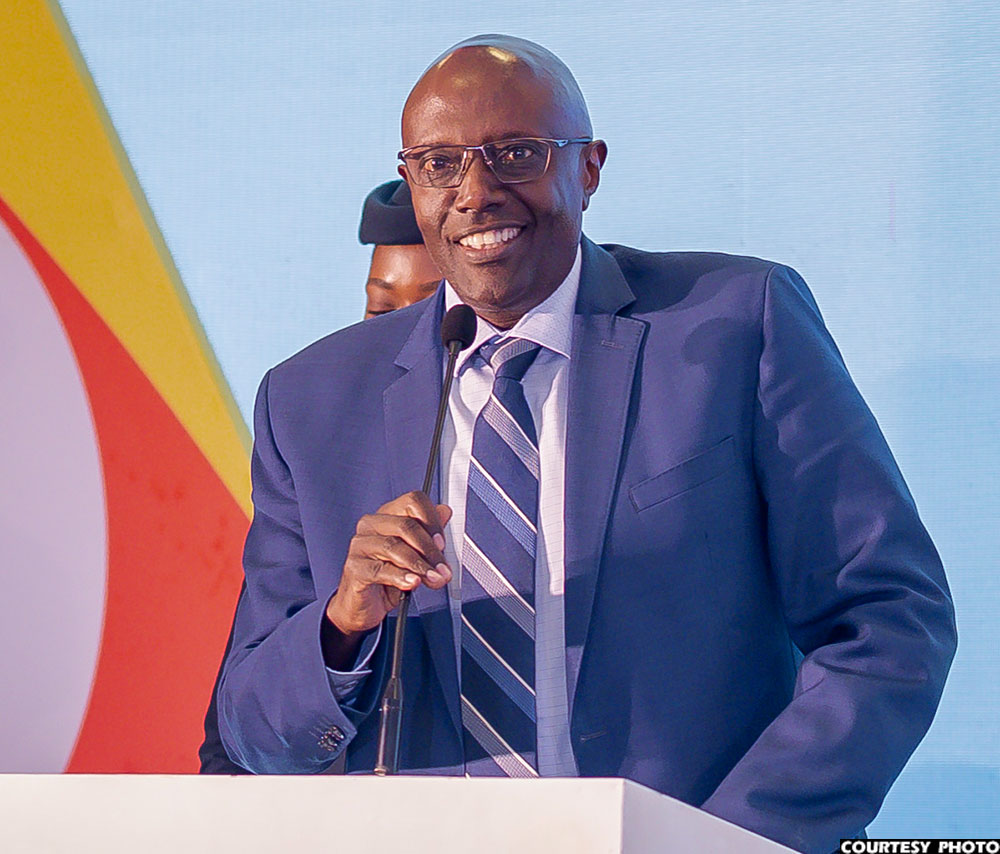
As someone who continues to engage closely with Uganda–Rwanda trade, border, and regional integration initiatives, Kabonero said the two countries are exploring how they can remove non-tariff barriers to encourage trade and partnerships, to explore tourism opportunities between Uganda and Rwanda.
"I commend our mission in Kigali, particularly our High Commissioner, Ambassador Maj. Gen. (Rtd) Robert Musoke, and his team for the excellent work done to bring this forum to fruition," he said.
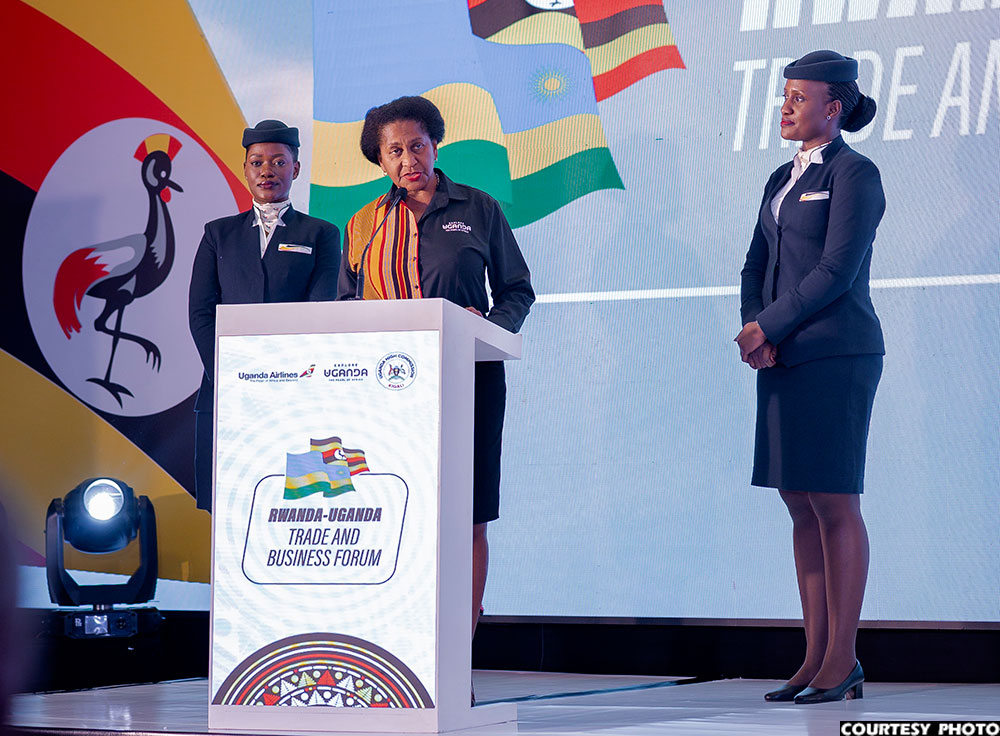
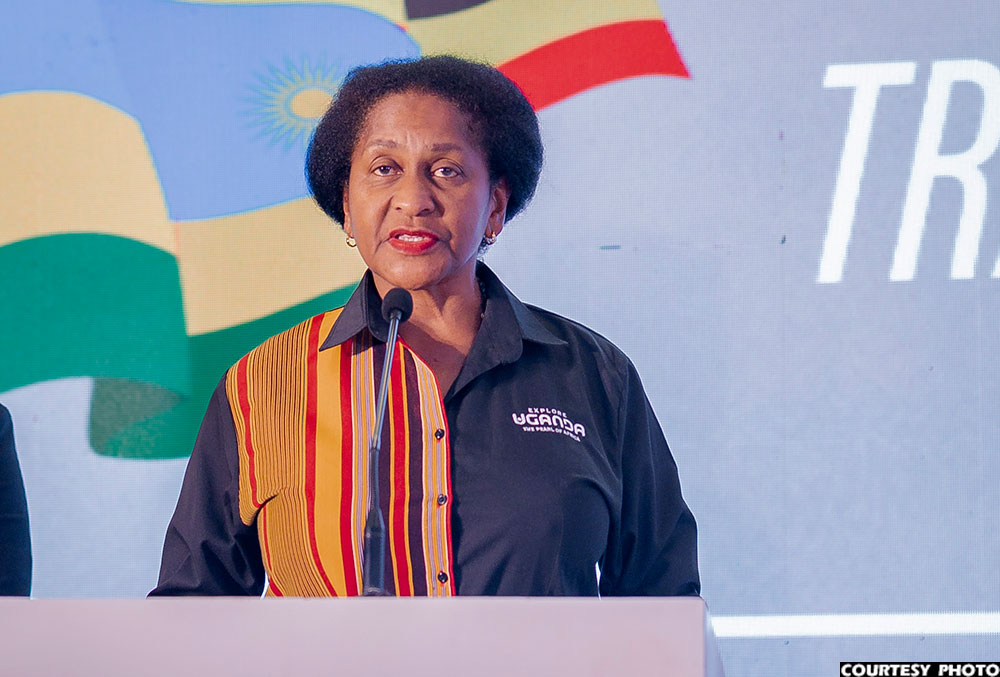
Uganda's tourism sector was well represented by a team led by Uganda Tourism Board (UTB) chairperson Pearl Hoareau Kakooza.
"If there is one thing I would wish for you to take from a tourism perspective, it is for us to perceive this new route not as competition to RwandAir but as complementary to each other's national carriers," she said in her address.
"The two carriers already have a bilateral agreement and we would encourage that this is enhanced so that we have other than the interline, we should have serious codeshare," said the UTB chairperson.
In aviation, a codeshare arrangement lets two or more airlines sell seats on the same flight under their own airline code and flight number.
"I would encourage us to let us look beyond regional tourism where our two countries share the Greater Virunga Transboundary landscape, which plays host to our mountain gorillas," added Kakooza.
"The success of Kenya, Uganda and Tanzania hosting AFCON in 2027 is a measure of success for our region and not only for Kenya, Uganda and Tanzania but also for Rwanda. The success of Rwanda to bring to Africa, particularly to East Africa, the Formula One Grand Prix in 2030 is a landmark victory for eastern Africa."
"Our question today to the tourism boards is: how are we as a region going to transport the vast number of fans and visitors who shall be coming to watch football and the F1 African Prix?"
Kakooza urged RwandAir to think about creating a new route to Kabalega International Airport (KLA) in Hoima city, one of the host cities of the 2027 edition of Africa's premier football competition.
"Next year, that must be a reality."
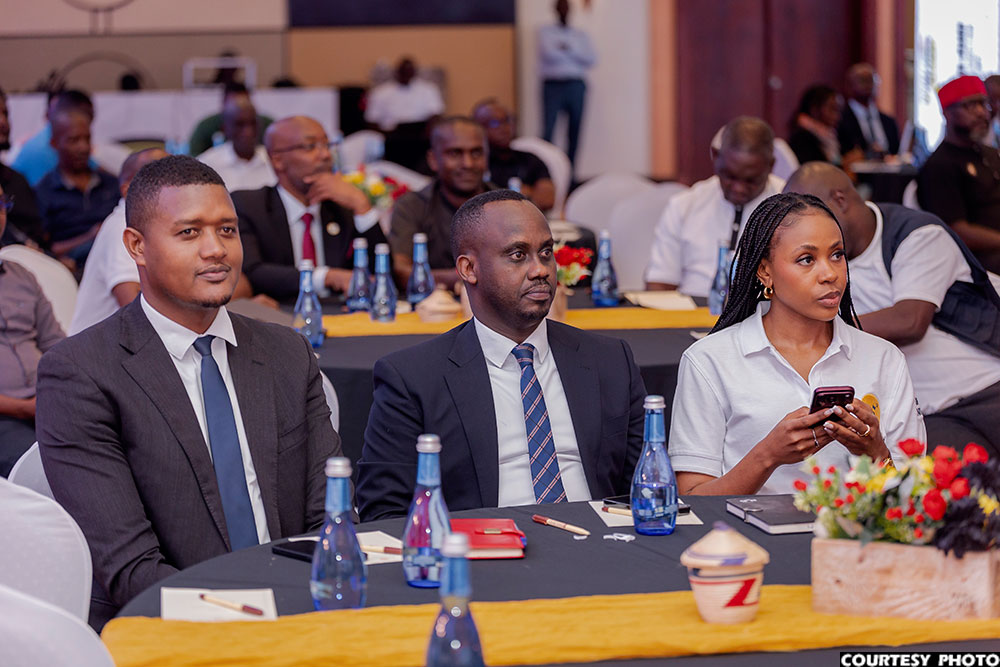
In his address, state minister Wandera thanked host Rwanda for a warm reception and hospitality to the Ugandan team and congratulated the two nations on the new air route.
"My greatest task is to make air travel affordable to increase intra-African connectivity," he said.
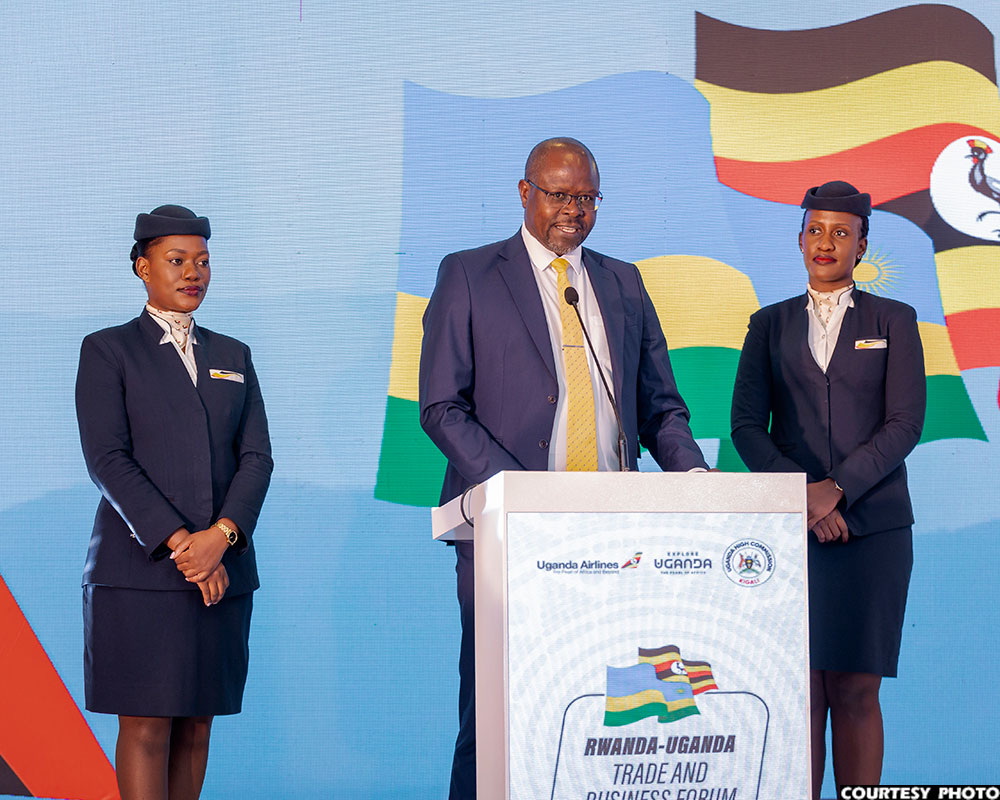
"Our two countries share geographical proximity, historical connections and important economic interests. We are neighbours in the East African Community; our people intermarry, trade in the same markets, and have cross-border relations. These provide a strong foundation for expanding trade, investment, tourism and private-sector cooperation," said the minister.
"However, good relationships between countries must continually translate into practical economic opportunities for their people and businesses. That is the purpose of engagements such as this one."
Wandera added: "Our countries have much to gain from stronger private-sector relationships. Commercial partnerships can support investment, create employment, transfer skills and contribute to the development of competitive regional industries.
"We should also encourage business associations and investment promotion institutions, the Uganda Investment Authority, the Rwanda Development Board, and our respective chambers of commerce, to maintain regular engagement beyond this forum so that the conversations taking place today translate into practical outcomes."
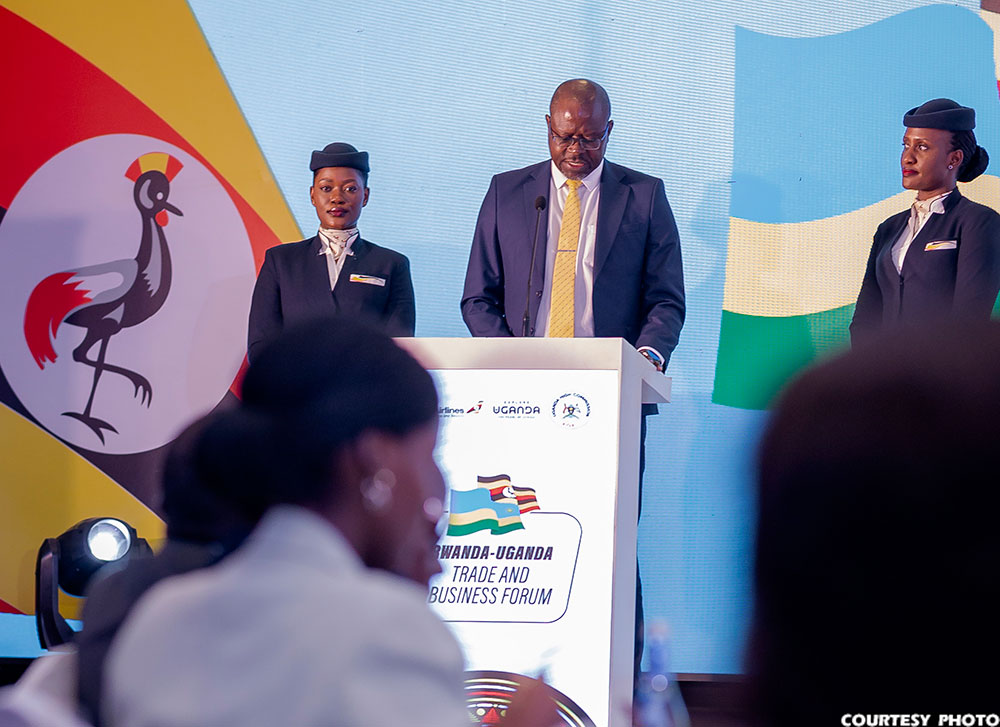
The state minister said the government has a responsibility to create an environment in which businesses can operate, compete, and grow.
In the transport sector, this includes developing and maintaining infrastructure, strengthening aviation safety and regulatory oversight, and improving connectivity between economic centres.
"Uganda is investing in Entebbe International Airport's expansion, in the standard gauge railway, and in the rehabilitation of the highways that link our two economies by road because the airplane and the truck, the tarmac and the runway, must complement each other."
Juliana Muganza, the Deputy CEO of Rwanda Development Board, said it was fitting to follow the new Entebbe-Kigali route launch with a trade and business forum, "bringing together our governments and business communities to explore how we can translate enhanced connectivity into tangible economic opportunities".
"For landlocked countries like ours, air connectivity is a strategic economic enabler," she said.
"It brings businesses closer to markets, facilitates the movement of people and goods and opens new opportunities for trade, tourism and investment. Building on our existing economic ties, we already have an encouraging foundation on which to build."
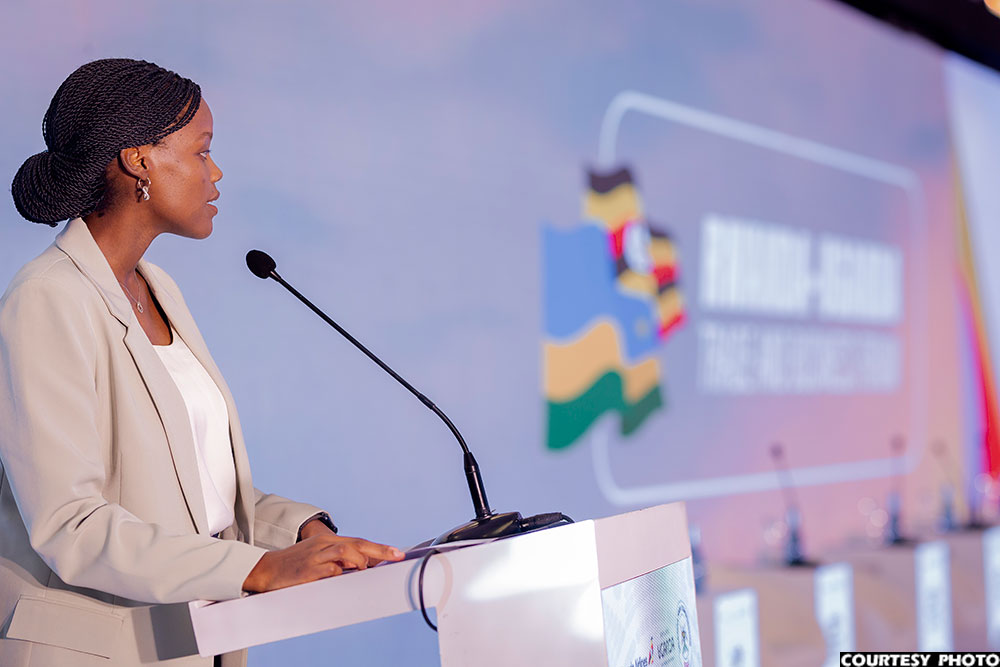
"Between 2020 and 2025, Rwanda registered Uganda-linked investment projects in various sectors, including ICT, energy, real estate and agriculture, representing approximately $66 million in planned investments and over a thousand jobs," said Muganza.
On cross-border movement, she said that last year Rwanda received over 200,000 people from Uganda and they believe the new Entebbe-Kigali air route will enhance those visitor numbers.
"As our economies continue to grow, we must be more deliberate about promoting cross-border investments, and creating opportunities for our businesses to expand each other's markets," added the deputy CEO.
"Strategic developments such as the new Kigali International Airport in Bugesera and the surrounding airport city infrastructure, including the recently announced Formula One project, creates opportunities for our businesses to expand into each other's markets."
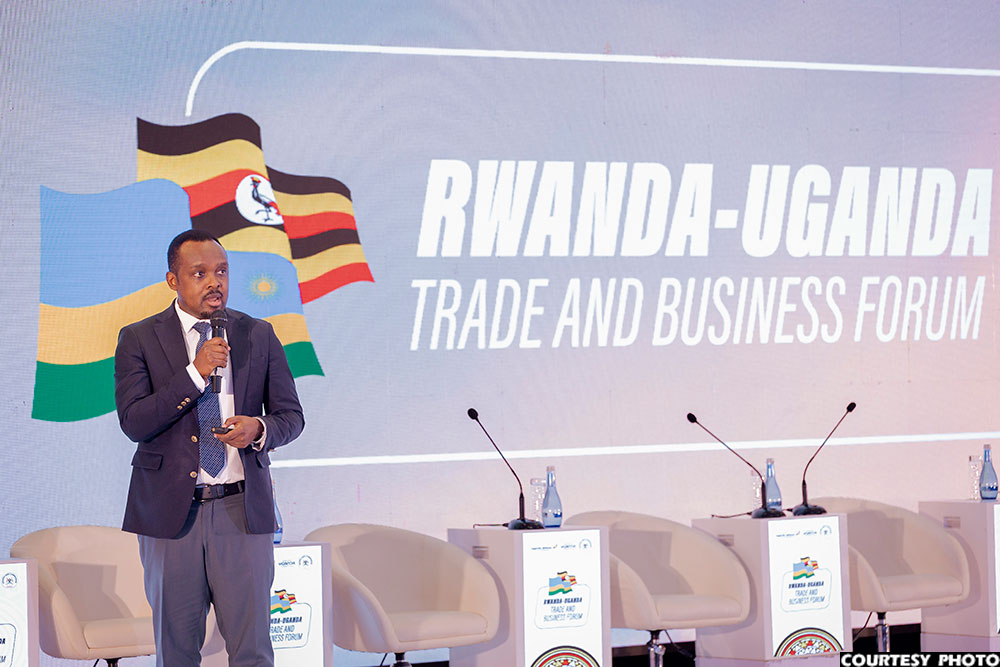
Ronald Kabagambe, the Acting Head of Investment Marketing and Facilitation at the Rwanda Development Board (RDB), was invited to make a presentation making a case for investing in Rwanda, "a small country with outsized momentum".
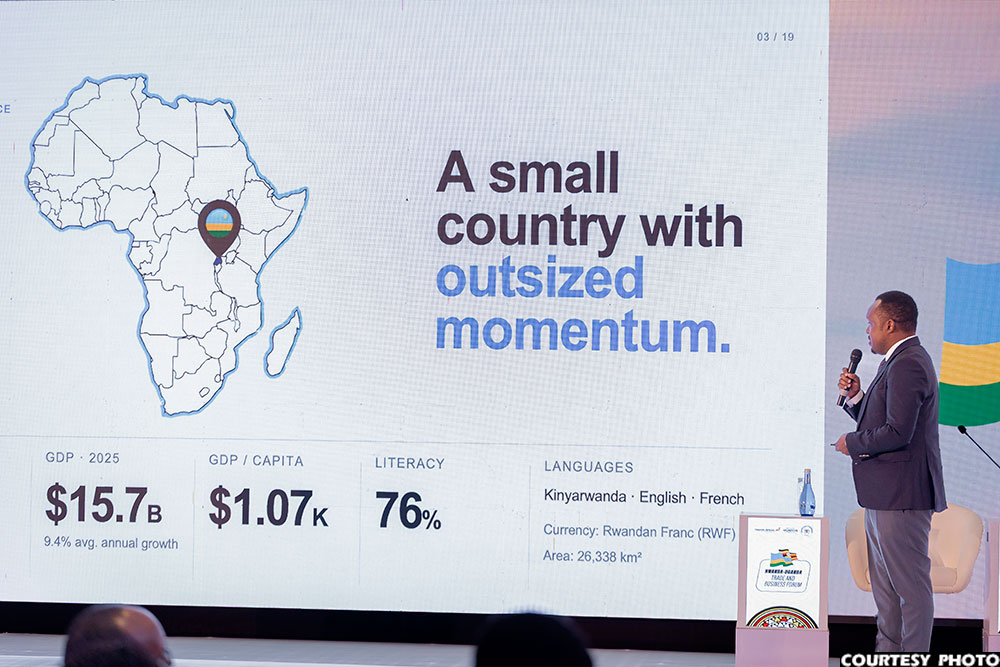
"Pitching or presenting investment opportunities to Ugandans is both hard and simple," he started off.
"It is simple because almost everyone understands the Rwandan terrain but also hard because you cannot exaggerate. You have to speak the truth," he quipped.
In his wide-ranging pitch, Kabagambe talked about Rwanda's investor-friendly climate.
"We are ranked number one by Business Ready (B-READY) Report by the World Bank recently in 2024 and this is because we have tried as much as possible to make the investment climate very friendly to the investors.
"For instance, it takes a maximum of six hours to register a company here."
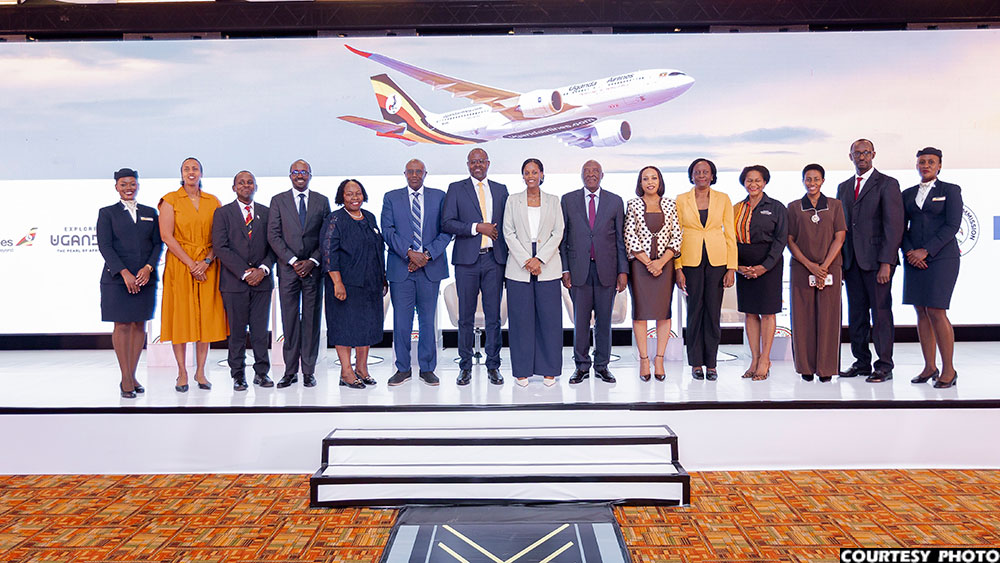
Before transitioning into the panel discussion, the forum took a brief pause for a group photo moment featuring the officials.
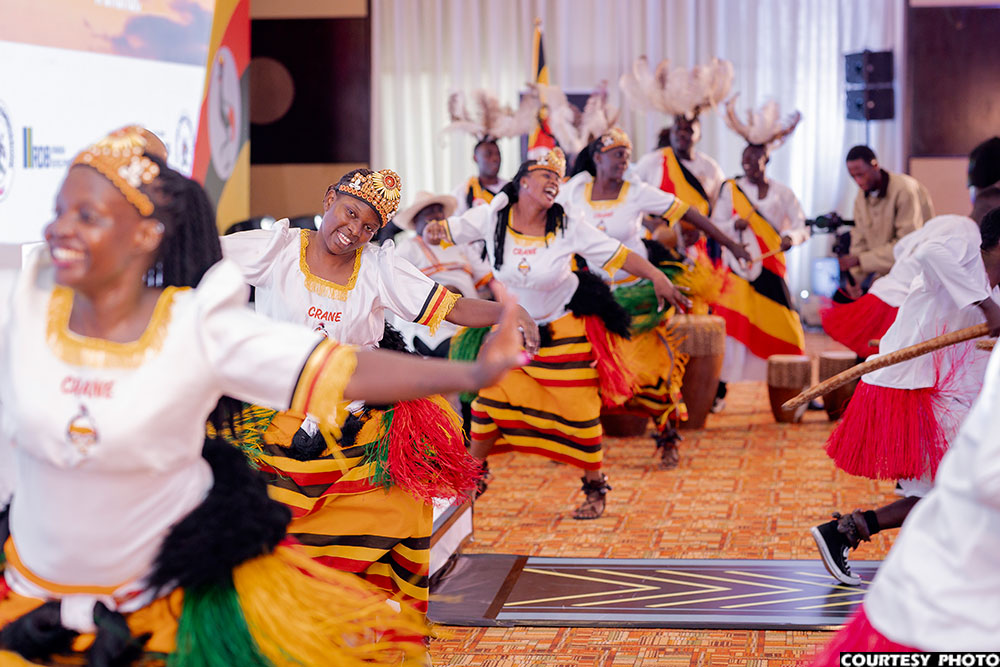
During that interlude, the Crane Performers treated the guests to a dose of delightfully lively entertainment, straight through the makeshift runway and right on to the stage.
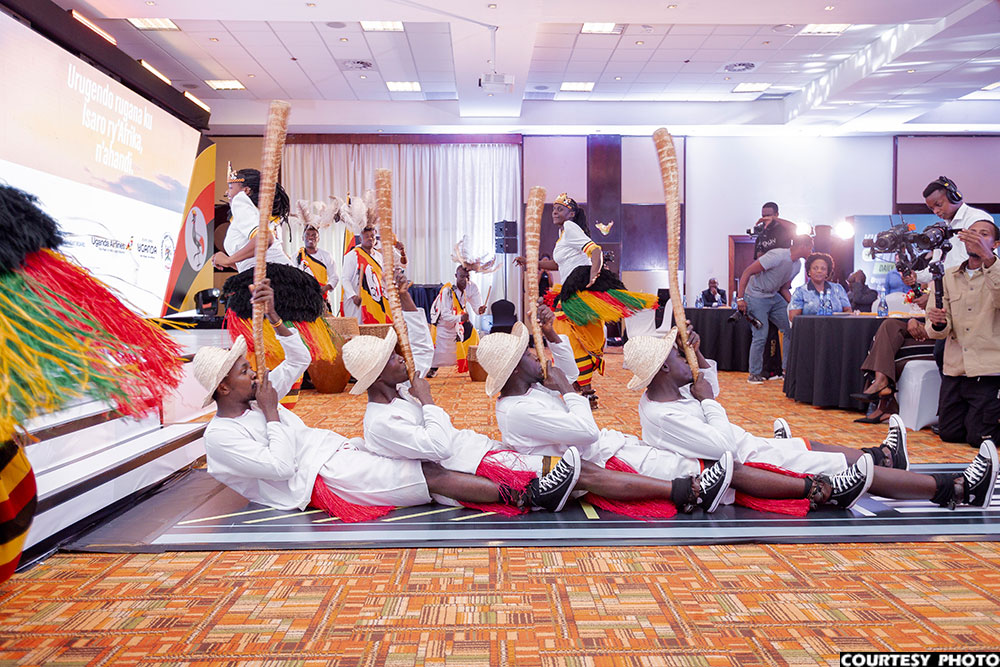
The energetic dancing by the troupe and spirited singing punctuated by dramatic feminine ululations lit up not only the ambience inside the hall, but also the expressions on delegates' faces.
The expertly synchronized exhibition by the performers drew in the filled room.

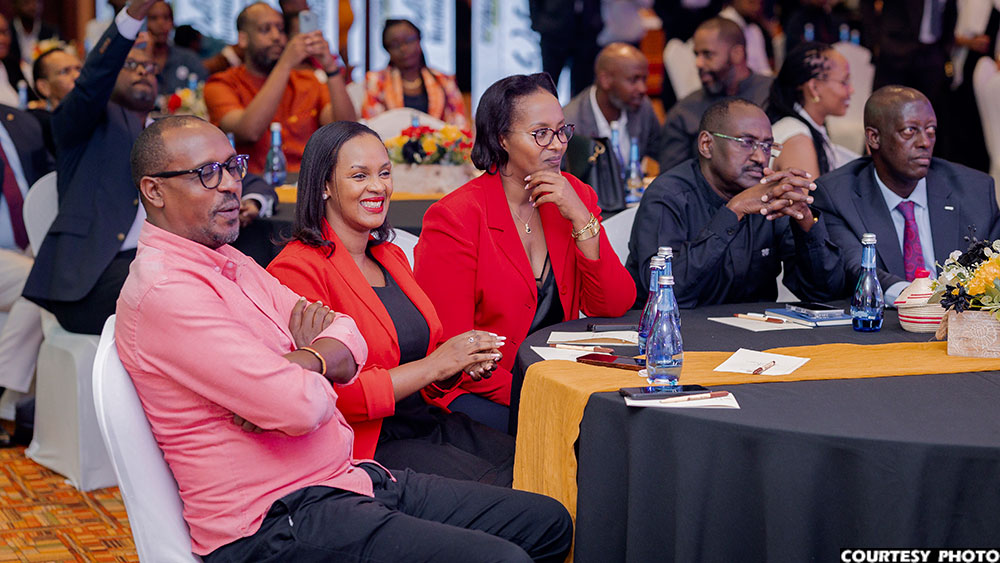
After the brief entertainment session, MC Maurice Mugisha was back on the gooseneck microphone to invite the panelists to discuss matters related to trade, tourism and investment in Rwanda and in Uganda.
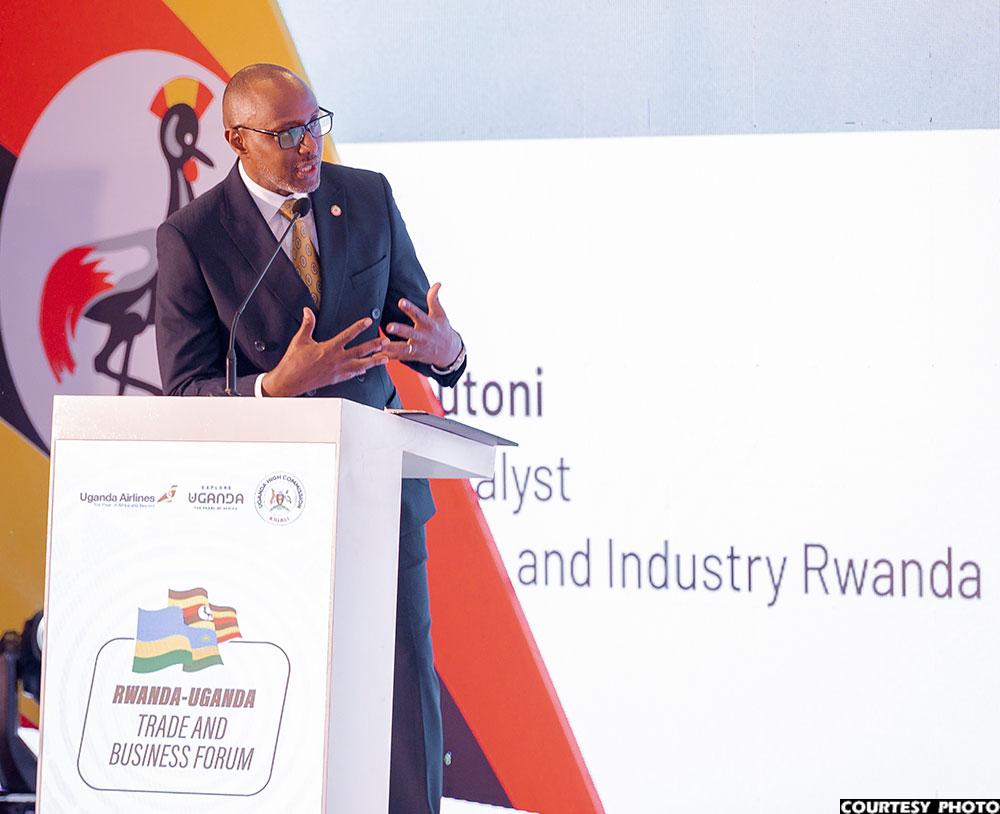
The expert panel featured:
▪️Diane Umutoni, trade policy analyst, Ministry of Trade and Industry Rwanda
▪️Francis Nyende, marketing manager, Uganda Tourism Board
▪️Felly Kalenzi, Acting Chief Tourism Officer, Rwanda development Board
▪️Christopher Matsiko, Principal Commercial Officer, Ministry of Trade and Industry, Uganda
▪️Nadia Keza, chairperson of Rwanda Tours and Travels Association
▪️Simon Ngabo, Principal Commercial Officer, Uganda Investment Authority
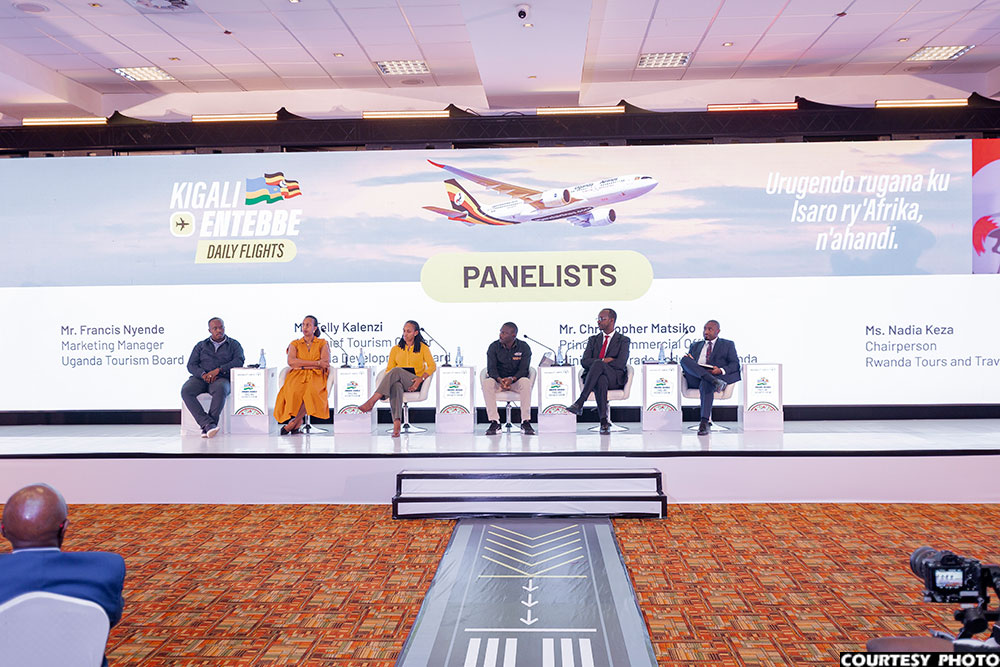
How do Uganda and Rwanda leverage their cultural ties, history and common border to increase and drive traffic to the two countries?
"Our commonality already gives us a huge opportunity and I see us, if we connected well with Kigali, we can be the ultimate destination bundle in the region, especially with the developments that Rwanda has made in terms of MICE (Meetings, Incentives, Conferences, and Exhibitions), coupled with the kind of adventures we have across in Uganda," said UTB's Nyende.
On his part, Kalenzi said that if Rwanda and Uganda did MICE marketing together as a region, "it can contribute heavily to the economic development of the region", by boosting the tourism of the two nations.
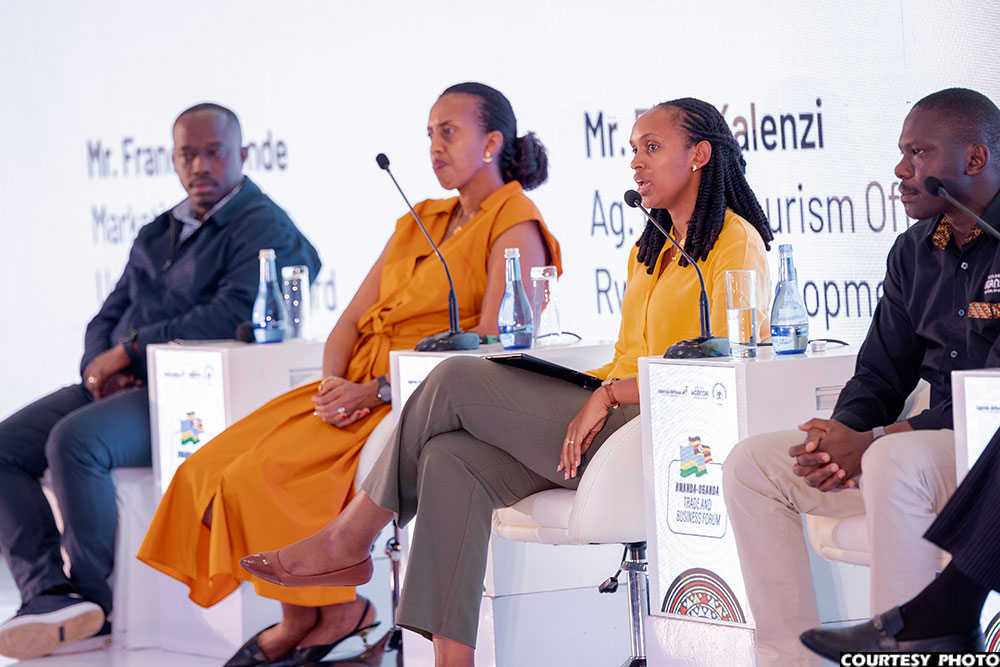
Uganda and Rwanda can strengthen their transport and logistics connection to take advantage of regional trade, said Umutoni from Rwanda's trade ministry.
She said non-tariff barriers should also be addressed to enable traders make the most of a broader market beyond the East African Community (EAC) as well as leverage different trade agreements to increase intra-EAC trade.
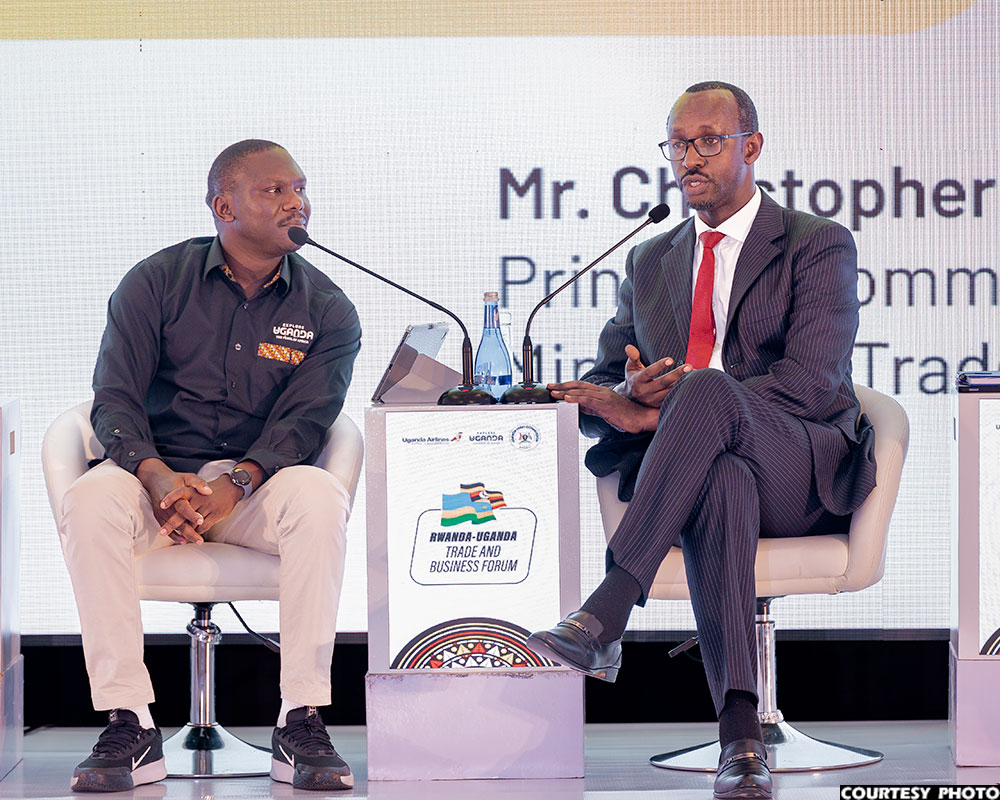
On infrastructure, Matsiko from Uganda's trade ministry said: "We are working on a project whereby we are going to make sure we construct well-equipped border markets."
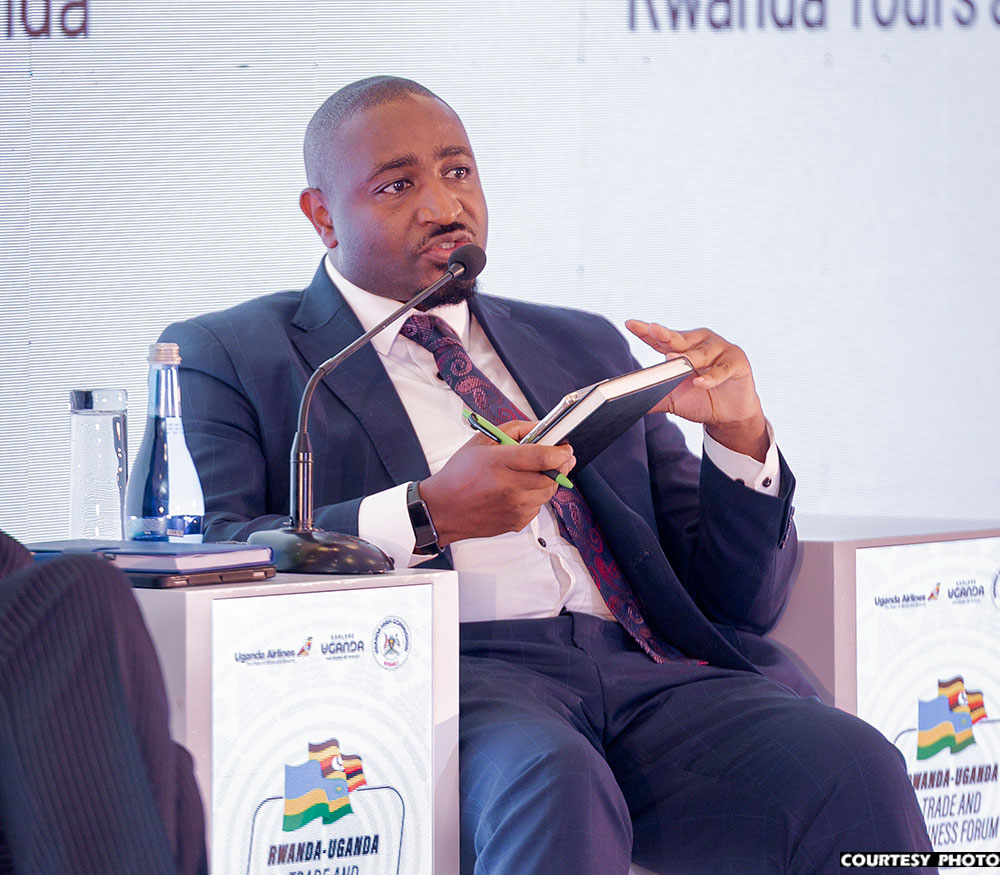
Weighing in on investment, Ngabo from the Uganda Investment Authority proposed that Rwanda and Uganda "move together with the momentum that we have. Rwanda has brought Formula One, Uganda has AFCON".
Adding: "Investors have confidence in Uganda and in Rwanda....Let's not look at each other as competition. Let's be like our big investor, the gorilla, whose only interest is: 'how do I get my daily bread?'
"Let's not look at ourselves as two small markets or two landlocked countries. Let's come together and become one big powerful investment destination across Africa."
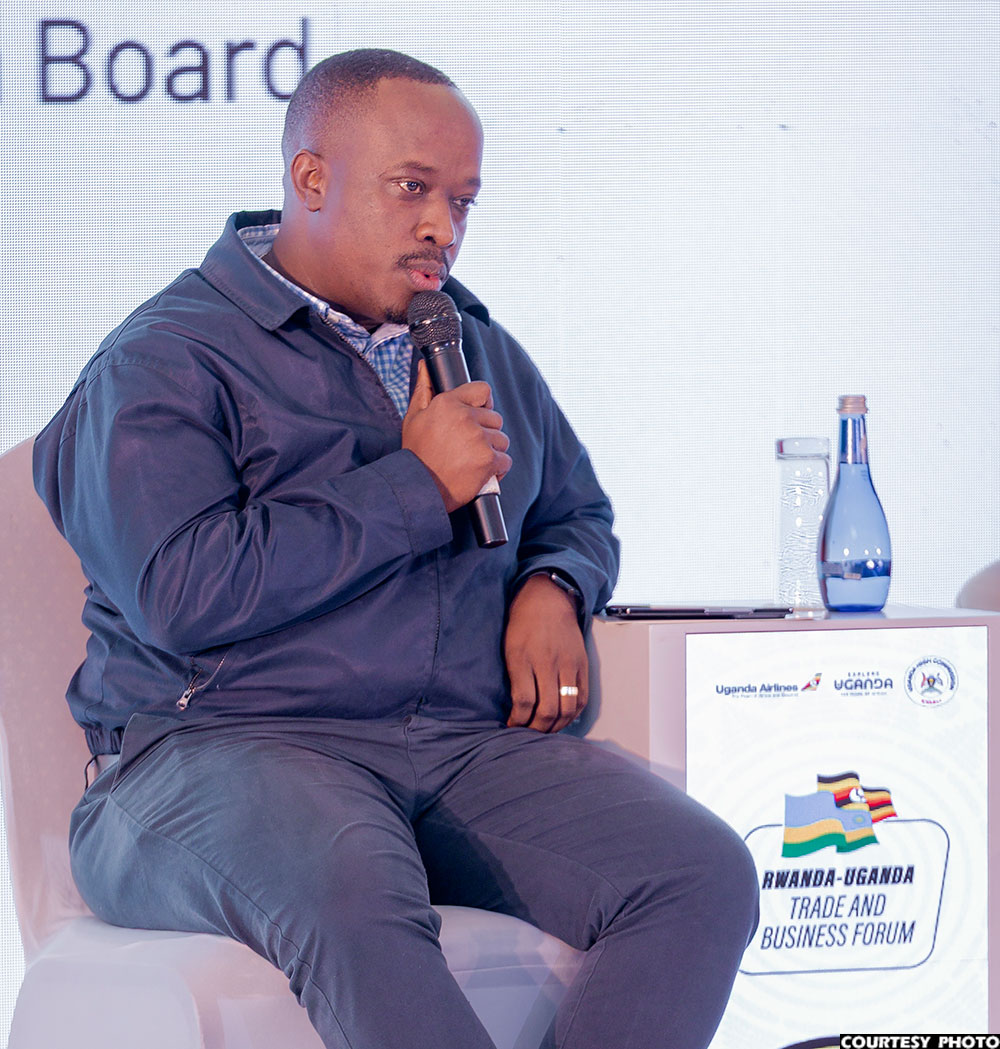
On supporting the private sector, Keza from the Rwanda Tours and Travels Association, said: "It is very important that we put public and private sector mechanisms in place to address or identify the barriers that are hindering the growth of tourism."
She added: "We need to collaborate.
"We need to put our packages together and offer as one destination just like it is working with the one-visa arrangement," she said in reference to the East African Tourist Visa (EATV), which costs $100, lasts 90 days, and allows multiple entries across Uganda, Rwanda, and Kenya for tourism.
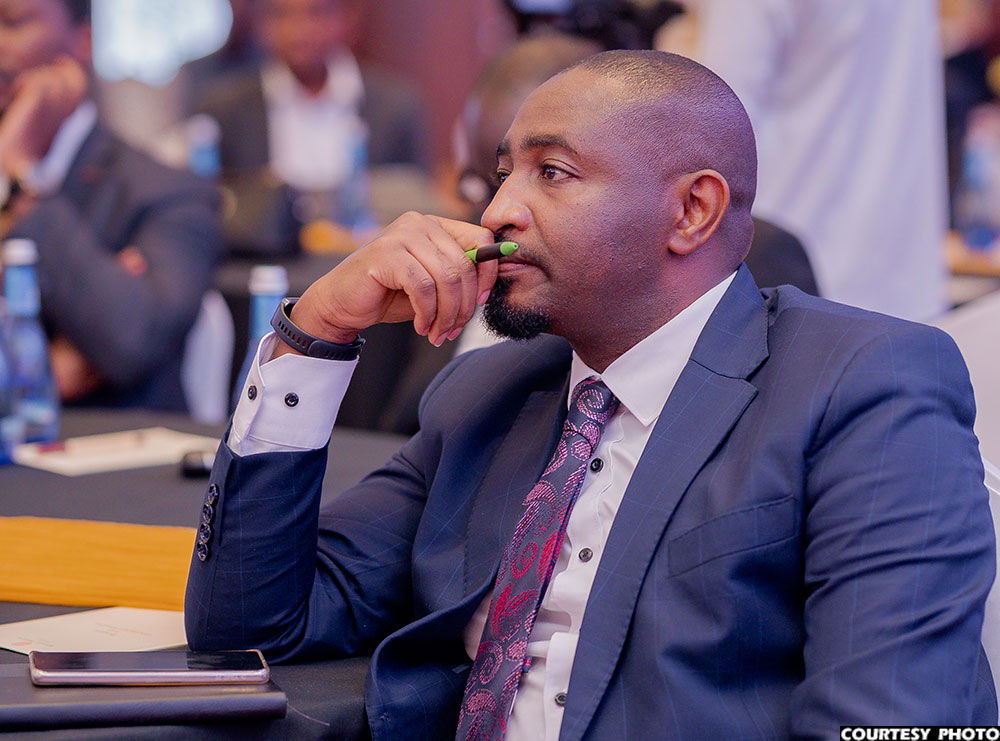
Dennis Karera (pictured below), the vice-chairperson of the East African Business Council, (EABC), made a clarion call to officials to work to reduce the cost of travel so that more people can travel between Uganda and Rwanda.
"Simply make the ticket affordable and you will be see how many people are flocking to Kampala and vice-versa...That's how we shall become winners."
Karera desires to see a sense of freeness, confidence and comfort between the peoples of Uganda and Rwanda.
"My call today would be: the people of Uganda and the people of Rwanda, have a sense of freeness and move freely and visit each other and spend in these capitals.
"People should move a lot more than they do. That's how economies grow, that's how money goes across, that's how people get to know each other, that's how social life grows, and that's money in movement."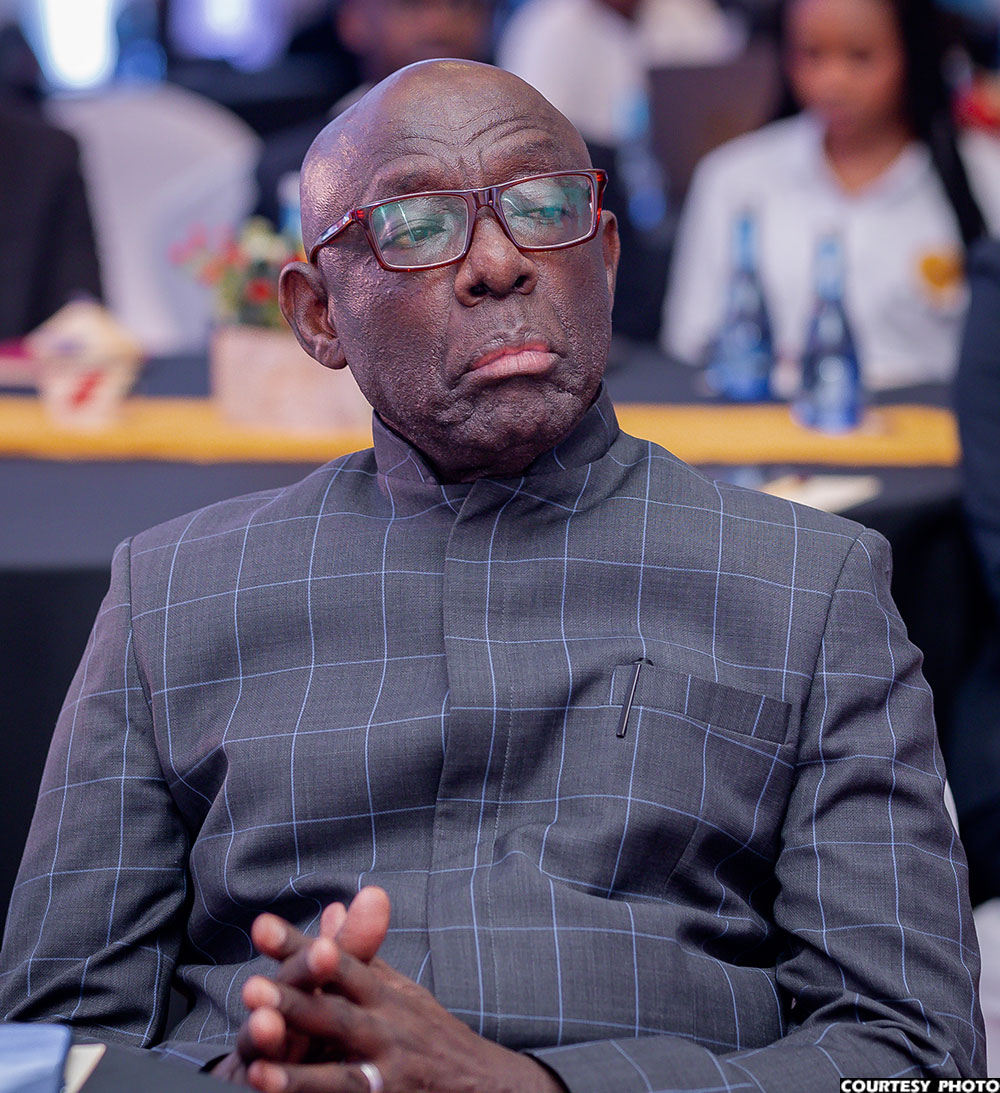
On cross-border investment, Karera said: "As an investor, I see challenges. It's not as interesting as it should be. People should be encouraged to invest across borders. One critical thing is to learn the rules of the game."
"Believe me, you are safer with investments in two or three destinations than simply one."
Olive Birungi Lumonya, the deputy director general of the Uganda Civil Aviation Authority (UCAA), admitted that the ticket price "is a big issue that we must resolve as a country and as Africa".
She said one strategic area that can help reduce the ticket price is the Single African Air Transport Market (SAATM), an African Union initiative in which airlines work together to bring down the cost of the air ticket.
Lumonya, however, said operationalization of SAATM, to which Uganda is close to signing, remains the biggest task at hand. If this is done, she said it will enable Africans to travel between African countries much easier, faster and more cheaply.
She said fifth freedom traffic rights, too, can help reduce the cost of air travel.