Museveni, Suluhu launch automotive assembly plant in Mpigi
President Suluhu is in Uganda for a two-day state visit at the invitation of President Museveni.
President Yoweri Museveni and his Tanzanian counterpart, President Samia Suluhu Hassan, cut the ribbon to officially commission the Double Q Automotive Assembly Plant in Maya, Mpigi District, on Thursday, November 19, 2026. (Credit: Miriam Namutebi)
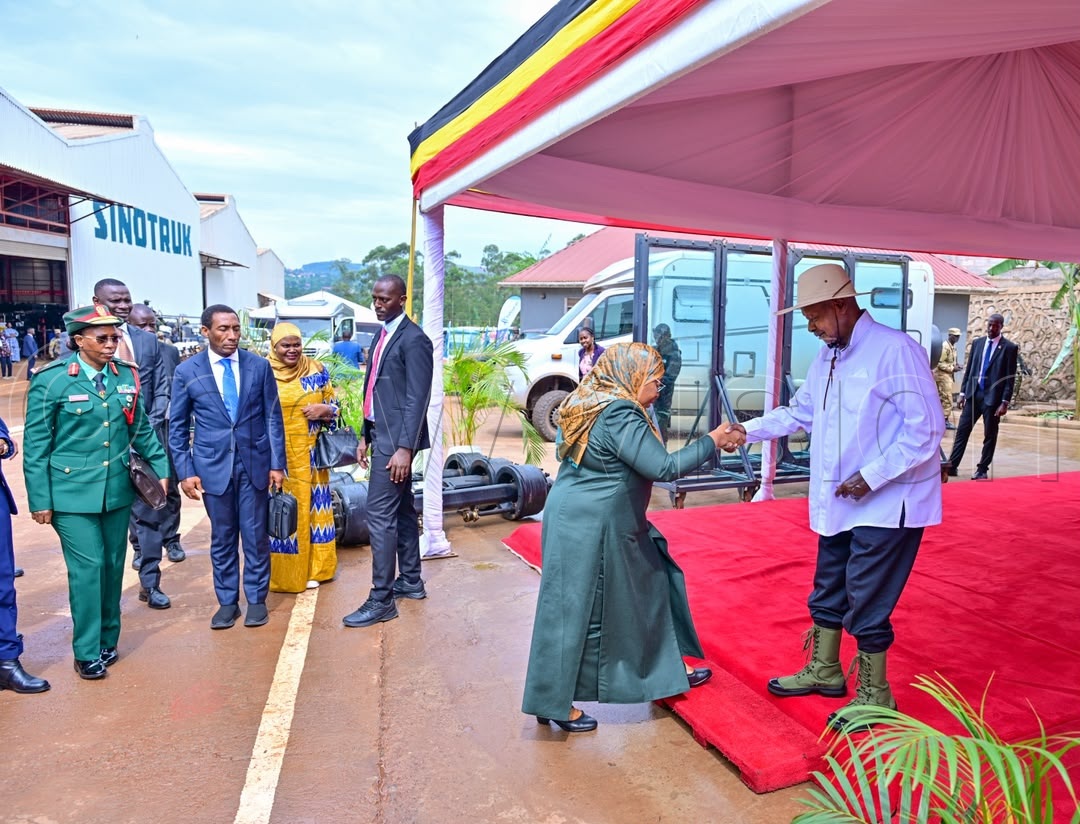
_______________ President Samia Suluhu Hassan arrives for the commissioning. (Credit: Miriam Namutebi) President Yoweri Museveni and his Tanzanian counterpart, President Samia Suluhu Hassan, arrive for the commissioning. (Credit: Miriam Namutebi) President Yoweri Museveni and his Tanzanian counterpart, President Samia Suluhu Hassan shake hands at the commissioning. (Credit: Miriam Namutebi)
President Yoweri Museveni and his Tanzanian counterpart, President Samia Suluhu Hassan, on Thursday (November 19), presided over the commissioning of the Double Q Automotive Assembly Plant in Maya, Mpigi district, in a move expected to strengthen Uganda’s industrialisation drive and regional economic cooperation.
The commissioning marks another milestone in Uganda’s efforts to promote local manufacturing, create employment opportunities and reduce dependence on imported products.
President Suluhu is in Uganda for a two-day state visit at the invitation of President Museveni.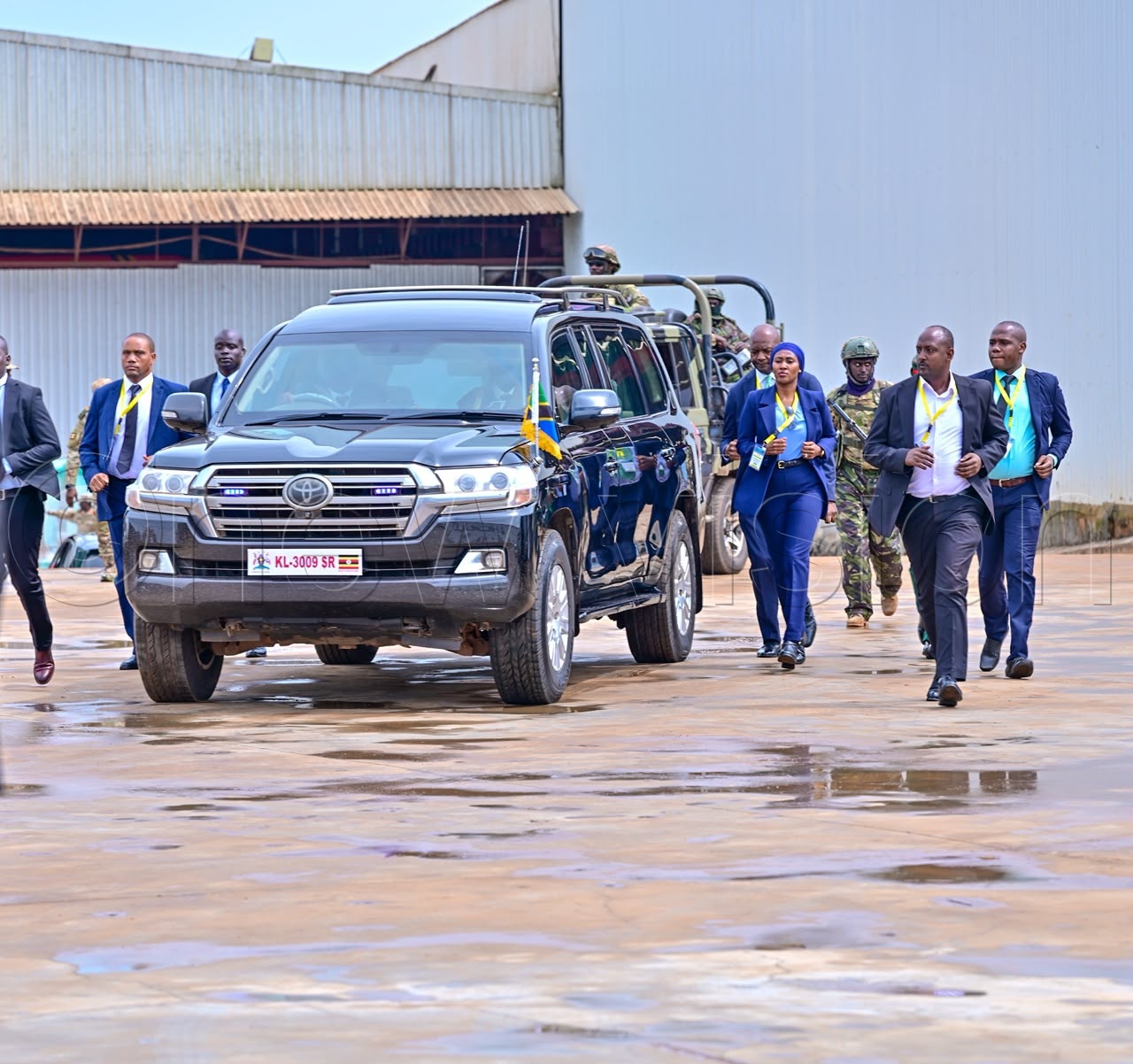
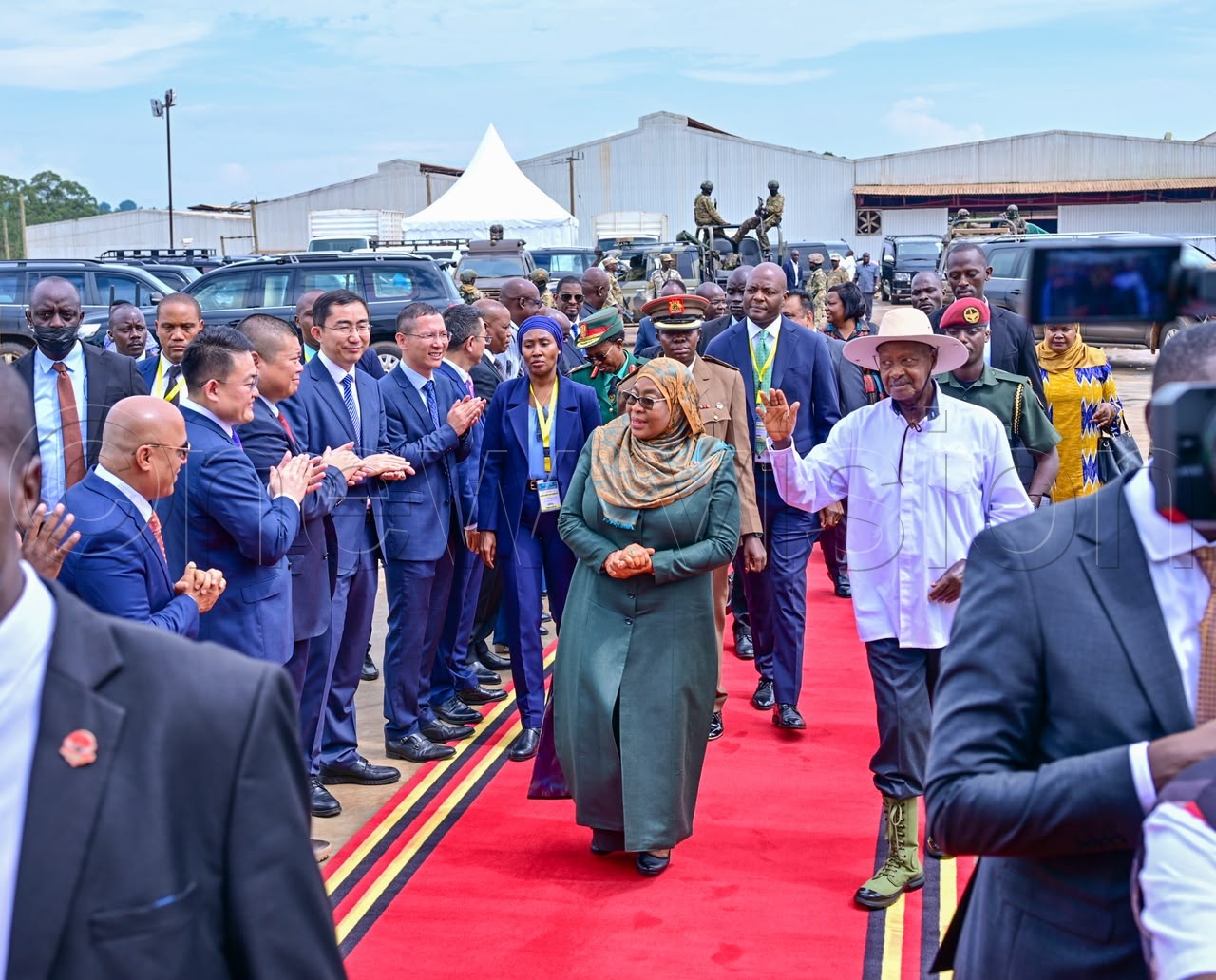
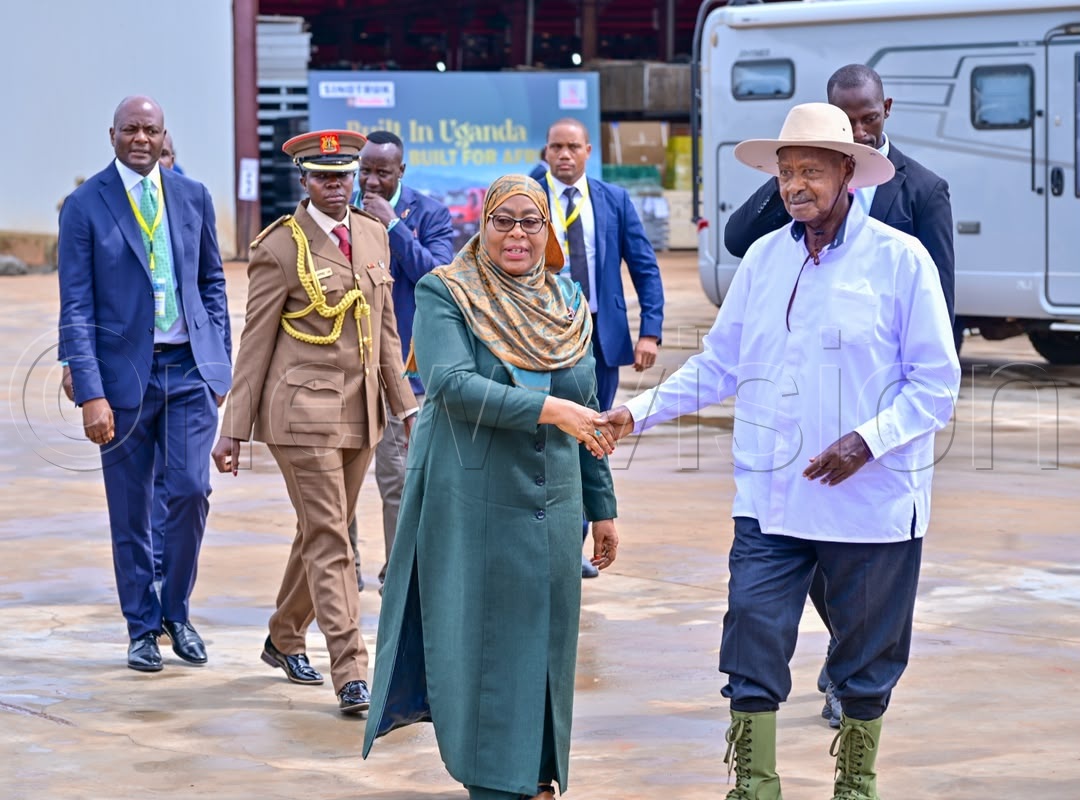
The visit is aimed at strengthening diplomatic, economic and trade relations between Uganda and Tanzania, particularly in energy, agriculture, industry, infrastructure, trade and investment.
On Wednesday, November 18, President Suluhu held bilateral talks with President Museveni at State House, Entebbe, where the two leaders discussed areas of mutual
interest and ways of deepening cooperation between the neighbouring East African countries.
During the discussions, the leaders agreed to accelerate the implementation of strategic regional projects, including the East African Crude Oil Pipeline (EACOP), the Standard Gauge Railway (SGR) and cross-border energy connectivity initiatives.
They also reaffirmed their commitment to improving trade, removing barriers to business, expanding market access and strengthening regional integration.
President Museveni emphasised the importance of economic integration, noting that countries must effectively utilise their natural resources, develop productive capacity, secure markets and invest in efficient transport and communication infrastructure to achieve sustainable prosperity.
President Suluhu, on her part, described relations between Uganda and Tanzania as strong and cordial, expressing her commitment to translating existing bilateral agreements into tangible benefits for the people of both countries.
The two presidents then proceeded to Maya in Mpigi district, where they were received by officials, including the Minister of Works and Transport, Fred Byamukama, who hosted the visiting dignitaries.
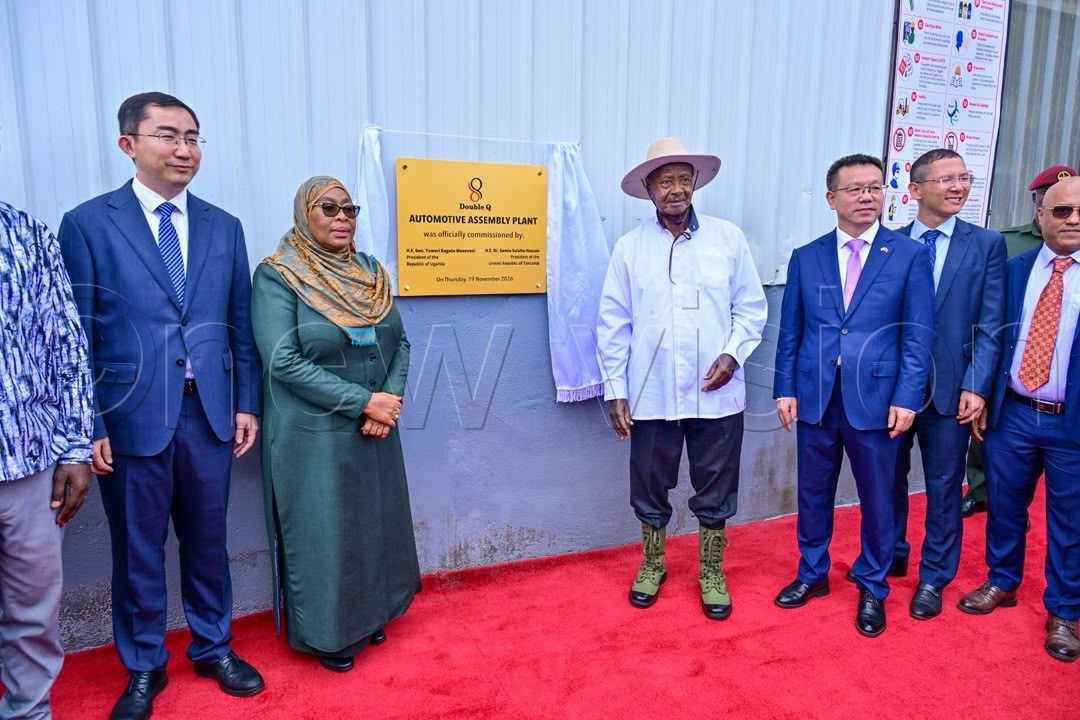
President Yoweri Museveni and his Tanzanian counterpart, President Samia Suluhu Hassan pose for a group photo with other officials after commissioning the the Double Q Automotive Assembly Plant. (Credit: Miriam Namutebi)
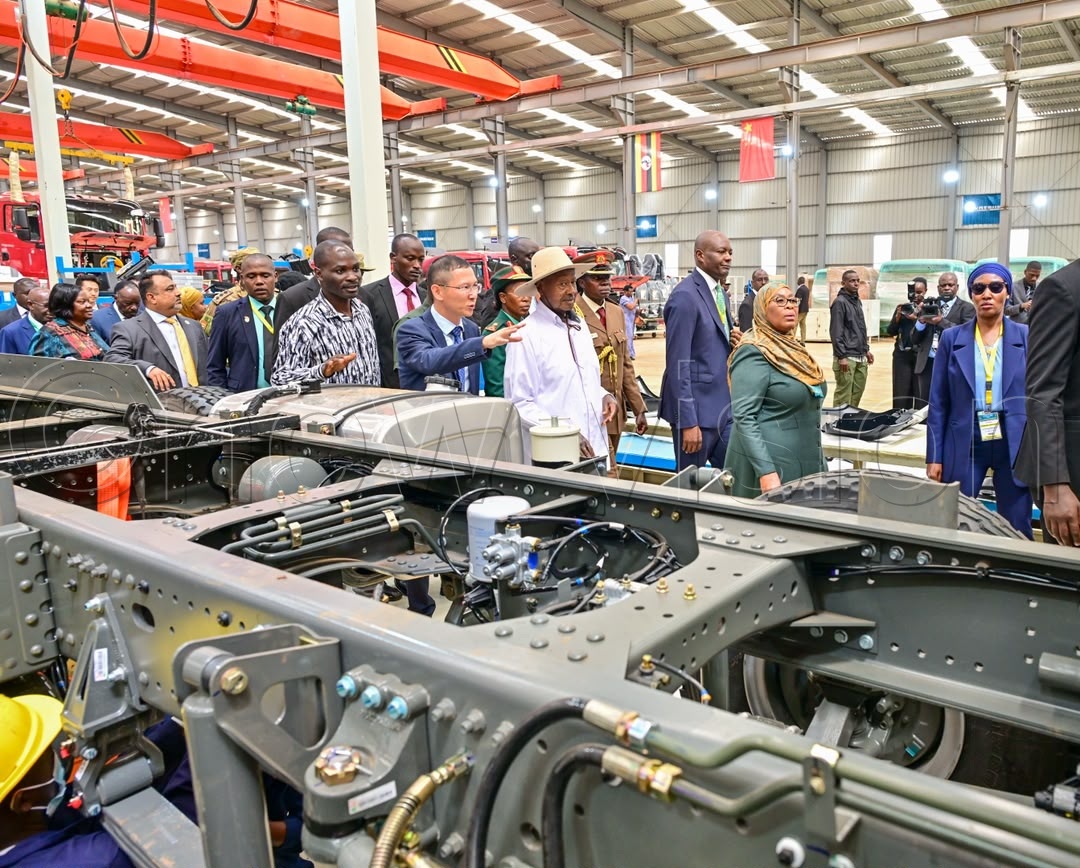
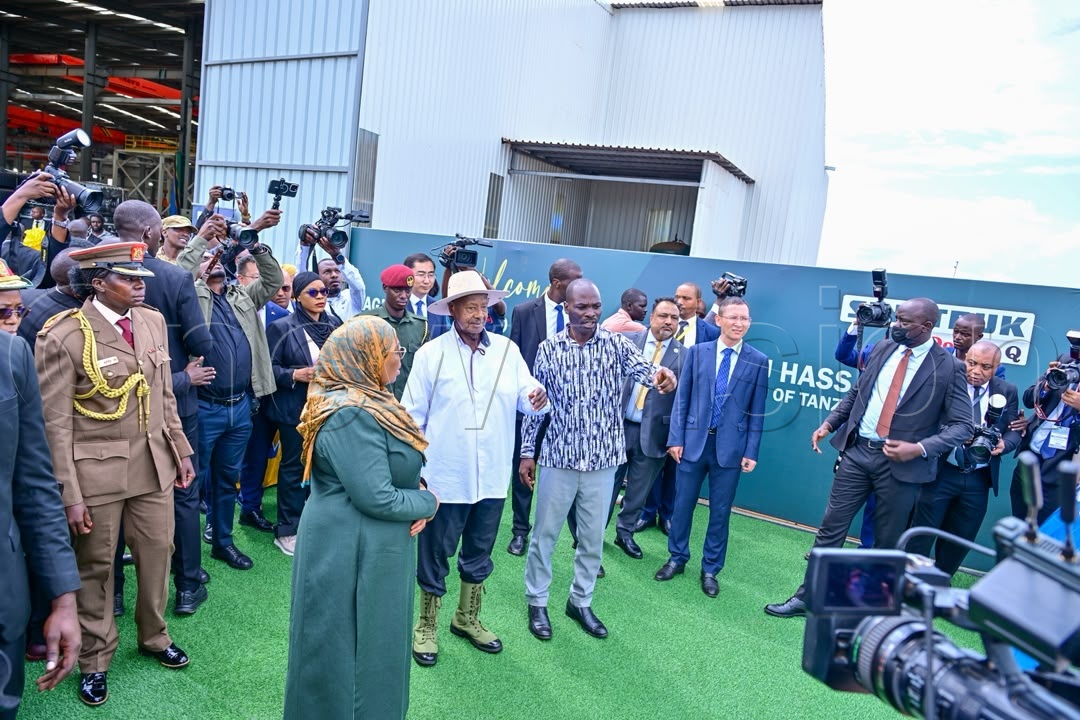
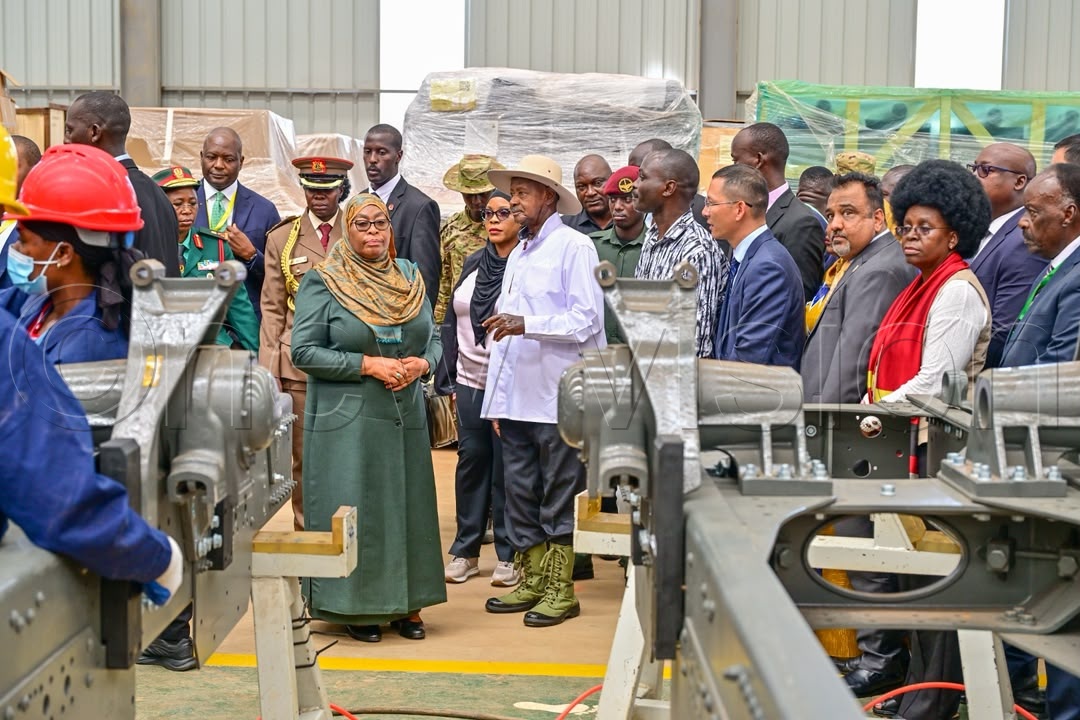
President Yoweri Museveni and his Tanzanian counterpart, President Samia Suluhu Hassan tour the plant. (Credit: Miriam Namutebi)
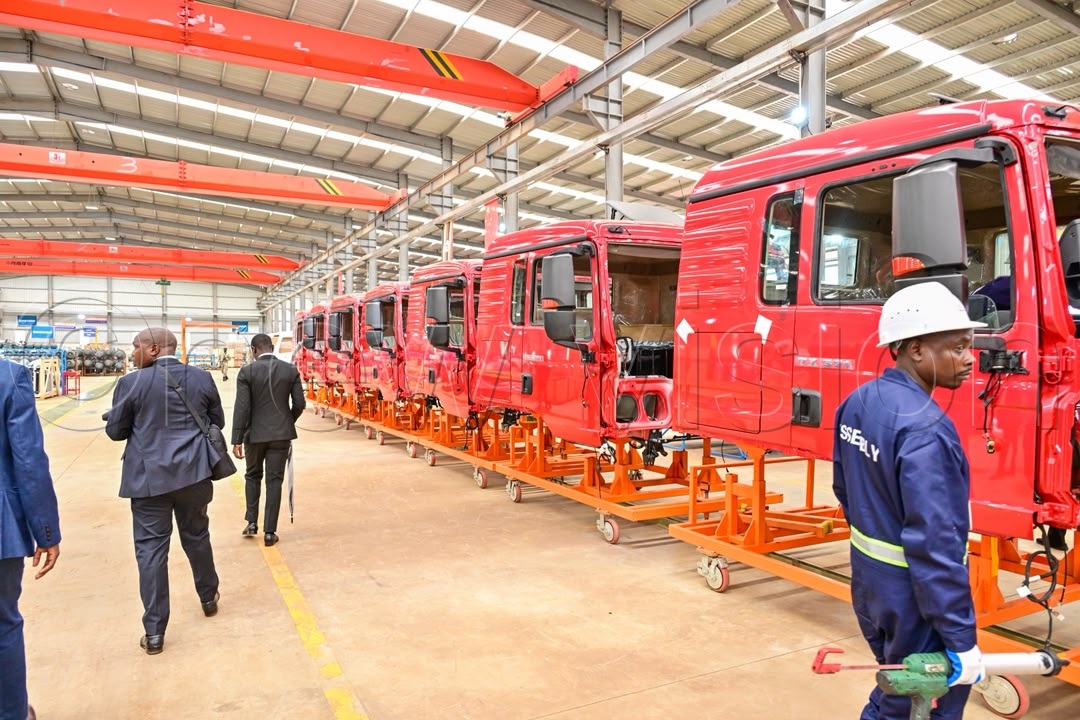
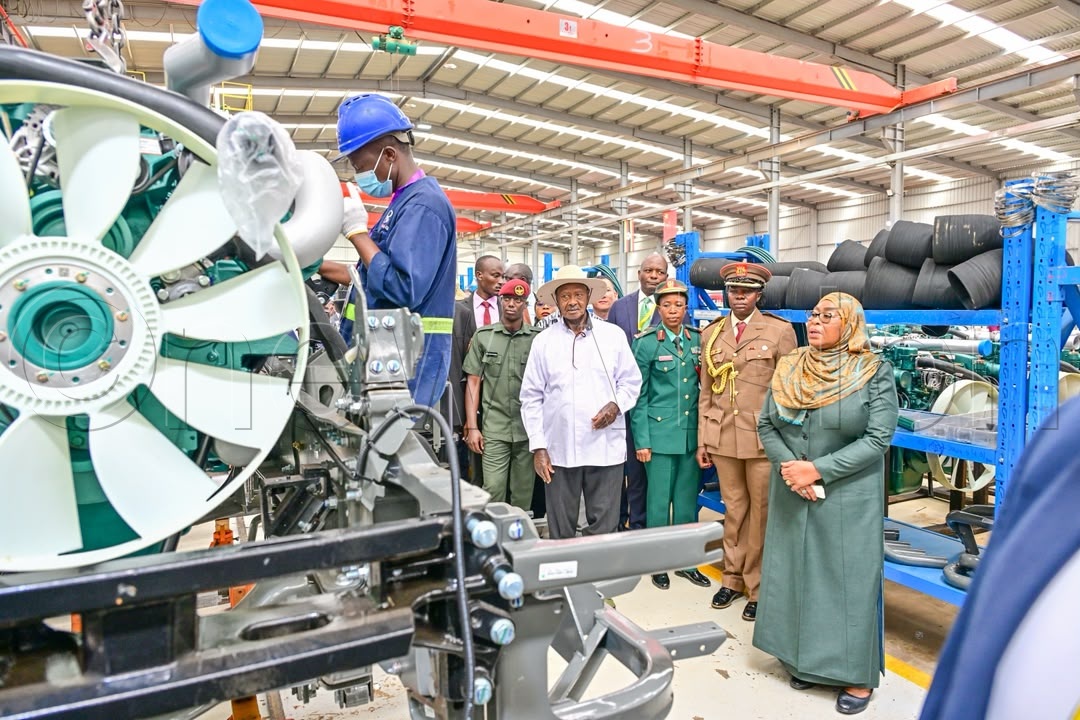
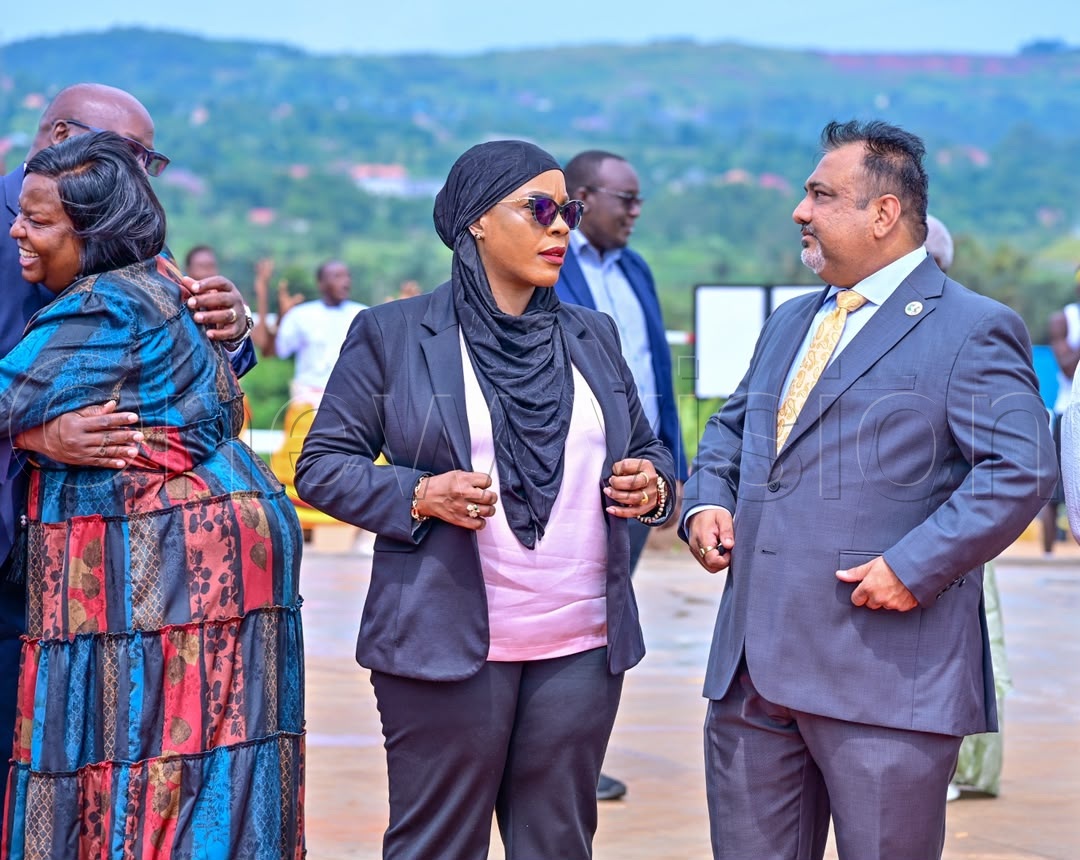
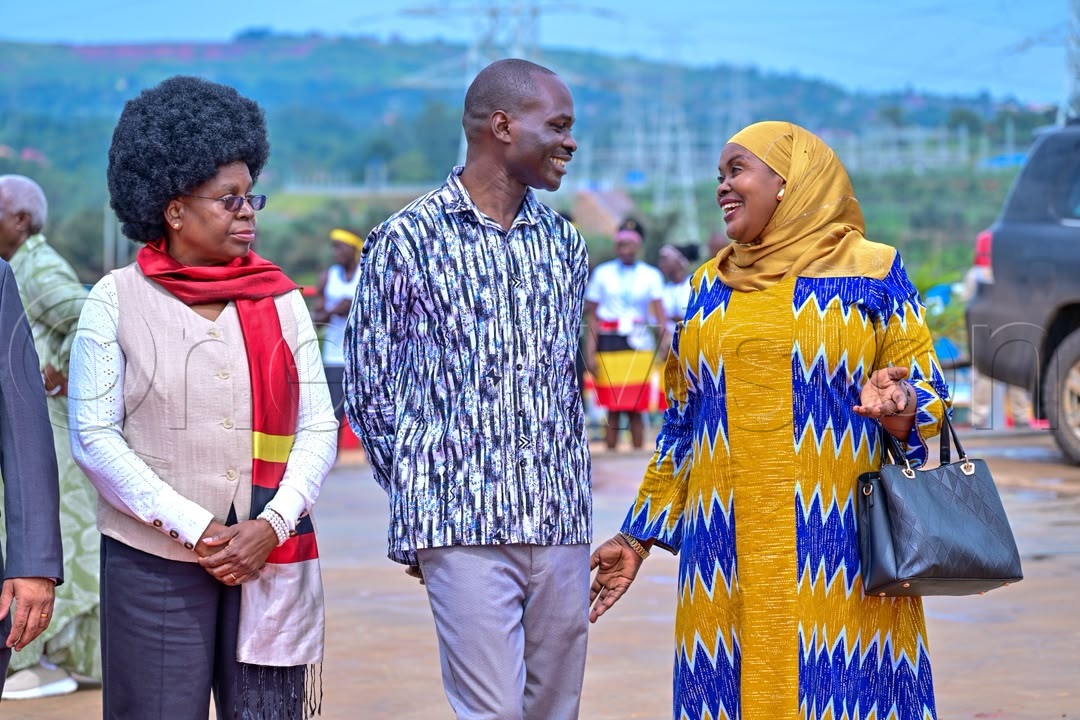
Other guests at the commissioning included Double Q Automotive Assembly Plant officials and representatives of the business community.
Following the official launch, the presidents undertook a guided tour of the facility to familiarise themselves with its operations and manufacturing capacity.
According to Double Q's proprietors, the commissioning in the presence of the two leaders underscored the growing partnership between Uganda and Tanzania, as both countries seek to promote industrial development, attract investment and create economic opportunities within the East African region.
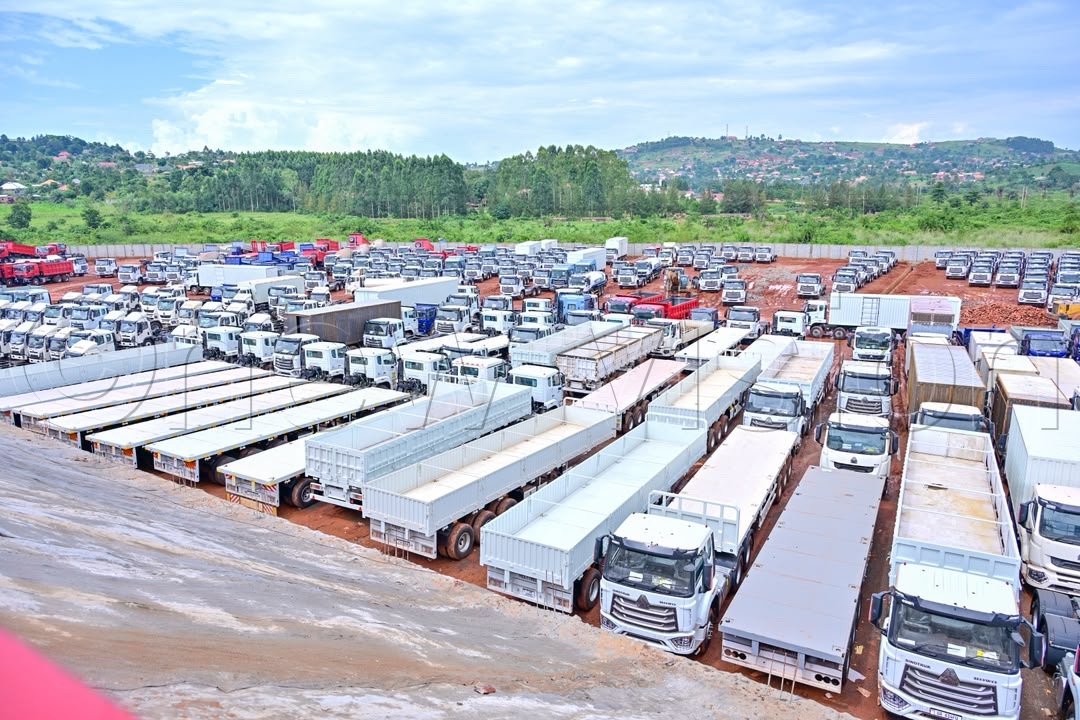
Double Q managing director Lin Yu told the presidents that the company's investment in Uganda was aimed at transforming the country into a regional automotive manufacturing hub through local vehicle assembly, skills development and job creation.
Lin added that the investment reflected Double Q's commitment to moving beyond importing and selling vehicles to manufacturing and assembling them locally.
“Our theme is ‘Built in Uganda, Built for Africa.’ This explains our ambition to invest in Uganda, create jobs for Ugandans, develop local skills and manufacture products that can serve markets across Africa,” he said.
Lin traced Double Q's journey in Uganda to 2013, when the company started as a transporter of construction materials before expanding into the automotive industry.
He said the company initially ventured into the supply of Sinotruk spare parts, after-sales services and vehicle leasing before becoming the official Sinotruk distributor in Uganda in 2017.
He said the company had since expanded its operations across East and Central Africa, with business interests in Kenya, Tanzania, Rwanda, South Sudan, the Democratic Republic of Congo and Zambia, while maintaining its headquarters in Kampala.
Lin said the newly launched Mpigi facility had an annual assembly capacity of 4,000 trucks, with plans to expand into passenger vehicles, electric vehicles and electric trucks.
He revealed that more than 5,000 Sinotruk vehicles had so far been assembled in Uganda through the company's operations, describing this as evidence of the growing technical capacity of Ugandan workers.
“When we started assembling trucks here, some customers questioned their quality and preferred vehicles imported directly from China. Some even thought locally assembled trucks were fake. But over the years, we have worked hard to ensure that every truck assembled here meets quality standards, is affordable and reliable,” he said.
He added that the company was determined to build confidence in Ugandan-made vehicles and establish a strong reputation for locally assembled products.
Lin said the investment went beyond truck assembly, explaining that Double Q wanted to stimulate the growth of the wider automotive industry by creating business opportunities for local steel producers, engineers, fabricators, manufacturers and suppliers.
He noted that Uganda's iron ore deposits presented an opportunity for future local steel production, which could eventually supply raw materials for vehicle manufacturing.
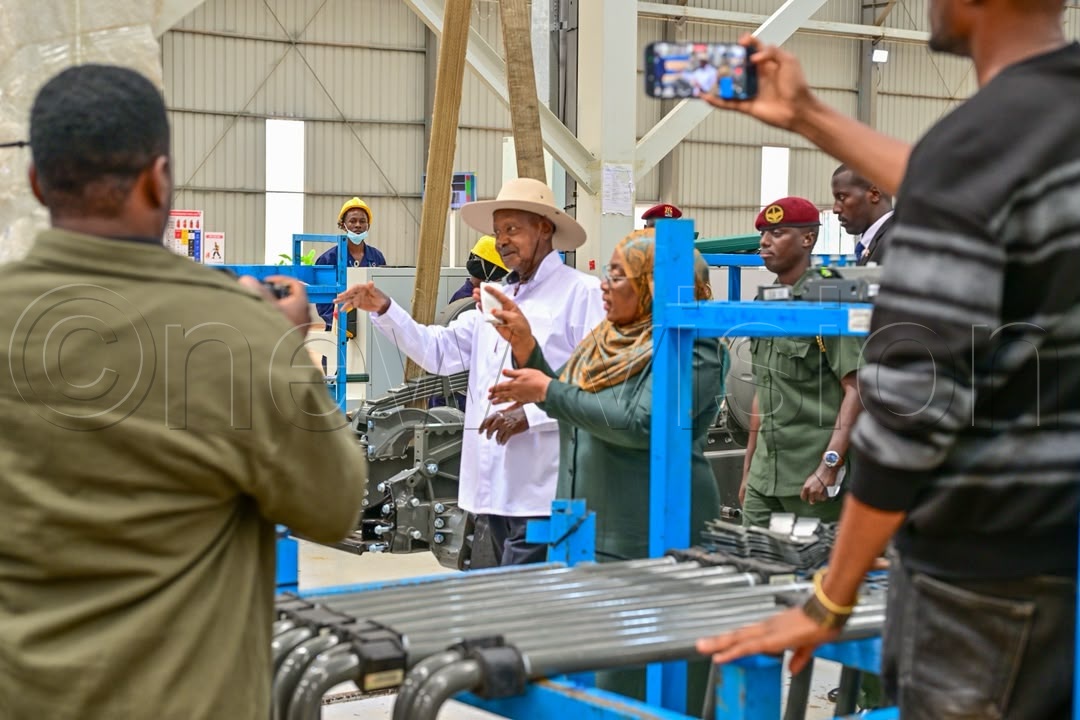
According to Lin, the company currently employs more than 1,200 Ugandans directly and provides workers with practical training through its automotive skills and technology transfer programme.
He said Double Q intended to increase local sourcing of materials and vehicle components, supporting the government's Buy Uganda Build Uganda (BUBU) policy, reducing imports, saving foreign exchange and positioning Uganda as a manufacturing and exporting country.