
Govt pushes microfinance institutions to cut lending costs
Musasizi said high interest rates remained a major obstacle to borrowing, investment and income generation, particularly among small businesses and households with limited resources.
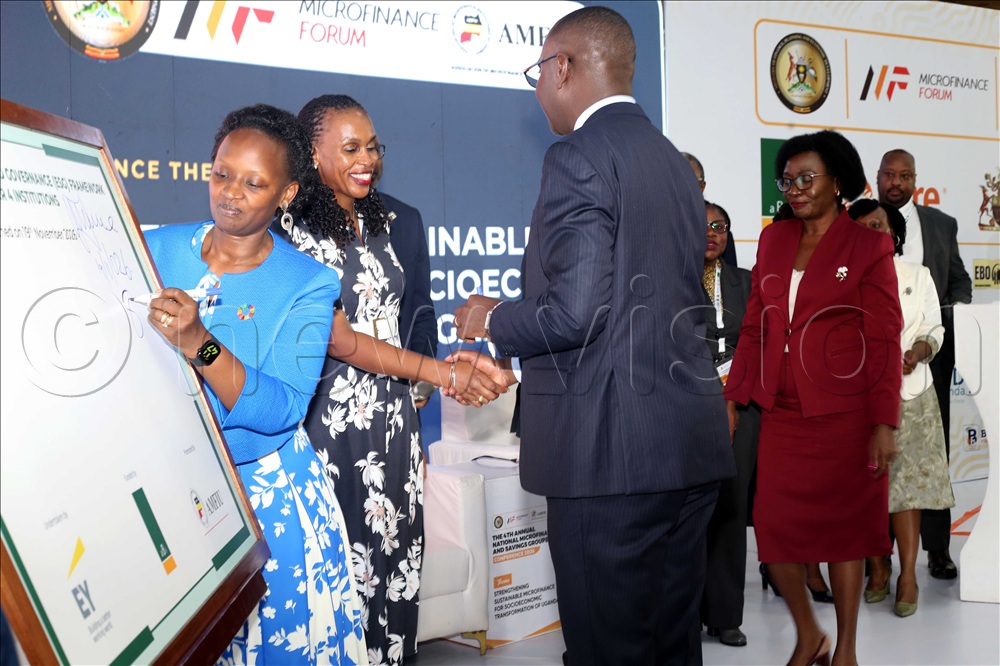
Finance Minister Henry Musasizi speaking at the Fourth Annual National Microfinance and Savings Groups Conference at Hotel Africana in Kampala on Thursday (November 19). (Photos by Alfred Ochwo)
________________
Microfinance institutions have been urged to lower the cost of borrowing, expand digital lending and tailor financial services to low-income households to widen access to credit and support economic activity.
Finance Minister Henry Musasizi said microfinance institutions should prioritise subsistence households, particularly those engaged in agriculture, who remain largely outside the formal financial system.
He was speaking at the Fourth Annual National Microfinance and Savings Groups Conference at Hotel Africana in Kampala on Thursday (November 19).
During the event, Musasizi said the Parish Development Model (PDM) was helping bring rural households into the money economy, but microfinance institutions needed to complement the programme by extending affordable financial services to underserved communities.
He urged lenders to embrace digital technology to reduce operational costs and make services accessible without requiring customers to travel to branch offices.
“Do not build an office and expect people to come to you. Instead, take services closer to them through digital platforms such as mobile phones,” Musasizi said. He added that clients should be able to check their savings balances without having to physically visit an office.
He said high interest rates remained a major obstacle to borrowing, investment and income generation, particularly among small businesses and households with limited resources.
The minister also said the government was reviewing the 10-year tax exemption granted to Savings and Credit Cooperative Organisations (SACCOs) in 2017 to determine whether it should be extended.
He added that the government was considering strengthening SACCO supervision, including proposals to bring them under the Bank of Uganda's oversight, to improve accountability, curb money laundering and align the sector with international standards.
The proposed regulatory changes are intended to address gaps in supervision and improve the sector's operations.
Veronica Namagembe, president of the microfinance institutions, said the sector had disbursed about sh3.1 trillion in loans despite high borrowing costs and unpredictable taxation.
“We are not large in money, but large in reach,” she said, urging the Government to provide a stable tax regime and financing that matches agricultural production cycles.
She said access to affordable and predictable funding was critical for microfinance institutions to serve farmers and small businesses whose earnings depend on seasonal production.
Microfinance Forum chairperson Dr Andrew Obara said efforts were underway to establish a comprehensive data framework for the sector and implement the Tier IV microfinance programme, although additional funding was still needed.
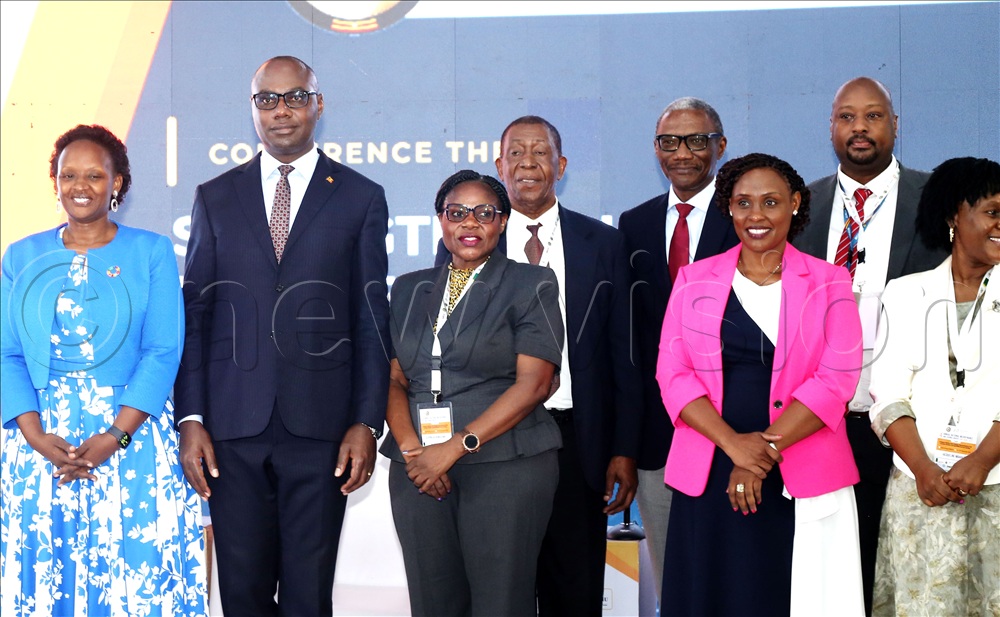
The conference, attended by officials, civil society representatives, development partners and a delegation from Burundi, focused on strengthening microfinance institutions and savings groups as tools for expanding financial inclusion and improving household incomes.