
Non-refundable sh100m: SC Villa sets steep nomination fee for club presidency
The resolution was reached during a meeting held at East High School, Kulambiro, as the club prepares for elections scheduled for March 22, 2026. More than 200 fans attended the meeting.
Villa fans attending the Annual General Assembly. PHOTOS: Olivia Nakate
Fans at the annual general assembly of SC Villa have anonymously passed a controversial resolution requiring anyone intending to contest for the club presidency to pay a non-refundable Shs100 million nomination fee.
The resolution was reached during a meeting held at East High School, Kulambiro, as the club prepares for elections scheduled for March 22, 2026. More than 200 fans attended the meeting.
However, a section of members raised concerns, proposing that the nomination fee should be determined by the electoral committee, a suggestion that did not receive support from the majority.
While some stakeholders argue that the move is aimed at strengthening the club’s leadership financially, critics believe it could shut out capable but less wealthy aspirants.
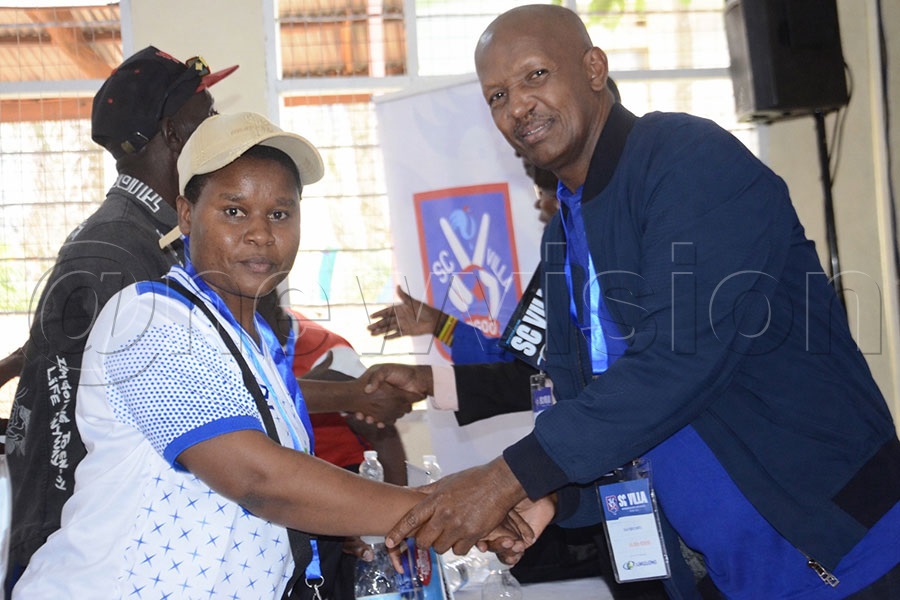
Villa Prresident Omar Mandela posing for a photo with a fan after general assembly
The fee has sparked debate, especially when compared to national politics, where a presidential aspirant in Uganda pays Shs20 million to contest. Many supporters are questioning why a football club presidency should cost five times more than running for the highest political office in the country.
Defending the decision, Board of Trustees chairperson Gerald Ssendaula said the amount was proposed and approved by fans at the assembly, not imposed by the board of trustees or executive.
“If you attended the annual general assembly, you heard me ask fans to suggest a fee they felt anyone wishing to run for president should pay. They anonymously agreed on Shs100 million, non-refundable. It was neither the executive nor the board of trustees’ contribution,” Ssendaula explained.
“So why would anyone say we want to lock out other aspirants to consolidate ourselves in power?”
Supporters of the resolution insist that financial muscle is essential for managing a club of Villa’s stature. Fans’ coordinator Hassan Kasule said the club can no longer rely on supporters’ contributions to survive.
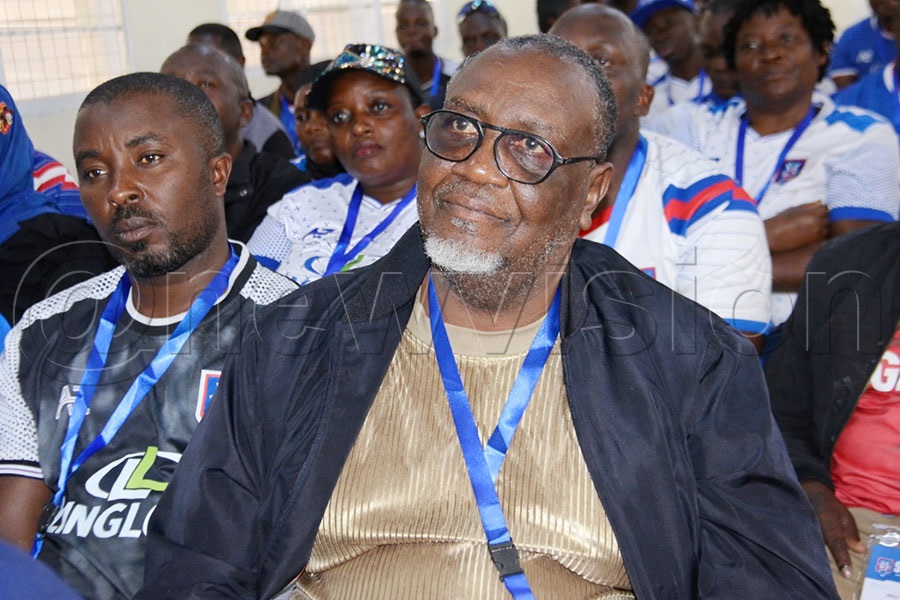
Villa fan Godfrey Kasiita and others during the general assembly at East High
“Running a club especially one like Villa that is not owned by a government institution requires financial stability. Fans have many responsibilities and cannot keep contributing all the time. Having a financially strong leader like Mandela is a big credit to the club,” Kasule noted.
Just like Kasule, Charles Yiga also welcomed the resolution, calling on members to rally behind it.
“Villa is a historical team. 100million shillings is not a lot of money. If you truly wish Villa well and you have the means, the door is open,” Yiga said.
According to the election roadmap, nomination forms for presidential aspirants will be picked on 3 to 4 March, followed by a verification exercise. Only fully paid-up members will be eligible to vote on 22 March.
Villa spokesperson Asan Kasingye says the club will conduct a transparent election process.
“On the 10th, complaints from any member who may not have been verified will be handled. On the same day, the electoral commission will also announce the list of successfully nominated candidates,” Kasingye explained.
So far, incumbent president Omar Mandela is the only aspirant who has so far expressed interest in the SC Villa presidency.
Under the club’s structure, fans vote only for the president, who then appoints the rest of the executive committee.
The sh100 million requirement remains the most talked-about issue, raising a fundamental question within the Villa family: does financial capacity now outweigh passion and vision in leading one of Uganda’s most decorated football clubs.
The elections, initially scheduled for November last year, were postponed following disagreements from a section of fans who cited a breach of the club constitution after the current leadership under Al Hajji Omar Mandela remained in office.