
Researcher proposes new model for rights advocacy
Robert Ssebunya, a researcher and lecturer in political studies, argues that although Amnesty International has for years promoted human rights through advocacy, protection and lobbying, it cannot effectively promote political rights in isolation.
The model encourages citizen participation in democratic processes. (Photo by Ibrahim Ruhweza)
_________________ Robert Ssebunya. (Courtesy)
A Ugandan researcher has proposed a new model to help Amnesty International strengthen its promotion and protection of political rights, particularly for women, young people and marginalised communities.
Robert Ssebunya, a researcher and lecturer in political studies, argues that although Amnesty International has for years promoted human rights through advocacy, protection and lobbying, it cannot effectively promote political rights in isolation.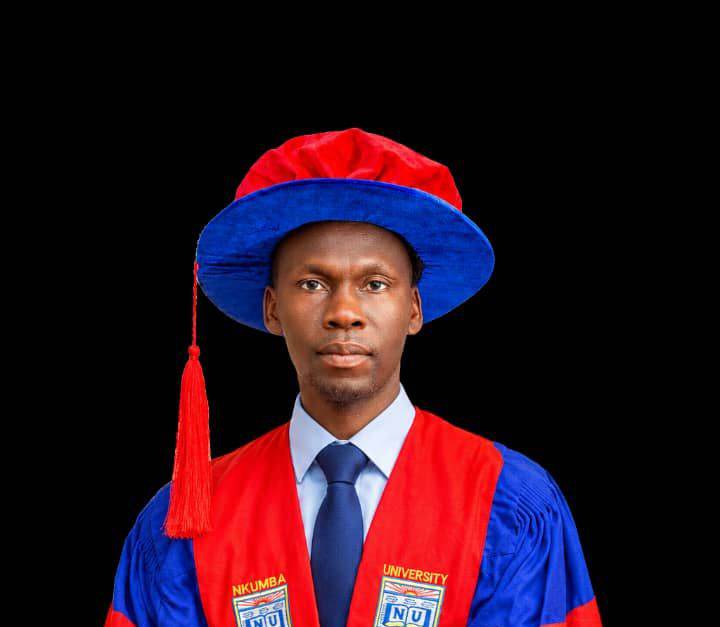
His Coalition Advocacy Sustainability Evidence (CASE) model emphasises the protection of democratic participation, institutional accountability, freedom of expression, media freedom, peaceful assembly and freedom of association.
“These rights enable citizens to participate in political processes and hold public institutions accountable,” Ssebunya says.
Developed from over six years of research, the model shows that promoting and protecting political rights in Uganda depends on three interconnected pathways.
The first is Amnesty International’s advocacy, documentation of violations and engagement with the international community. Ssebunya says these activities increase public awareness and accountability for violations of political rights.
The second pathway comprises protection interventions, legal advocacy, strategic litigation and partnerships with local organisations. These provide practical support to journalists, opposition leaders and human rights defenders who are at risk.
The third is transformative education on government policies, international human rights frameworks and citizens’ rights. According to the model, such education strengthens the ability of individuals and local institutions to claim and protect political rights.
The model explains how international advocacy, local collaboration and public awareness of rights can work together to promote political freedoms. It also recognises that sustainable results depend on government responsiveness, institutional accountability and domestic ownership.
Ssebunya recommends that Amnesty International strengthen its collaboration with grassroots organisations to localise advocacy initiatives, respond to challenges specific to individual communities and promote local ownership of political-rights protection efforts.
He says such collaboration would also improve the sustainability of the interventions.
The model further emphasises stronger accountability mechanisms, evidence-based advocacy and sustainable local partnerships as essential to improving the protection of political rights in Uganda.
Ssebunya also recommends that Amnesty International strengthen its monitoring and evaluation mechanisms by establishing clear indicators, conducting regular assessments and documenting the outcomes of its advocacy work.
The researcher also wants Amnesty International and its local partners to expand civic education programmes targeting young people, women and marginalised groups.
He says the programmes should increase awareness of political rights, improve understanding of national and international human rights and advocacy frameworks, and equip citizens with the knowledge and skills to claim their rights, report violations and participate meaningfully in democratic processes.
Inspiration behind the research
Ssebunya, who is due to receive a Doctor of Philosophy in Public Administration, specialising in Human Rights, from Nkumba University on October 24, 2026, says his commitment to human dignity and fairness drew him to the field.
“My commitment to human dignity and fairness inspired me to specialise in human rights,” he says.
Ssebunya adds that he had also long dreamt of building an academic career, becoming a thought leader and gaining a deeper understanding of advocacy organisations.
“I pursued a PhD to examine how these organisations respond to human rights challenges, how effective their interventions are, and what can be done to strengthen their impact,” he says.
His interest eventually resulted in the CASE model, through which he seeks to explain how advocacy organisations can strengthen their interventions by combining international engagement with grassroots collaboration, protection measures, evidence-based advocacy and public education.
Running to the finish line
Ssebunya describes his PhD journey as one of determination, resilience, patience and personal growth.
Although he initially intended to complete it within three years, various challenges extended the journey to six years.
“My goal was to complete within three years,” he says.
He says the prolonged journey taught him valuable lessons about perseverance, discipline, time management and the importance of remaining focused when the road becomes difficult.
Looking back, Ssebunya says success should not be measured by how quickly one reaches a destination, but by the courage and determination to keep moving despite the obstacles encountered along the way.
One of his biggest challenges was balancing his studies with other responsibilities. The research itself was demanding, requiring extensive reading, data collection, analysis and continuous revision.
“I overcame these challenges through perseverance, discipline, patience and an unwavering commitment to achieving my dream,” he says.
Ssebunya reorganised his priorities and learnt to regard corrections as opportunities to improve the quality of his research.
He says the encouragement and guidance of his supervisors, especially Dr Anne Abaho, as well as support from his family, friends and well-wishers, helped to keep him motivated during difficult periods.
Most importantly, he says, “I refused to allow the extended duration of six years to discourage me.”
Looking beyond the PhD
Over the next 10 years, Ssebunya envisions himself becoming an accomplished scholar, researcher and mentor who contributes to knowledge creation and societal transformation.
He hopes his research will influence policy, governance and human rights while inspiring young scholars to pursue their academic ambitions.
Reflecting on his background, Ssebunya says his educational journey began humbly. He moved from village schools to schools in town in pursuit of a better future.
He credits his parents, grandmother and aunt, Harriet Nakayiza, with shaping his early life.
Those humble beginnings, he says, “taught me the value of hard work, resilience, discipline and determination.”
Ssebunya advises people aspiring to pursue a PhD to prepare for a journey that requires patience, discipline, sacrifice, resilience and a genuine passion for knowledge.
“Do not focus on the title, but appreciate the learning process and be ready to face challenges, delays and moments of self-doubt,” he says.
He advises prospective doctoral students to set realistic goals, manage their time well and maintain good relationships with their supervisors.
They should also be open to criticism because it provides an opportunity for academic growth.
Ssebunya further advises them to seek support from family and friends, take care of their well-being and avoid comparing their academic journeys with those of other people.