
Politics
Nandala Mafabi promises 10 cable cars for Rwenzori
During a two-day campaign trail in Kasese district over the weekend, Nandala said the region’s rugged terrain and weak transport links have for decades isolated communities and suppressed the area’s vast tourism and agricultural potential.
Nandala Mafabi promises 10 cable cars for Rwenzori
By: John Musenze, Journalists @New Vision
___________________
Presidential candidate James Nathan Nandala Mafabi has placed cable cars at the centre of his transport and economic revival pitch for the Rwenzori sub-region once elected.
The Forum for Democratic Change (FDC) candidate promises to introduce 10 cable cars to mountainous areas as part of a broader plan to unlock tourism, trade and livelihoods in western Uganda.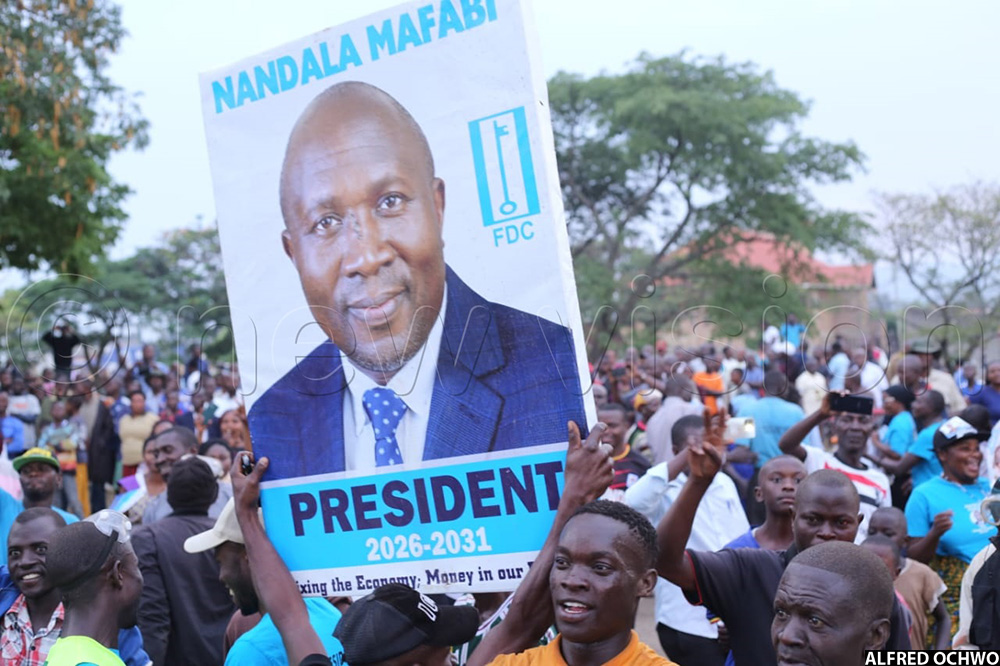
During a two-day campaign trail in Kasese district over the weekend, Nandala said the region’s rugged terrain and weak transport links have for decades isolated communities and suppressed the area’s vast tourism and agricultural potential.
“Rwenzori is blessed with mountains, national parks, lakes and hardworking people, but poor transport has kept this region poor. The mountains should not be a barrier to development. That is why we are bringing cable cars,” Nandala said during a rally at Bwera Market Ground in Busongora South County.
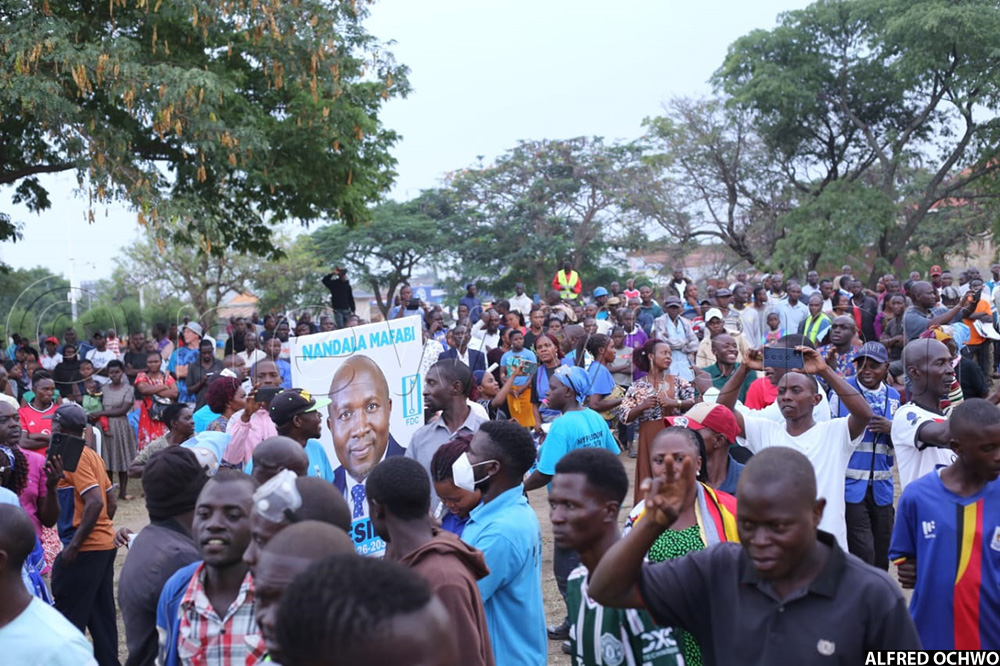
Nandala added that an FDC-led government would establish at least 10 cable cars serving key mountainous tourism zones in the Rwenzori and Elgon regions, describing them as a safer, environmentally-friendly alternative to road construction in steep and fragile landscapes.
“These cable cars will open up the Rwenzori for tourism, create jobs for our young people and make it easier for communities in hard-to-reach areas to move and trade,” he said.
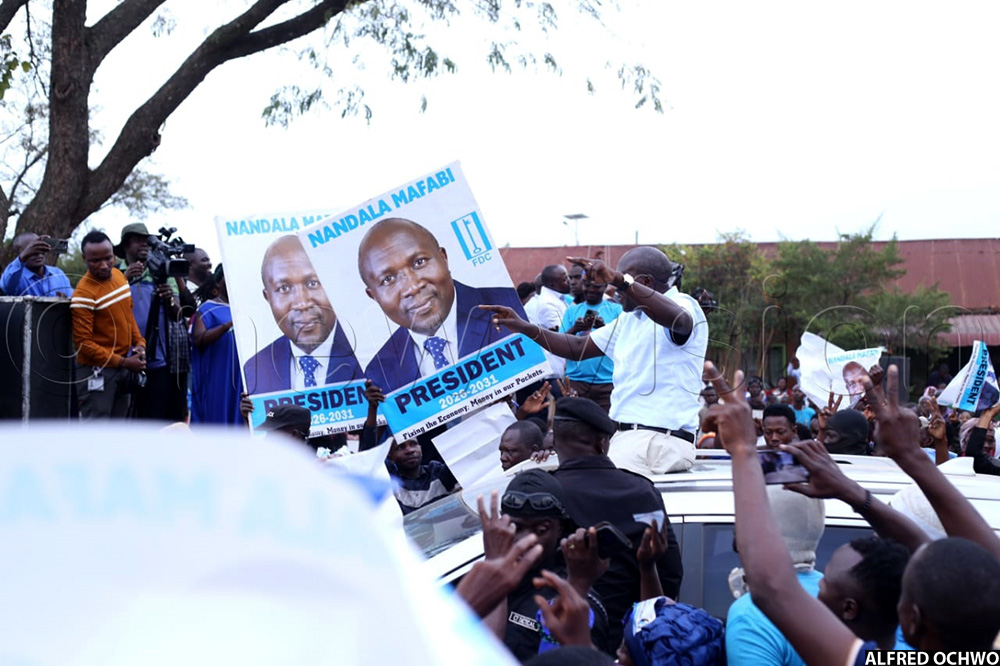
He added that cable cars would reduce pressure on roads that are frequently damaged by landslides and floods, while boosting eco-tourism around Rwenzori Mountains National Park, one of Uganda’s most under-exploited attractions.
Local residents welcomed the idea, saying poor access has long limited business and tourism.
“When roads are cut off by landslides, everything stops,” John Kambale, a trader in Kisinga, said.
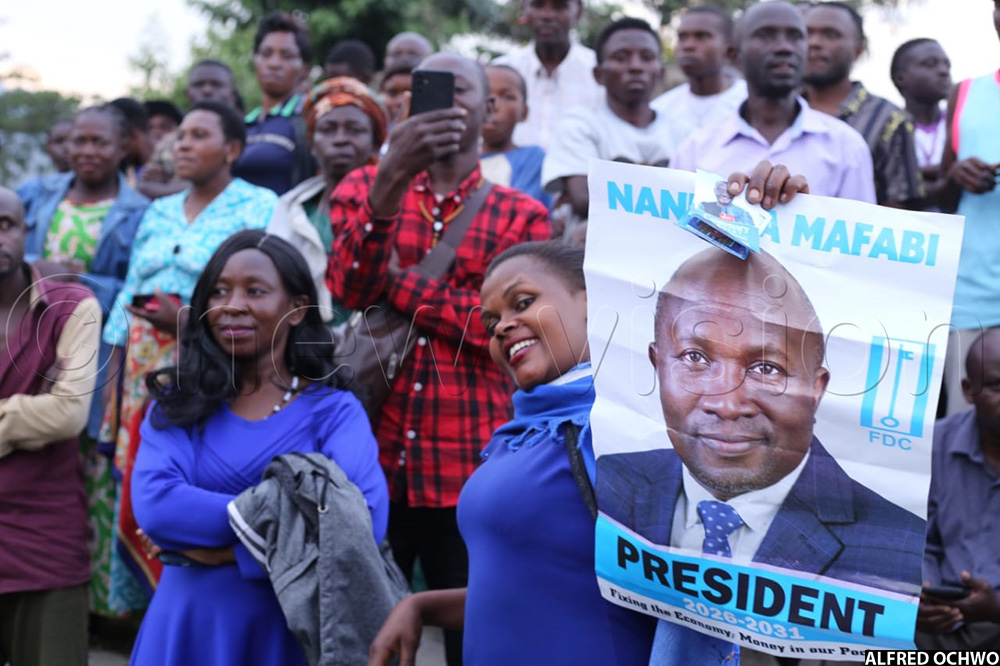
“If cable cars can help people move and bring tourists, it will change our lives.”
Railway line rehabilitation
Besides cable cars, Nandala announced plans to rehabilitate the long-neglected Kampala–Kasese railway line, which he described as critical to lowering the cost of doing business in western Uganda and strengthening regional trade.
Once a vital economic lifeline, the railway has remained dormant for decades, forcing traders to rely on expensive road transport. Under the FDC manifesto, the line would be restored and extended from Kasese to the Mpondwe border, boosting cross-border trade with the Democratic Republic of Congo.
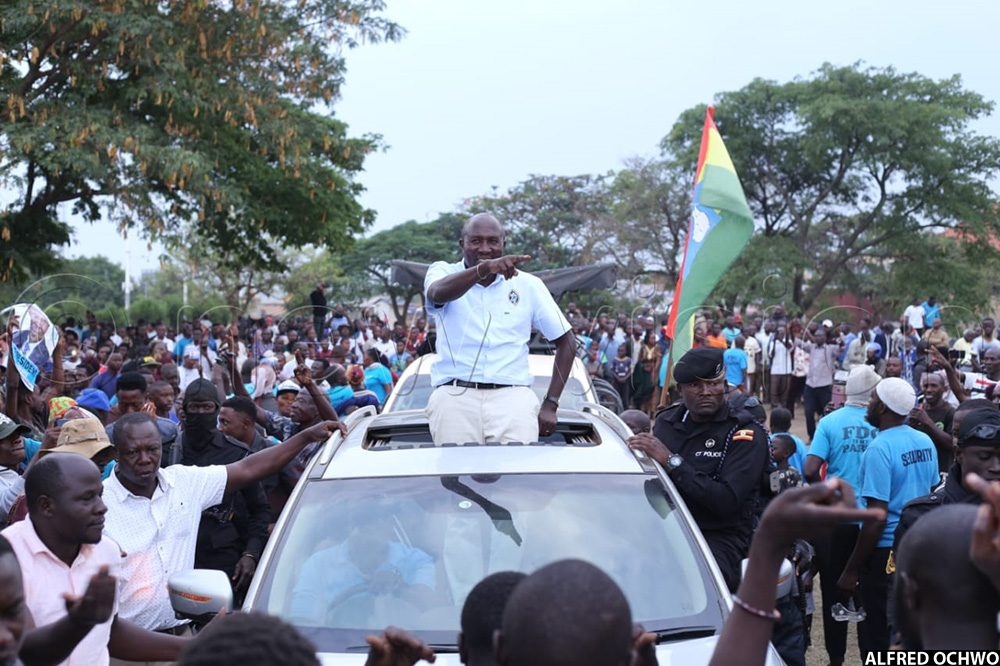
“Kasese is a gateway to regional trade. Reviving the railway to Kasese and extending it to Mpondwe will ease congestion on our roads, reduce transport costs and support cross-border commerce,” Nandala said.
He also pledged to shift at least 70% of cargo transport from roads to rail nationwide, arguing that heavy cargo is destroying Uganda’s road network.
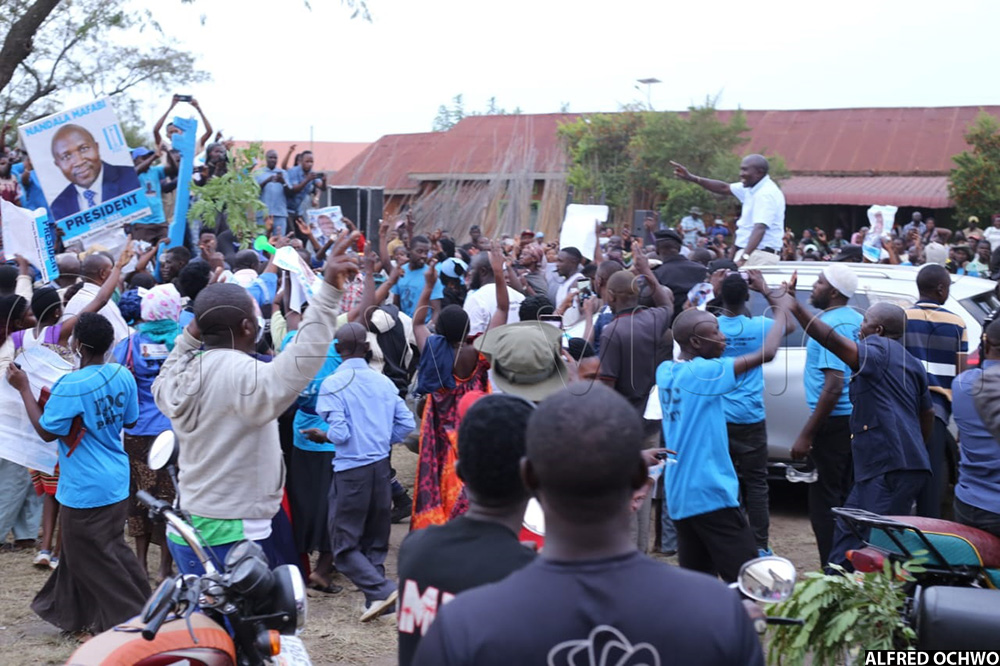
“Our roads are breaking because we are using them for cargo that should be on rail,” he said. “Railways are cheaper, safer and better for the economy.”
Nandala decried the poor state of roads in Kasese, describing the district as a strategic border and trade hub that has been neglected for decades. He promised low-cost sealing of community access roads and rehabilitation of major highways to reduce production and transport costs.
Addressing the frequent flooding caused by River Nyamwamba, Nandala said disaster-prone areas should be turned into economic assets.
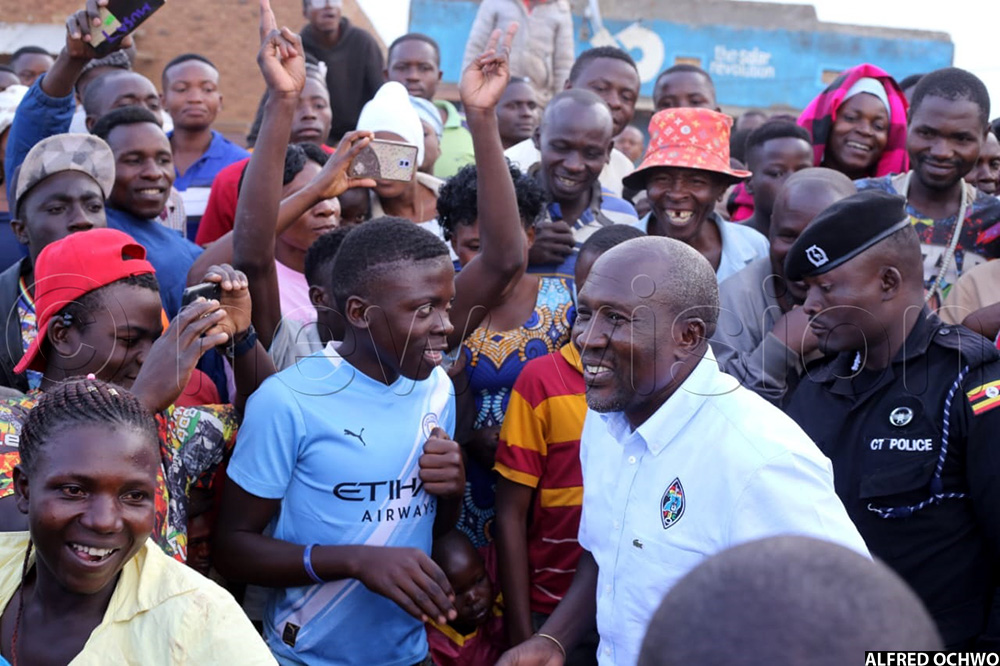
“With proper protection, the river can support tourism instead of destroying homes and crops,” he said.
Farmer Abdul Masereka from Kisinga said government support is long overdue.
“Seeds, chemicals and labour are very expensive. Without guaranteed prices, many farmers are abandoning cotton even though it educated our children,” he said.
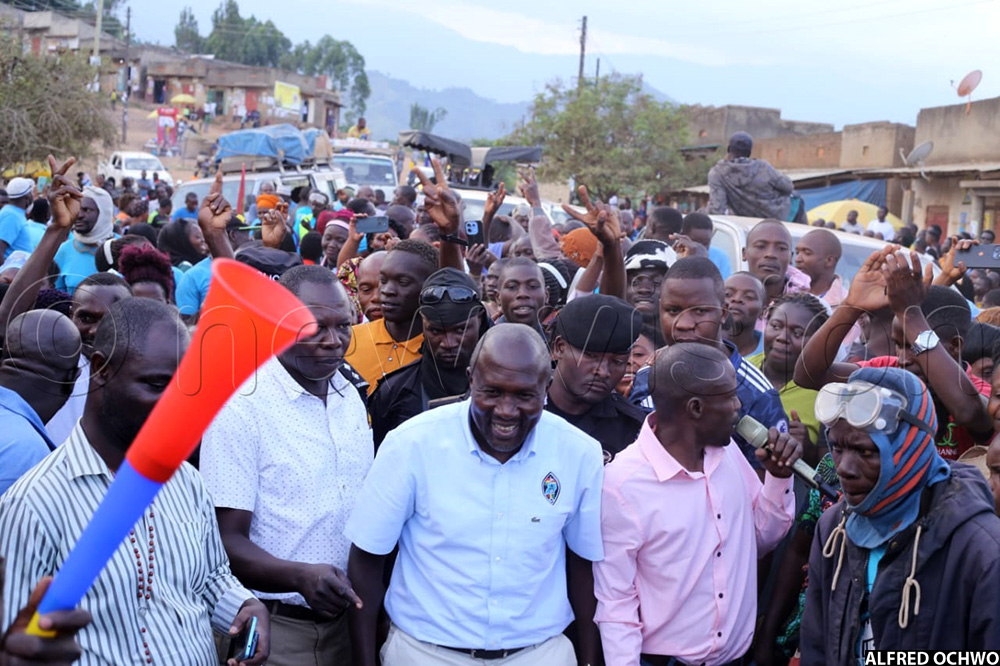
On January 4, Nandala held six rallies across the district, turning his attention to cotton growing, road infrastructure and disaster management.
Kasese remains Uganda’s largest cotton-producing district, yet farmers say they are operating at a loss due to low prices, high input costs and unpredictable weather.
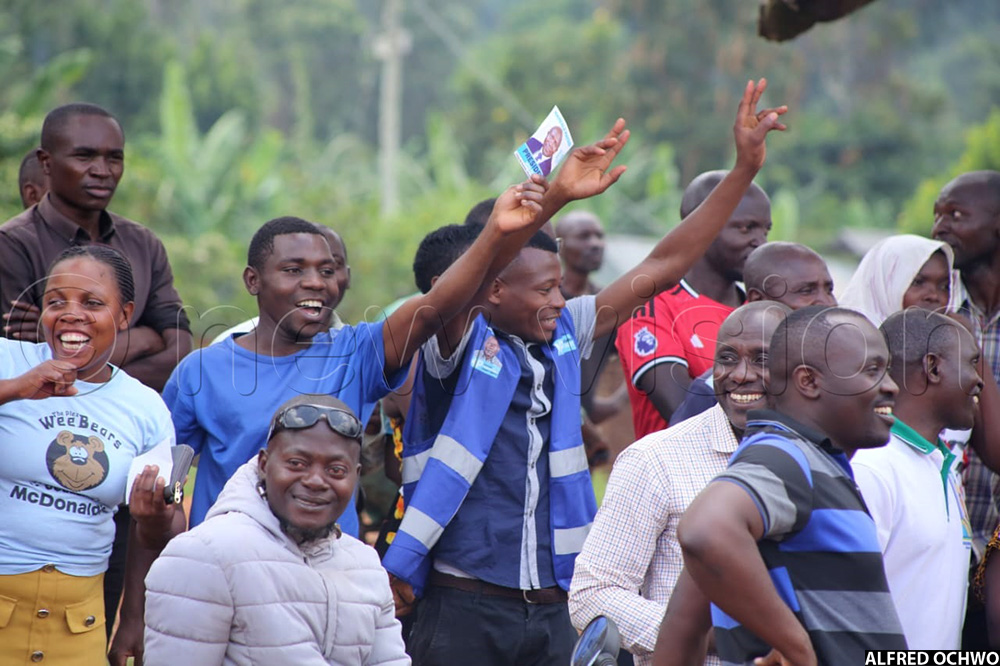
“We are growing cotton at a loss,” said Joseph Kule, a farmer from Busongora South. “The price cannot even pay for spraying and labour. Sometimes you harvest and realise you have worked for nothing.”
Margaret Biira, a smallholder farmer, said climate change has worsened the situation. “One season there is drought, the next there is too much rain. Last year my harvest dropped by almost half because the rains destroyed the crop,” she said.
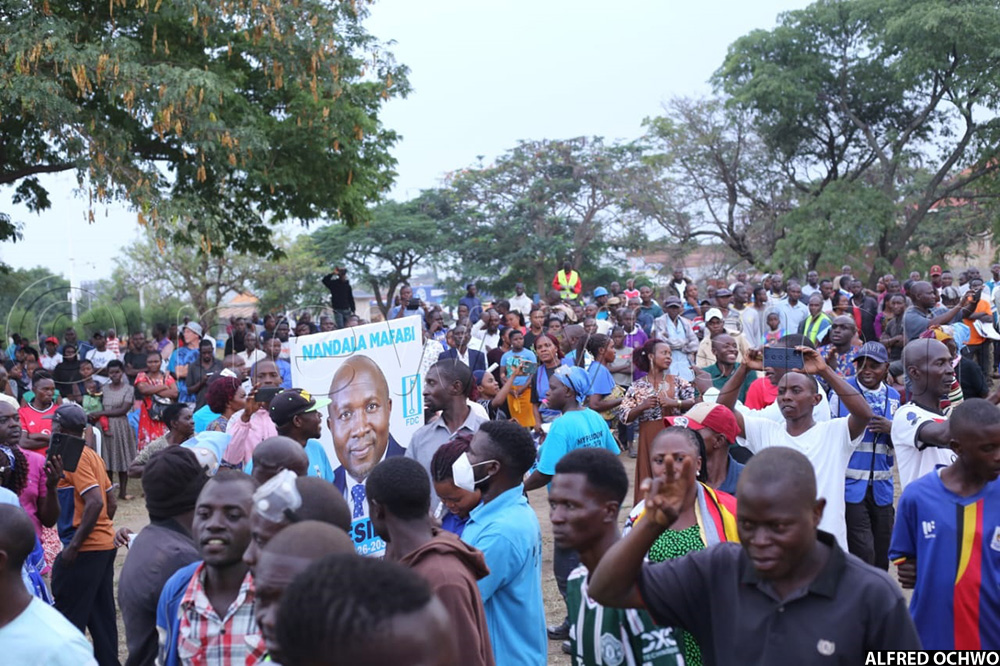
Nandala said farmers are being cheated despite favourable global prices. “Our manifesto shows farmers should be earning shillings 7,100 per kilogramme, but they are paid as low as shillings 1,500,” he said.
“That tells you the Government is not protecting our people.”
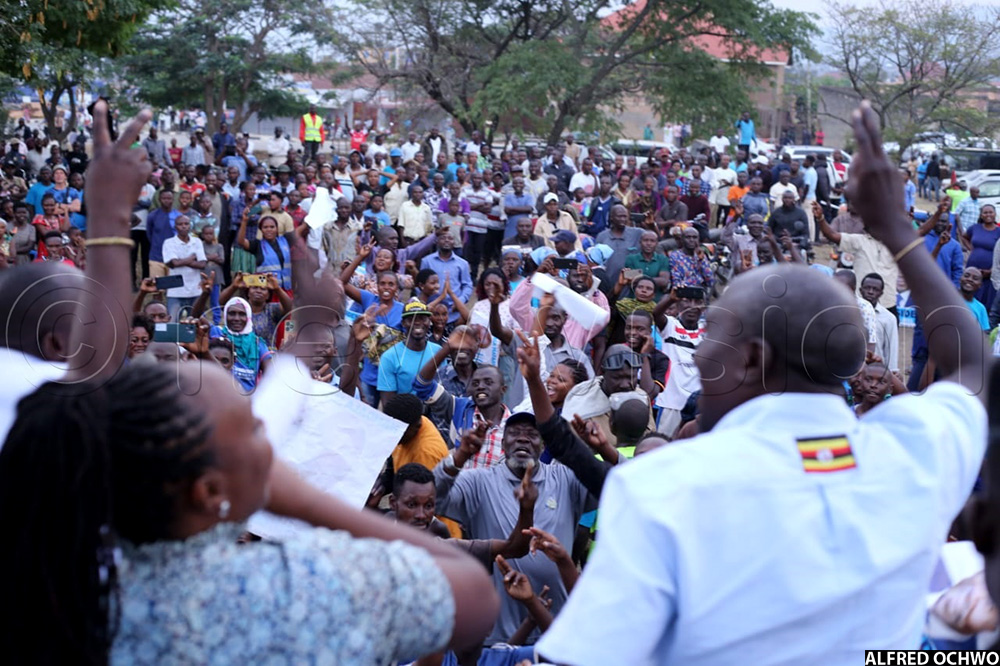
He pledged that an FDC government would guarantee fair prices and revive cooperatives to eliminate exploitative middlemen.
“The Government will market cotton for our farmers at a price not less than shillings 7,100 per kilogramme,” he said. “We shall bring back cooperatives so farmers can sell collectively and earn better.”