
In Bukedea, FDC's Nandala talks agriculture and voter education
Nandala framed agriculture as the backbone of Teso’s economy and promised to prioritise mechanisation and value addition, particularly in cassava production, which he described as the region’s strongest comparative advantage.
Forum for Democratic Change (FDC) candidate James Nathan Nandala Mafabi. (Credit: Alfred Ochwo)
_______________
It's crunch time, and candidates across Uganda's political spectrum are scrambling for last-minute votes as the country gets set to enter the polling phase of the 2026 general elections.
Registered voters will begin by electing their next president and Members of Parliament this Thursday (January 15), before moving on to other elective positions in subsequent weeks — all the way until February 6.
On Monday (January 12), the second-last day of the presidential campaigns, Forum for Democratic Change (FDC) candidate James Nathan Nandala Mafabi returned to Teso sub-region and turned his rallies in Bukedea district into a blend of vote-hunting, voter education and an economic pitch centred on agriculture.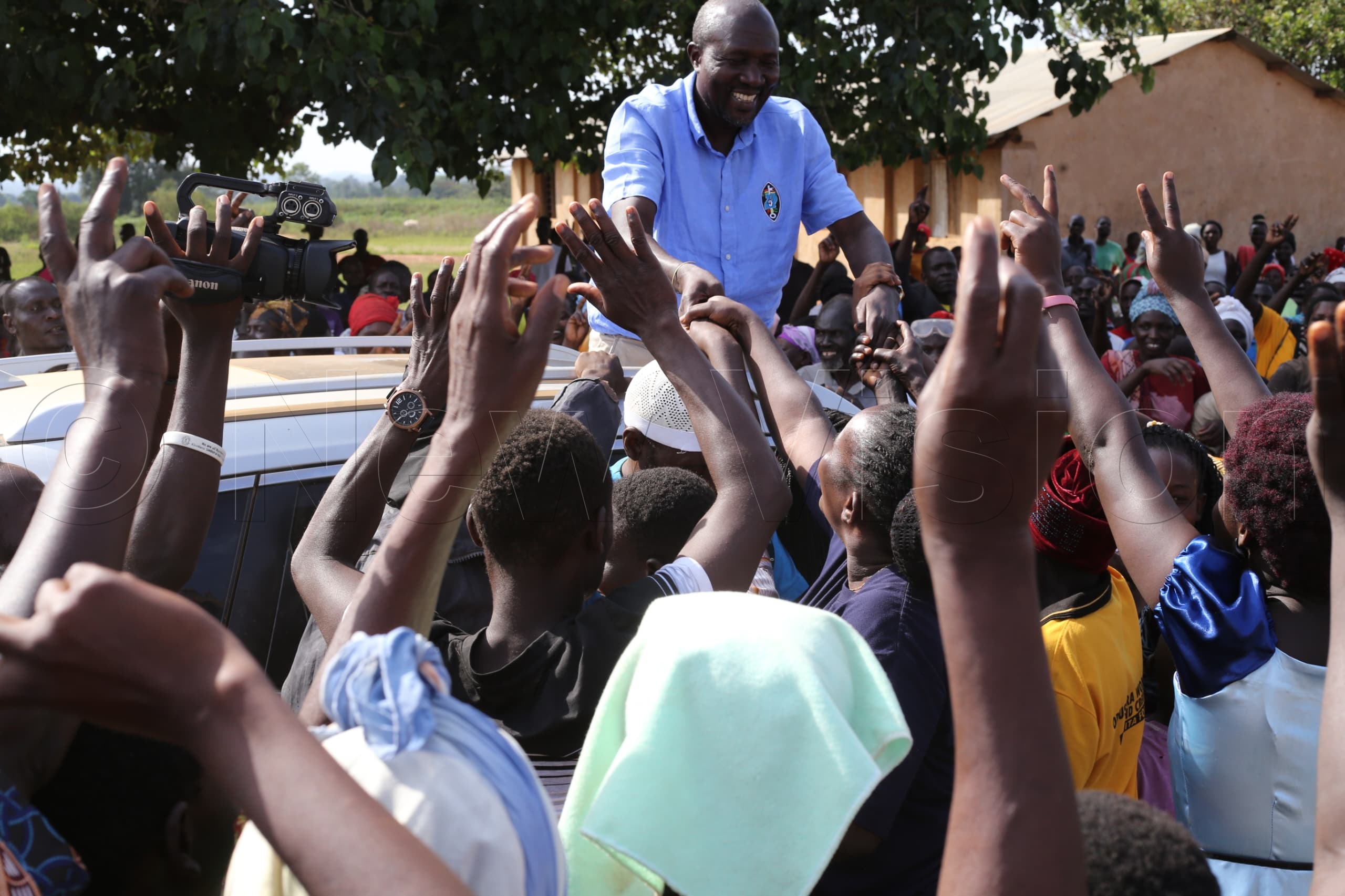
Nandala greeting supporters at his rally. (Credit: Alfred Ochwo)
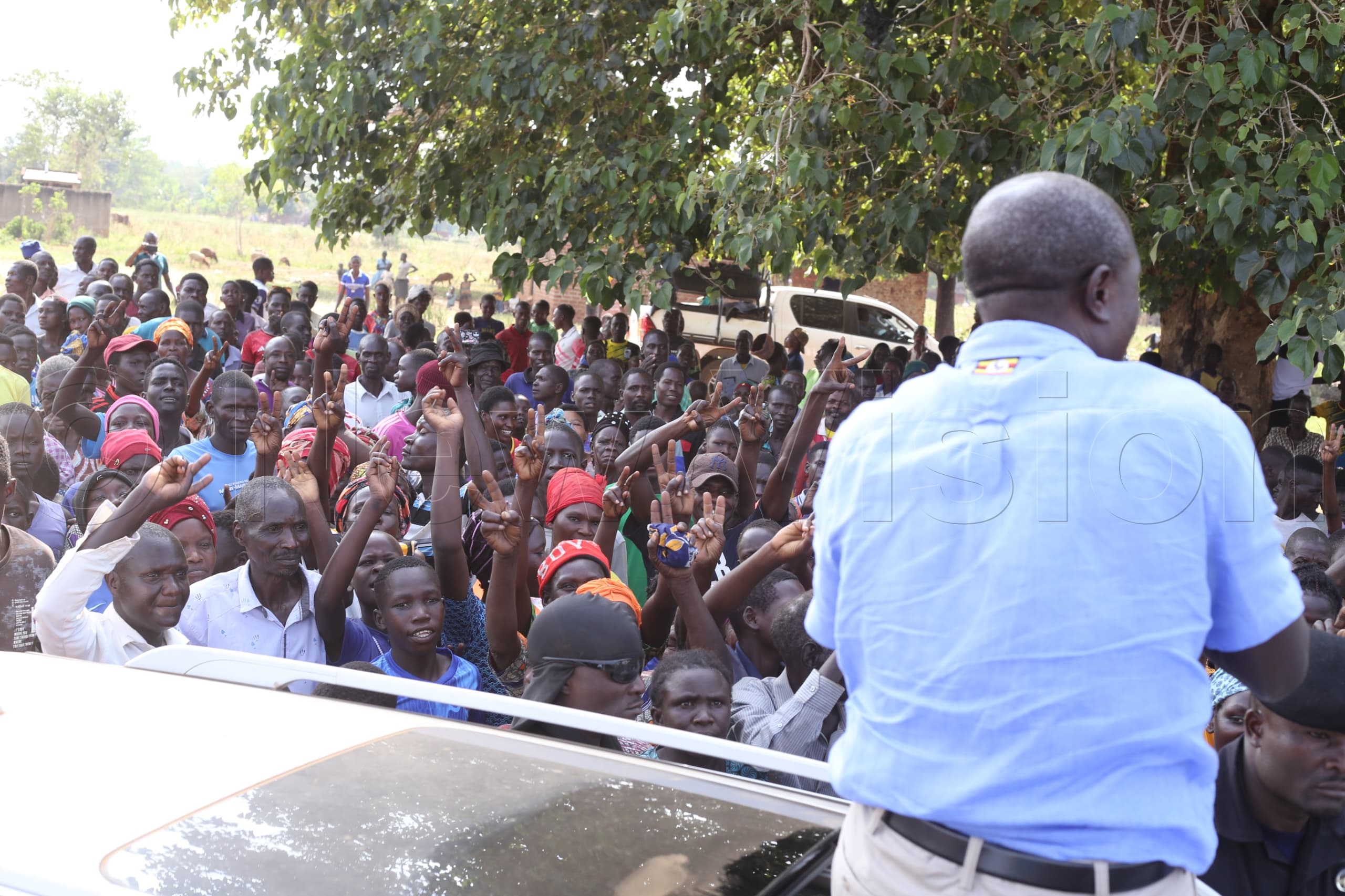
Nandala addressing supporters at his rally. (Credit: Alfred Ochwo)
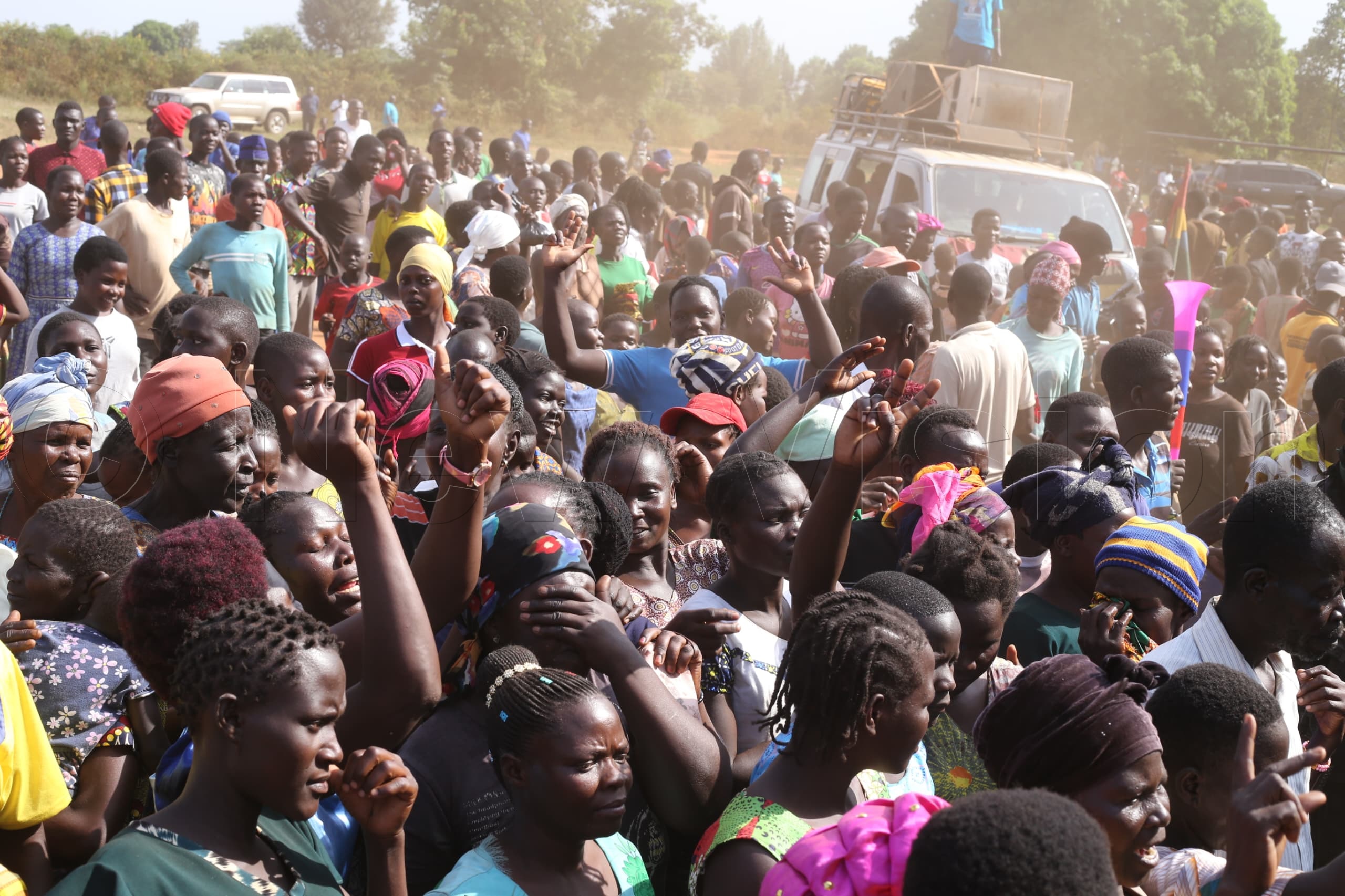
The first-time presidential candidate addressed supporters across several trading centres, including Kachumbala, Kwena, Bukedea town council and Kidongole, drawing sizeable crowds.
In routine fashion, he was accompanied by his wife, Florence Nandala, who mobilised women and community members to back her husband.
Nandala framed agriculture as the backbone of Teso’s economy and promised to prioritise mechanisation and value addition, particularly in cassava production, which he described as the region’s strongest comparative advantage.
“Starch right now is going for about $360 a kilo. Every tablet you see is from cassava, from starch. Even these clothes we are wearing have starch in them. The best cassava is in Teso," he told reporters.
"We want Teso to grow cassava, and we are going to bring factories that add value to all their harvests, cotton factories in every district and every parish, so that cassava is converted into starch and finished products. That is how people will make money."
(Credit: Alfred Ochwo)
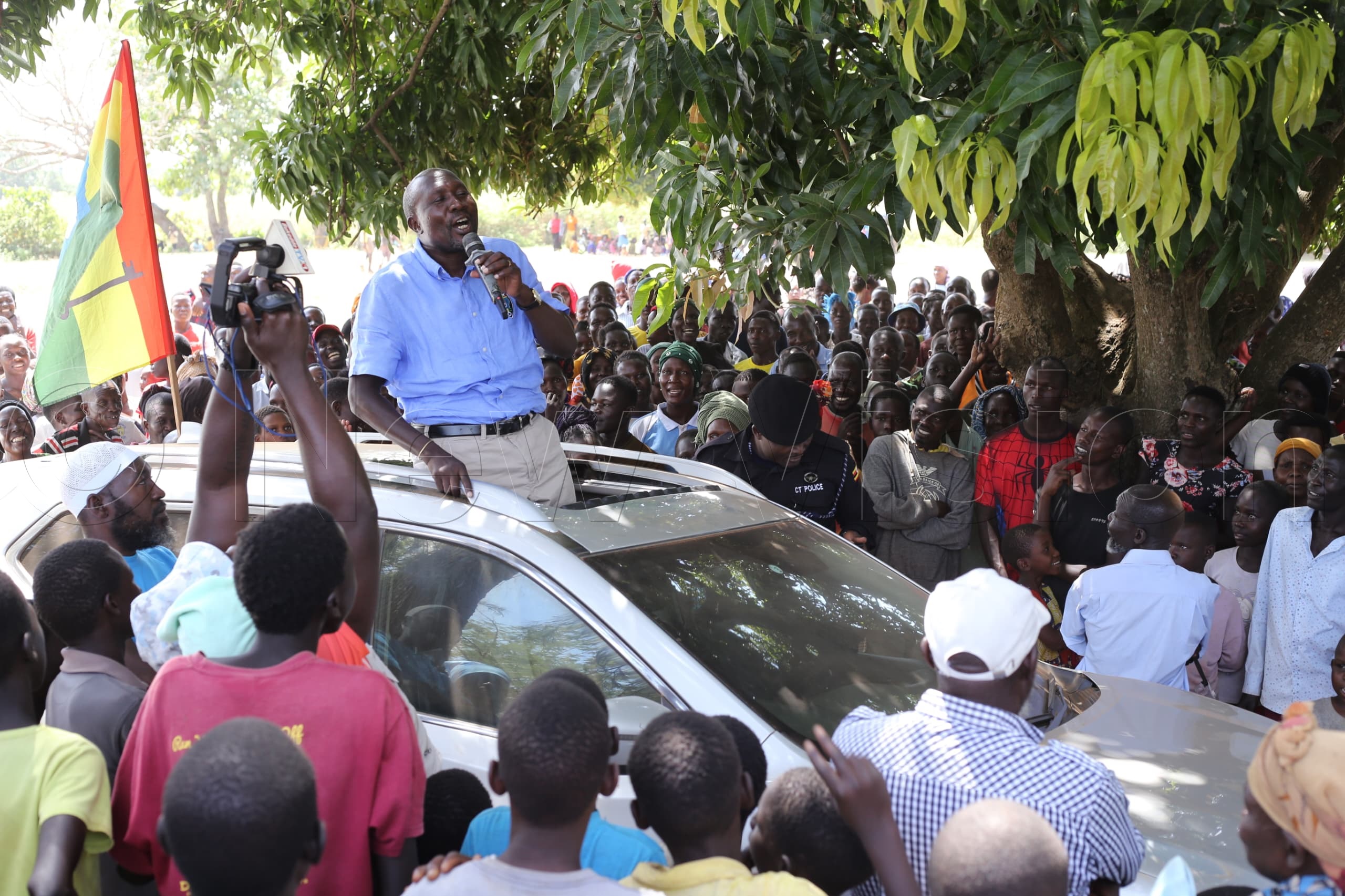
Nandala addressing supporters at his rally. (Credit: Alfred Ochwo)
Nandala argued that value addition would not only raise farmer incomes, but also create jobs for young people, many of whom he said have been pushed into poverty by years of weak agricultural support and lack of markets.
'Take ballot paper yourself'
He also directed sharp criticism towards the Electoral Commission (EC) for what he described as inadequate voter education, warning that confusion at polling stations could lead to a high number of invalid votes.
“They are telling people that when you reach the polling station, you are given a ballot paper and you hand it over to somebody else to vote. How?
“The Electoral Commission should have come out clearly and said everybody must vote for himself or herself. That has not been done. So we are asking the Electoral Commission, what are you doing?”
The FDC frontrunner said the Opposition has been forced to take on the role of civic education during campaigns because basic voting procedures reportedly remain unclear to many rural people despite repeated elections.
At several rallies, Nandala guided supporters through the voting process, urging them to arrive early and to guard their ballots carefully.
“On Thursday, get up in the morning and go to your polling station. By seven, you should be lining up and start voting. When you vote, they will give you a ballot paper. Nobody should take it for you; you should take it yourself."
He also sent out a message to party agents across the political divide, calling for cooperation at polling stations to prevent chaos or malpractice.
“All our agents, whether NRM, NUP, CP or FDC, must be at the polling station by 6:30am. You must work as a team to ensure nothing goes wrong. Everybody should have only one ballot paper per candidate: the presidential one, parliamentary one and women’s seat one."
'We fear to make mistakes'
Later on Monday, Nandala held another rally in Bukedea town, coinciding with the district’s weekly Monday market, where traders and residents paused their business to listen to his message.
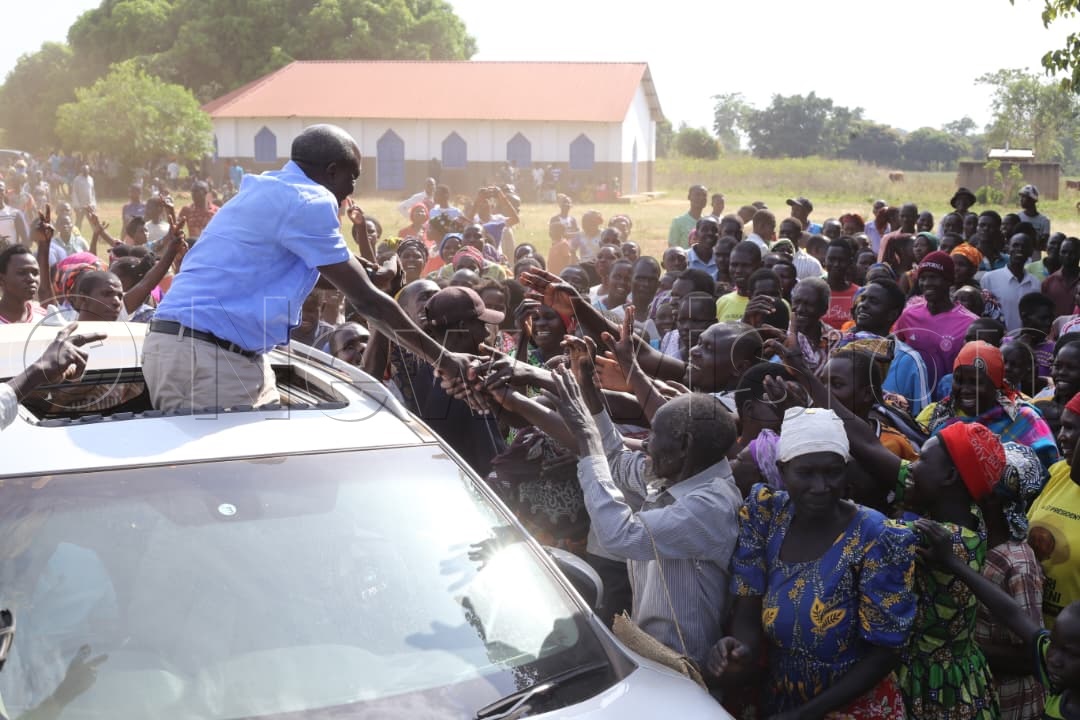
Nandala greeting supporters at his rally. (Credit: Alfred Ochwo)
Peter Okello from Bukedea Town Council expressed concern over voting ignorance among many people, saying many do not know what colours to wear on polling day.
“Many of us here were not clearly told how voting is supposed to be done. Some people fear making mistakes and spoiling their votes," he said.
"What Nandala explained today has helped us a lot because now we know that you vote for yourself, and no one should touch your ballot paper. We ask the Electoral Commission to [deploy electoral officials who] will guide us on how to vote."