
In Mukono, Nandala unveils low-cost health insurance plan
Campaigning in Mukono district on Monday, December 1, 2025, Nandala told residents that his government would prioritise health as a central pillar of national productivity, second only to agriculture.
In Mukono, Nandala unveils low-cost health insurance plan
___________________
Forum for Democratic Change (FDC) presidential flagbearer for the 2026 General Election, Nandala Mafabi, has pledged a transformation of Uganda’s health-care system, promising an affordable national insurance scheme that would allow families to access free medical treatment across the country.
Campaigning in Mukono district on Monday, December 1, 2025, Nandala told residents that his government would prioritise health as a central pillar of national productivity, second only to agriculture.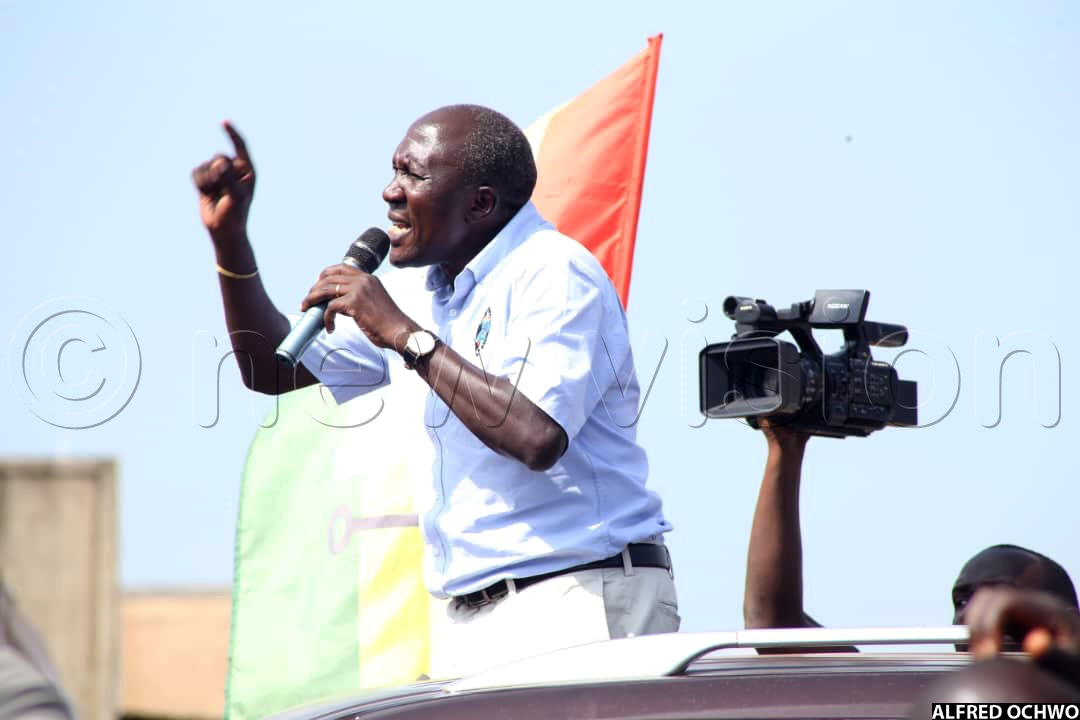
Moving town to town with FDC flagbearer for Mukono Woman MP Vitaline Nalumansi Nansubuga, he listened to villagers describe overcrowded facilities, persistent drug shortages and unaffordable private hospitals.
At Katosi town council, he was confronted by the frustrations of Maimuna Kawooya, an elderly resident, who said Mukono Health Centre IV was too small to handle the crowds that go there each day, adding that a patient who arrives at 9 am might leave at 5 pm without being attended to or being told that medicines were unavailable.
In response, Nandala reassured her that the FDC government would reverse what he described as years of neglect that had left public hospitals overwhelmed and private clinics out of reach for ordinary Ugandans.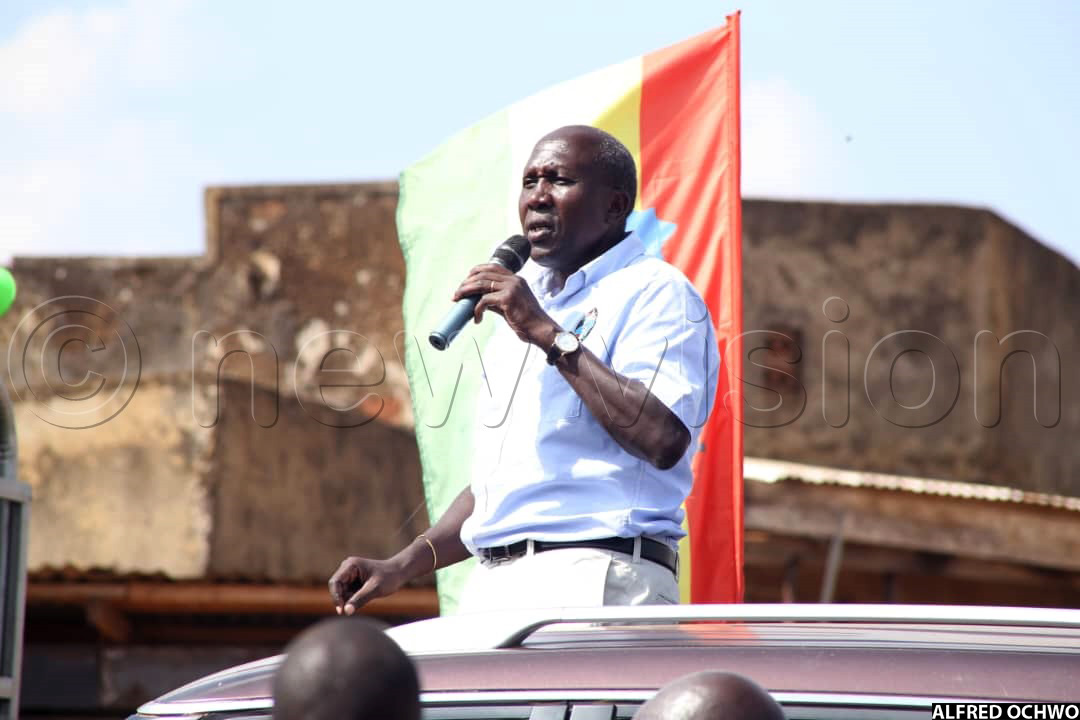
Nandala told the residents that a healthy population was the foundation of economic growth, explaining that once someone is not healthy, they cannot make money, and that Uganda’s productivity was being undermined by preventable illnesses and the high cost of treatment.
He promised Kawooya that she is going to be among the first beneficiaries of his government because every Ugandan above 60 years will receive a monthly allowance of sh65,000 to support their welfare, saying the elderly had worked for this country and deserve dignity in their final years.
He further reassured Kawooya that his administration would introduce a national public health insurance scheme requiring each family to contribute only Sh20,000 per year, after which they would be able to walk into any health facility, public or private and receive free medical treatment. According to him, this scheme would not only relieve families of crushing out-of-pocket expenses but also reduce Uganda’s dependence on donors who, he said, had become increasingly unpredictable.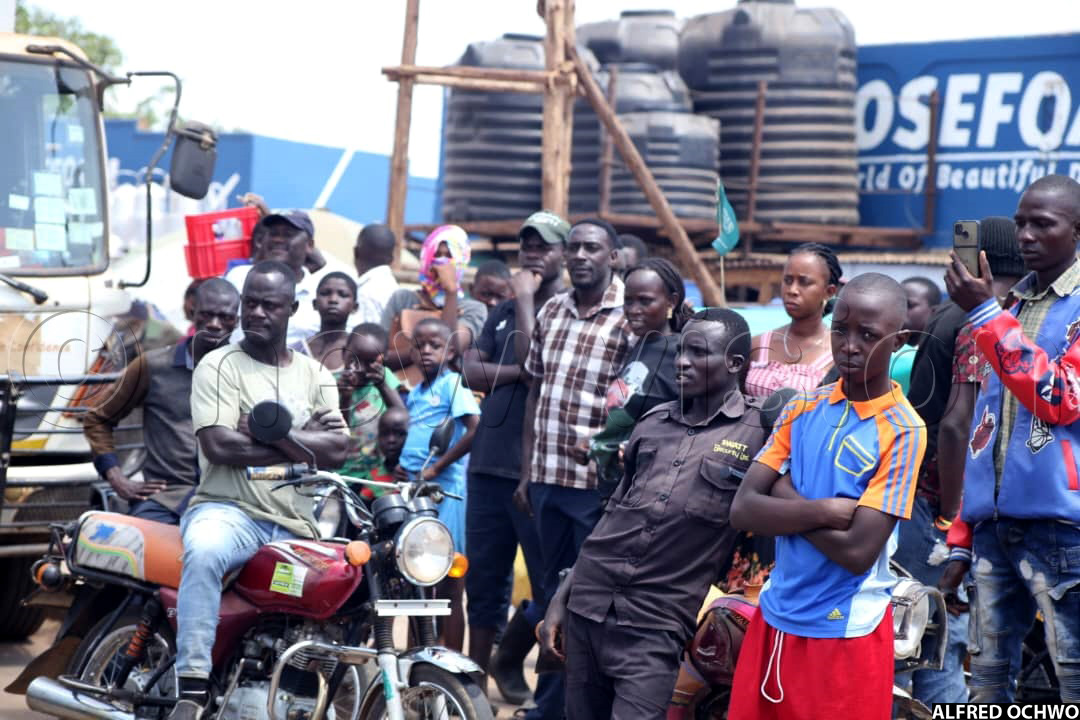
Speaking about Uganda’s broader health financing challenges, Nandala noted that the country faces a sh1.77 trillion funding gap for the 2025/26 financial year, while public expenditure on health stands at just US$57 per capita, well below the WHO-recommended US$86.
He said that although the health sector allocation had risen to 8.1% of the national budget, it still fell short of the 15% commitment under the Abuja Declaration. He argued that the consequences of this underfunding were evident in the collapse of the public health system, adding that over 73 patients out of 100 cannot risk going to a government hospital because the services are too poor, forcing more than half of the population to seek expensive care in private hospitals.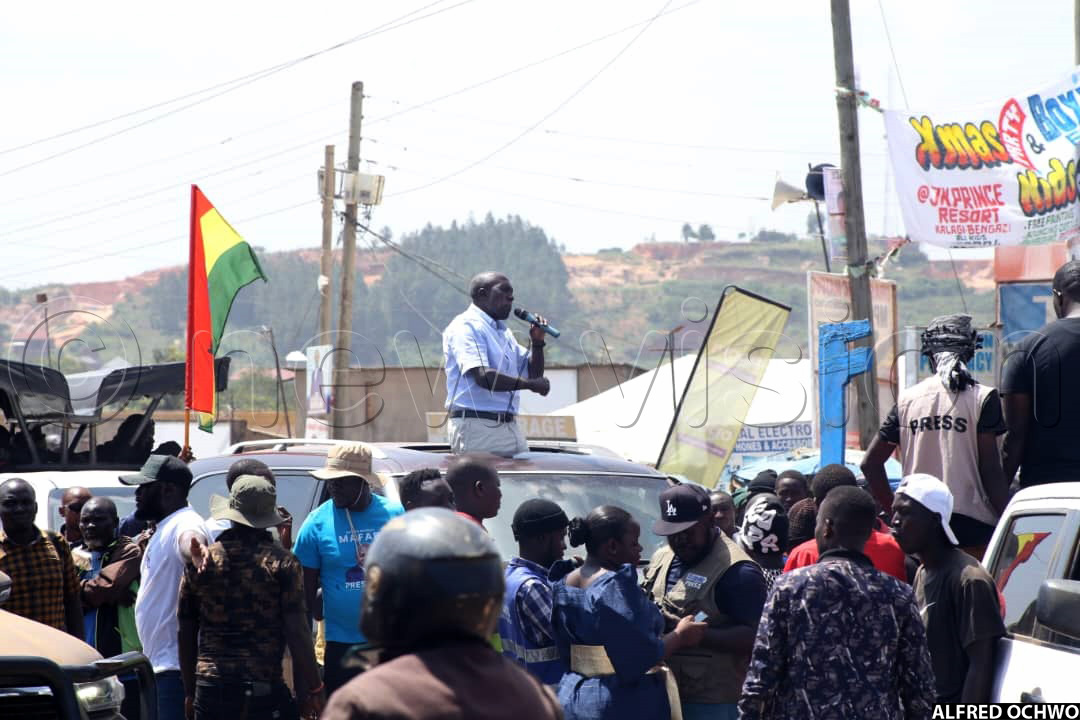
According to Nandala, Uganda’s health system had regressed from what was available in the early years after independence, but he insisted that with proper planning and investment, it could be rebuilt into one that delivers quality care to all.
Nandala said his government would increase the health sector budget, remove taxes on vaccines and medical donations, and ensure that the long-delayed national health insurance scheme was finally implemented.
He stressed that the sh20,000 annual contribution per family would form the backbone of a sustainable health-care fund, which he hopes to supplement by legislating for a portion of revenue from extractive industries such as oil and minerals to be channelled directly into the national health insurance pool.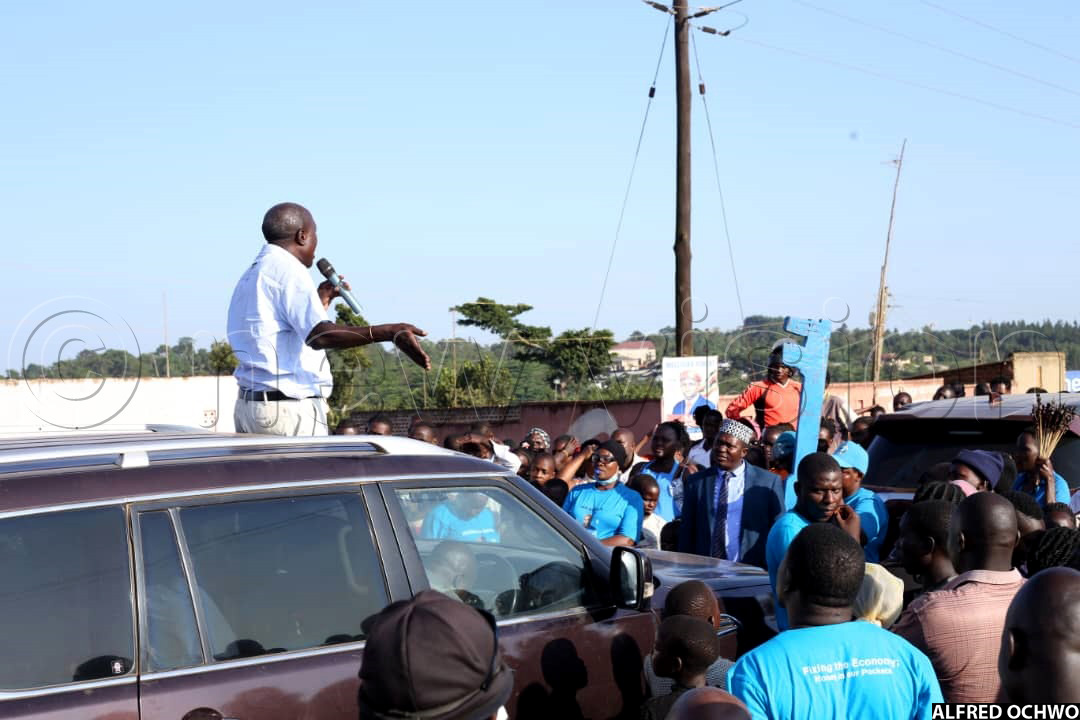
He also said he would assign a percentage of motor-vehicle insurance premiums to the health insurance fund so that road accident victims receive immediate care without families struggling to raise money.
Turning to mental health, Nandala warned that Uganda was sitting on what he called a silent national crisis, noting that mental-health disorders now affect an estimated 35% of the population, nearly three times the global average. He attributed this rise to depression, anxiety, domestic violence, unemployment, substance abuse and chronic stress, saying that an estimated 14 million Ugandans (2021 research finding) may be living with mental-health conditions that remain largely untreated.
Nandala argued that the country could not build a productive workforce if millions of citizens were quietly suffering psychological distress, adding that mental-health care had been ignored for far too long.
He said his government would invest in nationwide public-awareness campaigns to encourage early detection and help communities fight stigma, and he promised to train more mental-health professionals to close the gap created by years of limited recruitment.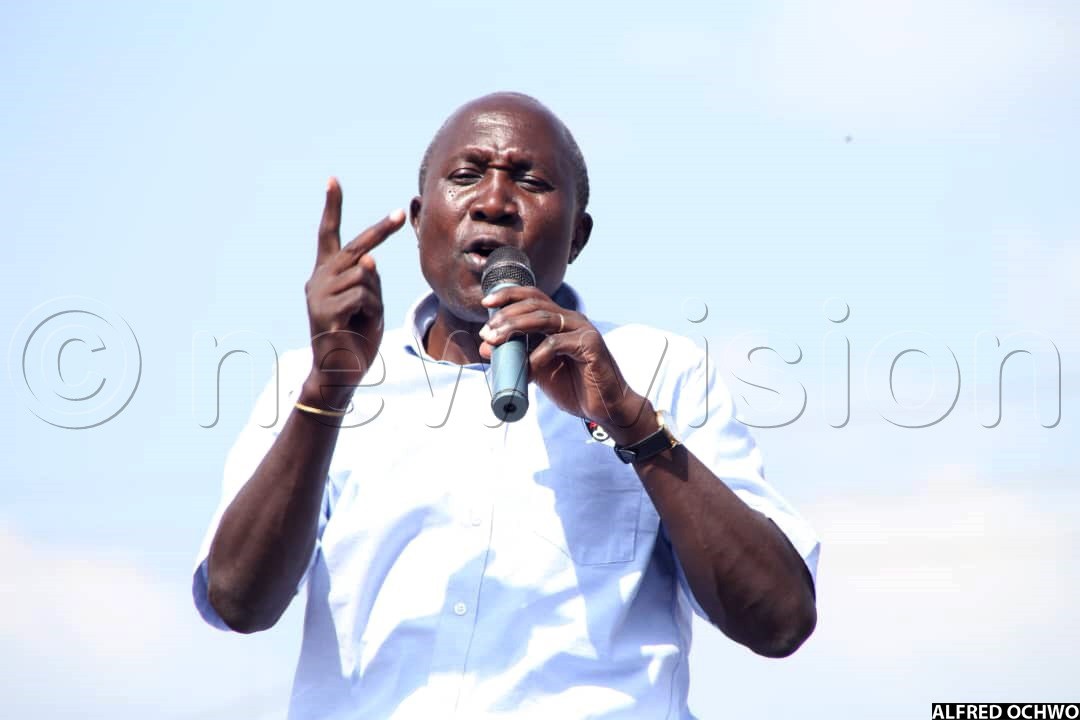
Nandala further said his administration would address the root causes of mental-health disorders by tackling domestic violence, unemployment and poverty, and by integrating mental-health services into primary health care so that people could receive treatment close to their homes.
He added that the FDC government would build and equip rehabilitation centres for young people struggling with alcohol and drug abuse, while psychiatric wings in regional hospitals would be upgraded to offer comprehensive care.
To ensure immediate access to support, Nandala pledged to establish mental-health hotlines at the district level under the national insurance framework, allowing citizens to speak to trained counsellors whenever they need help.
In other pledges, the FDC presidential candidate vowed to tackle land grabbing in the district and to address Mukono’s poor road network, which he said was too neglected for a government that claims to protect its gains.
Voices from Mukono
Vitaline Nalumansi Nansubuga, the FDC Mukono Woman MP flag bearer, asked the people of Mukono to trust Nandala because his vision is really going to transform this nation.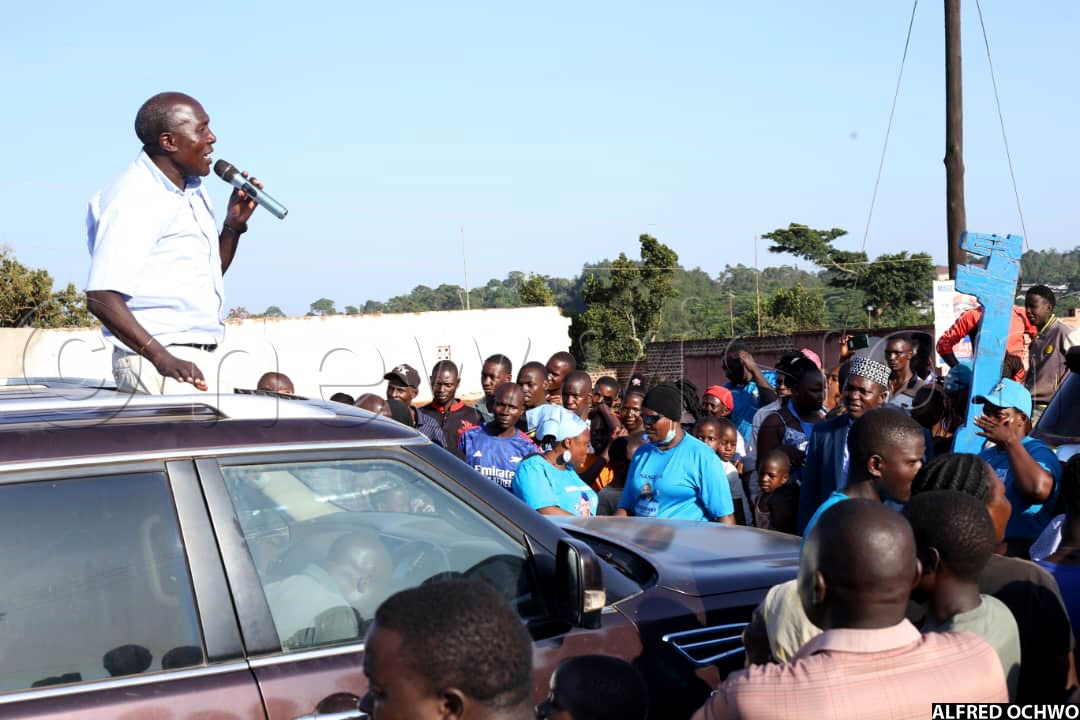
“His plan for Mukono and Uganda at large is good, and it’s what we want. When you go to Mukono hospital, the hospital was probably built to serve 1000 people, but we are going into one million, so the health insurance will help the poor.
For Mukono, I will majorly fix the road network and also implement my president’s manifesto,” she noted.
Fred Kajiri from Mukono trading centre asked Nandala to prioritise fighting poverty because his manifesto will not be implemented if people are poor.
“I sell timber, but it's hard to make any sales; the forestry charges us, and we then pay high taxes. Our business is regarded as illegal, but they still charge us high taxes.” Kajiri told the New Vision.
Why Mukono matters
Mukono district, with a population of 932,672, is considered a stronghold of the opposition. During the 2021 General Election, the National Unity Platform (NUP)’s Robert Kyagulanyi dominated the presidential vote with 134,591 votes, while President Museveni received 48,062, and the FDC’s candidate at the time, Patrick Oboi Amuriat, secured 1,148 according to the electoral commission.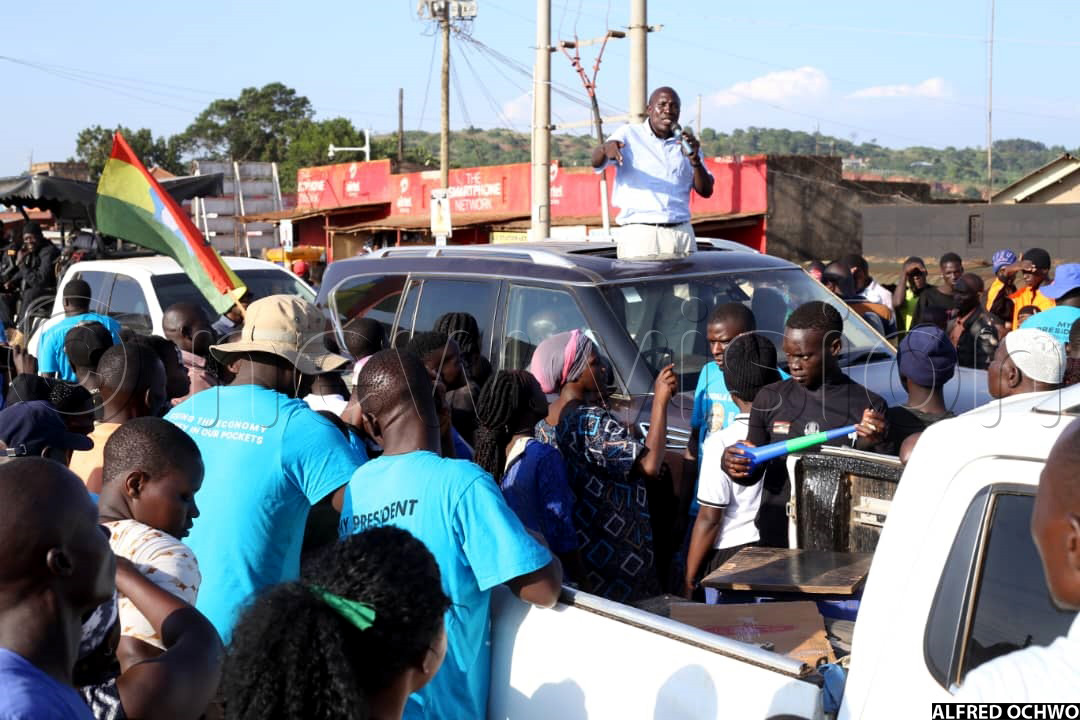
The opposition also swept the parliamentary seats, with NUP winning three out of four constituencies and the Democratic Party taking the fourth.
Before going back to Eastern Uganda on Wednesday, December 3, Nandala is holding rallies in Kira and Kyadondo East on Tuesday, December 2.