
Ugandans throng processing centres in Joburg, Pretoria ahead of evacuation
Two Ugandans have reportedly been killed since Thursday, June 25, while three were attacked in Johannesburg on Sunday and have since been hospitalised.
On Monday, Amoru confirmed that if all goes according to plan, the first batch of Ugandan nationals fleeing South Africa following escalating anti-immigrant violence and xenophobic protests by vigilante groups would arrive in the country on Wednesday.
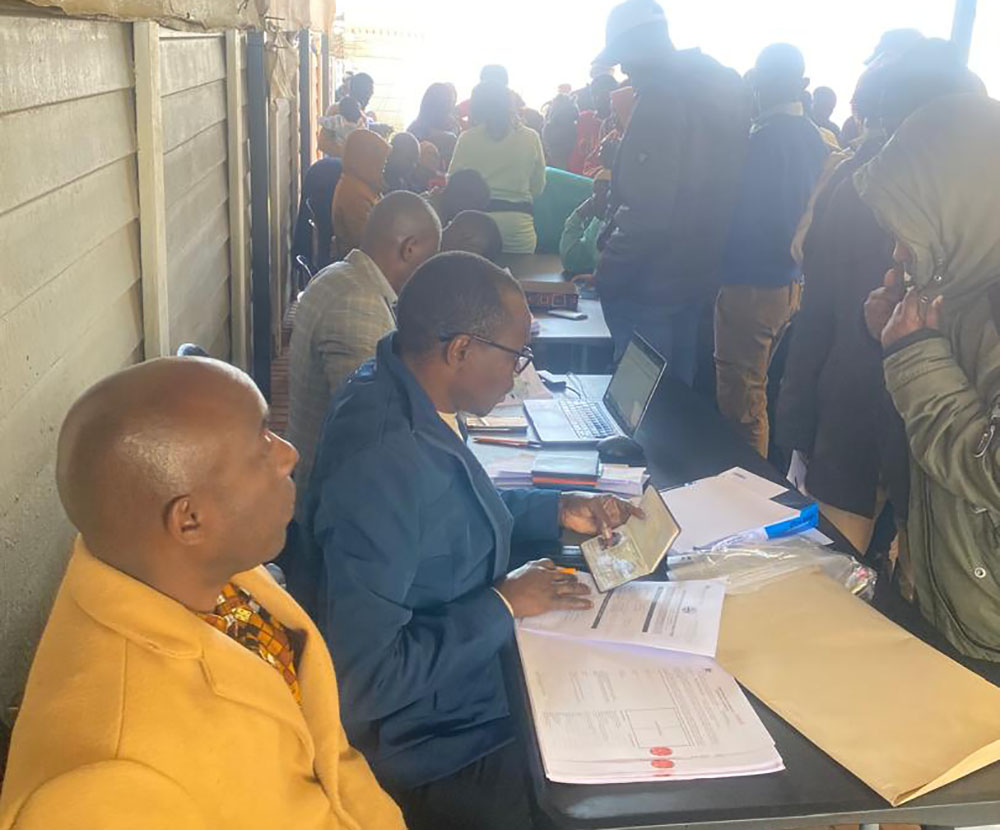
JOHANNESBURG - Several groups of Ugandan nationals have thronged registration centres in Johannesburg and Pretoria as they await evacuation from South Africa.
Paul Amoru, the High Commissioner of the Republic of Uganda to the Republic of South Africa, in an interview with the New Vision on Tuesday (June 30), said, “processing will also commence in Durban and Cape Town holding centers.”
This comes as the June 30, 2026, deadline set by anti-immigrant groups for undocumented immigrants to leave the country, and for the government to take action, came to an end today, Tuesday.
The anti-immigrant protest movement says it is responding to rising unemployment, deteriorating public services and growing insecurity in South Africa, which it attributes to foreigners.
The deadline has triggered fear among foreigners, especially hundreds of Ugandans who risk becoming victims of xenophobic attacks organised by groups such as Operation Dudula and the March and March movement, which have demanded that undocumented foreigners leave the country or face national shutdowns and demonstrations.
On Monday, Amoru confirmed that if all goes according to plan, the first batch of Ugandan nationals fleeing South Africa following escalating anti-immigrant violence and xenophobic protests by vigilante groups would arrive in the country on Wednesday.
This follows a directive by President Yoweri Museveni to the Ministry of Foreign Affairs and the Minister of Works and Transport to ensure all Ugandan nationals caught up in the violence are brought back home.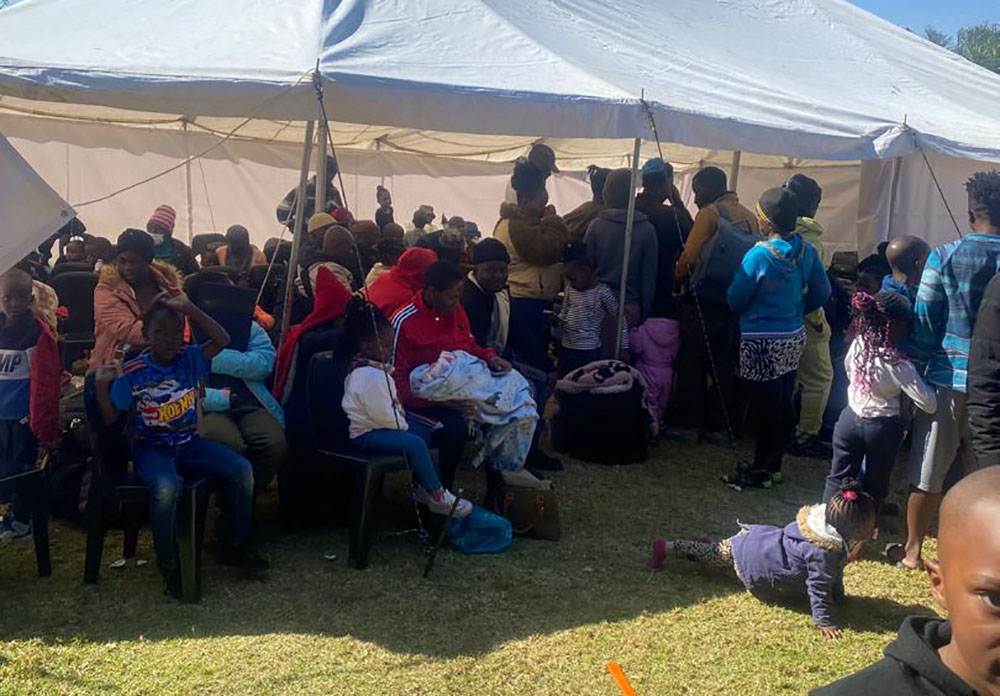
When asked whether the embassy had exact numbers of Ugandans in South Africa, Amoru said, “Those registered by the embassy are roughly about 90,000, but because of the sheer numbers of the undocumented, we estimate they may reach 500,000.”
A Ugandan national living in South Africa on Tuesday told the New Vision online that there was heavy deployment of security personnel across the country due to fears that anti-immigration protests could turn violent. He added that President Cyril Ramaphosa had urged those planning to take part to do so without "intimidation, threats or ultimatums".
Two Ugandans have reportedly been killed since Thursday, June 25, while three were attacked in Johannesburg on Sunday and have since been hospitalised.
On Sunday, the acting foreign affairs minister Haruna Kasolo, while addressing the press at the Uganda Media Centre, revealed that the governments of some African countries had also evacuated their nationals from South Africa under the current circumstances.
“The evacuation plan entails the registration of affected Ugandans across the various provinces, their transfer to safe assembly centres, the issuance of emergency travel documents where necessary, and coordination with relevant immigration authorities to facilitate their departure from South Africa,” the minister stated.
He explained that, in collaboration with the Ministry of Works and Transport, arrangements were being made for Uganda Airlines to provide special charter flights for the evacuation exercise. These flights will be funded by the Government of Uganda.
Amoru confirmed that several Ugandan nationals had overstayed their visa requirements and were undocumented. He, however, noted that they had engaged the Government of South Africa to waive legal documentation requirements.
Xenophobic attacks
According to Human Rights Watch (HRW), since 2008, 62 people, including South Africans and foreign nationals from Mozambique, Zimbabwe and Somalia, have been killed as South Africa continues to experience intermittent but widespread xenophobic harassment and violence against African and Asian foreign nationals, including refugees and asylum seekers, both documented and undocumented.
Sporadic waves of violence erupted in 2015, 2019, and 2021-2022, with the rise of vigilante groups such as Operation Dudula (“force out” in Zulu). Since 2024, worsening socioeconomic conditions, including an unemployment rate of over 43 percent, have coincided with the rise of anti-immigrant activism and newer vigilante groups like March and March.
These groups have scapegoated foreign nationals for economic challenges, poor service delivery and crime, despite studies disputing these claims.
They have also been accused of blocking foreign nationals from accessing public healthcare and education services.
In November 2025, the South Gauteng High Court issued an injunction against Operation Dudula, prohibiting its supporters from blocking migrants’ access to healthcare facilities.
HRW quoted Mpho Makhubela of the Consortium for Refugees and Migrants in South Africa (CoRMSA) and the Kopanang Africa Against Xenophobia (KAAX) coalition, who expressed concern about the opportunistic nature of these groups.