
Uganda, Mozambique move to fulfil projects honouring liberation ties
The agreement will be signed by the two countries’ Defence ministers at the Ministry of Defence and Veteran Affairs headquarters in Mbuya, following technical discussions held at Speke Resort Munyonyo in Kampala on Tuesday, August 25, 2026.
Uganda, Mozambique move to fulfil projects honouring liberation ties
______________
Uganda and Mozambique are set to sign a final agreement on Thursday (August 27, 2026) to pave the way for the implementation of development projects aimed at honouring Mozambique’s support for Ugandan liberation fighters during the struggle against Idi Amin.
The agreement will be signed by the two countries’ Defence ministers at the Ministry of Defence and Veteran Affairs headquarters in Mbuya, following technical discussions held at Speke Resort Munyonyo in Kampala on Tuesday, August 25, 2026.
The projects will mainly be implemented in Montepuez, Cabo Delgado Province, where President Yoweri Museveni and other Ugandan fighters received military training in the 1970s.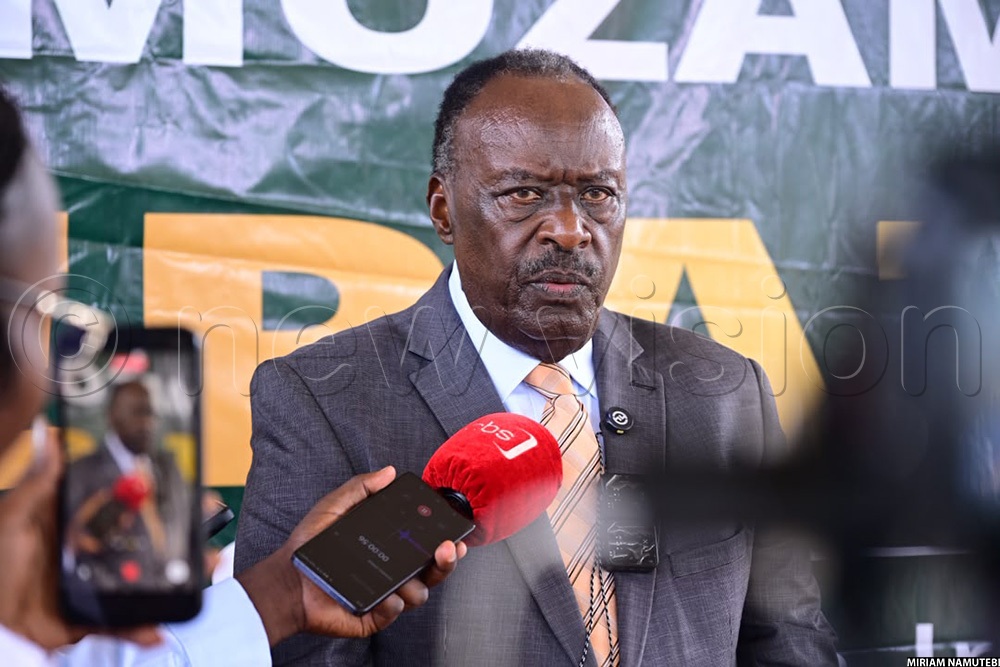
Uganda’s Ambassador to Mozambique, Col. Fred Mwesigye
Gen. Ivan Koreta, Senior Presidential Advisor on Mozambique and one of the four surviving members of the original Montepuez group (Montepuez Nucleus), said the cooperation was rooted in the two countries’ shared liberation history.
“Welcome home from home,” Koreta told the Mozambican delegation, stressing the enduring ties between the two countries.
He said Museveni’s contacts with leaders of the Mozambique Liberation Front (FRELIMO) while studying at the University of Dar es Salaam in Tanzania exposed him and his colleagues to the political and military dimensions of liberation struggles.
The group later became a nucleus of the force that fought former Ugandan president Idi Amin and contributed to the formation of the National Resistance Army - now the Uganda People's Defence Forces.
The four surviving members of the original group are: Museveni, Gen. Salim Saleh, Koreta and Brig. Gen. Bosco Omure.
Museveni renewed the historical commitment during his state visit to Mozambique in May 2018, when he returned to Montepuez after about four decades and visited the former training barracks.
He proposed establishing a technical school in Montepuez, rehabilitating facilities at the former military site, and launching agricultural projects for veterans.
Museveni initially pledged $26,000 (about sh97m) to start a poultry project integrated with crop production. The initiative has since expanded into a broader wealth-creation programme for Mozambican veterans and their families.
The proposed projects include crop and livestock production, agro-processing, marketing and skills development, alongside the technical school and rehabilitation of facilities at the former training centre.
“We came to Uganda to continue this legacy of cooperation that has been going on since 1976, when the first 28 veterans from Uganda were trained in Mozambique,” he said.
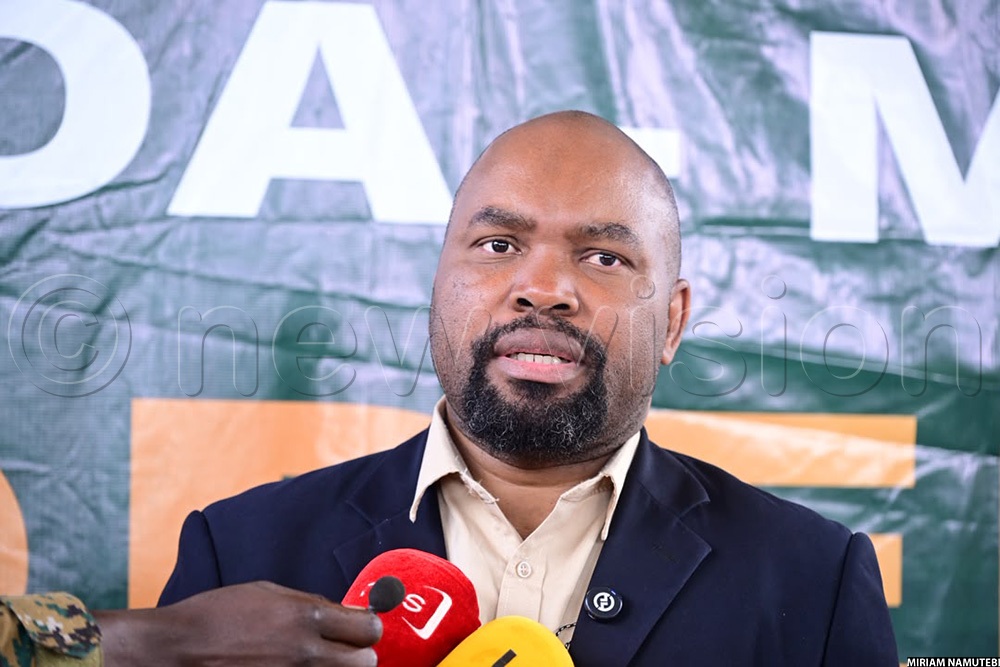
Horacio Massangaie, an adviser to Mozambique’s Minister of Veterans Affairs
Massangaie said Mozambique was keen to benefit from Uganda’s experience in agriculture and agribusiness as the projects take shape.
The technical meetings reviewed the status of the projects, resources required and financial and implementation arrangements. The Mozambican delegation is also expected to visit selected veterans’ and technical projects in Uganda to identify practices that could be adopted in Mozambique.
Uganda’s Ambassador to Mozambique, Col. Fred Mwesigye, said the historical partnership was expanding into trade, transport, energy, agriculture, education and skills development.
“This cooperation is historical, and it is within the Pan-African ideology,” Mwesigye said.
He said Mozambique’s assistance to Ugandan liberation fighters reflected the principle that African countries should support one another in times of crisis.
Mwesigye added that Uganda was exploring transport links through Tanzania and Mozambique to diversify access to the sea.