
'Sovereignty Bill undermines capacity of citizens to engage in public affairs'
The Protection of Sovereignty Bill, 2026, sponsored and tabled by the Government through the internal affairs ministry, seeks to regulate foreign funding and influence in Uganda.
Yona Wanjala, Civic Advisory Hub ED, addresses journalists about the analysis of the protection of the sovereignty Bill, 2026, during a breakfast meeting at Fontis Residences Hotel, in Nakasero on Wednesday, April 22, 2026. (Photo by Juliet Kasirye)
_______________
Legal and civil society experts have warned that a proposed Bill aimed at protecting Uganda's sovereignty contains vague provisions that could criminalise routine journalistic work and shut down media operations.
The Protection of Sovereignty Bill, 2026, sponsored and tabled by the Government through the internal affairs ministry, seeks to regulate foreign funding and influence in Uganda.
Internal affairs minister Kahinda Otafiire said the country currently has no specific law upholding sovereignty, resulting in "continuous interference in the Government's policies and programmes by foreign countries and agents of foreigners".
Joel Namugera, a lawyer with Onyango & Company Advocates, said the Bill defines economic offences so broadly that a truthful news report could land a journalist in prison.
"The Bill is talking about economic subversion. If you, as a journalist, stand on TV and make a factual communication, and the government thinks that communication has caused an economic disruption or disruption to national security, you have committed an offence," he said.
"It does not consider whether what you say is true or not. All it looks at is the result. It is just the government that determines what you have done has caused an economic disruption. That is very problematic."
The lawyer pointed to the Bill's repeated use of the phrase "disruptive activities" as a major red flag.
The term is not defined with any precision, leaving the state with near-boundless discretion to interpret everything from political commentary to cultural discussions as illegal.
"I can give a very simple example. If I support Arsenal, I am discussing a foreign club. I could be fronting interests of a foreigner against the interests of a Ugandan."
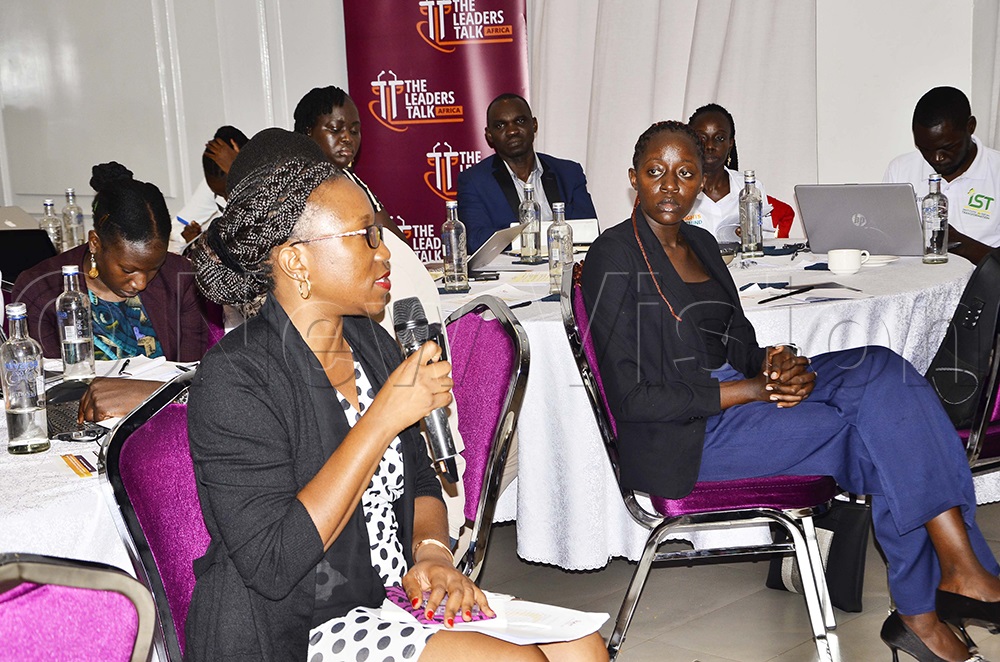
Stakeholders discussing the 2026 sovereignty Bill during a breakfast meeting at Fontis Residences Hotel, in Nakasero on Wednesday, April 22, 2026. (Photo by Juliet Kasirye)
'Stateless'
The most contested clause defines a foreigner to include any Ugandan citizen living or residing outside the country.
Activists say this affects media houses, CSOs, NGOs, and individuals who receive foreign funds.
"That means ourselves as members of this country who go and work outside Uganda, the kadamas (female migrant workers), our daughters and sons who are living outside Uganda are regarded as foreigners," said Yona Wanjala, the executive director of Civic Advisory Hub (CAH).
"It is unfortunate that a Bill in your own country can make you stateless."
Mohammed Ndifuna, the executive director of Justice Access Point, said the Bill undermines rather than protects Uganda's sovereignty.
"This Bill projects what we will call hollow sovereignty. It undermines the capacity of our citizens to engage in public affairs," he said.
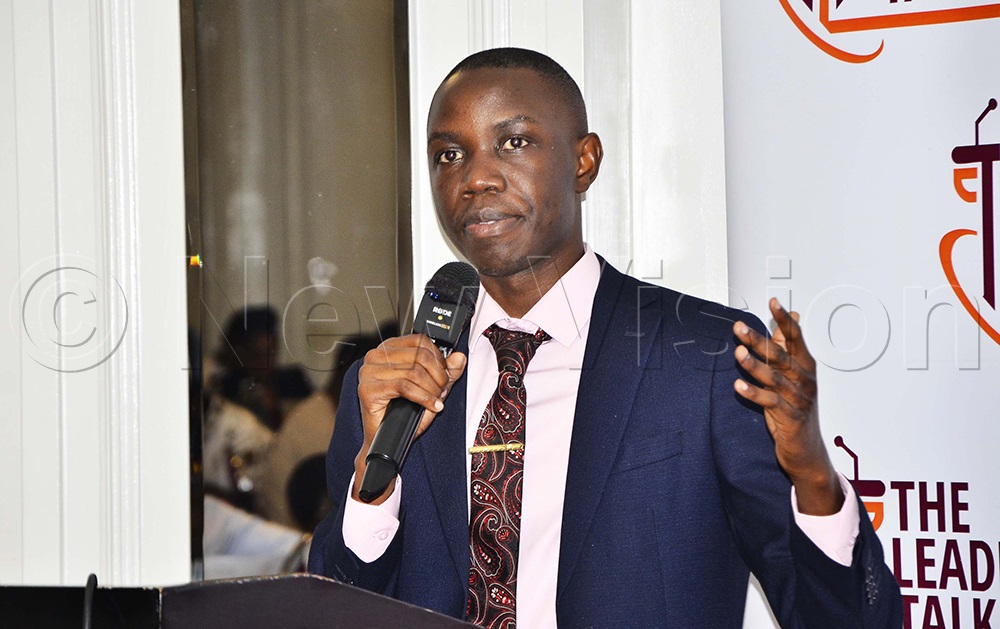
Wilfred Oketecho, Onyango & Co Advocates Associate, analysing the Sovereignty Bill, 2026, during a breakfast meeting at Fontis Residences Hotel, in Nakasero on Wednesday, April 22, 2026. (Photo by Juliet Kasirye)
Foreign funding
Wanjala warned that any media house receiving support from international donors would be required to register as an "agent of a foreigner", with the minister holding unlimited discretion to approve, delay, or revoke that registration.
The Bill reportedly contains no timelines for ministerial approvals.
"If the minister suspends my certificate of registration as an agent of a foreigner, my work comes to a halt," said Namugera.
Wanjala also noted that Uganda is currently on the Financial Action Task Force (FATF) grey list and that imposing cumbersome restrictions could push people to use unregulated channels.
"The FATF is very clear that regulation of the NGO sector should be risk-based. This Bill clamps the whole sector as high risk."
Next steps
In a recent article to the press, the Attorney General wrote that the Bill will not affect Ugandans living abroad.
However, civil society leaders say the current wording suggests otherwise and have urged MPs to revise the clauses.
If passed, Namugera said the only remaining avenue would be the Constitutional Court.
"It has very many provisions that contravene provisions of the Constitution and decisions that have already been made by the Constitutional Court and the Supreme Court."
Parliament is expected to continue scrutinising the Bill in the coming weeks.