NRM caucus backs Sovereignty Bill
NRM legislators who spoke to this publication expressed strong support for the Bill, describing it as critical to protecting Uganda’s autonomy.
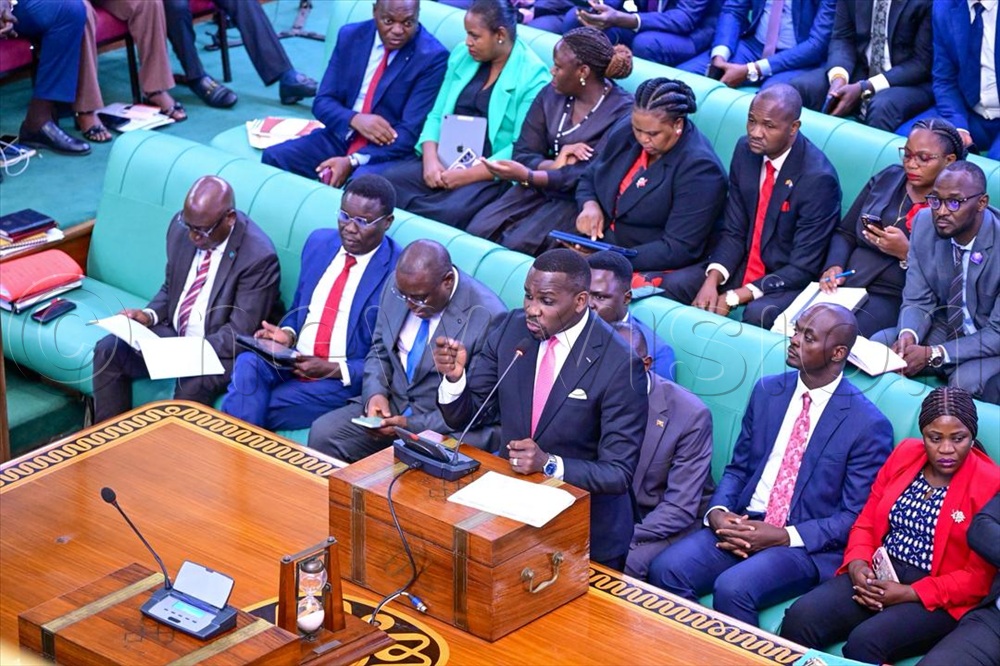
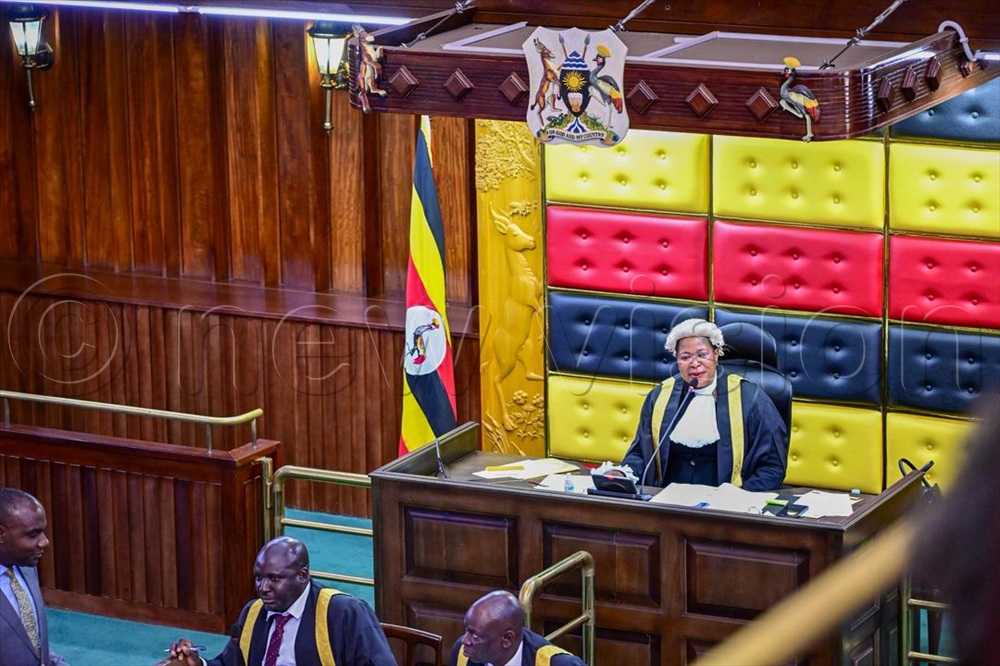
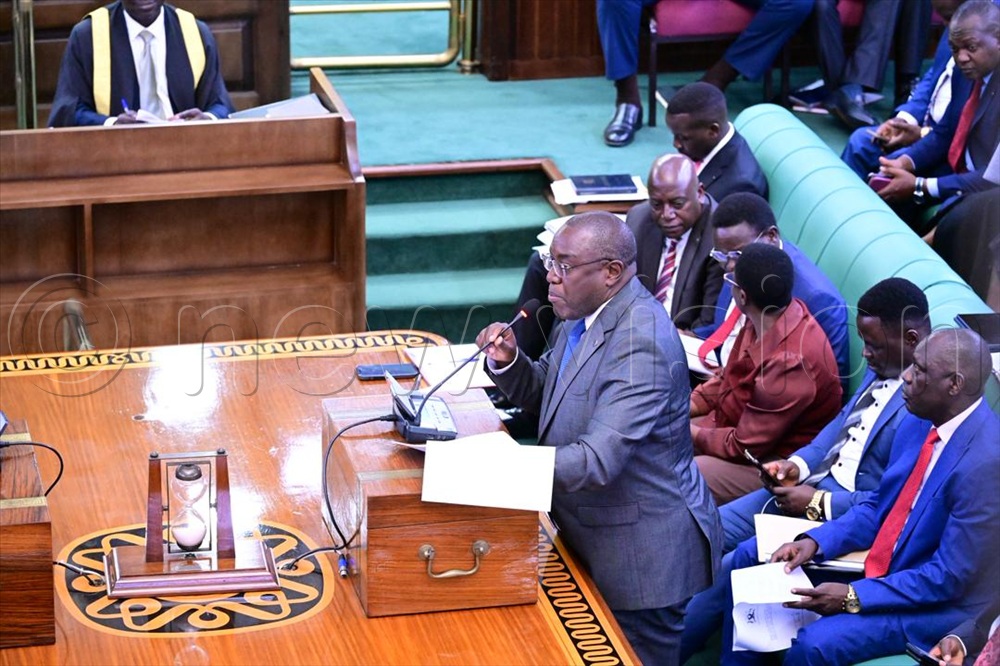
Members of Parliament during plenary on Tuesday, May 2026. (Photos by Miriam Namutebi )
________________
The National Resistance Movement (NRM) Parliamentary Caucus has endorsed the Protection of Sovereignty Bill, 2026, paving the way for its second and third reading in Parliament on Tuesday, May 5, 2026.
The decision was reached during a special caucus meeting held on Tuesday, May 5, 2026, at the Office of the President.
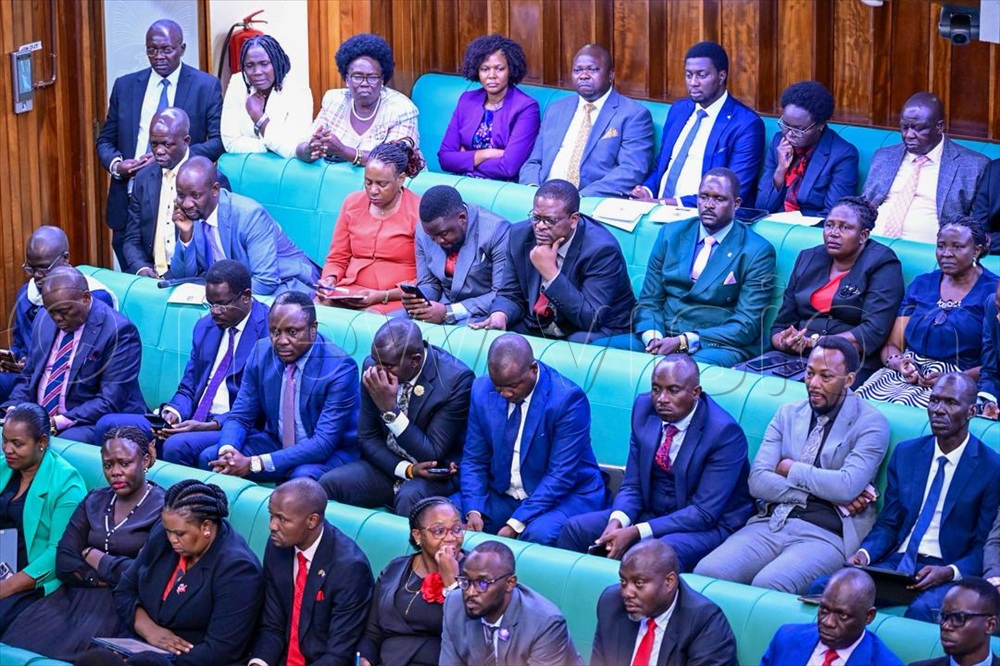
The meeting, convened by the Government Chief Whip Denis Hamson Obua, brought together ruling party legislators who resolved to support what was described as the government’s harmonised position on the Bill.
In a signed resolution, the caucus agreed “to support the harmonised position of Government regarding the Protection of Sovereignty Bill, 2026 in Parliament,” effectively consolidating the ruling party’s position ahead of the debate on the floor of the House.
The endorsement comes at a time when the Bill has attracted significant public attention, drawing both support and criticism from different sections of society, including the central bank, legal experts, medical experts, civil society actors and economic analysts.
The Bill, which seeks to regulate foreign influence in Uganda’s governance, economy and public affairs, has been defended by its proponents as a necessary safeguard for national sovereignty and independence.
NRM legislators who spoke to this publication expressed strong support for the Bill, describing it as critical to protecting Uganda’s autonomy.
Simon Peter Okwalinga (Kanyum County, NRM) said that although he did not attend the caucus meeting, he supports the broader objective of the proposed law.
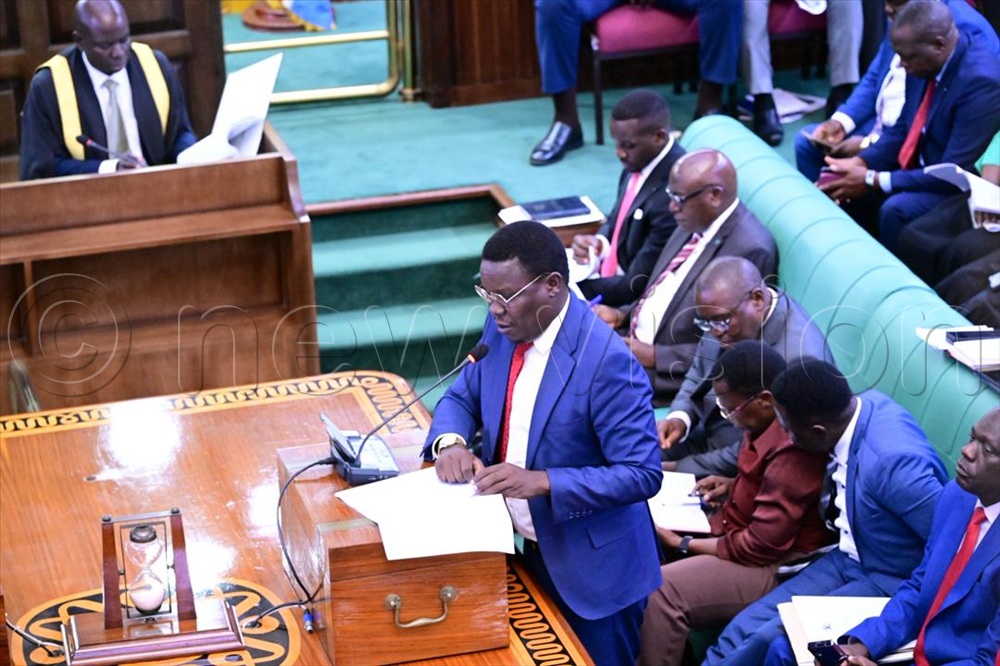
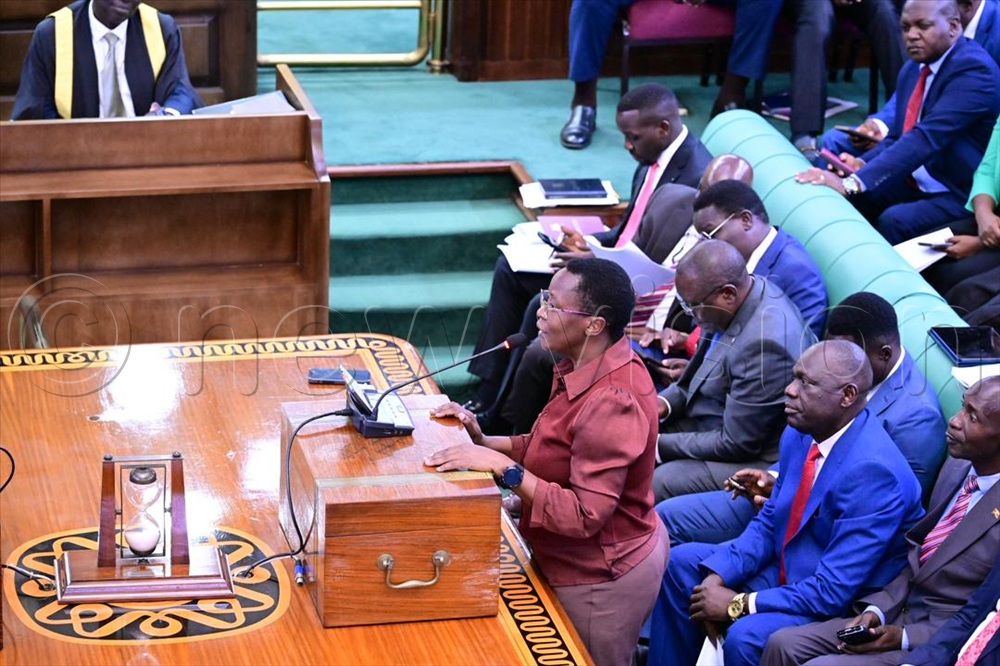
“I was not there because I am no longer a committee member of the Defence and Internal Affairs Committee. I am now on the Presidential Affairs Committee, so I cannot speak for a committee that I have already left,” Okwalinga said.
He, however, stressed the significance of the Bill, describing it as one of the most important pieces of legislation before Parliament.
“For all Ugandans and their representatives in Parliament, they ought to know that this Bill is more important than all the Bills passed so far because it touches on our sovereignty as a country and as a Black race,” he said.
“This Bill gives us total independence in terms of politics and the economy of Uganda. It actually augments the political and economic development of our country. It, therefore, should be supported at all costs,” he added.
Okwalinga acknowledged that some provisions of the Bill have been criticised but maintained that these can be refined without altering the intention of the law.
“The good thing is that those controversial sections and clauses, we shall see how to put them in line with the objectives of the Bill,” he said.
James Kakooza (East African Legislative Assembly (EALA) MP/Older persons elect) dismissed criticism of the Bill and framed it as a matter of national self-determination. “I don’t know why this hullabaloo by people which they are making about sovereignty. How do you be there and you don’t love your country?” Kakooza said.
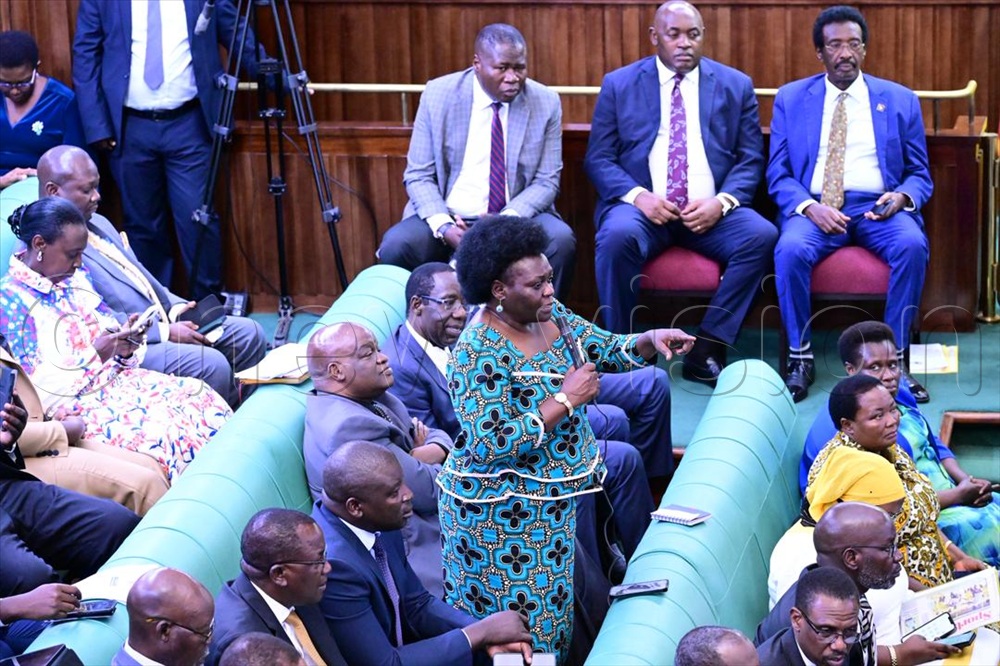
He added that the Bill reinforces Uganda’s right to govern itself without undue external influence.
“The Bill is saying as we are Ugandans, we govern ourselves through elections and any decision taken, Ugandans must participate instead of foreigners coming and giving us orders,” he said.
Kakooza cited past decisions taken by Uganda in defiance of international pressure as examples of the country asserting its independence.
“When we passed the Anti-Homosexuality law, it was not our culture that we adopt the culture of our friends. We decided to stand firm. The World Bank and IMF withdrew, but did we cease to exist? We didn’t negotiate. They are money lenders, when you lack customers, who will you lend to?” he said.
“So people should be serious, especially where it concerns security and peace,” he added.
Despite the strong backing from the ruling party, the Bill continues to generate debate, with critics warning that some of its provisions could affect legitimate civic activity and economic operations.
Worth noting, security was visibly heightened around Parliament on Tuesday morning, with police and other security agencies deployed at various access points.
Movement in and around the precincts was closely monitored, with both uniformed and plainclothes personnel stationed at key entry routes as lawmakers prepared for what is expected to be a highly charged sitting.