
News
Somalia is not going to be abandoned, says Museveni
The summit came amid mounting concern over the planned withdrawal of the United Nations Support Office in Somalia (UNSOS), the mission's logistical backbone, at the end of 2026, raising fears over how AUSSOM will finance critical military operations after the current support framework expires.
Somalia is not going to be abandoned, says Museveni
By: Nelson Mandela Muhoozi, Journalist @New Vision
__________________
President Yoweri Kaguta Museveni has declared that the Federal Republic of Somalia will not be abandoned despite growing uncertainty over international support.
He, along other African heads of state, committed themselves to sustain peace operations and safeguard nearly two decades of security gains through African-led solutions.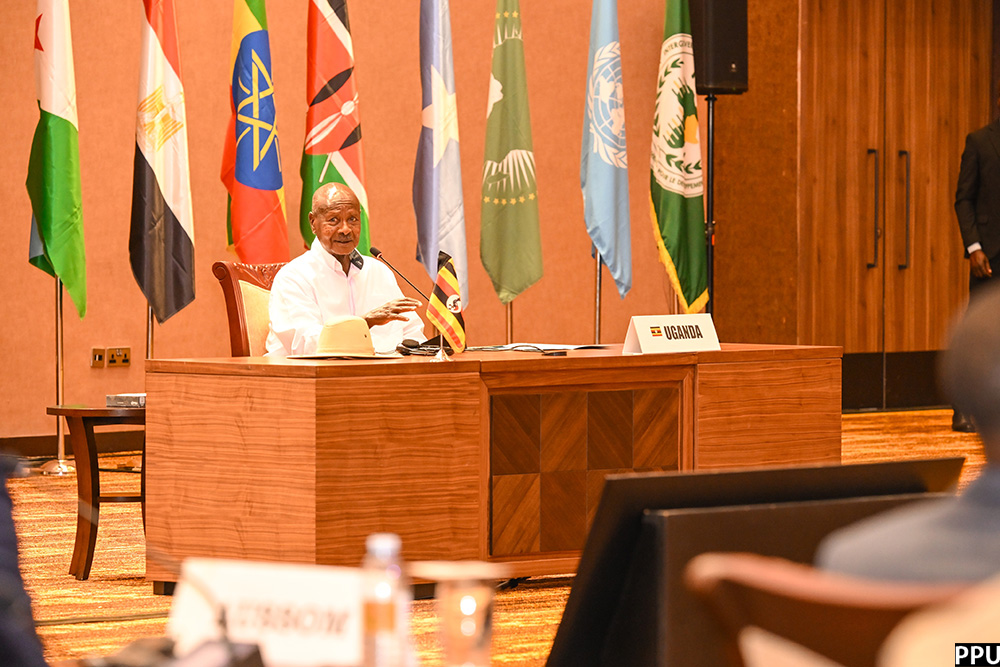
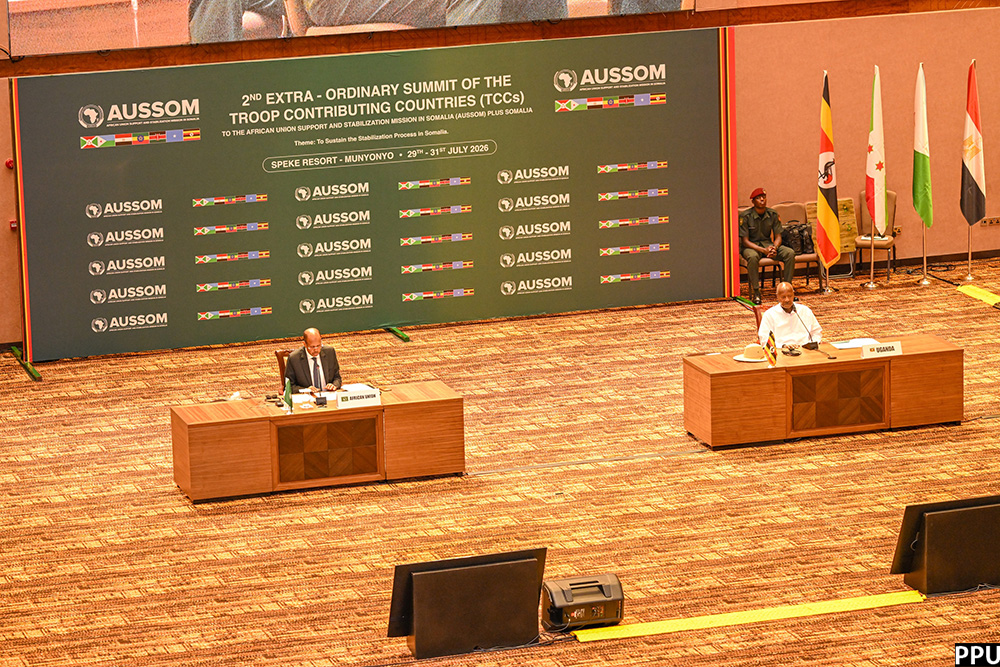
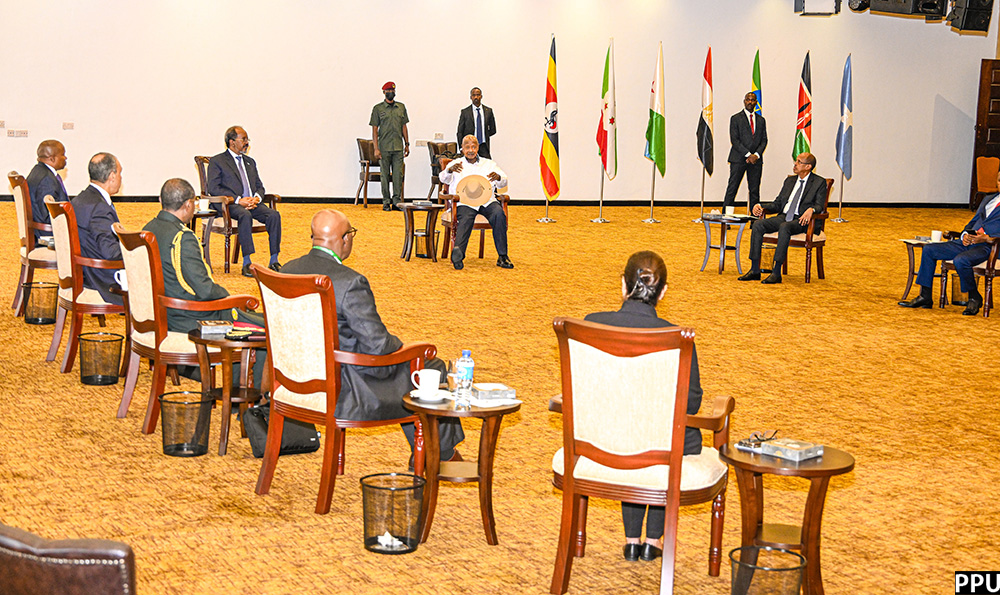
The pledge was made on Friday (July 31) at the 2nd Extraordinary Summit of Troop-Contributing Countries (TCCs) to the African Union Support and Stabilisation Mission in Somalia (AUSSOM) at Speke Resort Munyonyo, where heads of state adopted a joint communiqué reaffirming Africa's commitment to Somalia's security, stability and long-term peace.
The summit came amid mounting concern over the planned withdrawal of the United Nations Support Office in Somalia (UNSOS), the mission's logistical backbone, at the end of 2026, raising fears over how AUSSOM will finance critical military operations after the current support framework expires.
Closing the summit, Museveni dismissed suggestions that reduced backing from some Western partners would derail the mission, insisting Africa has both the experience and the capacity to sustain Somalia's stabilisation efforts.
"The group of Western countries pulling out is not a problem. If they want to pull out, they pull out because all the problems we have solved here, we never had any of their direct support."
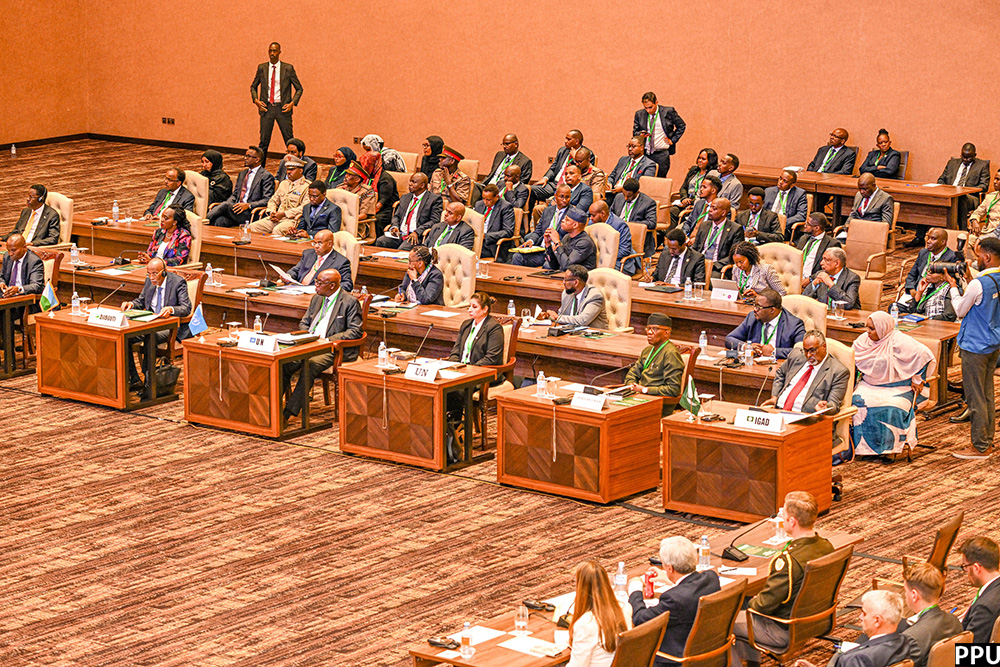
Drawing on Africa's own history of resolving conflicts, the Ugandan President cited Uganda's liberation struggle and regional efforts in South Sudan as examples of African-led solutions succeeding without external military backing.
"We can manage. That's what we agreed in the closed session, that Somalia is not going to be abandoned because of some other people outside. Whether these others pull out or not, we shall continue."
Museveni said Uganda's involvement in Somalia has always been driven by principle and regional security rather than geography, noting that although the East African nation does not share a border with Somalia, it chose to deploy troops in solidarity with the Somali people and neighbouring countries threatened by violent extremism.
He said Africa rejects extremist ideologies that seek to impose themselves on others, arguing that the continent's strength lies in respecting diversity while standing together against terrorism.
Museveni's remarks underscored the central message emerging from three days of deliberations involving military commanders, defence ministers and heads of state: that Africa must increasingly take responsibility for financing and sustaining its own peace support operations.
AU Commission reaffirms commitment
Mahmoud Ali Youssouf, the chairperson of the African Union Commission, said the adoption of the Kampala communiqué sends a clear signal that the continent remains firmly behind Somalia despite the evolving funding landscape.
He outlined three commitments made by the AU. First, he said, Africa remains fully committed to standing alongside Somalia.
Second, he said the continent is determined to preserve the gains achieved under successive AU missions while ensuring an orderly transition that reflects realities on the ground.
Museveni said Uganda's involvement in Somalia has always been driven by principle and regional security rather than geography, noting that although the East African nation does not share a border with Somalia, it chose to deploy troops in solidarity with the Somali people and neighbouring countries threatened by violent extremism.
He said Africa rejects extremist ideologies that seek to impose themselves on others, arguing that the continent's strength lies in respecting diversity while standing together against terrorism.
Museveni's remarks underscored the central message emerging from three days of deliberations involving military commanders, defence ministers and heads of state: that Africa must increasingly take responsibility for financing and sustaining its own peace support operations.
AU Commission reaffirms commitment
Mahmoud Ali Youssouf, the chairperson of the African Union Commission, said the adoption of the Kampala communiqué sends a clear signal that the continent remains firmly behind Somalia despite the evolving funding landscape.
He outlined three commitments made by the AU. First, he said, Africa remains fully committed to standing alongside Somalia.
Second, he said the continent is determined to preserve the gains achieved under successive AU missions while ensuring an orderly transition that reflects realities on the ground.
Third, the AU will continue engaging international partners to secure predictable and sustainable support that aligns with priorities defined by Africans themselves.
"I wish to assure the government and the people of Somalia that the Commission will continue to mobilise all the political, diplomatic and financial support necessary for the success of this mission," said Youssouf.
He added that the AU would continue accompanying Somalia on its journey towards lasting peace in the interests of both the Somali people and the African continent.
Funding
The summit capped three days of intensive discussions centred on the future of AUSSOM after the scheduled withdrawal of UNSOS at the end of December 2026.
During Thursday's ministerial meeting, Uganda's Minister of Defence and Veteran Affairs, Kiryowa Kiwanuka, warned that unpredictable financing remains one of the greatest threats facing the mission.
Military commanders also revealed that United Nations support to AUSSOM has already been reduced by 25 per cent, affecting operations on the ground and reinforcing the urgency of identifying alternative funding arrangements.
Delegates stressed that preserving Somalia's progress requires not only military operations, but also political reconciliation, institution building, economic recovery and sustained international cooperation.
The Kampala summit is widely viewed as one of the most consequential meetings on Somalia since African troops first deployed in 2007.
The adopted communiqué is expected to guide the next phase of AUSSOM by setting out decisions on sustainable financing, operational arrangements and continued support for Somalia as the country works to consolidate security gains and complete its transition towards lasting peace.
"I wish to assure the government and the people of Somalia that the Commission will continue to mobilise all the political, diplomatic and financial support necessary for the success of this mission," said Youssouf.
He added that the AU would continue accompanying Somalia on its journey towards lasting peace in the interests of both the Somali people and the African continent.
Funding
The summit capped three days of intensive discussions centred on the future of AUSSOM after the scheduled withdrawal of UNSOS at the end of December 2026.
During Thursday's ministerial meeting, Uganda's Minister of Defence and Veteran Affairs, Kiryowa Kiwanuka, warned that unpredictable financing remains one of the greatest threats facing the mission.
Military commanders also revealed that United Nations support to AUSSOM has already been reduced by 25 per cent, affecting operations on the ground and reinforcing the urgency of identifying alternative funding arrangements.
Delegates stressed that preserving Somalia's progress requires not only military operations, but also political reconciliation, institution building, economic recovery and sustained international cooperation.
The Kampala summit is widely viewed as one of the most consequential meetings on Somalia since African troops first deployed in 2007.
The adopted communiqué is expected to guide the next phase of AUSSOM by setting out decisions on sustainable financing, operational arrangements and continued support for Somalia as the country works to consolidate security gains and complete its transition towards lasting peace.