
Parliament okays sh737b loan for irrigation systems
Musasizi said the project is expected to directly benefit about 2,562 households, translating into about 11,785 direct beneficiaries.
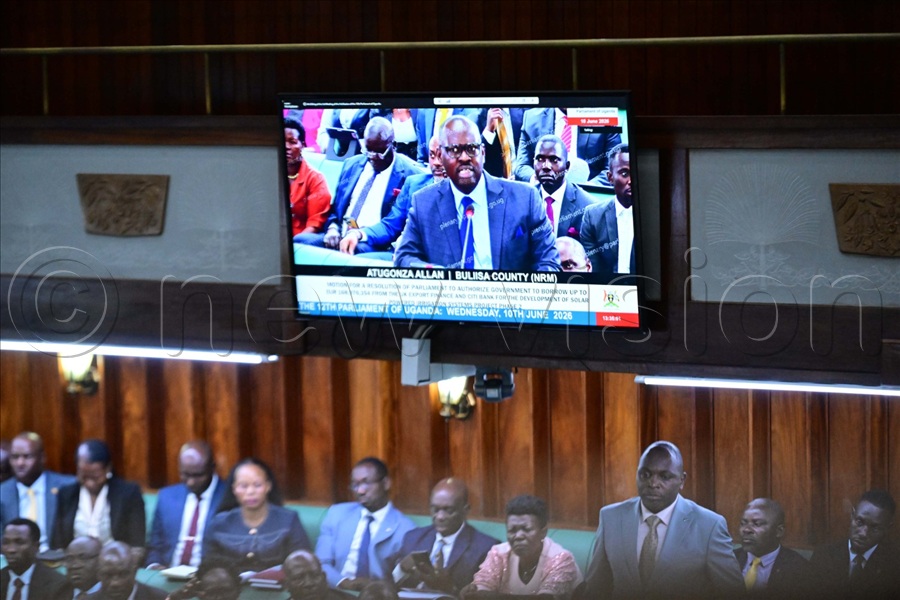
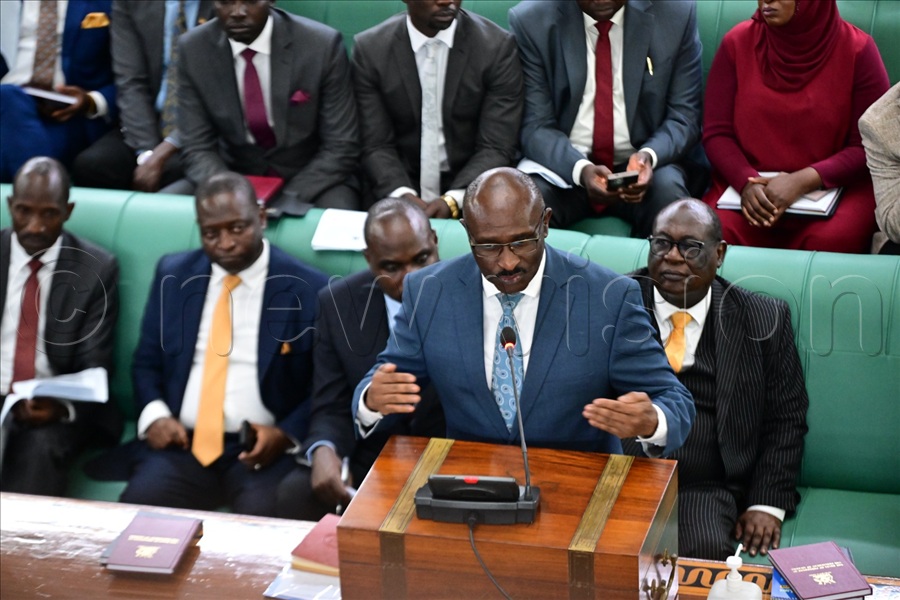
Finance minister Henry Musasizi tabled the motion on the floor of Parliament on Wednesday (June 10) during a plenary session chaired by Speaker Jacob Marksons Oboth.
KAMPALA - Parliament has approved the Government’s request to borrow €168.9m (about sh737b) from the UK Export Finance and Citi Bank for the development of 427 solar-powered irrigation systems across the country.
Finance minister Henry Musasizi tabled the motion on the floor of Parliament on Wednesday (June 10) during a plenary session chaired by Speaker Jacob Marksons Oboth.
He said this is under the irrigation systems phase II project, which is aimed at enhancing rural incomes through increased production and productivity arising from irrigated agriculture for coffee growing.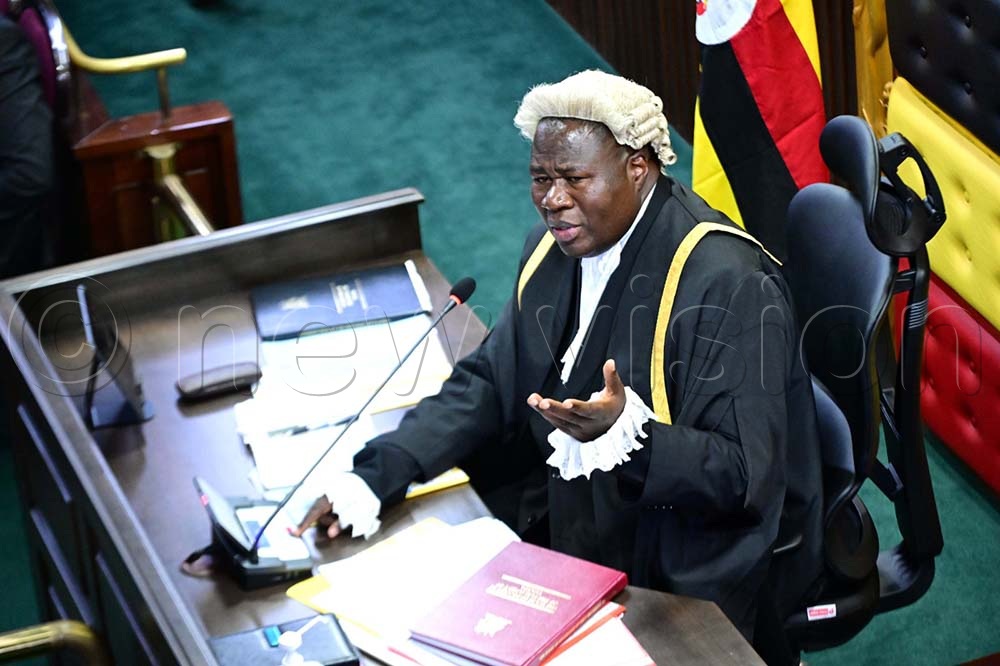
Speaker Jacob Marksons Oboth chaired Plenary. (All Photos by Maria Wamala)
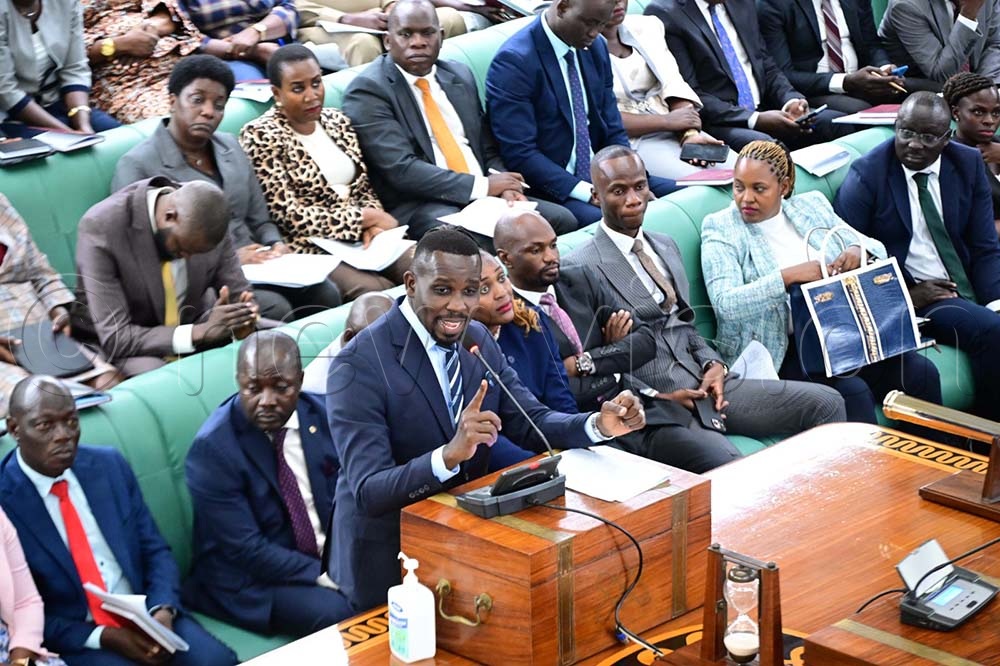
Leader of Opposition Joel Ssenyonyi
Musasizi said the project is expected to directly benefit about 2,562 households, translating into about 11,785 direct beneficiaries.
“The goal of this project, therefore, is to contribute to increased yields of coffee production through provision of water for irrigation in 126 districts,” he said.
He noted that date, phase I of the project has achieved over 99% physical completion with 434 systems developed across the country delivering verifiable economic benefits countrywide.
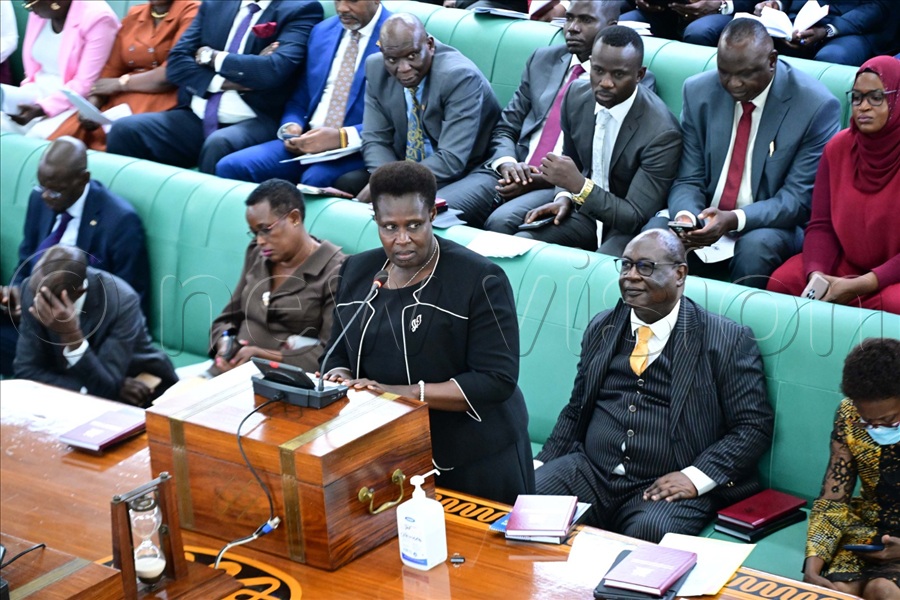
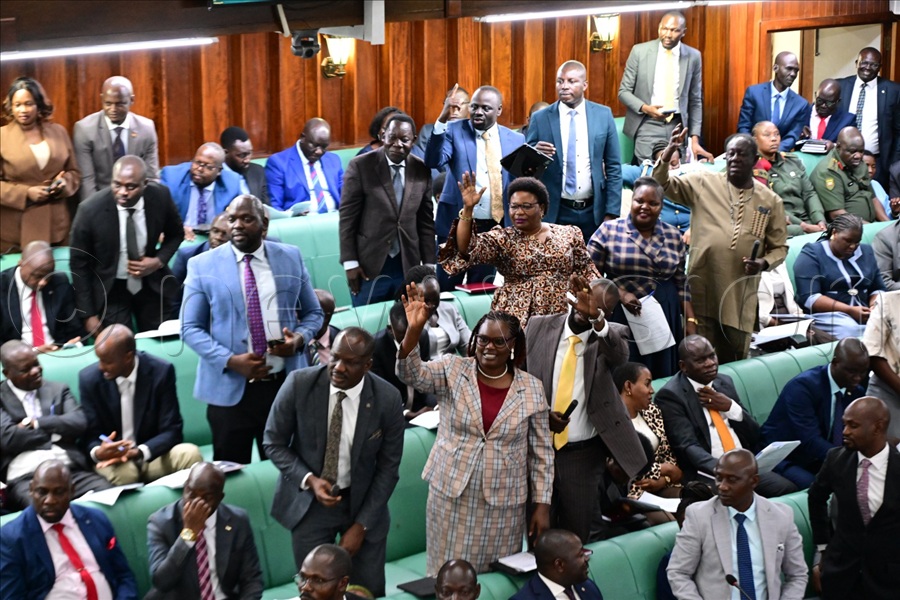
During the debate on the loan request, Vice President Jessica Alupo urged the House to support the motion so that government implements the water for production policy for coffee growers, bearing in mind that coffee has a stable global market with potential to provide sustainable income for households.
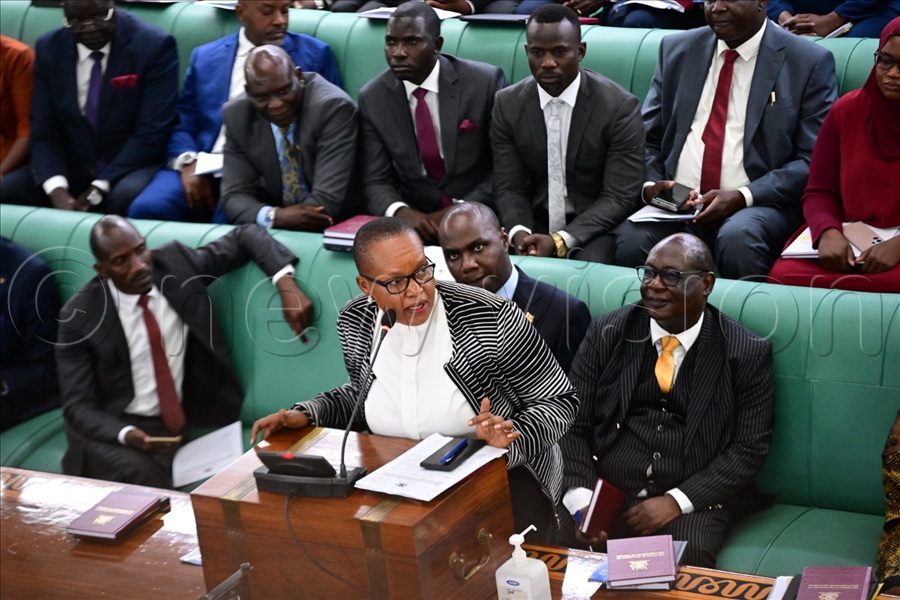
“Collectively, these initiatives have enhanced water security and productivity for 206,465 households and a total population of 908,447 across Uganda,” the minister told Parliament.
He added that farmers are losing a lot of crops due to prolonged dry seasons, and this in turn affects their livelihoods.
The ministry also said the project will leverage and strengthen existing extension service infrastructure at parish, sub-county and district levels in Uganda, working through the ministry of agriculture extension programmes and Coffee Department.
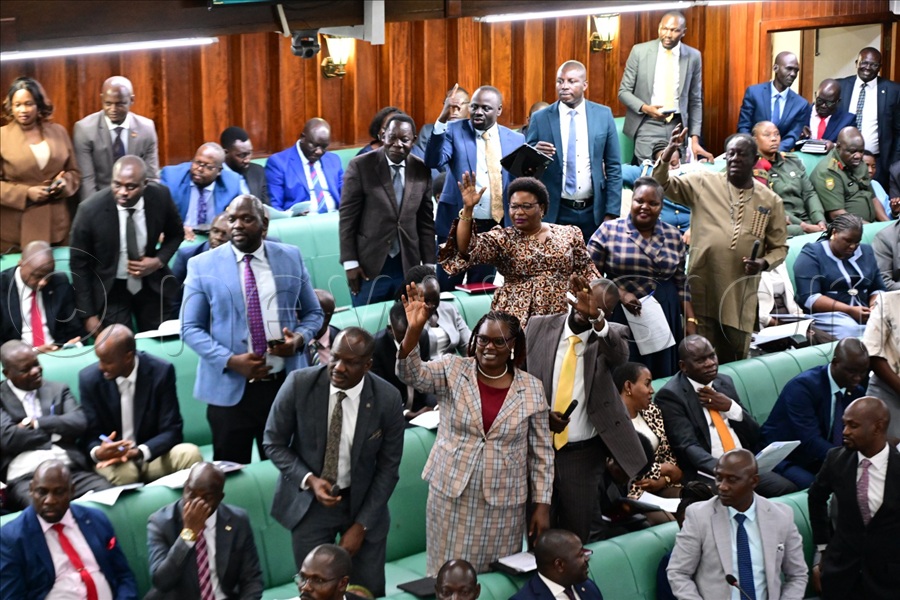
During the debate on the loan request, Vice President Jessica Alupo urged the House to support the motion so that government implements the water for production policy for coffee growers, bearing in mind that coffee has a stable global market with potential to provide sustainable income for households.
Agriculture minister Frank Tumwebaze also implored the House to approve the loan, saying Uganda’s irrigation uptake remains below 2%, yet crop failure is becoming more predictable because of changing weather patterns.
“We stand at below 2% of our irrigation uptake. We didn’t mind in the past not putting so much investment in irrigation because God had given us two guaranteed, predictable weather seasons. But now crop failure is predictable; it is more predictable than crop yield,” he said.
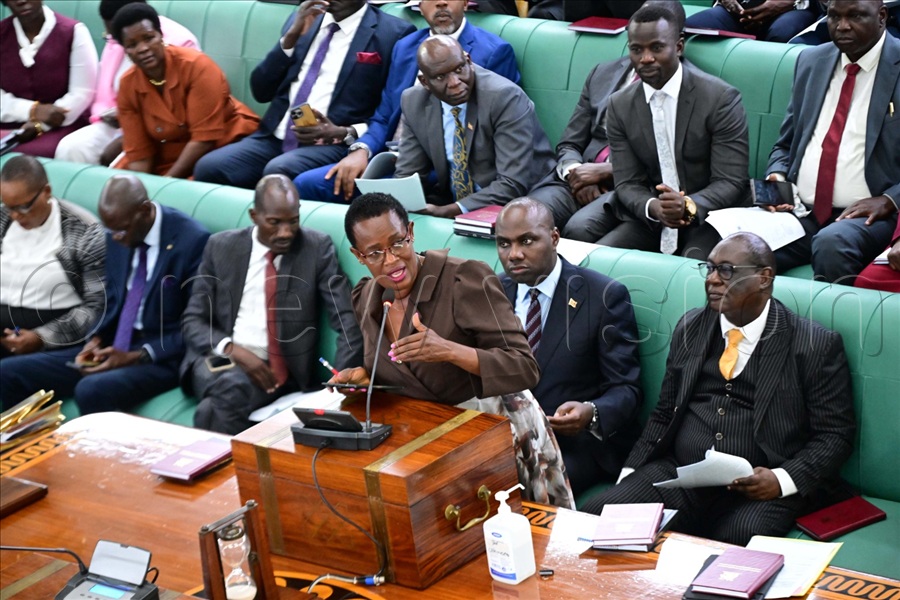
Tumwebaze said the project is mainly intended to support smallholder farmers with 10 to 20 acres, who cannot borrow from Uganda Development Bank or access the Agricultural Credit Facility to invest in large irrigation systems.
Fredrick Angura, the Tororo South MP, was one of the backbenchers who backed the move, saying communities still want irrigation support despite implementation challenges under phase I of the project.
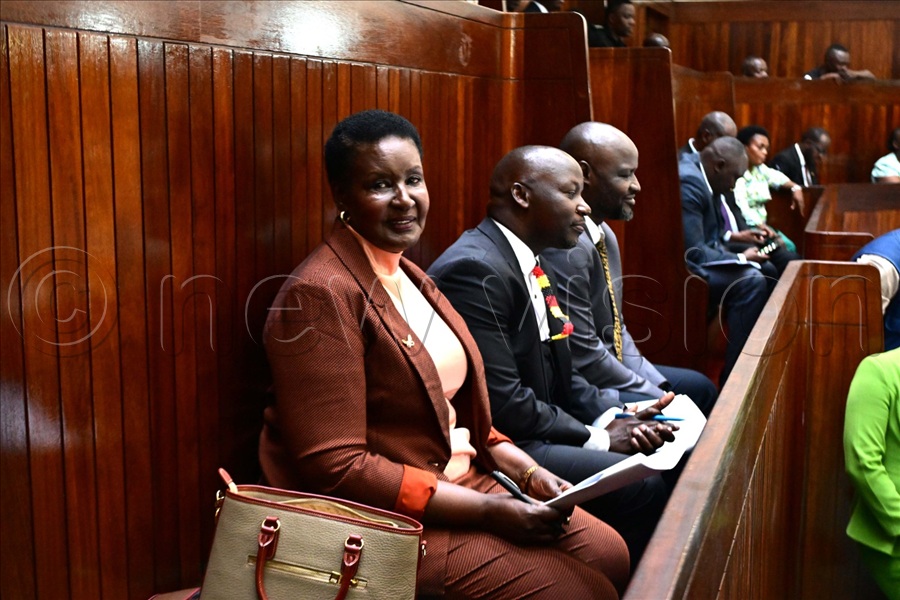
“I have been one of those overseeing the first phase, and I want to inform you that the challenges we encountered in the first phase have not stopped our people from being interested in getting their land irrigated,” Angura said.
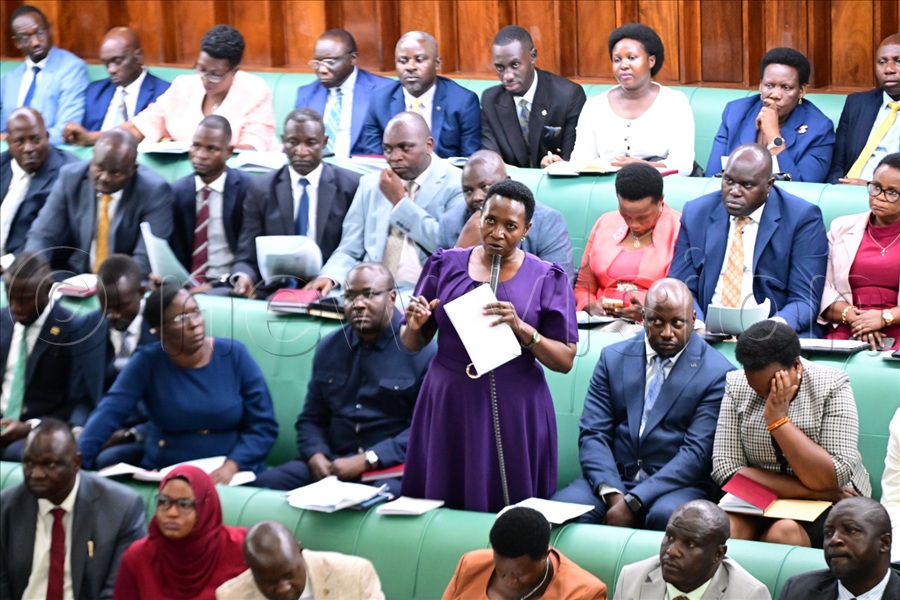
Abim District Woman MP Joyce Ayoo also supported the loan proposal, but questioned why Karamoja sub-region has not been included among the beneficiary areas.
She stated that Abim and other districts in the region need water for irrigation, especially given the effects of climate change.
“When we talk about regions with climate change, the first region that comes to our mind is Karamoja. Why isn’t Karamoja in the project?”
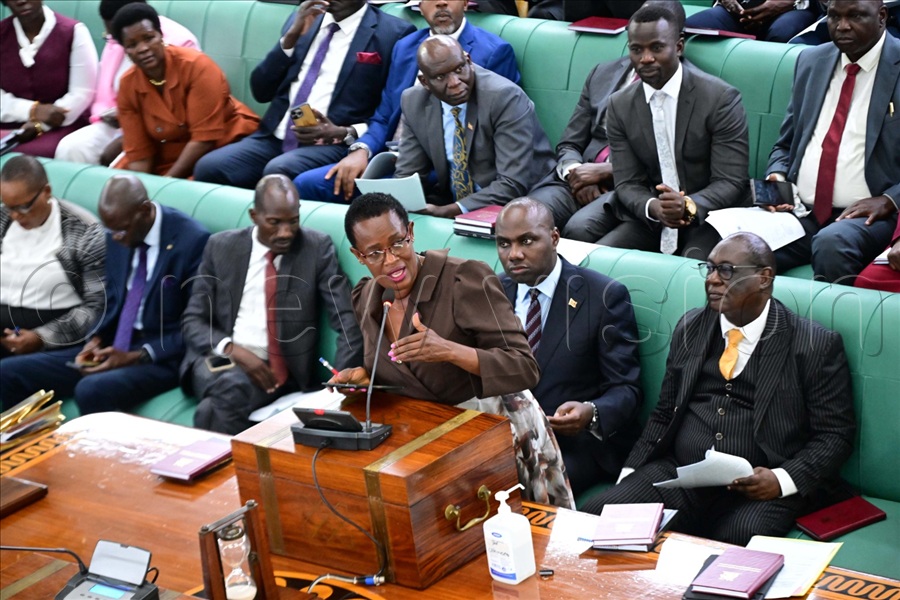
However, Hassan Kirumira, the Katikamu South MP, argued that the loan is expensive and non-concessional. Kirumira said the Government should borrow “right and smart,” arguing that the loan is commercial and contrary to the country’s public investment financing approach.
He also questioned the productivity of phase I, saying Parliament should be cautious before approving further borrowing for the project.
“This particular project made so many of our honourable colleagues not come back to Parliament because they marketed it among their voters, only to be disappointed at the implementation stage,” he added.