
Leaders root for National Cleaning Day anchored in law
The country's first statutory National Cleaning Exercise, held on Saturday, July 25, 2026, achieved what many environmentalists and public health advocates have long hoped for.
Minister of Local Government Balaam Barugahara (third right) takes part in a cleanup exercise in Fort Portal before the standoff. (Photo by Jonan Tusingwire)
__________________
Calls are growing for Uganda's monthly national cleaning exercise to be entrenched in law, with leaders arguing that legislation would ensure better planning, co-ordination and long-term public participation in keeping the country clean.
The country's first statutory National Cleaning Exercise, held on Saturday, July 25, 2026, achieved what many environmentalists and public health advocates have long hoped for.
It mobilised millions of Ugandans to clean their neighbourhoods, unclog drainage channels, remove illegal dumps and restore public spaces.
However, the success was overshadowed by the post-exercise crisis of heaps of uncollected garbage that overwhelmed Kampala and several other urban authorities.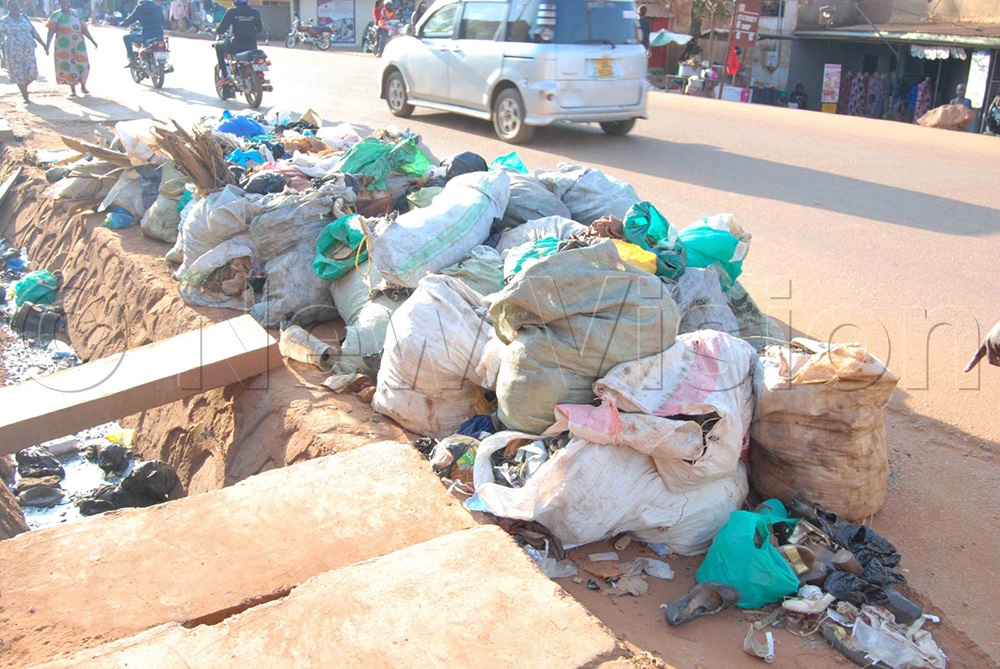
(New Vision/Huzaima Kaweesa)
From Kampala to Mbale, residents complained of heaps of rotting waste dumped on roadsides, blocking businesses, disrupting traffic flow and emitting an unbearable stench.
What began as a symbol of collective responsibility quickly exposed persistent shortcomings in urban waste management, with authorities admitting they lacked the capacity to evacuate the enormous volumes of rubbish generated during the exercise.
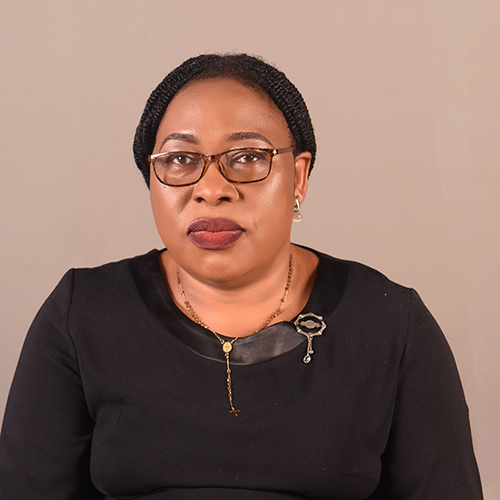
Harriet Tibulihwa Ssali, who recently contested for the Kakumiro District Woman Member of Parliament seat. (Courtesy)
Speaking after the exercise, Ssali said while thousands of Ugandans turned up to clean roads, drainage channels and public spaces, many communities were left stranded because there were no designated waste collection points or garbage skips.
"In many places, people collected rubbish with commitment and patriotism, only to discover there were no garbage skips or collection centres. Some were forced to leave heaps of waste by the roadside because there was nowhere else to take it," she said.
According to Ssali, the absence of a coordinated waste management system undermined the objective of the campaign, warning that uncollected garbage could easily become a public health risk or be washed back into drainage channels during heavy rains, contributing to flooding.
She argued that Uganda, as a constitutional republic, should institutionalise the initiative through legislation rather than relying on directives issued shortly before the exercise.
Ssali wants Parliament to enact a law establishing a National Community Service Day as an official public holiday dedicated to environmental sanitation, tree planting and other community service activities. She believes such legislation would provide central government, local governments, security agencies, health authorities and waste management companies adequate time to prepare for each monthly exercise.
"If community service becomes a legally recognised public holiday, everyone will know their responsibility. Local leaders will mobilise residents, garbage collection systems will be in place, and citizens will participate knowing the exercise has been properly organised," she said.
Law is better than enforcement
Jinja South West MP Timothy Batuwa urged the Government to enact legislation that institutionalises the National Cleaning Exercise instead of relying on enforcement by security agencies.
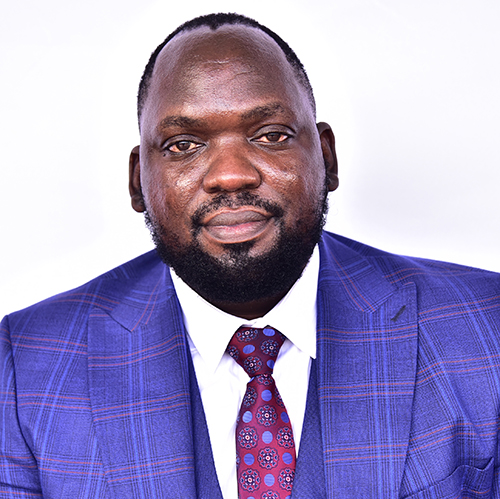
Batuwa Timothy Lusala, Jinja South Division West, Jinja City (FDC). (Courtesy)
Batuwa argued that compelling citizens to participate through policing reflects a "third-world mentality" and undermines the spirit of civic responsibility.
"We should not police people into cleaning their own environment. That is a third-world mentality. The solution is to strengthen the law, enact clear legislation and enforce it consistently. Once the legal framework is in place, local governments can competitively procure contractors to manage waste collection while citizens play their role in keeping their surroundings clean. Sustainable sanitation is achieved through strong institutions and effective laws, not coercion," Batuwa said.
He added that a legal framework would clearly define the responsibilities of government agencies, local authorities, private waste management contractors and citizens, making the monthly exercise more organised, predictable and effective.
Her remarks come as President Yoweri Kaguta Museveni urged Ugandans to embrace hygiene and sanitation as essential investments in public health during the launch of the National Cleaning Exercise, held every last Saturday of the month.
In a message delivered by Vice-President Jessica Alupo during the nationwide launch in Kampala, the President said many diseases affecting Ugandans can be prevented through improved sanitation, proper waste management and collective community responsibility.
Museveni noted that government has consistently invested in preventive healthcare through immunisation, nutrition, physical exercise and sanitation, stressing that cleanliness remains one of the most cost-effective ways of protecting public health.
He also warned that indiscriminate disposal of plastic bottles and polythene bags into drainage channels continues to cause flooding in urban centres such as Kampala, increasing the risk of disease outbreaks.
"The government wants Ugandans to benefit from its development programmes while they are healthy. When people fall sick from preventable diseases, government is forced to spend significant resources on treatment instead of development," the President said.
Health minister Dr Chris Baryomunsi reinforced the importance of the campaign, revealing that up to 75% of diseases in Uganda are preventable through proper sanitation and hygiene. He cited cholera, typhoid and malaria as illnesses closely linked to poor environmental sanitation.