
Kiryandongo seeks more wage funds to fill 1,300 vacancies
Kyaligonza said the district needed additional government support, particularly through increased wage allocations, to recruit qualified personnel and improve service delivery.
Kiryandongo, one of Uganda’s major refugee-hosting districts, continues to face pressure on its public services. (Photo by Christopher Nyeko).
___________________ Kiryandongo District LCV Chairperson Nelson Osaga speaks about challenges in recruiting additional personnel over the past five years due to restrictions on the release of wage funds by the Ministry. (Photo by Christopher Nyeko)
Kiryandongo District Local Government is grappling with a critical shortage of personnel, with approximately 1,300 vacant positions across various departments, raising concerns about its ability to deliver essential services.
The staffing gaps affect key sectors, including health, education, agriculture, engineering and administration, limiting the district's capacity to provide services to residents.
Speaking during the district's two-day budget conference held on November 5 and 6, 2026, chief administrative officer Anselm Kyaligonza said filling the vacant positions remained one of the district's major priorities as it prepares its budget for the 2027/2028 financial year.
Kyaligonza said the district needed additional government support, particularly through increased wage allocations, to recruit qualified personnel and improve service delivery.
Kiryandongo is among Uganda's major refugee-hosting districts and continues to experience pressure on its public services because of its growing population and the movement of people through the area to other parts of the country and neighbouring states, including the Democratic Republic of Congo, South Sudan and Kenya.
Acting district health officer Dr Irene Nabitaka said the shortage of personnel was particularly severe in the health sector, where staffing levels stood at only 36 per cent of the approved establishment.
She noted that development partners had helped ease the situation by supporting the recruitment of health workers in some facilities, but said more government intervention was needed to address the staffing deficit.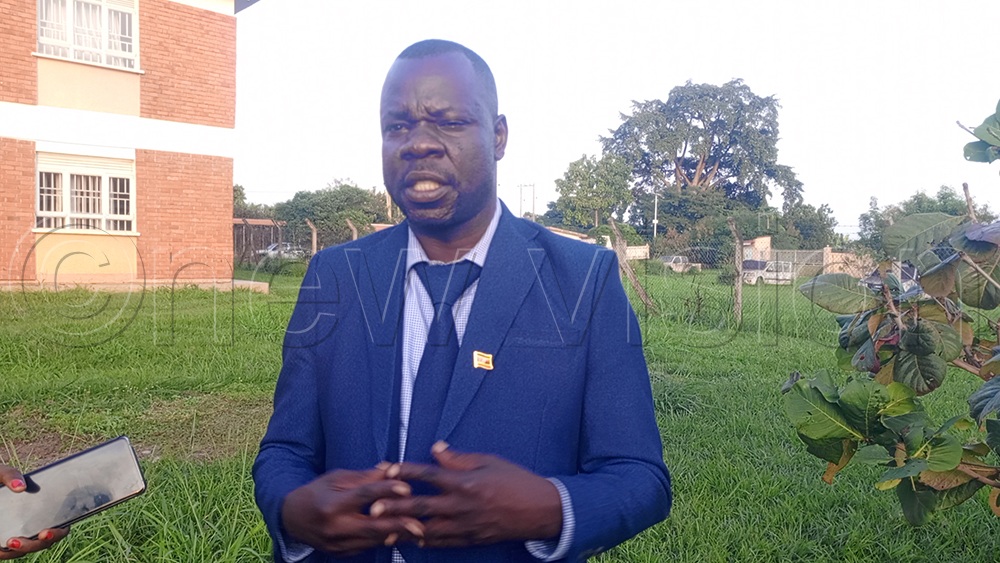
Kiryandongo LC5 chairperson Nelson Osaga said the district had experienced challenges recruiting additional personnel over the past five years because of restrictions affecting the release of wage funds by the Ministry of Public Service.
He, however, expressed optimism that the situation would improve following the removal of the restrictions this year, which had allowed wage funds to be released to the district.
Osaga said the district now expected to embark on recruitment to fill some of the vacant positions and strengthen service delivery.
District seeks increased govt funding
During the budget conference, district leaders also raised concerns over inadequate funding for infrastructure, particularly road maintenance.
He said political lobbying was critical to addressing some of the district's longstanding challenges, including inadequate road maintenance funding.
“Some of the district’s challenges need political lobbying. Our Members of Parliament should have been here so that they know what to go and discuss in Parliament,” Kyaligonza said.
He observed that while some districts received up to Shs5 billion for road maintenance, Kiryandongo received approximately sh2 billion, which he said was insufficient to address its road infrastructure needs.
The CAO also urged civil society organisations, non-governmental organisations, donors and other development partners to coordinate their interventions with the district and ensure their planned activities were incorporated into the local government budget.
Sh45.34 billion budget projected for 2027/28
The district's tentative resource envelope for the 2027/2028 financial year stands at sh45.34 billion, according to the budget proposals presented during the conference.
Of this amount, sh40.65 billion, representing 89.65 percent, is expected from central government transfers, while sh3.58 billion (7.89 per cent) will come from locally raised revenue.
Contributions from donors and development partners are projected at sh1.11 billion, representing 2.46 percent.
The education sector is expected to receive the largest allocation of sh18.53 billion, accounting for 40.87 percent of the projected budget, followed by health with sh10.90 billion, representing 24.05 percent.
The administration department is projected to receive sh5.64 billion, while works and technical services will receive sh2.65 billion. The production department is allocated sh2.39 billion, with community-based services expected to receive shs1.62 billion.
Other allocations will cater for finance, statutory bodies, water, natural resources, trade and industry, planning and internal audit.
The budget conference also identified low mobilisation and collection of locally raised revenue as one of the major challenges affecting budget implementation.
District officials attributed the poor revenue performance partly to limited political goodwill and called for stronger collaboration among political leaders, technical officials and other stakeholders to improve revenue collection.
The district plans to strengthen taxpayer identification, update property valuations, improve the use of the Integrated Revenue Administration System (IRAS), introduce digital revenue collection and enhance enforcement and reconciliation of revenue assessments.
Focus on tenfold growth strategy
The budget conference, held under the national theme, “Full Monetisation of Uganda’s Economy through Commercial Agriculture, Industrialisation, Expanding and Broadening Services, Digital Transformation and Market Access,” focused on identifying priorities to guide the district's 2027/2028 budget and work plan.
The financial year will be the third year of implementing the Fourth District Development Plan (DDP IV), which is aligned with the government's Tenfold Growth Strategy and the Fourth National Development Plan.
According to the district's budget strategy, priority will be given to four key growth areas: Agro-industrialisation, Tourism Development, Mineral-based Industrial Development, and Science, Technology and Innovation, collectively referred to as ATMS.
Heads of departments were tasked with presenting their achievements for the 2025/2026 financial year, outlining challenges encountered during implementation of the 2026/2027 budget and proposing interventions for the coming financial year.
The district also intends to strengthen partnerships with development partners and civil society organisations to increase funding for local programmes while avoiding duplication of interventions.
Other proposed interventions include lobbying the central government for additional wage allocations, upgrading health facilities, securing funding for the construction of administrative offices at town councils and sub-counties, and improving district roads and bridges.
The district further plans to strengthen implementation of the Parish Development Model (PDM), with officials urging beneficiaries who have entered the loan recovery phase to repay their funds to enable other households to benefit.
Kyaligonza emphasised the importance of budget discipline and accountability, warning that departments must only implement activities that have been properly planned and budgeted for.
He said the district would maintain strict adherence to public financial management requirements, including avoiding new arrears, limiting supplementary budgets and ensuring that recruitment was backed by adequate wage provisions.
The district leadership said contributions and recommendations from the two-day conference would inform the finalisation of the 2027/2028 budget and work plan, with the ultimate goal of improving public service delivery and accelerating socio-economic development in Kiryandongo.