
Allocate funds for women activities, local govts asked
“We have been experiencing funding gaps from overseas development assistance because the global context has changed, some of the traditional partners in Europe are moving towards helping their neighbours like Ukraine who are facing war, while others are increasing their military budgets to safeguard themselves,” said Paulina Chiwangu, the UN Women country representative
The UN Women country representative, Paulina Chiwangu (2nd R), and the head of the Austrian embassy in Uganda, Dr. Katja Kerschbaumer (3rd R) and Dr. Angella Kafeero (4TH R), commissioner for women in the Ministry of gender, Labour and Community Development, at a press briefing at the UN Women offices in Naguru, Kampala. The event was organised to mark the 26th anniversary of UN Security Council Resolution 2325. November 11, 2026. In the middle are Robina Rubimbwa, the founder and executive director of the Coalition for Action on Resolution 1325 (CoACT) and Natasha Butorac (R), programme specialist, Women, Peace and Security. (Credit: Eddie Ssejjoba)
KAMPALA - Local government units have been asked to allocate funds in their annual budgets to fund women's activities.
The call was made by UN Women, a United Nations entity for gender equality and the empowerment of women and girls.
It warned that, amidst dwindling funding from traditional partners and donors in Europe due to the ongoing war in Ukraine, civil organisations were facing challenges due to inadequate funding.
This has consequently affected projects that promote women's participation in peace processes, protection from gender‑based violence and those that enable them to engage in conflict prevention and peacebuilding. 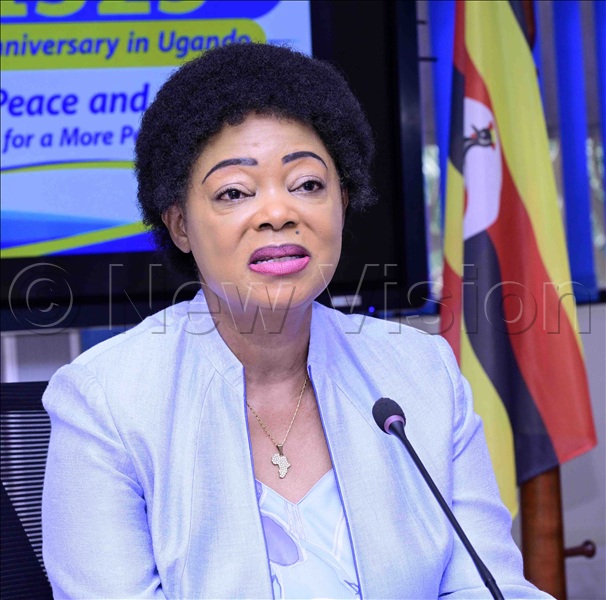
The UN Women country representative, Paulina Chiwangu, speaks to journalists during a press briefing at their offices in Naguru, organized to mark the 26th anniversary of UN Security Council Resolution 2325. This was on November 11, 2026. (All Photos by Eddie Ssejjoba)
“We have been experiencing funding gaps from overseas development assistance because the global context has changed, some of the traditional partners in Europe are moving towards helping their neighbours like Ukraine who are facing war, while others are increasing their military budgets to safeguard themselves,” said Paulina Chiwangu, the UN Women country representative
She therefore asked districts, cities, municipalities and other local government entities to tap into their domestic resources and fund the affected projects
“At a time of shrinking resources and increasing humanitarian needs, we must include funds in our local budgets to expand opportunities for women and girls to participate in peacebuilding and decision-making.”
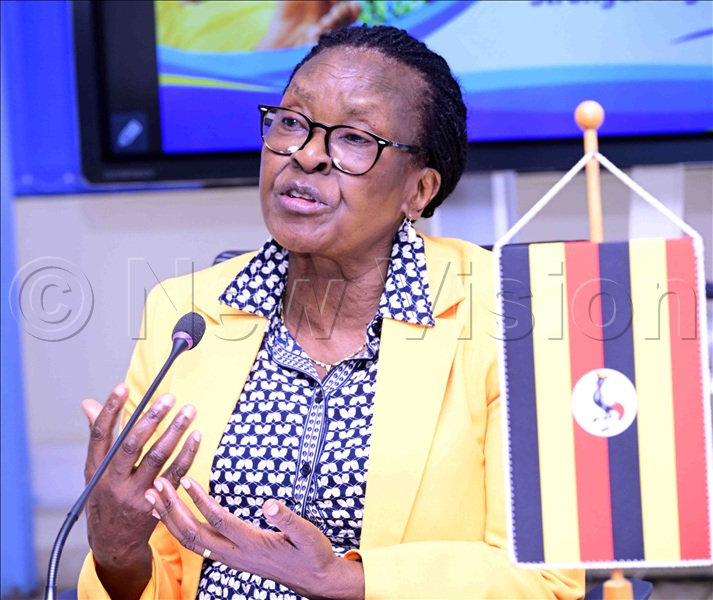
Robina Rubimbwa, the founder and executive director of the Coalition for Action on Resolution 1325 (CoACT), speaking during a press briefing.
Chiwangu made the remarks on Wednesday during a press briefing at their offices in Naguru. It was organised to mark the 26th anniversary of the United Nations Security Council Resolution (UNSCR) 1325 on women, peace and security.
The function was attended by Dr. Katja Kerschbaumer, the head of the Austrian embassy in Kampala, Dr. Angella Kafeero, the commissioner for gender and women's affairs in the gender ministry, Robina Rubimbwa, the founder and executive director of the Coalition for Action on Resolution 1325 (CoACT), Natasha Butorac, a programme specialist, Women, Peace and Security at the UN Women and other representatives of women organisations.
The UNSCR 1325 was adopted on 31 October 2000, and highlights both progress and persistent gaps in protection, funding, and implementation across conflict‑affected regions.
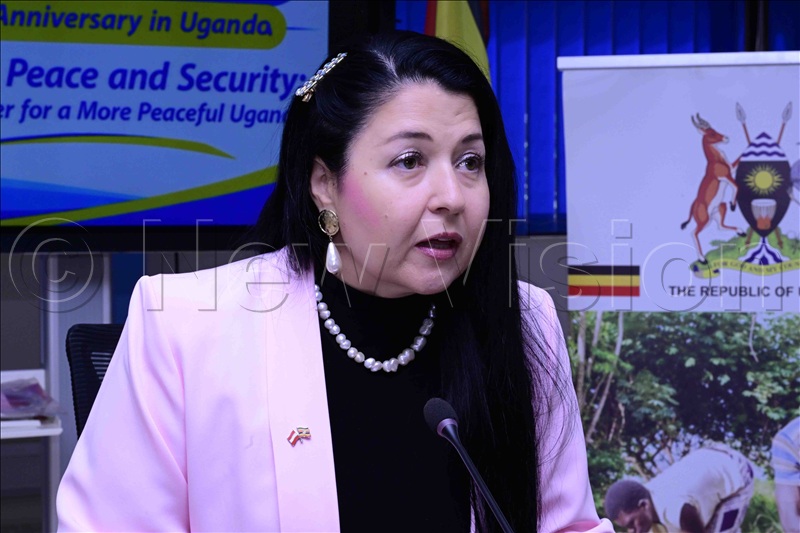
Dr. Katja Kerschbaumer, the head of the Austrian Embassy in Kampala, speaks during the event.
Chiwangu emphasised that advancing women, peace and security cannot depend on external support alone.
“Domestic financing and resource mobilisation are essential if we are to sustain progress and achieve long-term impact,” she said.
She welcomed the growing efforts by some government institutions and local governments to integrate Women, Peace and Security priorities into their plans and budgets, adding that investing in women was one of the smartest investments any society can make.
She congratulated the districts that have already committed 1% of their annual budgets to implementing their ‘Local Action Plans’ on Women, Peace and Security and called others to follow suit. These include Kasese, Yumbe, Amuria, Kabalore, Kyegegwa, Luwero, Gulu City, Arua City, and Kiryandongo. Others, like Napak, were still mobilising resources.
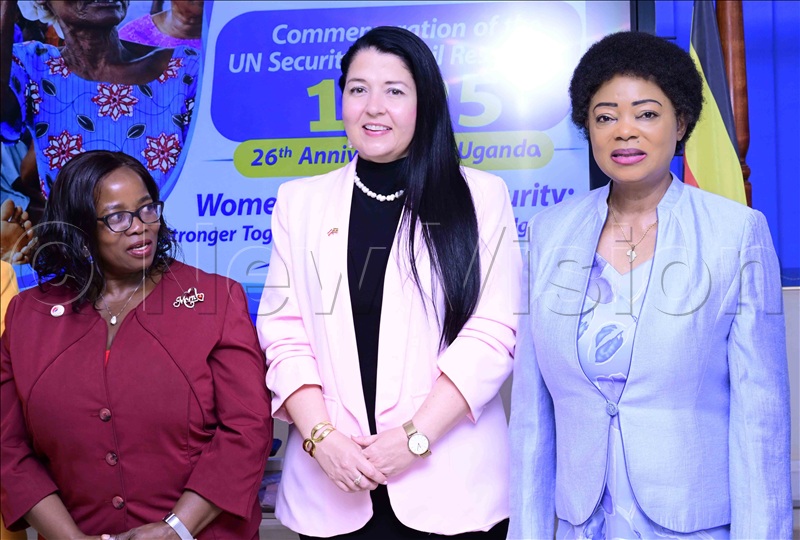
The UN Women country representative, Paulina Chiwangu (R), and the head of the Austrian Embassy in Uganda, Dr. Katja Kerschbaumer (C), at a press briefing at the UN Women offices in Naguru. The event was organised to mark the 26th anniversary of UN Security Council Resolution 2325 on November 11, 2026. Left is Dr. Angella Kafeero, a commissioner for women in the Ministry of Gender, Labour and Community Development.
According to the envoy, women play a critical role in peace and security and conflict resolution, yet their participation in formal peace processes remained limited.
“Whether in refugee settlements, drought-affected communities in Karamoja, or villages and towns across Uganda, women are helping communities prevent conflict, recover from crises and build a more peaceful future,” she stressed, adding that many women don’t wait to be invited to the peace table.
“They are already building peace every day. Our collective responsibility should be to ensure they have the resources, opportunities and influence they need to continue doing so,” she said, adding that when women lead, communities remain safer, resilience is stronger and peace lasts longer.
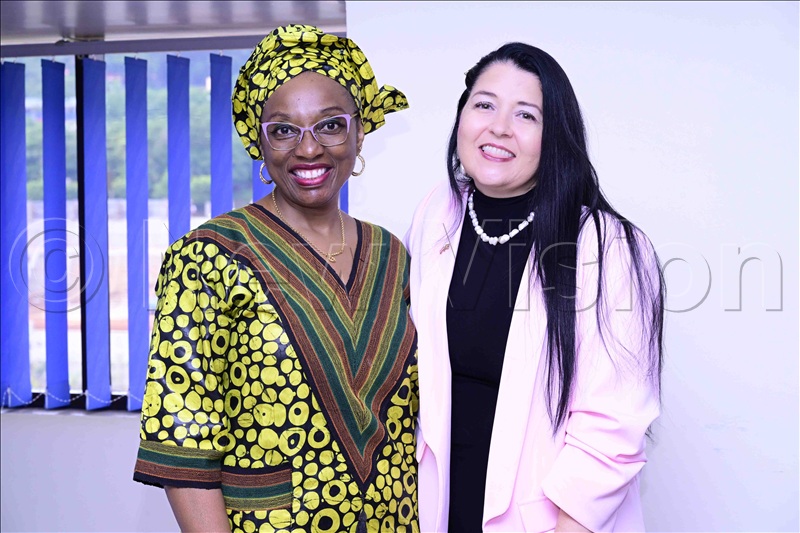
Dr. Katja Kerschbaumer (R), the head of the Austrian Embassy in Kampala, with one of the guests at the event.
Commissioner Kafeero commended the Government for its role in settling conflicts in the East African region, adding that Uganda would not be at peace if her neighbours remained at war.
She said hosting over 1.95m refugees proved Uganda’s big contribution to peace in the region.
Dr. Katja regretted that despite being leaders, mediators, negotiators, community organisers and peacebuilders, women remained significantly underrepresented in leadership positions, mediation efforts and formal peace negotiations around the world.
She said that as Austria prepares to assume its role as a non-permanent member of the UN security council, it will continue to advocate for the protection of women and girls in situations of conflict and crisis and other critical activities
She, however, regretted that gender-based violence, which manifests in many forms, continued to affect many women and girls in Uganda. She called upon communities to change attitudes and social norms as well as to engage men and boys as partners.