
Kasolo reaffirms regional integration ties with Madagascar in his first assignment
On his first foreign assignment in a new docket, Kasolo, who represented President Yoweri Kaguta Museveni at the 66th Anniversary celebration of Madagascar's return to independence at Kianja Barea Stadium in Antananarivo, Madagascar, revealed Uganda’s commitment to the Island country.
Kasolo highlighted the strong bonds of friendship and cooperation between Uganda and Madagascar, emphasising their shared commitment to security cooperation and infrastructure development.
The acting Minister of State for Foreign Affairs (Regional Co-operation), Haruna Kasolo, has reaffirmed the country's commitment to regional integration, trade ties and diplomatic cooperation with Madagascar.
On his first foreign assignment in a new docket, Kasolo, who represented President Yoweri Kaguta Museveni at the 66th Anniversary celebration of Madagascar's return to independence at Kianja Barea Stadium in Antananarivo, Madagascar, revealed Uganda’s commitment to the Island country.
The President and Commander-in-Chief of the Madagascar Armed Forces, Col. Randrianirina Michaël, presided over the function, which saw a number of dignitaries from the rest of Africa and Europe.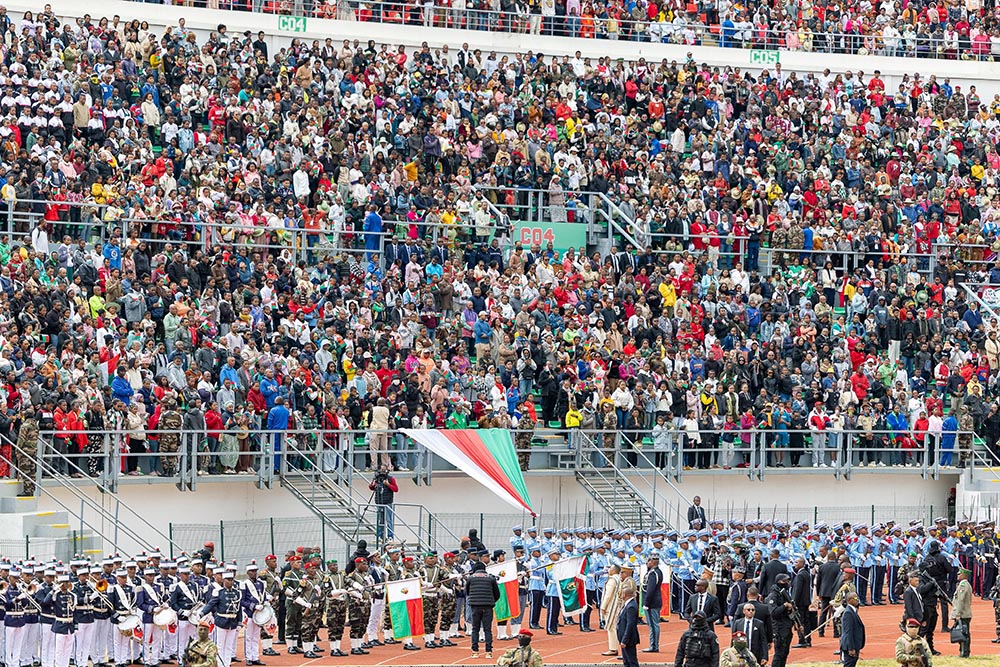
Huge crowds attending Madagascar's 66th Independence Day celebrations at Barea Stadium in Antananarivo onFriday June 26. (Courtesy Photos)
Leaders at the events included
"Today, I had the honour of representing President Museveni at the celebration. The occasion reaffirms the enduring bonds of friendship and cooperation between Uganda and Madagascar, while underscoring our shared commitment to regional integration, peace and sustainable development across Africa,” Kasolo said.
The celebration, he added, underscores Uganda's dedication to strengthening regional ties and promoting economic cooperation within Africa.
Madagascar, as a member of the Southern African Development Community (SADC), is playing a crucial role in advancing regional integration and sustainable development, which Kasolo wants Uganda to tap into in marketing agricultural, oil and gas products.
He extended warm congratulations to the Government and people of Madagascar on this significant national milestone, wishing them continued peace, unity, and prosperity.
Kasolo's entourage included Colonel (Retired) Fred Mwesigye, Uganda's High Commissioner to Tanzania, Malawi, and Zambia.
Dignitaries at the event included Kenyan President William Ruto and Comorian President Azali Assoumani.
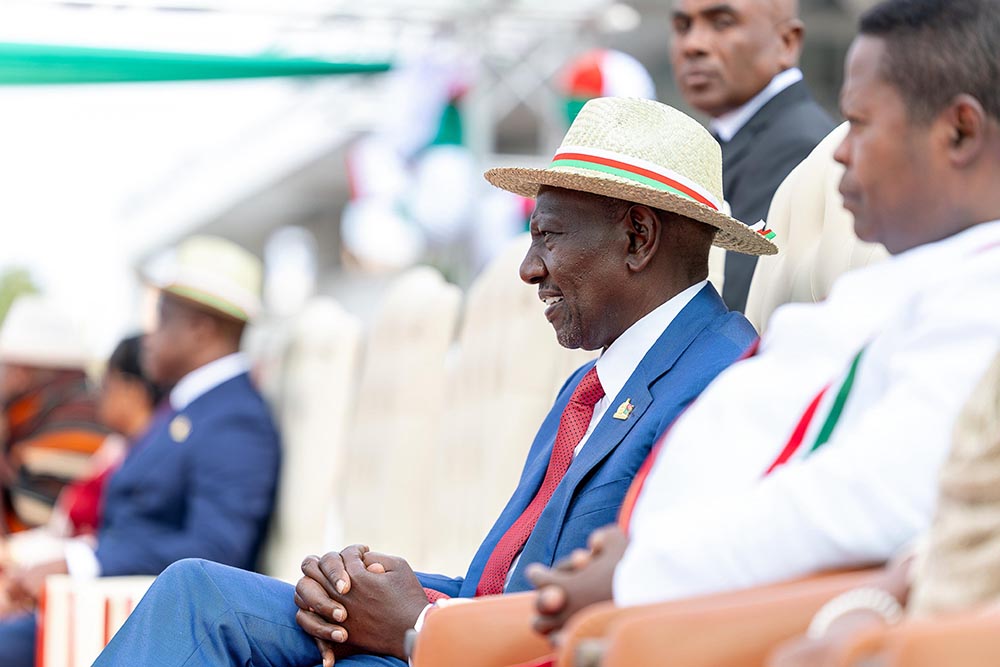
Kenya's William Ruto at Madagascar's 66th Independence Day celebrations at Barea Stadium in Antananarivo. (Courtesy Photo)
Until the late 18th century, the island of Madagascar was ruled by a fragmented assortment of shifting sociopolitical alliances. Beginning in the early 19th century, most of it was united and ruled as the Kingdom of Madagascar by a series of Merina nobles.
The monarchy was ended in 1897 by France's annexation of Madagascar, from which the country gained independence in 1960.
Madagascar is classified as a least-developed country by the United Nations (UN), but invests highly in ecotourism and agriculture, education, health and private enterprise, which are key elements of its development strategy that Uganda can tap into.
According to the Bank of Uganda Statistics 2026, Uganda has a systemic trade deficit as a result of the country’s dependence on fuel imports. Uganda is a net exporter of agricultural products such as coffee, milk and cotton, with Kenya its main trade partner. Other key partners include the UAE and South Africa.
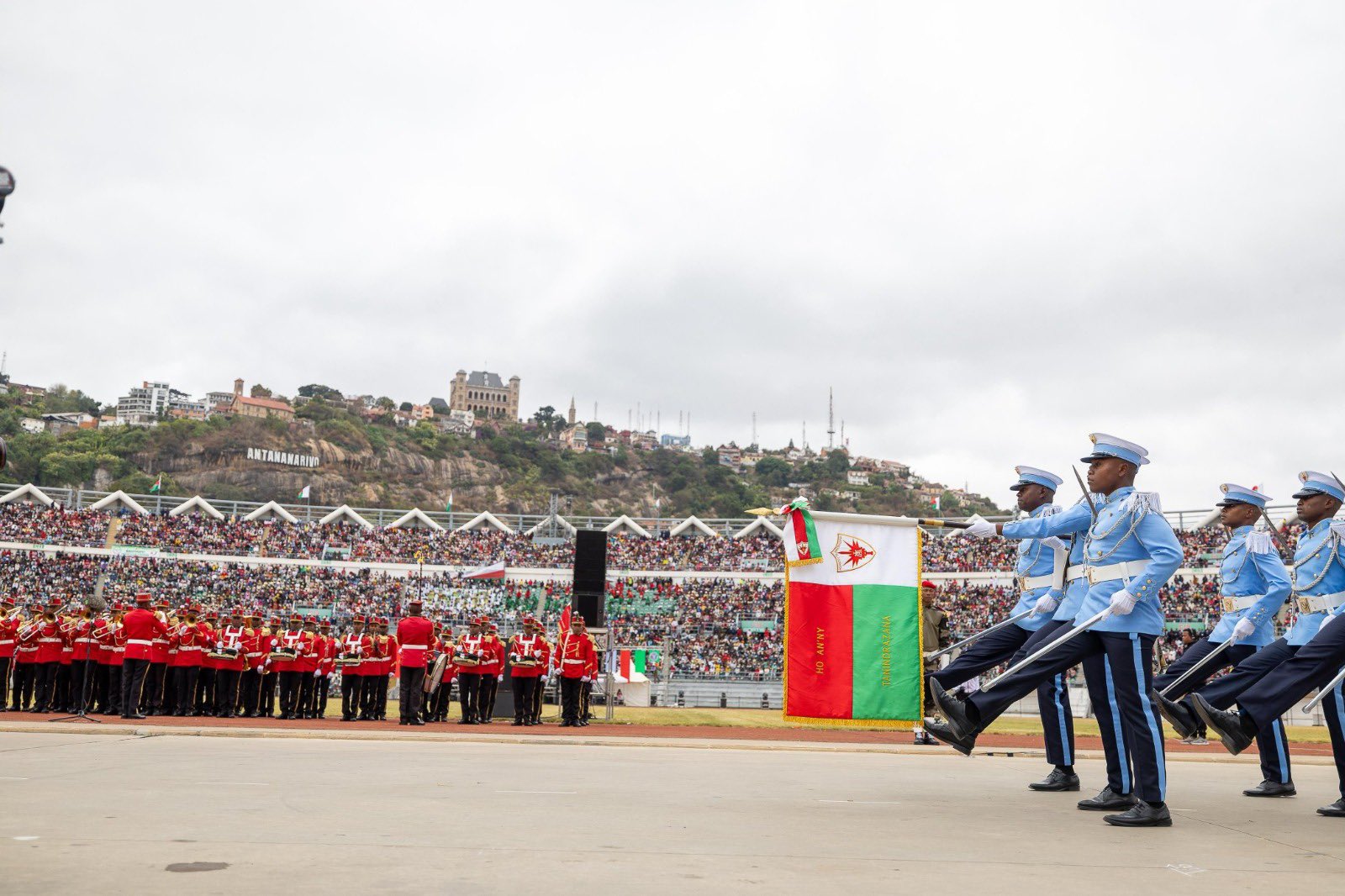
Madagascar Independence parade in Antananarivo on June 26th.
Uganda recorded a trade deficit of $162.5m within the East African Community (EAC), with exports totaling $631m and imports reaching $793.5m. This marks a significant deterioration from the previous quarter when the deficit stood at $134.5m.
Uganda’s largest trade deficit was with Tanzania, where exports totaled $54.3m, while imports were significantly higher at $551.3m (mainly composed of gold), resulting in a trade deficit of $497.0m.
However, Uganda maintained strong trade surpluses with the Democratic Republic of Congo (D.R.C.) at $210.7m and South Sudan at $104.4m.