
Kampala traders hail KCCA move to reclaim city pavements
“We now appreciate KCCA for coming up with the move to relocate the vendors and hawkers," said Dr Thadeus Musoke Nagenda, the national chairman of the National Entrepreneurs and Traders Association (NETA)-Uganda.
The business community advised KCCA to address bribery and corruption among enforcement officers to ensure transparent and fair enforcement of trade regulations. (Photos by Eria Luyimbazi & Ponsiano Nsimbi)
_______________
As enforcement teams from the Kampala Capital City Authority (KCCA) continue to clear street vendors from Kampala’s streets and pavements, the city’s formal business community has expressed support for the initiative, describing it as a long-overdue effort to address years of congestion and commercial disorder that have undermined legitimate businesses.
Supported by police and other security personnel, KCCA began executing the clearance operation overnight on February 20, 2026, removing makeshift stalls and structures from major thoroughfares in the Central Business District as part of efforts to, among others, improve sanitation and restore trade order in Kampala.
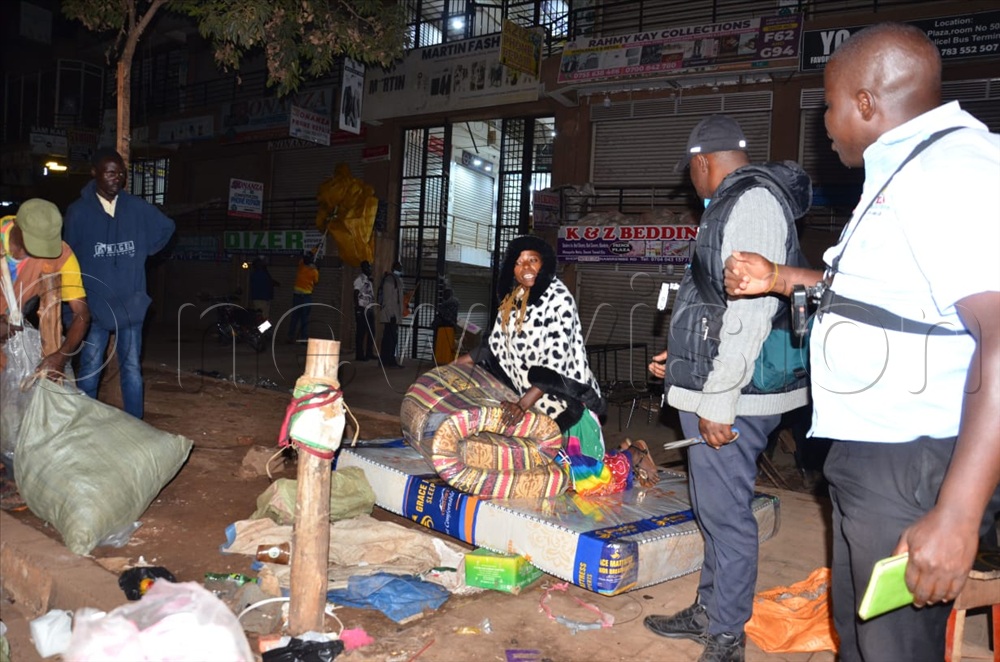
“We have been patient with KCCA and have suffered heavy business losses due to the current trade disorder,” Harriet Namatovu, who operates a business on Namirembe Road, lamented.
“We now appreciate KCCA for coming up with the move to relocate the vendors and hawkers," said Dr Thadeus Musoke Nagenda, the national chairman of the National Entrepreneurs and Traders Association (NETA)-Uganda.
“We note with concern that KCCA enforcement officers have been soliciting bribes from vendors, compromising the enforcement process and undermining fair trade practices,” he claimed.
Nagenda advised street vendors to take up the available stalls in gazetted public markets, which offer a safe and structured trading environment.
“We also encourage vendors to explore the opportunities presented by e-commerce and digital platforms, such as E-shops, to expand their customer reach and increase sales,” he said.
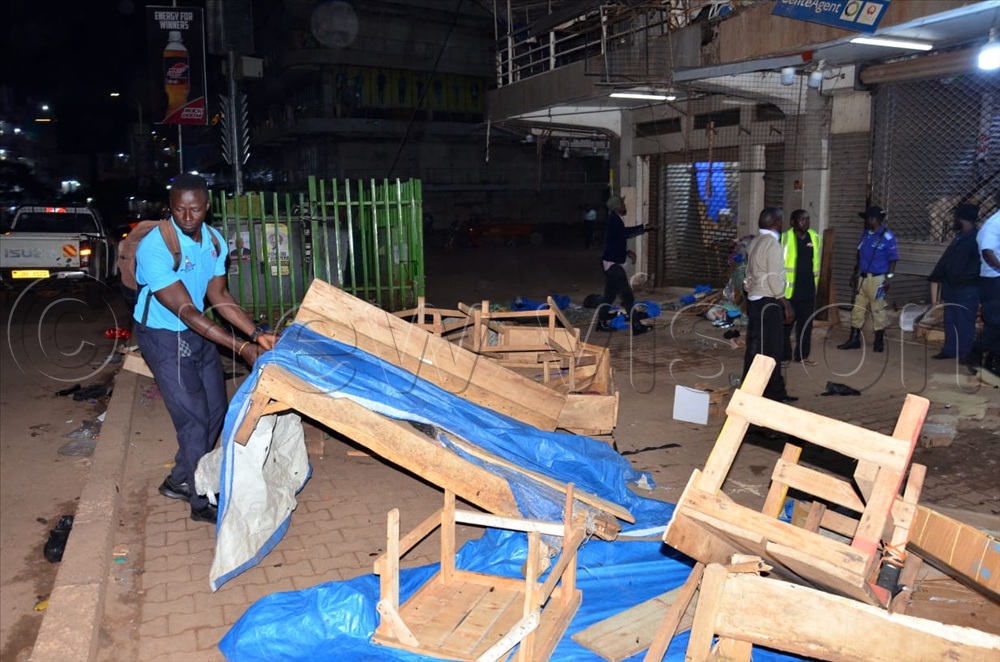
Nagenda pledged support for the process of restoring trade order in the Central Business District, aligning with efforts to create a conducive business environment.
“We are open to working with street vendors to explore innovative approaches to formal trading, providing support and guidance to help them transition to formal trading spaces,” he noted.
He added that with the right support and infrastructure, vendors can thrive and contribute to the country's economic growth.
He condemned the connivance of some enforcement officers who allocate spaces to certain vendors for personal benefit, contributing to the failure of the relocation process and disrupting fair trade practices.
“We urge KCCA to work hand-in-hand with security agencies to ensure a smooth and non-violent operation to vacate street vendors off the streets of Kampala. This will not only ensure the safety of vendors and traders but also minimise disruptions to business operations. We believe that a well-coordinated approach will yield better results and create a more orderly trading environment.”

The business community advised KCCA to address bribery and corruption among enforcement officers to ensure transparent and fair enforcement of trade regulations.
The chairman of Kampala City Traders Association (KACITA), Issa Ssekito, said the move was long overdue, adding that during the time vendors have been operating on the streets, shop owners have faced losses despite paying rent, revenue and trade licence fees to KCCA.
He said that by restoring trade order in the city, they are protecting the interests of legitimate traders and businesses.
“Engage with trader associations like NETA-Uganda, Federation of Uganda Traders Associations (FUTA), Uganda National Traders Alliance (UNATA), KACITA to develop inclusive policies that support business growth and economic development,” he said.
Jimmy Kawuma, chairperson of the Busega Market Vendors, said, “We appreciate KCCA for relocating vendors from the streets to a more organised and hygienic facility. The market has enough space to accommodate the vendors off the streets of Kampala city, Kawuma said.”
Following the ultimatum by KCCA, vendors in Kalerwe and other markets, including chicken sellers, butchers and food vendors, were forced to vacate streets, roadsides and drainage channels.
Under the Kampala Capital City Act of 2010, the Trade Licensing Act and the Local Governments Kampala City Council Maintenance of Law and Order Ordinance of 2006, traders are required to operate within designated areas and hold valid licences.