Chief justice calls for mediator mindset among judicial officers
“As judicial officers, you must have a mediator mindset. I call you upon to screen cases at the filing stage to identify those suitable for early diversion to mediation,” Zeija said.
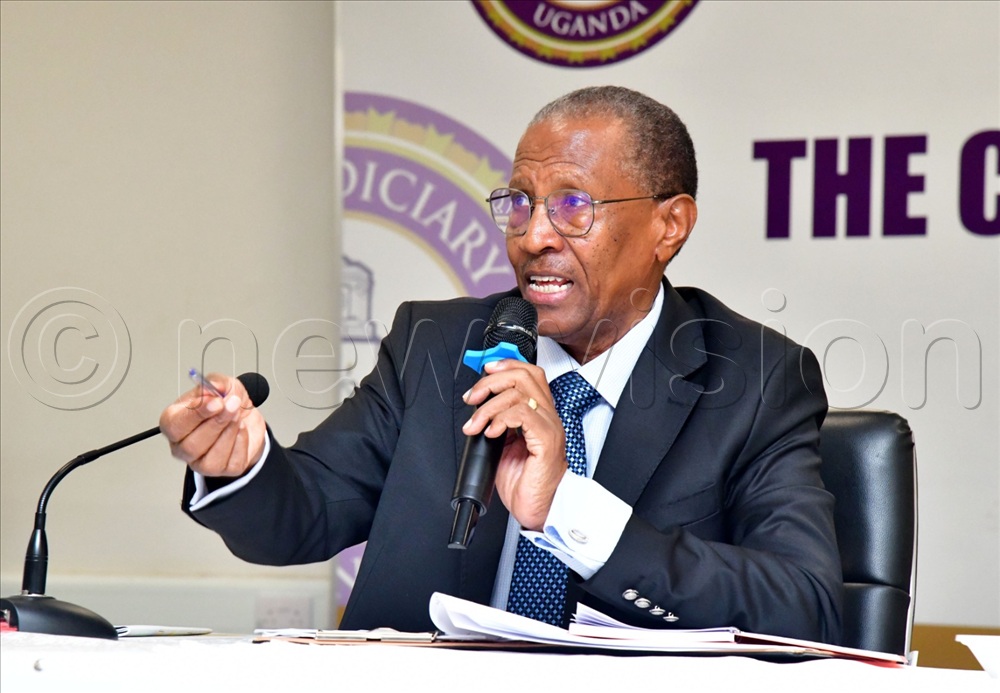
Chief Justice, Dr Flavian Zeija speaking during the two-day training for judicial officers from western Uganda on the civil trial procedure and the importance of mediation in resolving disputes at the Court of Appeal conference hall in Kampala on Wednesday June 24, 2026. (Photos by Mpalanyi Ssentongo)
________________
The Chief Justice, Dr Flavian Zeija, has called upon judicial officers to develop a mediator mindset as the judiciary intensifies its nationwide push for Alternative Dispute Resolution (ADR) and Alternative Justice Systems (AJS) as a strategic response to persistent case backlog and shortages in judicial staffing.
Zeija made the appeal while opening the two-day training for judicial officers from western Uganda on the civil trial procedure and the importance of mediation in resolving disputes at the Court of Appeal conference hall in Kampala on Wednesday June 24, 2026.
Zeija appealed to the judicial officers to encourage the litigants to reach a settlement before fixing hearing dates for their cases.
Some of the Judicial officers attending the training.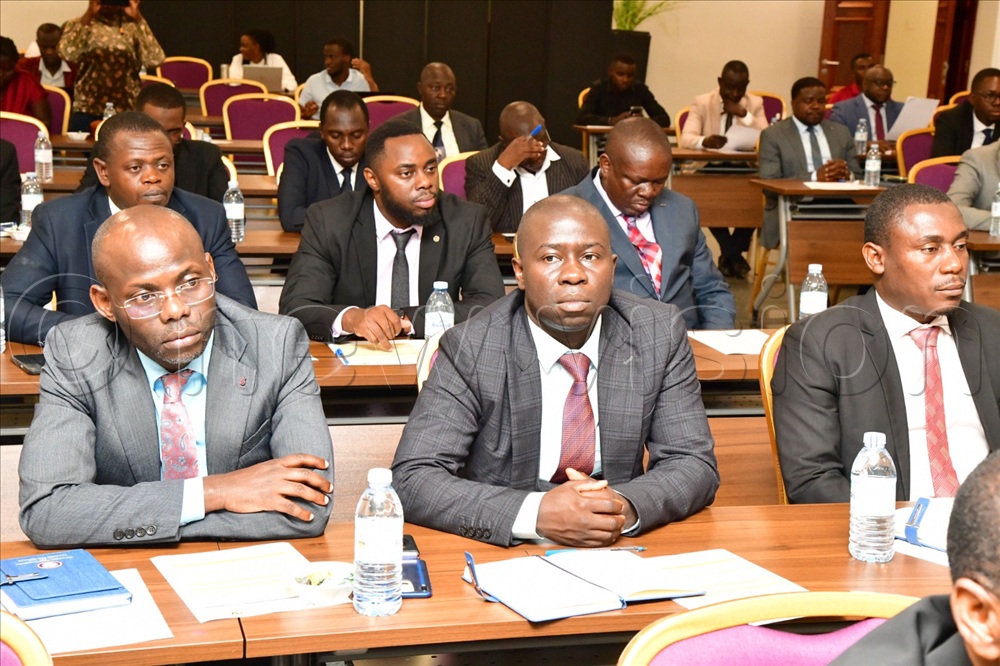
According to Zeija, this will not only help the judiciary resolve case backlog; it will also empower the parties to be actively involved in the administration of justice.
“As judicial officers, you must have a mediator mindset. I call you upon to screen cases at the filing stage to identify those suitable for early diversion to mediation,” Zeija said.
The chief justice urged judicial officers to emphasise to litigants and their lawyers about the advantages of settling cases through mediation before fixing hearing dates.
“If a case survives the 28-day summons period, the scheduling conference remains a critical juncture where judicial officers must actively encourage parties to reach a settlement before fixing a hearing date,” Zeija noted.
He noted that the 2019 Civil Procedure (Amendment) Rules empower judicial officers to understand the case before trial begins so that they can determine which case is suitable for ADR or AJS.
“The primary objective of the Civil Procedure (Amendment) Rules, 2019, is to simplify and expedite court proceedings. We must move away from the old unfortunate standard where cases could linger for years. Our collective goal now must be to maximise judicial time and ensure that every step in a suit—from filing to final disposal—serves the end of substantive justice rather than procedural technicalities,” Zeija said.
Encouraging judicial officers to embrace mediation, the chief justice noted, will eradicate the ghost of case backlog that has haunted the judiciary for too long and eroded public trust in the administration of justice.
Zeija appealed to judicial officers to minimise adjournments by implementing day-to-day hearings to avoid unnecessary delays. “Discretion for adjournments is not a license for delay,” he said.
Although the new mediation rules allow payment for failed mediation, the chief justice said payment should be for a mediation where there was an honest attempt to mediate.
“A mediation that was a nonstarter, or where no mediation sessions were conducted, is not a failed mediation. I have been notified of a growing trend where a number of cases are cause-listed for mediation, and payment is requested for all cases cause-listed regardless of whether mediation was conducted or not. Going forward, there must be no payment for mediation without a properly filed mediation report,” Zeija said.
He explained that the report must include the number of sessions conducted, when and where they were conducted, the time taken in each session and an attendance register signed by the parties or their representatives in addition to stating the reasons for the failure of the mediation.
“In courts with Electronic Court Case Management Information System (ECCMIS), all mediation sessions and attendances must be uploaded to the platform on the day the session is conducted. We owe a duty to account for and properly use the resources allocated,” he said.
Deputy chief justice emeritus Richard Buteera encouraged judicial officers to embrace mediation, saying it is a game changer for the judiciary.
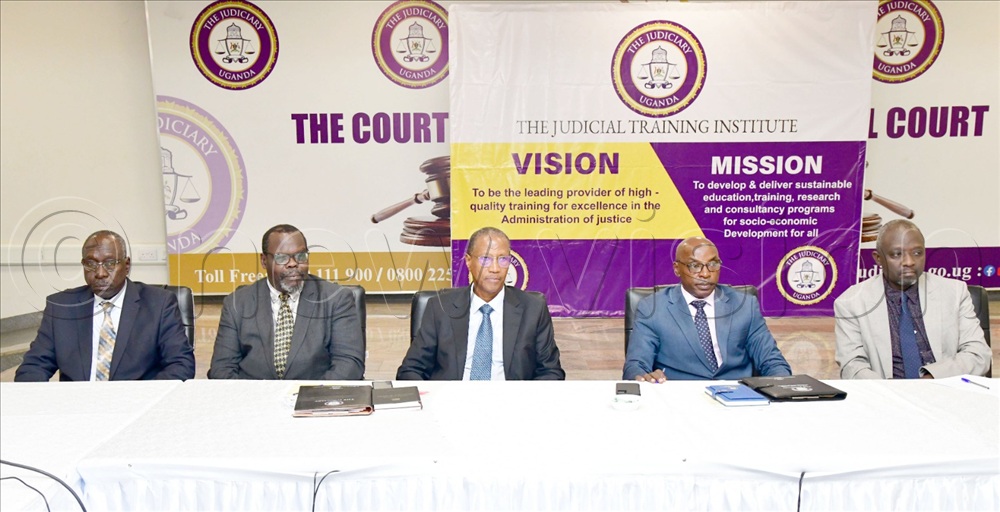
Prof. Andrew Khaukha, the executive director of the judicial training institute said the training was aimed at building the capacity of the judicial officers to better serve the justice seekers.
Deputy Chief Justice emeritus Richard Buteera