
Barugahara directs boda boda stage leaders to stop collecting fees
“From today onwards, report any individual who asks you to pay stage fees. Where possible, arrest them and take them to the police because it is criminal,” Barugahara told the gathering.
Local government minister Balaam Barugahara, speaking to people in Sheema District. (Photos by Lawrence Mulondo)
________________
Boda boda riders across Uganda could soon be freed from what they describe as exploitative charges imposed by stage leaders, following a government directive banning individuals from collecting stage fees.
Local government minister Balaam Barugahara has directed boda boda riders to stop paying money to stage chairpersons and other individuals who demand fees in exchange for permission to operate, describing the practice as illegal and unauthorised by the government.
Barugahara issued the directive on November 7, 2026, during the government's anti-corruption campaign, dubbed Expose the Corrupt, in Sheema district, following complaints from riders in several districts and cities he has visited.
The complaints centred on stage leaders allegedly collecting irregular amounts ranging from sh500,000 to sh5m from individual riders, claiming the money was required for stage registration, permits and permission to operate in particular areas.
However, riders said the money was rarely accounted for, raising questions about who regulates the collections and how the funds are used.
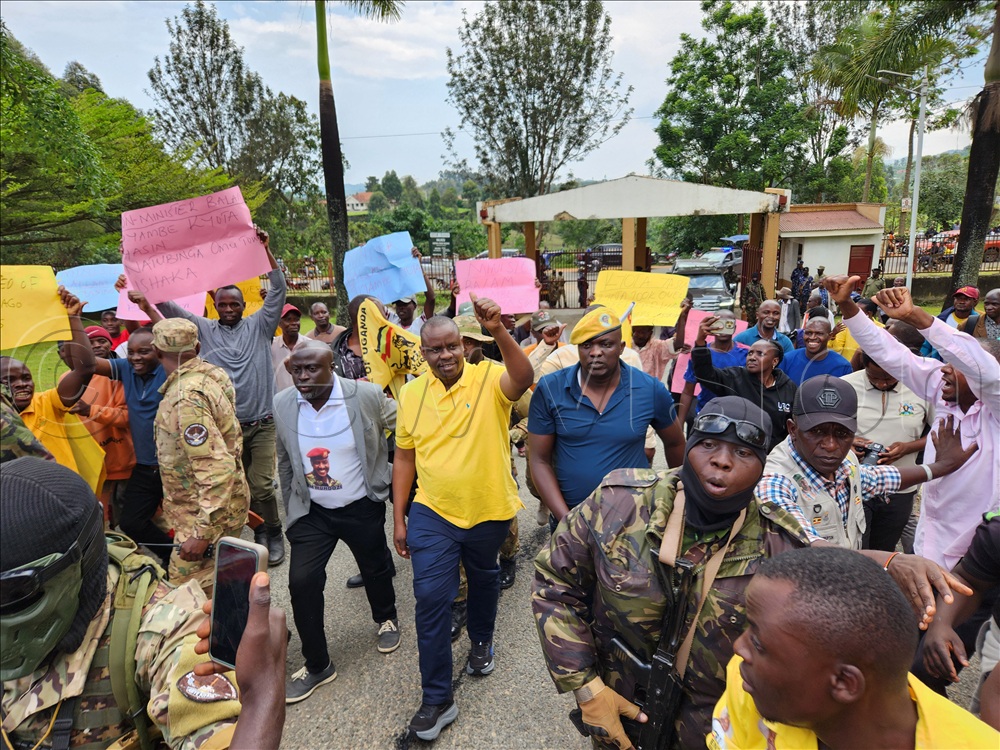
“From today onwards, report any individual who asks you to pay stage fees. Where possible, arrest them and take them to the police because it is criminal,” Barugahara told the gathering, drawing cheers and excitement from riders who had attended the rally on their motorcycles.
“From today onwards, the stages are free, and they belong to town councils or districts,” he added.
Local governments to take charge
Barugahara said town councils, subcounties, divisions and district councils would be required to meet and determine manageable annual licensing fees for boda boda operators.
He gave an example of a local government setting an annual fee of sh120,000 per rider, equivalent to sh10,000 a month, with the money deposited directly into the respective local government's bank account.
Riders would then present bank payment slips to the relevant authorities to obtain operating permits, creating a formal record of collections and making it easier to monitor public revenue.
According to the minister, the money collected through this arrangement would support service delivery, including the construction of seed secondary schools, procurement of medicines and maintenance of roads.
He argued that the proposed system would ensure that money collected from boda boda operators benefits the communities in which they work rather than individuals.
“The President wants all of you to work and have money. Government cannot look on as individuals exploit you,” he said.
However, the proposed arrangement raises questions about how local governments will harmonise licensing charges across the country to prevent arbitrary fees and ensure that riders are not subjected to multiple payments to different authorities.
Riders welcome directive
The minister also encouraged boda boda operators to form savings and credit cooperative organisations (SACCOs) to mobilise savings, access affordable loans and benefit from government programmes.
He said stage chairpersons should concentrate on development initiatives, including organising riders into SACCOs and managing their savings, rather than collecting unauthorised operating fees.
Barugahara called on mayors, district chairpersons, chief administrative officers and town clerks to ensure the directive is implemented.
The announcement was welcomed by riders in Sheema, who said stage leaders had allegedly used their positions to intimidate operators who failed to pay the demanded fees.
Benson Niwamanya, a boda boda rider in Sheema Municipality, said some stage chairpersons branded riders who had not paid the fees as illegal operators and prevented them from carrying passengers.
“In some cases, chairpersons and their committee members would confiscate riders' motorcycles, claiming they were operating illegally because they had not paid stage fees. Sometimes they would even arrest riders,” he said.
Another rider, Meddie Kamukama, welcomed the directive, saying it would give young people greater confidence to work, save and invest in their future.
“With this directive, I have known that the government cares about us and our development,” he said.
While the directive offers relief to riders who have complained about excessive charges, its success will depend on enforcement, transparency in local government collections and clear guidelines on licensing.