
Alupo in Kremlin to discuss Ugandans recruited into Russian army
Deputy Speaker of Parliament Thomas Tayebwa said the matter was being handled at the highest level of government following confirmation by Uganda’s Embassy in Moscow that 14 Ugandans recruited into the Russian army had died, while 16 others were missing and presumed dead in the Russia-Ukraine war.
Vice President Jessica Alupo speaking during the International Women in Finance Forum in Russia, on October 27th 2026. ( Credit: Hajarah Nalwadda)
Vice-President Jessica Alupo is in Russia, where she is expected to discuss, among other things, the fate of Ugandans recruited into the Russian army, Parliament has been told.
Deputy Speaker of Parliament Thomas Tayebwa said the matter was being handled at the highest level of government following confirmation by Uganda’s Embassy in Moscow that 14 Ugandans recruited into the Russian army had died, while 16 others were missing and presumed dead in the Russia-Ukraine war.
Tayebwa made the remarks after Leader of Opposition Joel Ssenyonyi demanded an update from the Government on the fate of Ugandans recruited into the Russian military and when the bodies of those confirmed dead would be repatriated for burial.
“As we talk, the Vice President is in Russia, and I hope this is one of the issues that is going to be discussed at that level,” Tayebwa told Parliament.
Tayebwa told MPs that since the matter was raised in the House, he had followed up with the relevant ministers and spoken with Uganda’s Deputy Ambassador to Russia, MP Patrick Katabazi Kiconco, who first raised the matter in Parliament, and the Ugandan Ambassador to Germany, who also covers Ukraine.
Tayebwa said he had also spoken to the co-ordinator representing families of Ugandans believed to be stranded in Russia, adding that the group was well organised and the Government was in contact with its representatives.
“This is a matter where we see with feedback, and it is being handled at the highest level of government,” he said.
Let government do its work
However, Tayebwa appealed to MPs to allow the government to handle the matter through diplomatic channels, warning that public discussions could sometimes complicate efforts to assist affected Ugandans and their families.
“We were requested to allow the Government to handle this matter,” he said, adding that the Russian and Ugandan governments had agreed to work together to resolve the issues.
Tayebwa asked families seeking information about their relatives to contact MP Katabazi Kiconco, the Ministry of Foreign Affairs or the Office of the Deputy Speaker for assistance.
The development follows a letter dated October 17, 2026, from Uganda’s Ambassador to Russia, Moses Kizige, confirming that 14 Ugandans recruited into the Russian army had died.
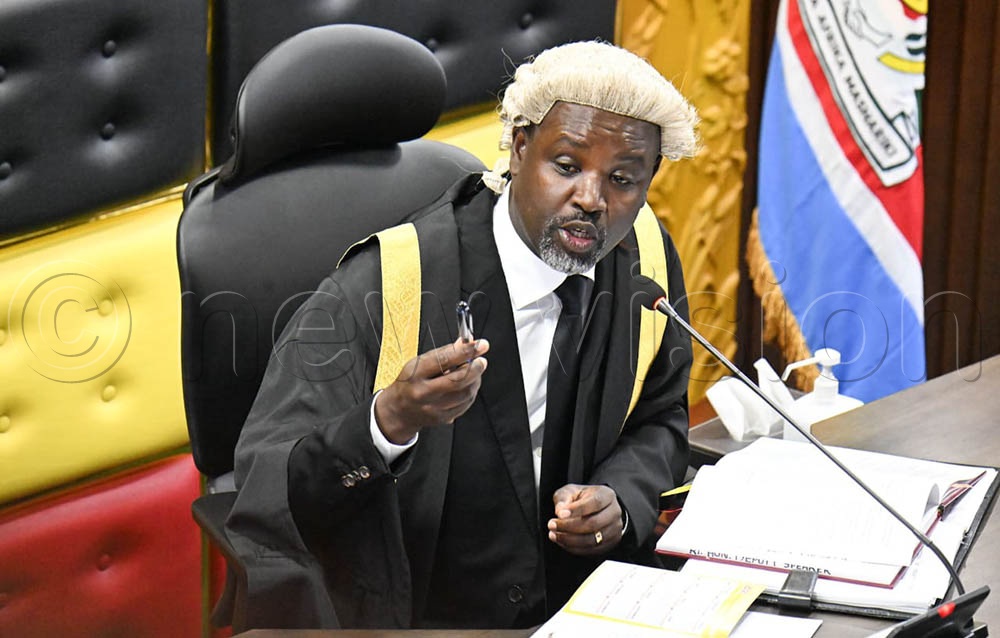
Tayebwa asked families seeking information about their relatives to contact MP Katabazi Kiconco, the Ministry of Foreign Affairs or the Office of the Deputy Speaker for assistance.
Several Ugandans dead
According to the ambassador, information supplied by the Russian government showed that 14 Ugandans had been confirmed dead, while 16 others were effectively dead, although their bodies could not be located.
The missing Ugandans were also not known to be prisoners of war, according to the embassy.
The ambassador said only five Ugandans were still serving in the Russian army and would be discharged when their contracts expired. Another Ugandan, Robert Tumwebaze, had reportedly been dismissed.
Kizige said the embassy had requested information from the Russian government on August 19 regarding Ugandans whose passport details had been received. Russia responded on October 8, providing information on their status.
The ambassador asked Uganda’s Ministry of Foreign Affairs to contact the families of the deceased so it could process their benefits.
He also urged families seeking to trace relatives believed to be in Russia to submit their passport details to the Ugandan embassy in Moscow.
Comprehensive statement demanded
Last week, when Katabazi presented the matter, Parliament directed the Prime Minister to present a comprehensive statement explaining how Ugandans ended up serving in the Russian military
Katabazi informed the House, then chaired by Speaker of Parliament Jacob Oboth. He demanded for an explanation regarding 121 Ugandans reportedly recruited into the Russian army, some of whom are said to have been promised civilian employment before being drawn into military service.
Katabazi presented information on Ugandans reportedly killed on the Russia-Ukraine frontline, prisoners of war held in Ukraine and others receiving treatment in Russian hospitals.
The legislator tabled a list of 48 Ugandans he said had reportedly been killed but whose deaths were yet to be verified, three prisoners of war and seven Ugandans receiving treatment in Russian hospitals.
He also submitted documents containing details of the affected Ugandans, including their next of kin, to help government establish their whereabouts and circumstances.
Among the cases presented to Parliament was that of Richard Akantorana, a 43-year-old father of two from Rukiga District, who reportedly travelled to Russia after being promised a well-paying civilian job.
According to the account presented to Parliament, Akantorana had worked as a supermarket cleaner and boda boda rider before allegedly borrowing money and selling some of his property to finance his journey to Russia.
He was reportedly taken to Balashikha, where he was allegedly forced to sign a military contract before being deployed to the frontline in Ukraine. He is said to have escaped from a bunker and surrendered to Ukrainian troops, becoming a prisoner of war.
The case has intensified concerns about the recruitment of Ugandans for overseas employment and the circumstances under which some allegedly end up in active combat.
During the debate, Oboth said the Government had a responsibility to account for Ugandans regardless of how they travelled abroad or the circumstances under which they found themselves serving in a foreign military.
“No single country in the world would be happy to hear that any of its citizens is undergoing what is happening,” Oboth said, calling on government to establish the whereabouts of the affected Ugandans and provide answers to their families.
Second Deputy Prime Minister Dr Crispus Kiyonga had also undertaken to present a statement to Parliament on the matter but had not done so by the time of the latest parliamentary discussions.
The immediate concerns include establishing the fate of those reported missing, verifying the circumstances surrounding the deaths, securing assistance for survivors and prisoners of war, and determining when the remains of confirmed victims can be returned to Uganda.