
Uganda’s bone marrow transplant centre to cure sickle cell disease, cancers
"There are patients co-infected with HIV and sickle cell disease, and using bone marrow transplants, these two conditions may be cured as a proof of concept. You can get sickle cell disease and HIV cured using gene therapy, and research is going on," Kityo adds.
IR president Francesco Arezzo accompanied by his wife Ann Maria Arrezzo welcomed at Joint Clinical Research Center (JCRC) premises. (Credit: Simon Peter Tumwine)
Uganda’s first bone marrow transplant facility is expected to cater to all kinds of conditions that require a bone marrow transplant, experts have said.
The Joint Clinical Research Centre's executive director, Dr Cissy Kityo Mutuluuza, says bone marrow transplant is a known cure for several conditions, including blood cancers and sickle cell disease.
Uganda has a high burden of sickle cell disease, with more than 17,000 children born with the disease every year, and up to 80% die before the age of 5 years.
Kityo says there are nine patients in the world who have been cured of HIV using bone marrow transplants. They had HIV and blood leukemia, so they used donors who had cells that were resistant to HIV.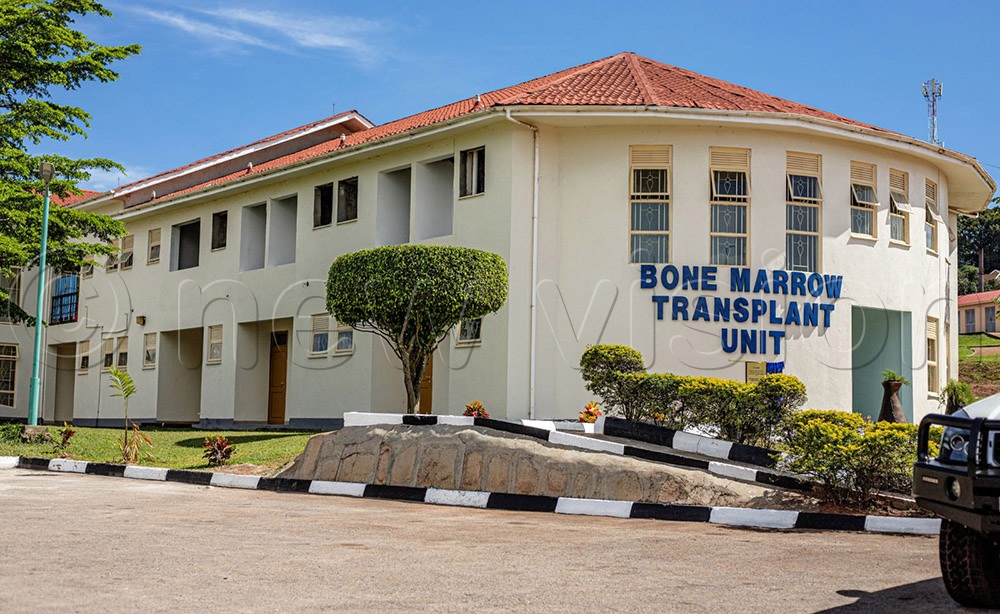
Bone Marrow Transplant Unit.
Gene therapy
She further noted that since bone marrow transplant is a complex procedure, it cannot be replicated easily.
A total of 1.4 million people are living with HIV in Uganda. As such, the urgency to explore other possibilities of curing HIV. JCRC is therefore also working with collaborators from high-income countries and building capacity locally to develop gene therapy, which could be more scalable to cure sickle cell disease, HIV, and cancers.
In this regard, once equipped, the bone marrow transplant centre will also come in handy for gene therapy research and development.
"There are patients co-infected with HIV and sickle cell disease, and using bone marrow transplants, these two conditions may be cured as a proof of concept. You can get sickle cell disease and HIV cured using gene therapy, and research is going on," Kityo adds.
She says there are over 32 gene therapy products now on the market in the US and Europe to cure genetic disorders, including sickle cell disease and cancers.
Gene therapy is the modification of our genetic material, which is called DNA, in order to either enhance the immune system so that it can attack or go to those cells where HIV is hiding in the DNA and remove those pieces where the DNA of the HIV has been embedded within our genetic material.
Therefore, gene-therapy works by attacking the HIV directly where it hides or it can strengthen the immune system to fight and kill the cells where HIV is hiding, she said.
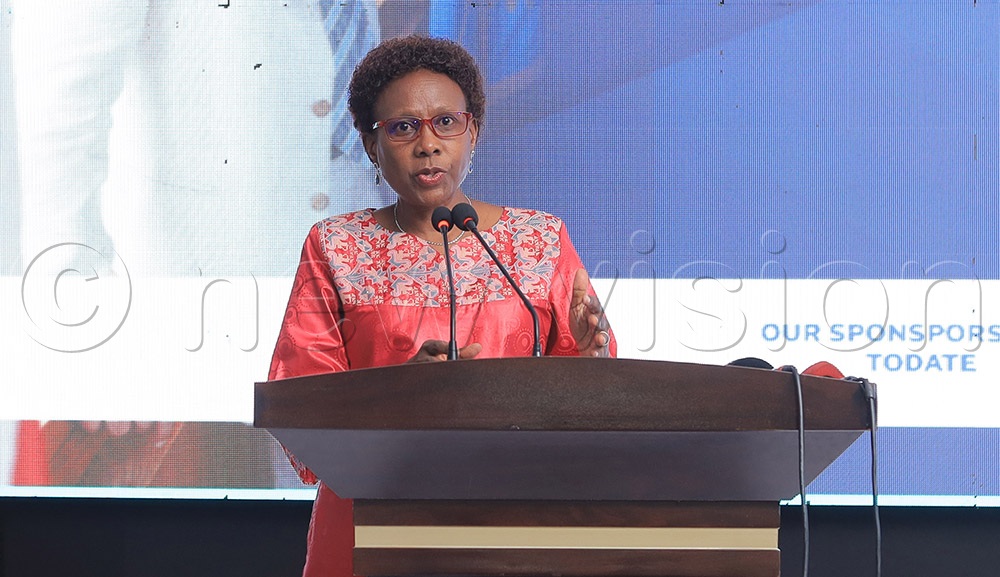
Health minister Jane Ruth Aceng
Gene therapy is the frontier of medicine today, and in the developed world, mainly the USA and Europe, a lot of work is ongoing.
Since 2017, over 32 gene therapy products have been developed and approved for use on the market to CURE cancer and genetic diseases such as sickle cell disease, and a lot of research is happening for infectious diseases such as HIV, COVID-19, and Hepatitis B.
Such treatment modalities tend to be costly when developed abroad. It is the reason JCRC is mobilising funds to the tune of US$ million to complete setting up the infrastructure locally to catalyse research and development at home, Dr. Kityo noted.
This was revealed when the Joint Clinical Research Centre (JCRC), in partnership with Rotary Clubs of Uganda and Pearl Bank Uganda, launched a national fundraising initiative to establish Uganda’s first Bone Marrow Transplant (BMT) Centre at the JCRC Lubowa campus on February 21st, 2026.
This initiative to collect a total of $4,000,000 (about shillings 14.3 billion) is being promoted by the Rotary Club of Kampala Springs.
Currently, JCRC has a unit for treating children with sickle cell anemia, where they also do red blood cell exchange for the children to enable them to have a close-to-normal life.
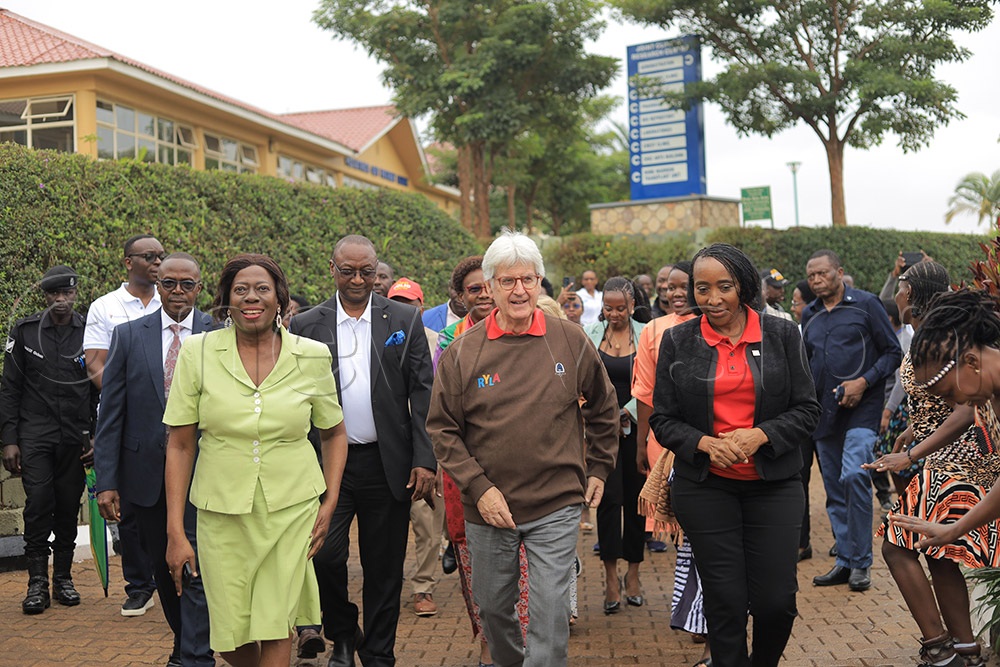
International Rotary president Francesco Arezzo touring Joint Clinical Research Center (JCRC) premises.
Disease burden
Sickle Cell Disease (SCD) remains a major public health challenge in Uganda: About 13.3% of Ugandans carry the sickle cell trait; about 0.7–0.8% of Uganda’s population lives with sickle cell disease.
Approximately 25,000 children are born with Sickle Cell Disease (SCD) in Uganda annually.
Notably, without comprehensive care, 70–80% of affected children die before the age of five.
Haematological cancers, including leukaemia and lymphoma, also pose a growing threat: These cancers account for 40–50% of childhood cancers treated at major referral hospitals.
Survival rates remain low due to late diagnosis and lack of advanced treatment options, including bone marrow transplantation.