
Uganda to cut cost of HIV and malaria testing with locally made kits
With Uganda using tens of millions of test kits annually, the shift is projected to save billions of shillings in foreign exchange while expanding access to timely diagnosis.
Government officials revealed that locally produced kits will cost about $0.60 (about sh1,500), less than half the price of imported ones estimated at $1.50 (sh5,000). (Credit: Mpalanyi Ssentongo)
KAMPALA - Uganda has unveiled locally manufactured diagnostic test kits for HIV, malaria and sickle cell disease, a move expected to significantly cut costs, reduce reliance on imports and strengthen the country’s health security.
At the centre of the breakthrough is affordability.
Government officials revealed that locally produced kits will cost about $0.60 (about sh1,500), less than half the price of imported ones estimated at $1.50 (sh5,000).
With Uganda using tens of millions of test kits annually, the shift is projected to save billions of shillings in foreign exchange while expanding access to timely diagnosis.
Speaking at the launch on Thursday, health ministry permanent secretary Dr Diana Atwine said the development marks a turning point in how Uganda responds to disease.
Beyond cost savings, local production is expected to improve access to essential diagnostics, create jobs for Ugandan scientists and ensure the country is better prepared for health emergencies.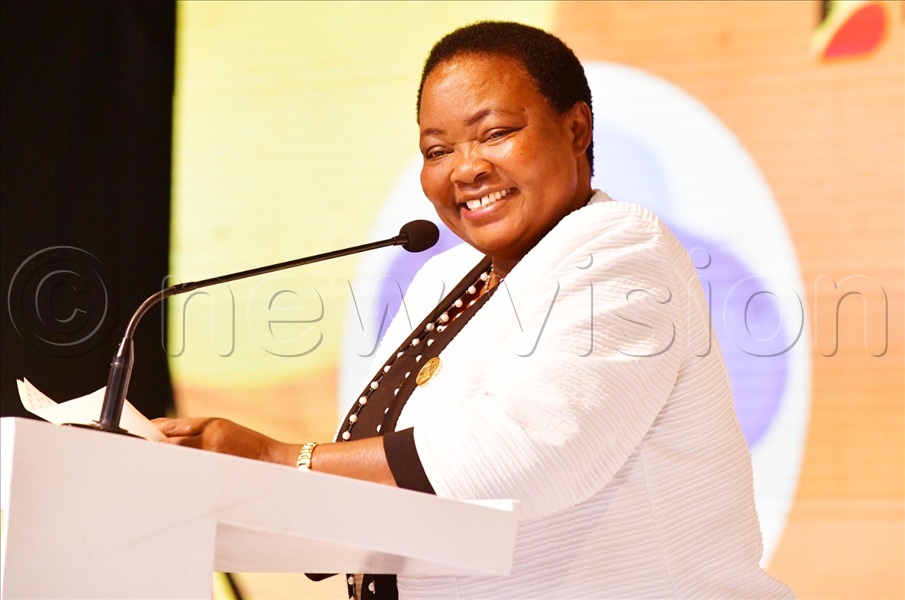
On her part, Prime Minister Robinah Nabbanja framed the milestone as part of a broader national shift. (Credit: Mpalanyi Ssentongo)
“This is about access to care, building technology at home and becoming self-sustaining as a country,” said Atwine.
'Saving time'
For years, Uganda has relied heavily on imported medical supplies, a dependence that was sharply exposed during the COVID-19 pandemic when global supply chains broke down.
Delays and shortages underscored the risks of relying on external sources for critical health commodities.
Health minister Dr Ruth Jane Aceng said the new development is a direct response to those lessons.
“When we produce our own diagnostic tools, we are not just saving money; we are saving time, and in healthcare, time can be the difference between controlling an outbreak and facing a crisis,” she said.
The minister described the launch as a practical implementation of the Buy Uganda, Build Uganda (BUBU) policy, noting that the kits are already being procured and distributed through the national system.
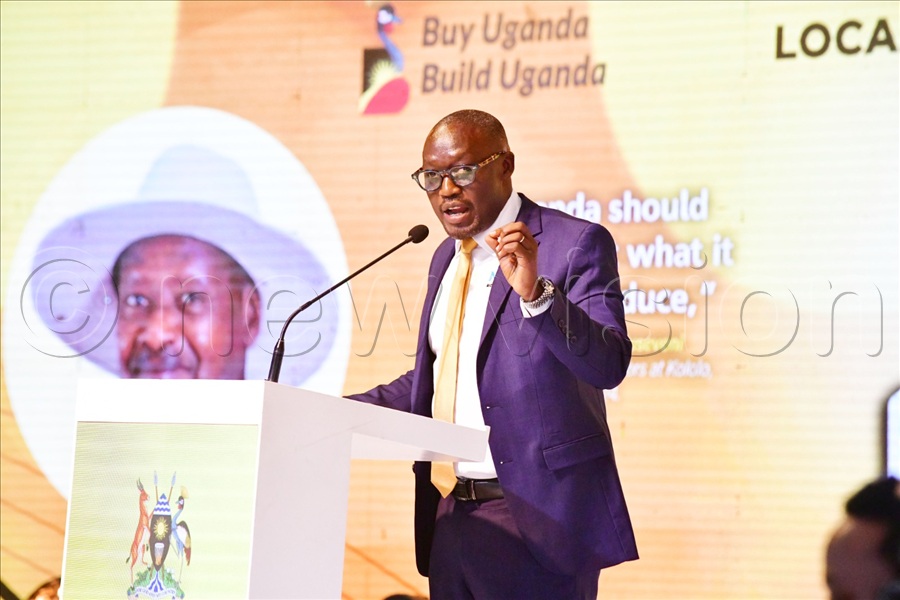
Dr. Cedric Akwesigye, founding director & CEO of Microhaem Scientifics (MHS) group of companies. (Credit: Mpalanyi Ssentongo)
She said the government will continue strengthening regulation to ensure all locally manufactured products meet international quality standards.
On her part, Prime Minister Robinah Nabbanja framed the milestone as part of a broader national shift.
“Today we are marking a turning point from importation to production, from vulnerability to resilience."
Nabbanja reiterated President Yoweri Kaguta Museveni’s long-standing directive that Uganda should prioritise local production and only import what it cannot manufacture.
The initiative is also seen as positioning Uganda to compete in regional markets, including the East African Community and the African Continental Free Trade Area, turning the country from a net importer into a potential exporter of medical diagnostics.
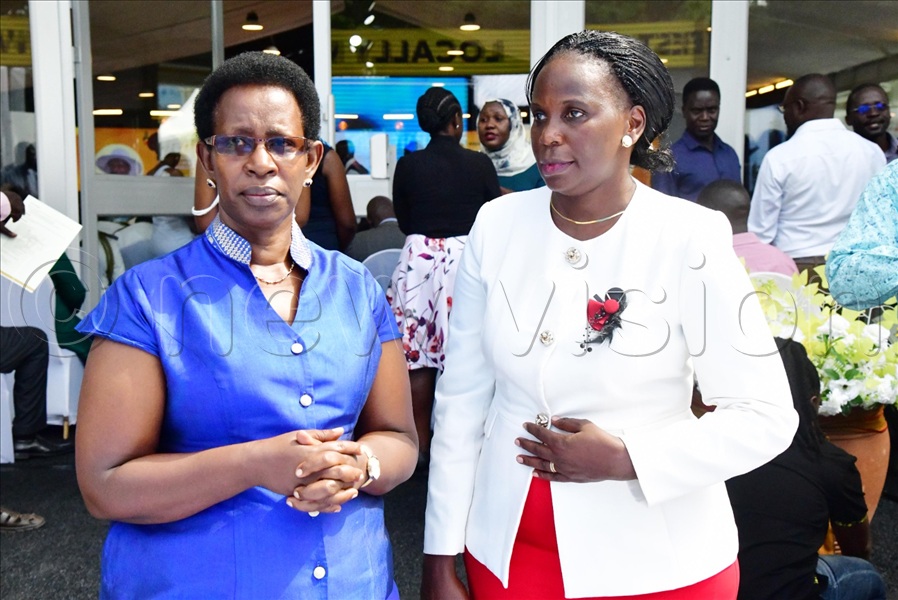
Speaking at the launch on Thursday, health ministry permanent secretary Dr Diana Atwine (R) said the development marks a turning point in how Uganda responds to disease. (Credit: Mpalanyi Ssentongo)
'Lead the way'
Microhaem Scientific founder Cedric Akwesigye emphasised the company’s long-term ambition to achieve full local production, including sourcing raw materials domestically after the plant was launched in 2023 by President Museveni.
He said that by 2030, Uganda should be capable of producing all diagnostic components in-country, reducing dependency on imported materials by up to 100 per cent.
“The quality of our kits has been certified locally and internationally, meaning we can sell anywhere in the world. We have the capacity to serve Uganda and the region,” he said.
“Our vision is for Africa to produce what it consumes and for our scientists and technicians to lead the way.”
Akwesigye said their kits are 100% efficient in terms of results, a reason why Ugandans should trust them, and it's why the government has already rolled them out in all facilities across the country.