
Planned lenacapavir rollout excites HIV risky populations
Named the “Breakthrough of the Year” by Science magazine in 2024, lenacapavir demonstrated 100% efficacy in reducing HIV infections in early study results.
Lenacapavir the superior medical innovation, was developed by the United States company Gilead Sciences with support from the US government.
BUVUUMA - James Kalemba, a resident of Buvuuma landing site in Buvuma district, could not hide his excitement after he was told that Uganda will receive multiple doses of lenacapavir, the twice-yearly injectable HIV prevention drug.
“I want to be among the first people to get the drug. I need to protect myself because many people on this island are infected with HIV,” Kalemba said and is quick to note that there is a lot of complacency regardless of the stubbornly high new HIV infections.
“Most people say HIV is no longer an issue, but those infected know their painful experience,” he noted.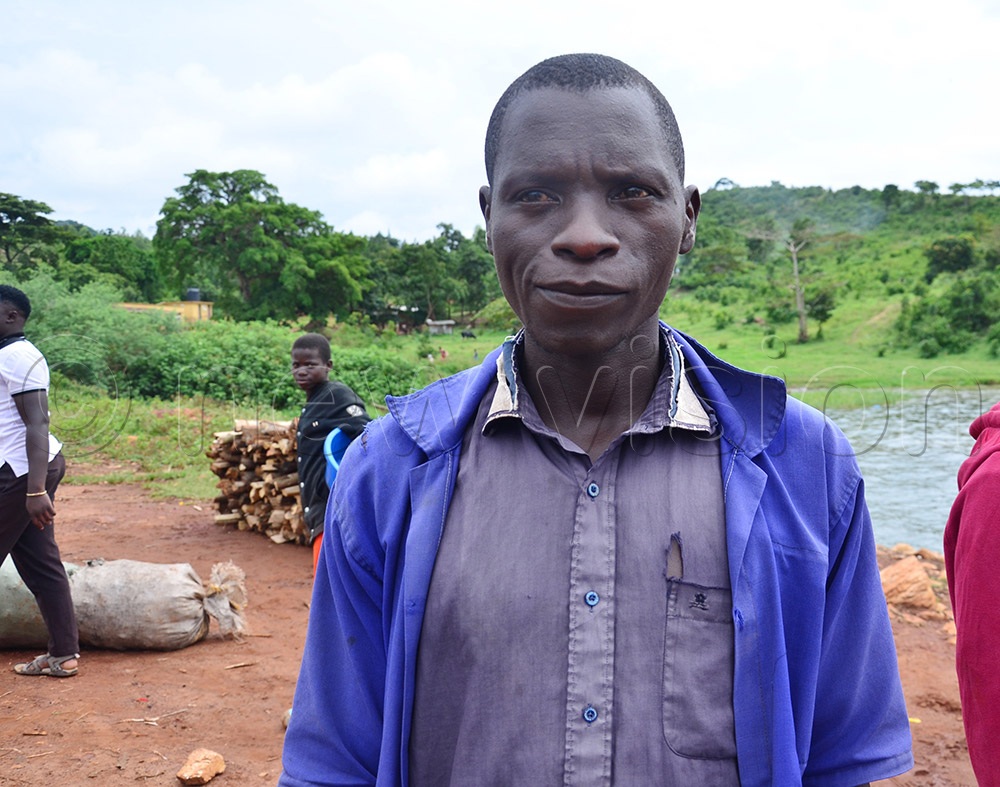
James Kalemba (Credit: Agnes Kyotalengerire)
Relatedly, Simon Mukama (not his real name), a resident of Kyenjojo district who is currently engaged in multiple sexual relationships, cannot wait to receive his first dose of lenacapavir.
In another interview, an 18-year-old student at Kyenjojo Secondary School, who preferred anonymity, is currently in a sexual relationship with a businessman.
She is open to embracing the superior injectable HIV prevention drug lenacapavir.
Kalemba and the teenage girl are among thousands of vulnerable people waiting to utilise the long-awaited HIV preventive injectable drug lenacapavir.
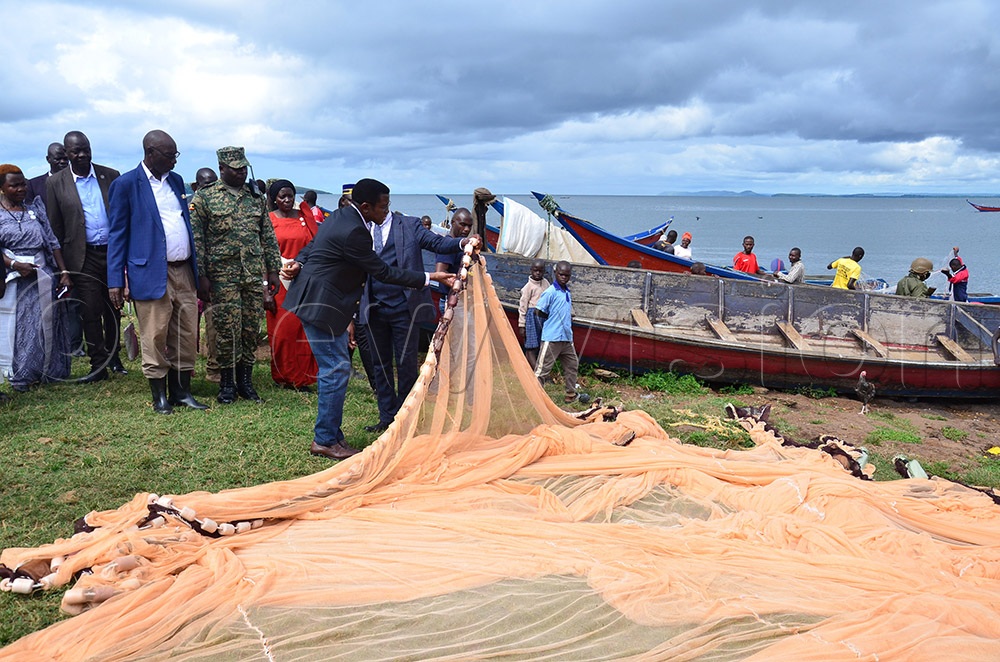
Katikkiro of Buganda Charles Peter Mayinga addressing fishers of Kasaali B landing site recently. Fishers are among the targeted risky population to first receive Lenacapavir. (Credit: Agnes Kyotalengerire)
Named the “Breakthrough of the Year” by Science magazine in 2024, lenacapavir demonstrated 100% efficacy in reducing HIV infections in early study results.
Lenacapavir the superior medical innovation, was developed by the United States company Gilead Sciences with support from the US government.
The lenacapavir campaign
Earlier this week, Kenya received 21,000 doses of lenacapavir for rollout in 15 counties.
Uganda is set to receive 94,560 doses of the long-acting HIV prevention injectable drug lenacapavir next week in a drive aimed at expanding the country’s HIV prevention options.
The twice-yearly injectable drug, already in transit, will be delivered to the Joint Medical Store and National Medical Stores. An official launch, during which the first injection will be administered, is scheduled for March.
Of the total consignment, 34,560 doses, enough to benefit 17,280 people, have been procured with financial support from the Global Fund. The US government has donated 60,000 doses, sufficient to cover 30,000 people for one year.
In total, 47,280 people in high-risk populations will receive the drug free of charge.
The priority groups include adolescent girls and young women aged 15-24, pregnant and breastfeeding mothers, female sex workers and their male clients. Other key populations include fishermen, long-distance truck drivers, and people in multiple sexual partnerships.
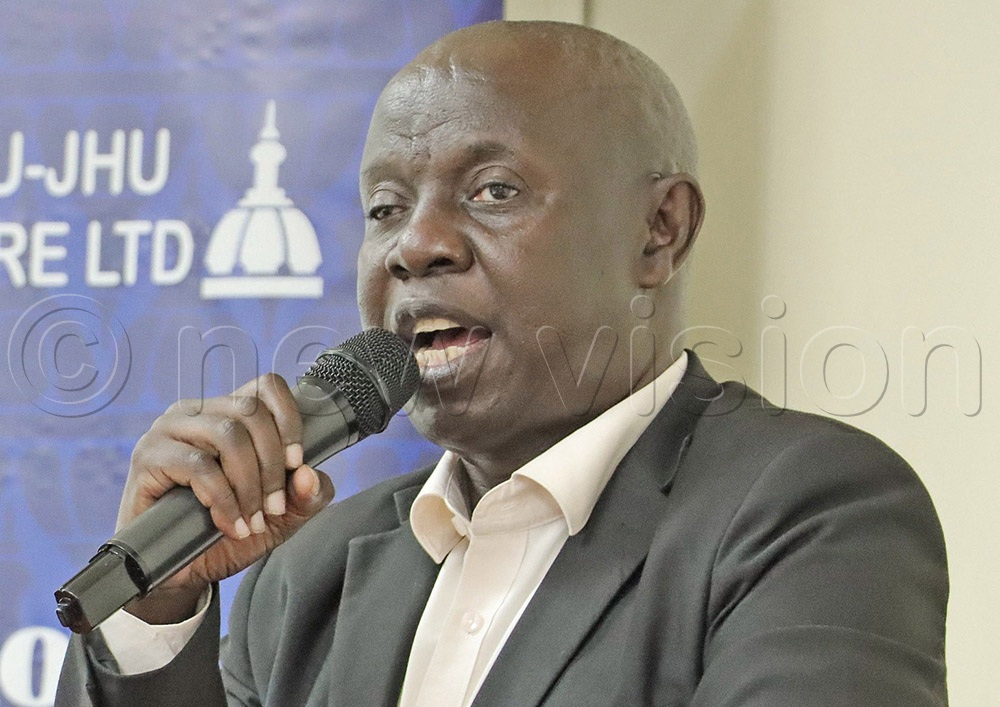
Dr. Herbert Kadama
Dr. Herbert Kadama, the national pre-exposure prophylaxis (PrEP) coordinator in the health ministry, said the drug will initially be rolled out in about 300 public and private not-for-profit (faith-based) health facilities across the country.
Earlier this year, the National Drug Authority approved lenacapavir, manufactured by Gilead Sciences, for use as a twice-yearly PrEP option.
HIV burden
Uganda continues to grapple with high rates of new HIV infections. In 2024 alone, 37,000 new infections were recorded nationwide.
Young women aged 15-24 remain disproportionately affected, accounting for 78% of infections among adolescents. Four out of every five young people newly infected are girls and young women.
However, the overall HIV prevalence has slightly declined from 5.1% in 2023 to 4.9% last year. Annual AIDS-related deaths have also dropped significantly, from 54,000 in 2010 to 20,000 in 2024.
Approximately 1.5 million Ugandans are living with HIV, with about 1.3 million currently on antiretroviral therapy.